Delhi CM’s first, 1 lakh-cr budget
The Delhi Chief Minister, Rekha Gupta, who also holds the Finance Minister’s portfolio, presented the new government’s first budget on March 25th. By allocating ₹1 lakh crore in various sectors such as education and urban development, she showed a rise of 31.58% from the previous government’s allocation. The budget for Housing and Urban Development has increased by 9% to provide affordable housing, sanitation and urban infrastructure. The funds for education have increased from ₹16,396 crore in 2024-2025 to ₹19,291 crore. The budget for the transport sector has risen by 73% and for Housing and Urban Development by 9%.
It is a ₹1 lakh crore FY26 Budget with ten focus areas, including electricity, roads, water, and connectivity. It doubled capital expenditure to ₹28,000 crore. The government introduced 5,000 electric buses, allocated ₹3,847 crore for underground cabling, smart grids and solar panels, ₹300 crore for pollution control initiatives, and ₹500 crore for Yamuna cleaning. Only treated water would enter the river through 40 decentralised STPs, the Chief Minister said.
However, the Leader of Opposition (LoP) in the legislative assembly, Atishi, criticised that the first Budget of the BJP after 26 years was made without an economic survey.
Source: NDTV.com, LiveMint
Read More: Bengaluru’s budget dilemma: Concrete promises, crumbling trust
Housing supply and sales fall in eight top cities
In the first three months of this year, up to April, housing supply in eight out of the top nine cities —Hyderabad, Chennai, Kolkata, Pune, Thane, Navi Mumbai, Mumbai and Delhi-NCR, fell by 34%, while sales declined by 23%, according to the real estate data analytics firm PropEquity. Only Bengaluru’s housing supply rose by 17%.
Hence, housing supply in the first three months dropped to 80,774 units compared to 122,365 units in the first three months of 2024. Housing sales fell to 105,791 units from 136,702 units in the first quarter of last year. Only in Bengaluru, housing supply rose to 20,227 units in Q1CY25, with the city accounting for 25% of total launches this quarter, up from 14% in the same period last year.
Kolkata showed the maximum decline, at a year-on-year (Y-o-Y) fall of 62%, followed by Mumbai and Thane at 50% and Pune at 48%. Only Bengaluru and Delhi-NCR recorded a Y-o-Y increase in sales, each rising by 10% and accounting for 17% and 11% of total sales in the nine cities, respectively.
Sources from PropEquity said the housing market was going through some correction after three years of record supply, leading to a declining trend in sales. Due to a rise in home prices, geo-political developments and some lag in the Indian economy, sales had dropped.
However, the stable absorption-to-supply ratio indicates continued demand. It shows the market may stabilise even as developers adjust to changing economic conditions.
Source: Business Standard, Financial Express
Bengalureans revive dead lake
A rainfall of just 11 mm on the evening of March 22nd partially replenished the 7-acre B Channasandra Lake in Kasturinagar, which had remained dry for seven years due to neglect. Thanks to the persistent efforts of residents over the past 15 years, the lake is now reviving.
Once desilting near Kasturinagar Main Road is completed, water from an additional inlet is expected to improve the lake’s flow and storage capacity during the monsoon season.
K Ramanath Rao, Executive Director of Kasturinagar Welfare Association, said that the lake was once spread over 19 acres, according to the Forest Department records. Government encroachments, especially by the Bangalore Development Authority (BDA) and the railways shrank it in the 1980s.
Residents are now urging officials to keep the lake under the Forest Department to retain ownership of the lake and to prevent further encroachment. Residents pooled in money and revived the lake with just Rs 30 lakh.
Source: Indian Express, The Times of India
Read More: Chennai’s last lung space: Nanmangalam Lake faces an ecological emergency
Long commutes outpace growth in green buildings
While green buildings are expanding, they alone cannot make cities sustainable. Urban planning is not efficient enough to stop people from spending long hours commuting. India’s real estate sector, which has an 18% share in national employment, is currently viewed as the largest employment generator after agriculture, according to the Institute for Competitiveness.
Green buildings are vital for a journey towards Net Zero emissions, as the Indian Energy IEA estimates that the operations of buildings account for 30% of global final energy consumption and 26% of global energy-related emissions. The buildings sector, which includes energy for constructing, heating, cooling and lighting homes and businesses, accounts for over one third of global energy consumption and emissions.
Even as global urban planners are trying to work on concepts such as the 15-minute city, Indian metropolises are evolving into “two-hour cities,” where commuting is becoming a nightmare, despite green-certified buildings.
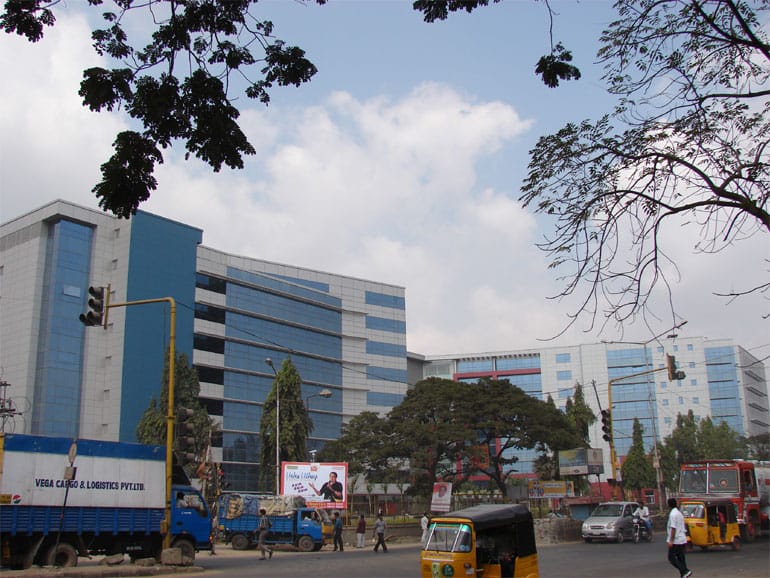
Many cities are making efforts to mainstream green buildings. For instance, Uttar Pradesh has approved more than 1,400 green building projects covering more than 1.6 billion square feet. But walkability, accessible public transport and the integration of green spaces into the urban fabric are just as crucial as energy efficiency in shaping a sustainable future.
Source: Business Standard
Delhi government rules on school uniforms
The Delhi government plans to prevent private and aided schools from often changing uniforms. Some schools change them more than once every three years, forcing parents to buy new ones, mostly from selected vendors only. This could impact the finances of families, forcing many to withdraw their children from studying in the EWS category in these schools.
The government has decided to put a cap of three years, which may increase to four or five years, and may also ask schools not to “pressure” parents to buy books and uniforms from the school, or a selected shop or vendor.
Schools that refuse to follow the ban might face action under the Ban on Commercialization of Education Act. The government has created a helpline (9818154069) and email ID (ddeac1@gmail.com) for parents with complaints.
Source: Indian Express, Hindustan Times
[Compiled by Revathi Siva Kumar]