Ever heard of theatre as therapy? When a person recovering from a mental health condition takes the stage, the result can be transformative.
Many individuals who have experienced mental health issues often face discrimination and isolation. Art and theatre can help in the healing while challenging this stigma and bridging the gap between awareness and acceptance. Theatre can also be a powerful tool for mental health advocacy, changing public perception and breaking down harmful stereotypes about mental illness.
To this effect, a unique theatre initiative in India is proving that theatre performances can be a catalyst for social change. This initiative, which involves individuals with lived experience of psychosis, uses Theatre of the Oppressed as a tool to raise awareness and address discrimination.
The role of theatre in mental health advocacy
At the Schizophrenia Research Foundation (SCARF), we initiated this theatre programme in 2021, and for people living with psychosis, the stage became a platform for healing and advocacy. “I once believed my life had ended after my illness. Theatre helped me break that belief and gave me a voice,” says T, a participant from Chennai.
Read more: SCARF’s 40-year journey in Chennai shows how mental healthcare has evolved
This initiative is part of PIECEs (Improving Outcomes for People with Psychosis in Pakistan and India for Enhancing the Effectiveness of Community-based Care), a five-year programme funded by the UK’s National Institute of Health and Care Research (NIHR). Led by SCARF in Chennai and Interactive Research and Development (IRD) in Karachi, the programme seeks to improve mental health resilience in India and Pakistan.
The PIECEs research programme is a crucial element of this initiative, as it provides the necessary framework to enhance psychosocial care for individuals with severe mental illness in India and Pakistan. Additionally, the programme focuses on improving communication between service users (patients) and healthcare providers (mental health professionals), and improving the quality of life of people with mental illness by adapting DIALOG+, an evidence-based intervention, to the local context.
By engaging people with lived experience in the research process, PIECEs ensures that mental health care is shaped by the insights of those who have the most to offer. This participatory approach is vital for creating effective and culturally sensitive solutions. Also, the programme fosters cross-country collaboration between India, Pakistan, and the UK, allowing for the exchange of knowledge and best practices.
A unique approach
Theatre of the Oppressed, developed by Brazilian theatre director Augusto Boal, is the central method used in this project. One of its techniques, Forum Theatre, turns the audience into “spect-actors” who engage directly with the performers and the narrative. The aim is to actively involve the audience in the story and encourage them to suggest solutions to oppressive situations portrayed on stage. In this context, the performances feature people with lived experience of psychosis, who use their real-life stories to educate the public, dispel myths, and start conversations about mental health.
Vicky Long, a researcher involved in the project, highlights the importance of this approach: “Theatre allows people with psychosis to be seen for their creativity and resilience rather than their diagnosis. It fosters a sense of agency and belonging.”
How the plays are organised and enacted

The theatre group includes service users, caregivers, mental health professionals, and professional actors.
The process begins with a discussion among the group members. Based on the target audience and the day of the event (such as World Mental Health Day or World Schizophrenia Day), a theme is chosen. The service users (patients and caregivers) share real-life incidents or experiences related to the theme, which are then woven into a rough storyline. Unlike traditional scripted theatre, Theatre of the Oppressed employs a method called “script in the play.” The dialogue and the script evolve during rehearsals as actors respond to each other and the themes unfold.
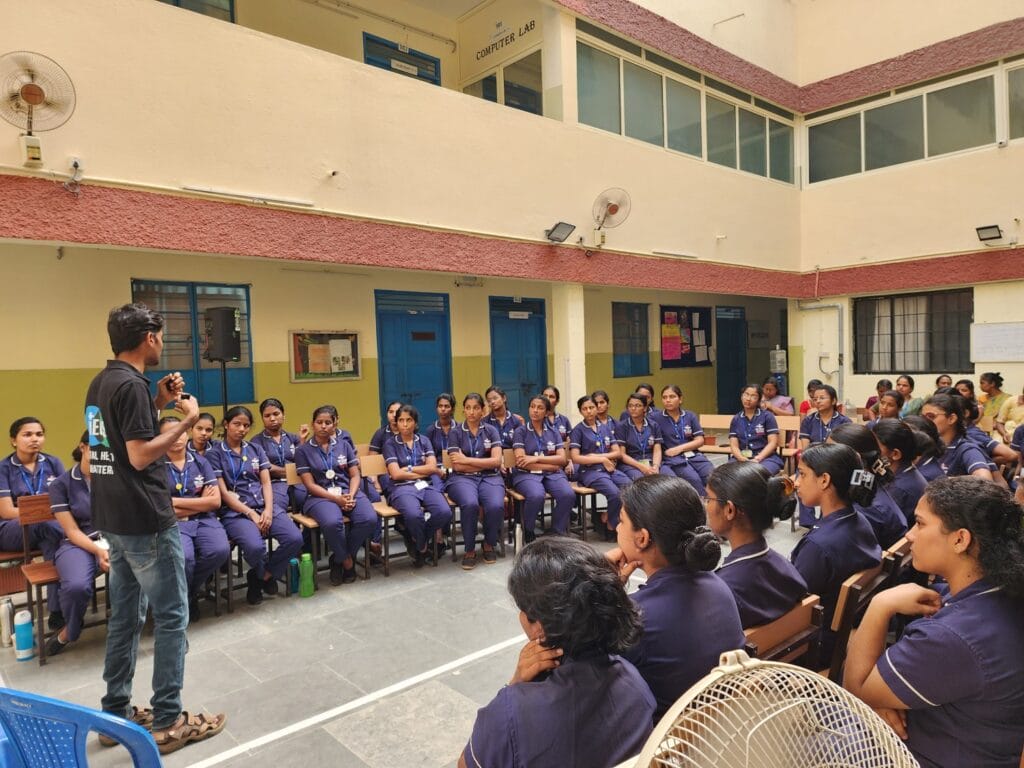
The group has performed at schools, universities, parks, shopping streets, and mental health institutions.
The SCARF Theatre Group has played a transformative role in the lives of its members. By providing a creative platform for self-expression, it offers service users a way to heal emotionally and socially engage with others.
Long-term benefits of theatre for mental health
Incorporating art and theatre into the treatment of individuals with mental illness can have profound long-term benefits:
- Public awareness: Theatre performances highlight the realities of mental health conditions and their consequences, making them relatable and understandable to the general public.
- Effective communication: By addressing stigma and discrimination, theatre helps educate audiences in an accessible and engaging manner.
- Empowering individuals: Participants with lived experiences gain confidence, self-esteem, and communication skills, enabling them to share their stories and advocate for change.
- Fostering connections: Theatre encourages social interaction, building supportive networks that help combat isolation and promote community engagement.
- Promoting empathy: By showcasing authentic experiences, theatre fosters a deeper understanding among audiences, helping to break down stereotypes and reduce stigma.
- Creating income opportunities: For some participants, the arts offer potential income-generating opportunities, as they explore careers in performance and creative industries.
- Changing public perceptions: Theatre can help change how society views individuals with mental health conditions. Presenting mental health issues through creative expression promotes empathy and understanding, helping reduce stigma.
There is a stigma to mental health issues or we cooperate in teching there is?
Harold A Maio