Save Mumbai Mangroves campaign: Who really benefits from the coastal road?

Mangroves are being cut in Mumbai even as the world observes Environment Day. Watch this video to understand citizens' concerns regarding the Coastal Road project.

“We are literally risking our lives with floods. We are a coastal city. To mess around with mangroves is digging your own grave,” says Pooja Domadia of Save Mumbai Mangroves, a campaign born in the wake of the decision to construct the Versova- Bhayanadar Coastal Road in Mumbai. This mega project is going to impact 45,000 mangroves.

The cutting of the mangroves has already begun to make way for the 26.3 km Coastal Road. In March this year, the Supreme Court dismissed a petition challenging the Bombay High Court’s go-ahead for the project. But concerned Mumbaikars are not giving up. Save Mumbai Mangroves has been speaking up, creating awareness through various means, and staging protests for the past few months.
Fisherfolk at Cahrkop Gaon
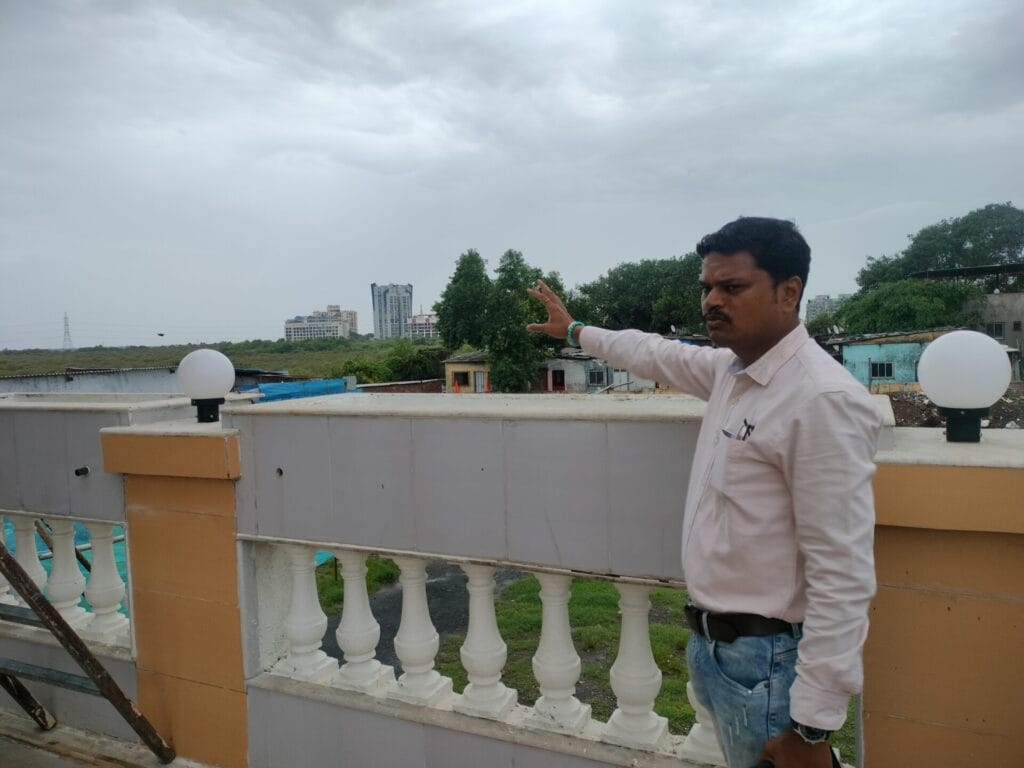
Fisherman Dhiraj Bhandari shows the point where the tunnel for the coastal road is likely to come and the creek where they fish. The fishing community at Charkop too is worried about the coastal road and its effect on their livelihood. Pic: Shruti Gokarn

“We want to understand a little more about how the afforestation practices are being done,” says Vidushi Kala of the group. The expectations of the group from the BMC are simple: be transparent in your decisions and involve the public in the decision-making process. After all, it is a public project, made with public resources and made for the public.

Check out this video interview, where Pooja and Vidushi tell Citizen Matters about their concerns regarding the coastal road, alternatives to it, their expectations from the BMC, and what keeps them going:

Also read:

Leave a Reply

Your email address will not be published. Required fields are marked *

Similar Story

Open letter to Chief Justice of India: Withdraw unjust remarks made against environmental groups

In the letter, conservationists, lawyers and civil society groups highlighted the constitutional right of citizens to demand the enforcement of environmental laws.

A collective of citizens, environmentalists, legal experts and civil society organisations from across India has demanded that the Supreme Court withdraw oral remarks made by the Chief Justice of India (CJI) during the Pipavav Port hearing on May 11, 2026. The group aims to ensure these comments are not misinterpreted as questioning the legitimacy of genuine environmental public-interest litigation, or the constitutional right of citizens and affected communities to demand the enforcement of environmental laws. In an open letter to the CJI, the coalition outlined urgent environmental concerns and the right of citizens to question irregularities in projects negatively impacting…

Similar Story

The trees we forget: What a city loses when the canopy disappears

Bengaluru's trees are more than shade; they are memory, identity, and resistance. Their loss leaves the city harsher and emptier.

Summer in India has been merciless this year, with many states recording temperatures above 42 degrees Celsius and rising reports of fatalities. Despite these harsh conditions, urban support continues for development projects that clear trees, wetlands, mangroves, and forests near cities. A recent Article 14 report provides data on thousands of trees that will soon be sacrificed nationally for infrastructure projects. Those opposing such unscientific large-scale tree felling are often labelled 'tree-huggers', 'anti-development' and 'anti-nationals'. While capitalism accelerates environmental degradation and the world faces a growing climate crisis, societal divisions deepen.  Yet, we give trees too little credit: Beings necessary…