Walk through any city, and you’ll encounter Nature-based solutions (NbS) everywhere: urban parks providing respite from hot streets, wetlands filtering stormwater, and trees along busy roads reducing air pollution, among others. This green infrastructure, however, is often viewed through a narrow lens—as mere providers of shade, picturesque spaces, or recreational spots.
This limited perspective has harmful consequences. When development pressures mount or budgets tighten, these natural assets become expendable and are often removed without proper analysis of their multidimensional benefits. This is where quantifying the benefits of NbS becomes essential. By measuring and monetising the value these solutions provide, we can transform how cities plan, protect, and invest in green infrastructure.
The hidden value crisis
Currently, most NbS suffer from an invisibility problem. A tree-lined avenue is appreciated for its beauty, but its role in reducing urban heat stress, improving air quality, managing stormwater, and even supporting mental health often goes unrecognised.
Consider city trees, which are felled to create parking spaces, widen roads, or construct buildings. Since the wide-ranging ecosystem services trees provide have not been quantified, they are seen as obstacles rather than valuable assets.
A study of trees across the US quantified only five ecosystem services—regulating climate and air quality, and providing wood, food, and Christmas trees—and pegged their value at $114 billion annually. It also found that the value of trees arising from environmental services, such as carbon storage and air pollution removal, far exceeds their commercial value from wood and food.
Unlocking the value of Nature-based solutions
Quantifying the impacts of NbS, however, is not just a theoretical exercise. Comprehensively mapping and valuing their benefits makes it easier to justify investments, scale up effective interventions, and conserve scarce green spaces and water bodies in cities. Their increased adoption, in turn, can yield the following advantages:
Read more: Chennai Corporation’s sponge parks: Nature-based solutions or cement-lined pits?
Increase in property prices
An analysis by a Bengaluru-based real estate consultancy highlighted that property prices increased by 8–10% within 500 metres of restored urban lakes as compared to the polluted Agara lake. Across the globe, green belts and tree cover can increase home prices, sometimes by as much as 20%. Even tree-lined streets add significant value. A study in Portland found that each street tree added $8,870 to home sale prices and reduced time on the market by almost two days.
Increase in municipal revenues
Municipalities can earn higher property taxes in NbS-rich zones due to increased land values. Promoting recreation and tourism in green spaces and water bodies can further generate income through visitor fees, guided walks, and seasonal events.
Boost to the local economy
Well-designed NbS create vibrant informal economies. Flea markets and pop-up vendors selling snacks and trinkets benefit from the increased foot traffic near parks and rejuvenated lakes. These spaces can host farmers’ markets, festivals like Kere Habba, and eco-tourism activities, creating economic opportunities for women, informal workers, and micro-entrepreneurs.
Reduce losses from extreme weather events
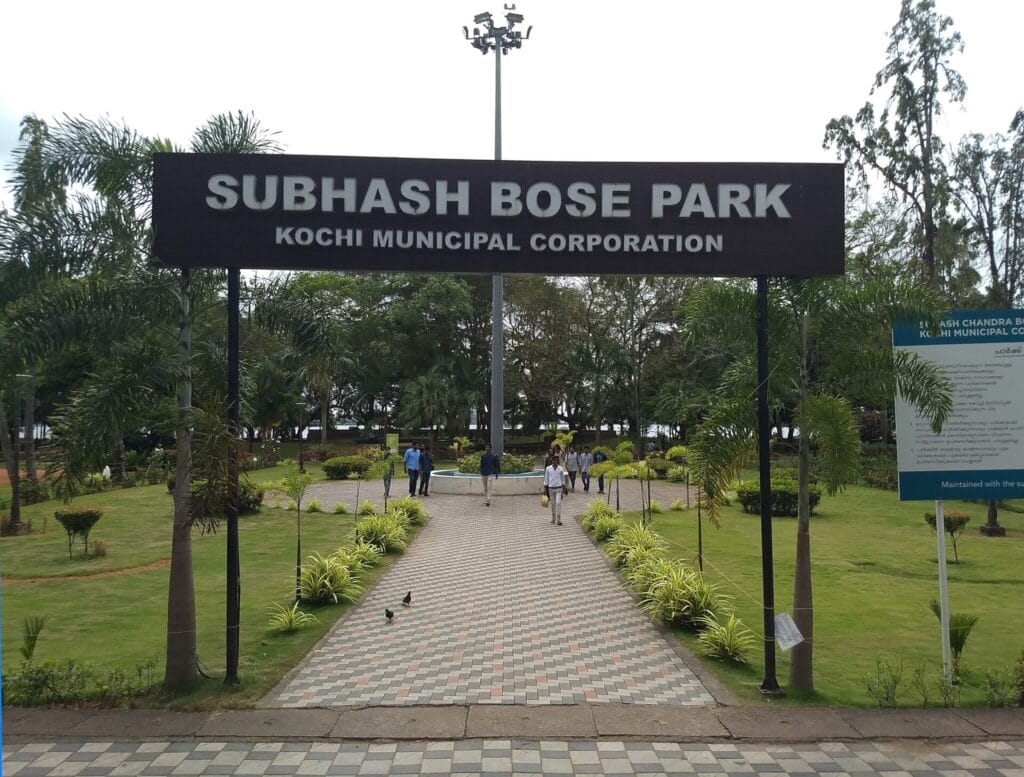
Proactive investments in NbS are far more effective than reactive rebuilding after extreme weather events. A retention basin built in 2020 reduced flood risks and minimised economic disruptions for more than 3 million people in Argentina. A study of Kochi’s Subhash Bose Park found that its 339 trees act as a barrier against flooding, leading to savings of ₹1.8 lakh per year in drainage infrastructure costs. In many cases, NbS can be more cost-effective than conventionally engineered solutions to reduce disaster risks.
Lower energy costs and productivity losses
While the cooling effects of NbS are well-known, these benefits also have a tangible economic value. The Kochi park, for instance, lowers temperatures in neighbouring homes, reducing their electricity consumption for cooling by about 13,400 kWh annually. A study of 11 cities in the UK measured the cooling benefits of green spaces and water bodies in terms of reduced productivity losses. These were worth £ 24.5 million over a decade.
Lower healthcare costs
The park in Kochi not only reduces disaster-preparedness and electricity consumption but also healthcare costs. Residents around the park can save ₹3.74 lakh annually in healthcare costs due to reduced air pollution. Studies from the US, UK, and Canada also demonstrate that NbS lowers healthcare costs, with the benefits amounting to as much as $6.8 billion.
New revenue streams from environmental credits and green financing
Many NbS sequester carbon. Currently, the Indian carbon market is valued at over $1.2 billion (₹9,894 crore), calculated using the global average price at $4 per credit.
The Stormwater Retention Credits system, implemented in Washington, DC, has generated more than $1.7 million through the sale of credits. Apart from facilitating private investment for stormwater management, it has restored local water bodies and created new green jobs and green spaces in the city.
Investing in NbS can also help businesses attract environmental, social, and governance (ESG) funding. Frameworks like the World Business Council for Sustainable Development’s NbS Blueprint provide structured approaches to develop bankable projects.
Contribute to India’s climate and sustainable development goals
The benefits of NbS extend beyond individual projects to support broader policy objectives, particularly India’s Nationally Determined Contribution targets under the Paris Agreement, such as creating a carbon sink of 2.5–3 billion tonnes of CO2 by 2030. Globally, NbS can meet one-third of climate mitigation targets needed to achieve the goals set under the Paris Agreement. They also contribute to multiple sustainable development goals (SDGs), such as clean water and sanitation, and urban sustainability.
Challenges of implementing Nature-based Solutions
While quantifying benefits is a powerful tool, it’s not without challenges. Not every benefit can be neatly monetised. It is difficult, for example, to put a price on the mental health benefits of a public park or the cultural significance of a centuries-old tree. This “non-market value” of NbS is harder to quantify, but it is no less critical.
Moreover, the benefits of NbS projects are not always equally distributed—wealthier neighbourhoods tend to corner most resources and infrastructure projects. Impact quantification must consider whether such projects serve all residents, particularly those in low-income neighbourhoods, which suffer disproportionately from heat stress, or vulnerable communities near flood-prone areas. Equity and inclusion help ensure broad-based support for NbS and the long-term sustainability of projects.
The way forward
While advanced modelling helps simulate the potential impact of NbS in Indian cities, empirical evidence is equally important. Participatory monitoring and evaluation can help build confidence in NbS and demonstrate their value. This includes:
1. Community-led microclimate monitoring
Equip communities with simple thermometers to map temperature differences between green spaces and concrete areas, while installing basic weather stations that show how parks and trees reduce heat.
2. Citizen science and assessments
Train volunteers to conduct before-and-after audits that document birds, butterflies, plants, and pollinators, generating tangible data on ecological improvement and ecosystem health.
3. Water performance tracking
Involve communities in simple soil infiltration tests and stormwater monitoring during monsoons to demonstrate flood mitigation and water quality improvements compared to conventional drainage systems.
4. Air quality and noise reduction measurements
Partner with schools to monitor air quality improvements near green spaces and track how vegetation buffers neighbourhood noise.
5. Economic and well-being impact surveys
Document changes in cooling costs, maintenance expenses, property values, and resident satisfaction through structured community surveys. This can help translate ecological benefits into financial and social terms, which could resonate with more stakeholders.