Sturdy nets to cover manholes
The BMC will now install specially designed protection nets beneath manhole covers to prevent accidents such as people falling into open manholes during floods in the city. The civic engineers have suggested a prototype made from stainless steel with better durability. The nets that are used to cover 1900 manholes at present, are made of ductile metal. The civic body is likely to complete before the next monsoon.
Source: Free Press Journal
Robots for sewer cleaning
The Brihanmumbai Municipal Corporation (BMC) has installed sewer-cleaning robot to prevent manual scavenging in the city. The sewer tanks, which were cleaned manually, will now be cleaned by robots. The civic body has taken this step even as the deadline for making India free from manual scavenging draws closer. Last month, two workers died in Govandi while cleaning the sewers.
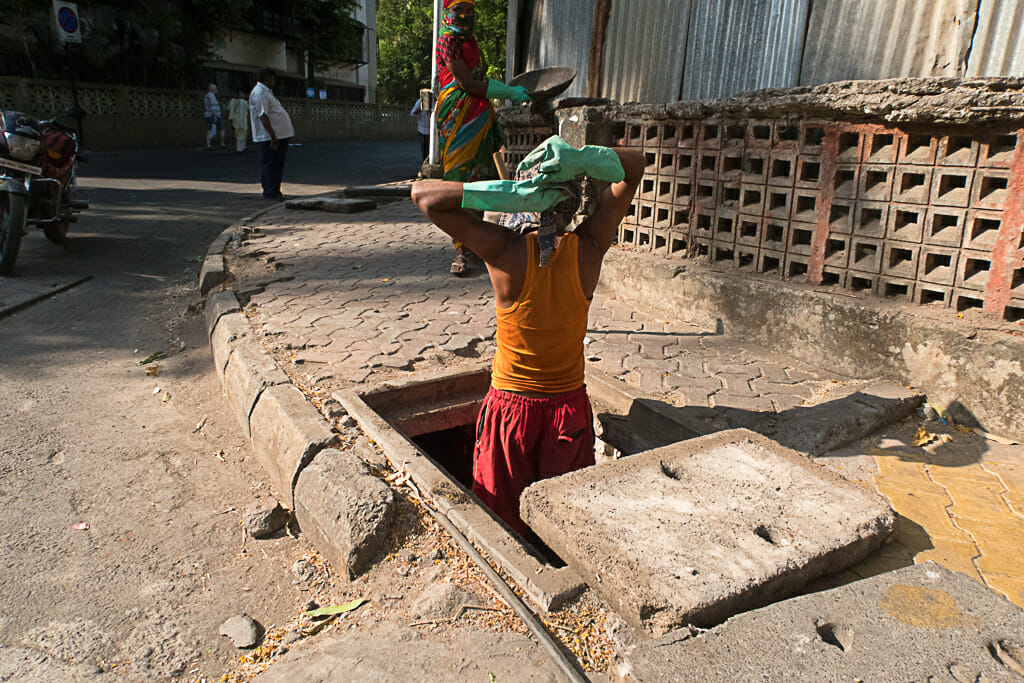
According to a government report, in India, only 520 districts have made themselves free from manual scavenging and 246 districts are yet to achieve that vision. “I would request the states concerned to submit a report to us as we are committed to our vision of declaring India manual scavenging free by August 2023,” a senior official with the union ministry of social justice and empowerment was quoted as saying in a new report.
Source: Mint
Read more: Emergency medical rooms at every railway station will save lives say passengers
Electric cremation for pets
Death of pets is hard but now a dignified farewell may be possible. An electric crematorium for pets has been set up at R North ward (Dahisar and Borivali). Electric cremation of deceased animals will be performed inside a van, provided by the NGO Happy Buds Foundation. This initiative will pave way for eco-friendly cremations of animals. Former Shiv Sena corporator Tejasvee Abhishek Ghosalkar, who backed the initiative, said while pet animals will be cremated for a nominal charge, stray animals will be cremated free of cost.
Source: The Indian Express
Moderate rainfall this week
The India Meteorological Department issued a green alert in parts of Mumbai and its neighbouring districts like Thane, Palghar and Raigad. On Monday, the city received brief spells of light rains. The IMD’s Santacruz weather station recorded 13 mm of rain between Sunday and Monday till 8 am, while the Colaba observatory recorded 2 mm of rain.
Mumbai receives water from seven lakes, and water levels in these lakes are at 29%. Last year at this time, the levels were almost double than present levels, at 56%. Meteorologists have predicted the next active monsoon spell between July 13 and July 16.
Source: The Indian Express
Also Read:
- Project Revitalisation: Creating livelihoods key to success of Thane’s largest recycling project
- Three years since COVID-19, Mumbai mill workers still without work and income
- BMC beautification: Environmentalists warn of damage to trees by paints and lights
Compiled by Stephin Thomas