[Part 1 of this series covered the poor state of homeless shelters in Bengaluru. In Part 2, we look at who is responsible for this, and why.]
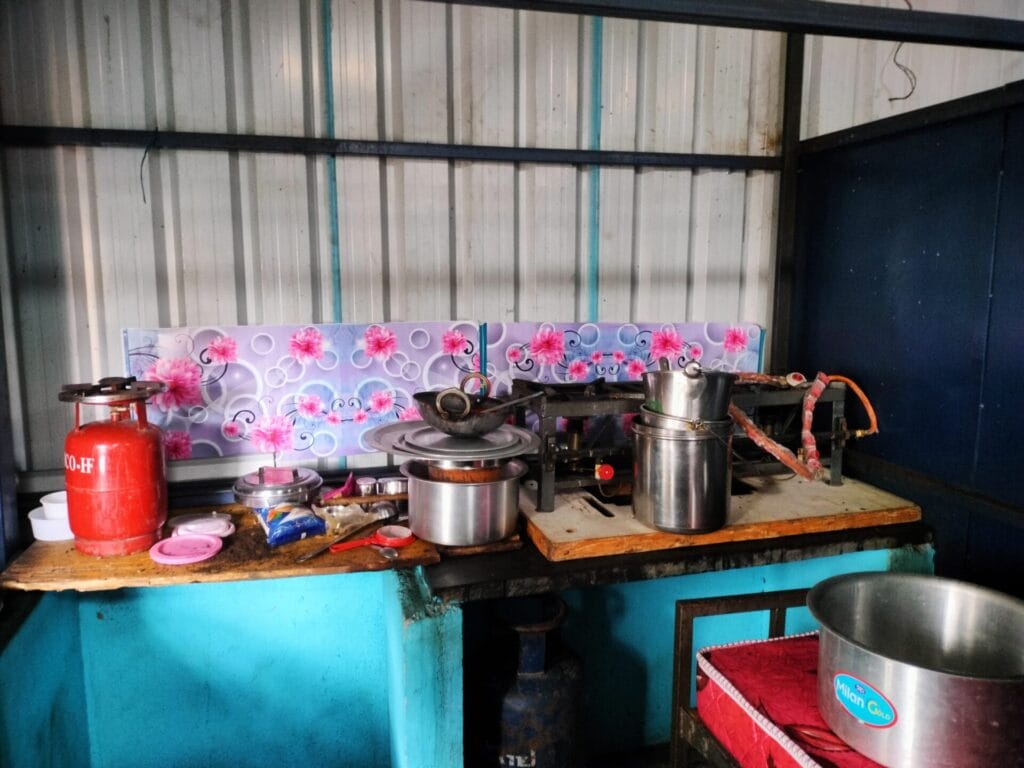
“We can’t work anymore because of our age. Where will we get food?” asks Nataraj*, an elderly, retired watchman living in a homeless shelter in Yeshwanthpur. As per the Shelter for Urban Homeless Scheme (SUH) under the Deendayal Antyodaya Yojana-National Urban Livelihoods Mission (DAY-NULM), residents up to 10% of the shelter’s capacity should be given free food, prioritising the elderly and sick. But for months, most shelters in Bengaluru have not been doing so.
Besides, the 10% limit is arbitrary, says Anand Murthy R, manager of the Goods Shed Road shelter: “Most of our residents are old. How do we choose?”
Bengaluru has 48 shelters for the homeless, far fewer than the required number. The lack of funds and administrative complications have meant that even these shelters aren’t providing basic facilities to residents. While homeless shelters have always been underfunded and poorly managed, expiry of the DAY-NULM last September has worsened the situation. The programme used to directly fund 40 out of 48 – or five out of six – shelters in the city.
Who runs homeless shelters?
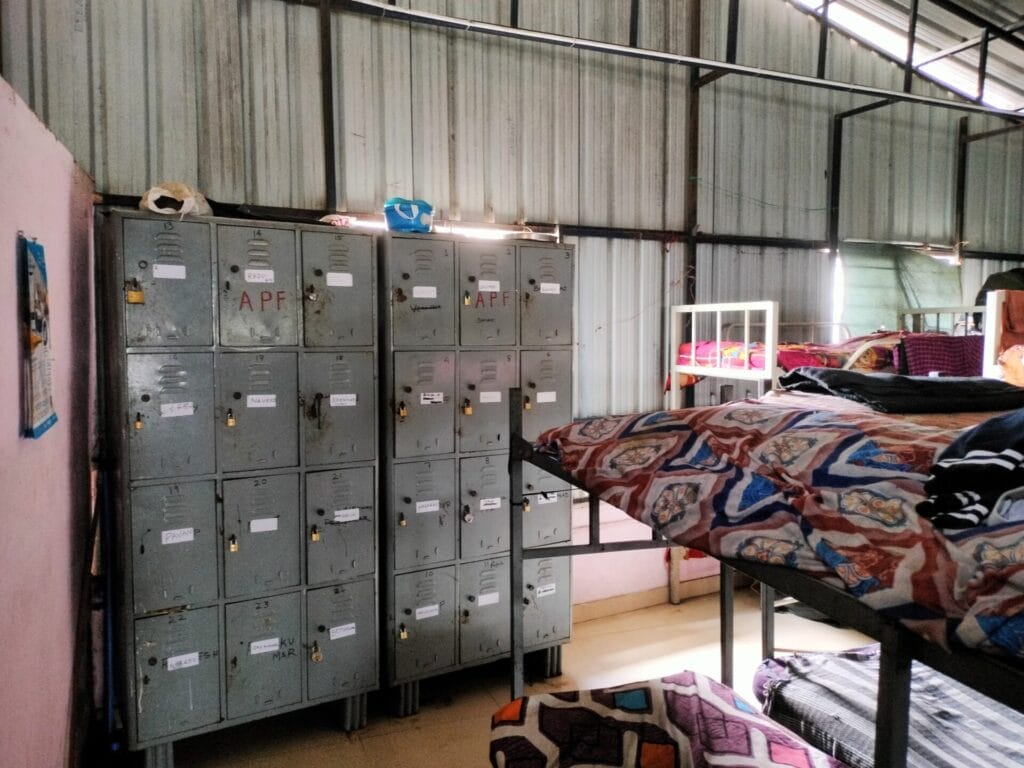
The DAY-NULM provided a one-time construction cost of Rs 40 lakh per shelter. Post construction, BBMP was responsible for arranging basic facilities such as beds, cots, lockers, water, electricity and drainage.
Once the shelter becomes ready for occupation, BBMP Welfare Department issues tenders at the zonal level to allot shelter management to NGOs. The NGO that wins the bid would be responsible for operation and maintenance of the shelter as per SUH guidelines. In the first five years of the shelter’s establishment, DAY-NULM would cover all operational costs. After five years, BBMP has to cover costs.
As per SUH guidelines, the NGO should keep the shelter open 24/7, appoint a manager, a helper, and three caretakers who would work in eight-hour shifts. The shelter should provide food for 10% of its capacity, the cost of which would be covered by DAY-NULM or BBMP depending on the age of the shelter. The NGO should arrange social entitlements for residents such as Aadhar card, widow and old-age pension. They should also have tie-ups with hospitals for routine health checkups and emergency care of residents.
As the monitoring agency, BBMP has to inspect all shelters every 15 days.
Homeless shelters not operating as per guidelines
In reality, many elements of the guidelines are not implemented.
Most shelters don’t have adequate staff. Twelve shelter managers this reporter spoke to said none of the shelters they worked in had helpers, and the residents themselves, old or sick, were in charge of cleaning.
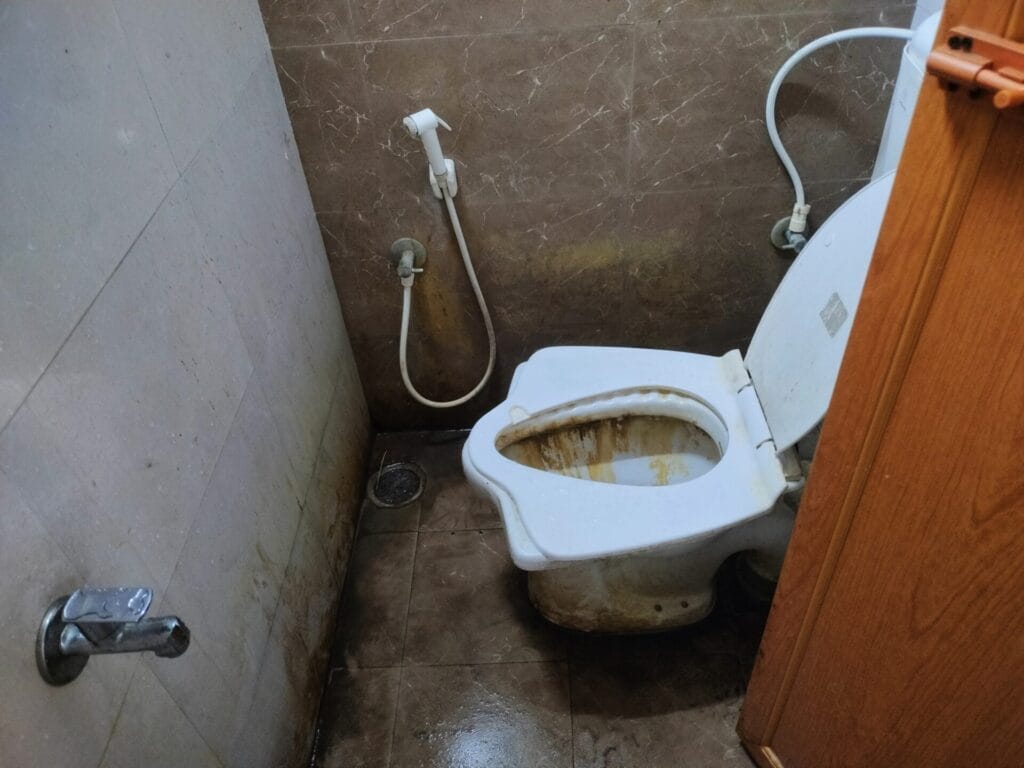
Also, many shelters have only 1-2 caretakers instead of three, says activist and researcher Narasimhappa. Caretakers are supposed to ensure facilities like water and functional toilets. They report any issue to the manager, who then takes it up with BBMP. Narasimhappa says, “Caretakers and managers are not trained to work in these shelters. Many residents themselves are caretakers, and one manager is appointed to two or more shelters.”
While the SUH guidelines don’t specify for how long residents can use the shelter, BBMP has an informal rule requiring residents to vacate after 90 days. Rajani Srikakulam, an independent consultant working on homelessness, says this often violates the SUH guideline that residents should not be asked to leave until they are rehabilitated through alternative accommodation, family reunion, etc.
In many shelters, residents pay for their own medical expenses even though NGOs are supposed to cover this as per SUH guidelines. The costs are higher for elderly people with no income or pension. Though NGOs are supposed to facilitate pensions and ID cards to residents, most shelter residents don’t have these either. “I can’t walk much. I worked all my life, but my children abandoned me. All I want is some pension to cover my basic needs,” says Ramaiah*, an elderly resident at Kumbara Gundi men’s homeless shelter.
Also, though shelters are supposed to be accessible 24/7, many close their doors by 9 pm.
As per SUH guidelines, shelters should also be located near public transport stations, hospitals and public places like markets. However, several shelters are located in isolated areas. Despite extremely low occupancy, they continue to function due to BBMP’s poor monitoring.
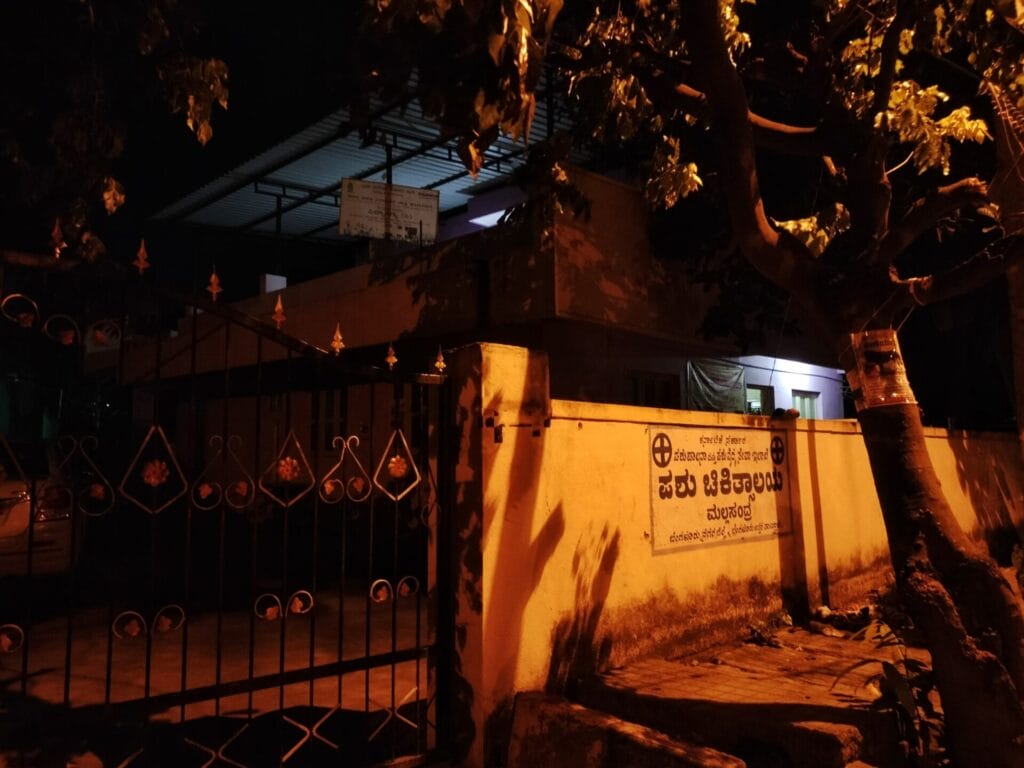
The caretaker of two men’s shelters in Mallasandra, Dasarahalli denied this reporter entry at 9 pm, warning her that the area was unsafe at that hour. Located in an isolated area adjacent to military land and at least 4 km away from a bus stop, the shelter can be an easy miss.
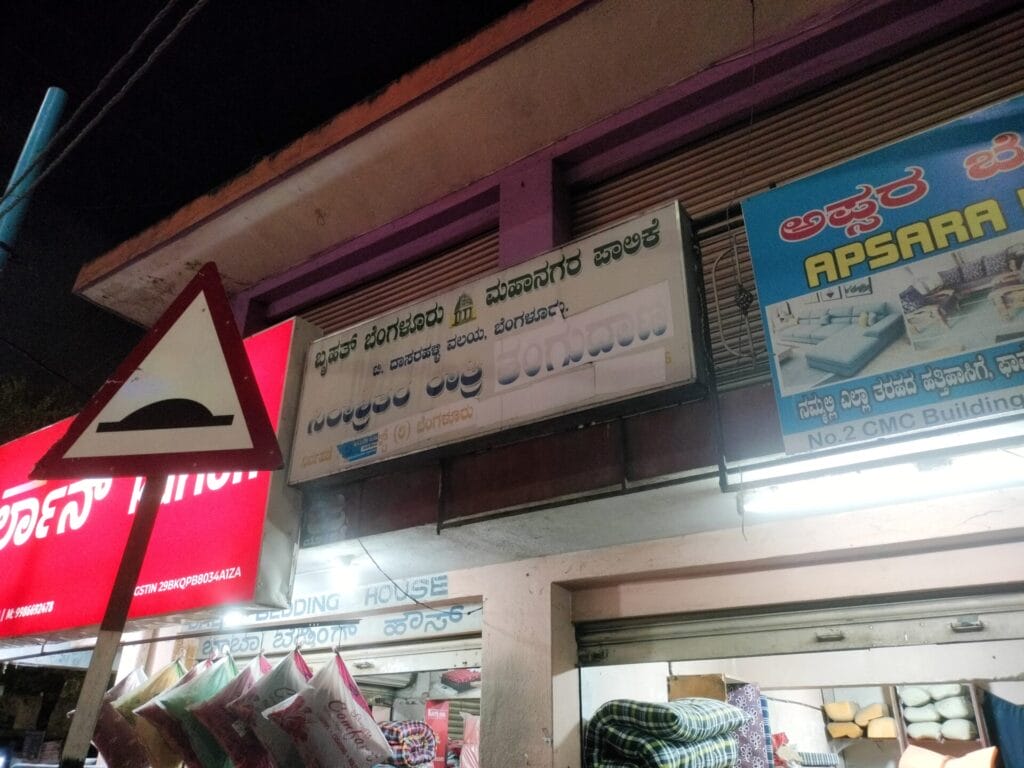
Whereas, another shelter in Dasarahalli right next to a KSRTC bus stop shut down last September as BBMP didn’t clear the NGO’s bill, says Anand, who was the shelter manager back then and now works at Goods Shed Road shelter.
Fund shortage worsened after expiry of DAY-NULM
DAY-NULM, launched in 2014, ended last September. Since 40 of the city’s shelters are aged less than five years, they no longer get funds under the programme. The Centre will launch a revamped version of the Mission only by September 2025, and its pilot is ongoing now.
BBMP says the Centre is supposed to fund the 40 shelters until the launch of the new Mission. But activist and researcher Narasimhappa says BBMP could have cleared NGOs’ bills and claimed reimbursement from the Mission later.
Ragavi Vinod Nayak, Project Officer at DAY-NULM, refused to comment on the stoppage of funds.
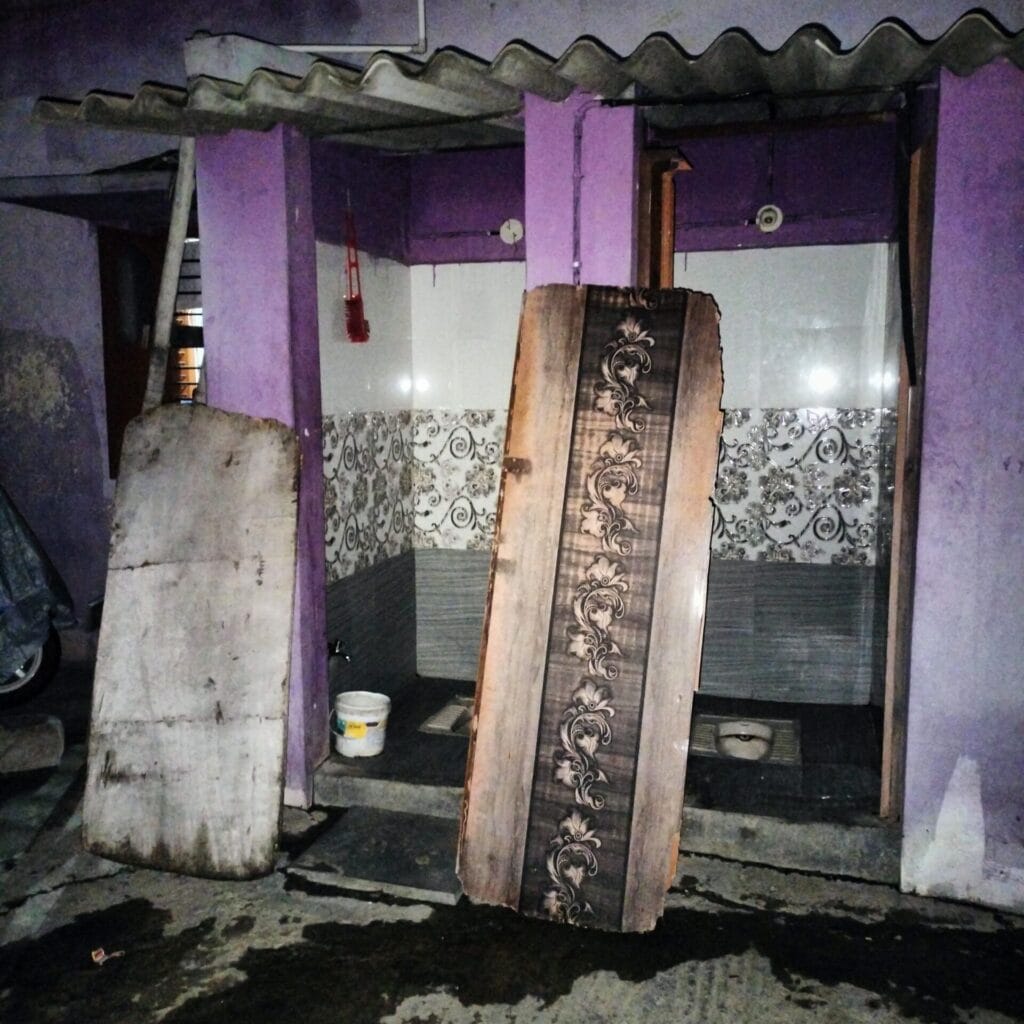
With the expiry of DAY-NULM, the Peenya shelter has not received funds for over 10 months and is in poor shape. “Our toilet doors have been broken for months and are still not fixed. Our RO filter has also stopped working. One of our fans stopped working, and amidst cramped beds it gets very hot without it,” says a caretaker here.
Since September, many shelters like those in Tulasi Thota and Yeshwanthpur have not been providing even one meal a day to residents. Some shelters get food from temples or charitable trusts, but this is also inconsistent. “Many times I eat one meal a day outside and survive on that. What can I do? I am old, with no job and no income,” says Narayanappa*, resident at Yeshwanthpur shelter.
But fund shortage has long been an issue for the shelters. Many shelters have not received funds for over a year, even while DAY-NULM was operational.
“NGOs get paid every 6-9 months, with their overhead costs not covered. How are they supposed to keep the shelter running?” asks Ramachandrappa H T, Secretary at Impact India Consortium (IIC), a network of 45 NGOs working on homelessness in the city.
Blame game between BBMP and NGOs
According to the BBMP Welfare Department, the state treasury is rejecting challans from NGOs due to gaps in their documentation. But NGOs contest this, saying most of them have their papers in order.
“Procuring funds from a central scheme and distributing it through BBMP’s zonal network also takes time,” says Suralkar Vikas Kishore, Special Commissioner, BBMP Welfare Department. He adds that internal administrative issues and communication gaps among departments also sometimes delays fund release.
Suralkar says the state government has given approval to BBMP to clear bills and to get these reimbursed later from the Centre. He said BBMP has started clearing the long-pending bills of some shelters, and would clear all pending bills within a month.
In 2024-25, BBMP had allocated Rs 5 cr in its budget for homeless shelters. “We know that our funds are not sufficient to run shelters. That is why NGOs should raise their own funds as well,” Suralkar says. However, the NGOs disagree with this. “It’s a central scheme which should be implemented by the state. NGOs are service providers who are in charge of maintenance alone. It’s unfair to ask them to raise funds,” says Krishna Murthi, member of FEVOURD-K, a federation of over 800 NGOs.
Suralkar says BBMP provides Rs 10 lakh annually per shelter, though some NGOs quote as low as Rs 6-7 lakh when bidding. Organisations like IIC and FEVOURD-K oppose the tendering process altogether. “We are not contractors. Why should we quote prices to maintain BBMP shelters?” asks Krishna.
Read more: Homeless in Chennai: Families that lack shelter need urgent support
“Some NGOs quote as low as Rs 5-6 lakh to get more shelters. There’s no way they will be able to provide decent facilities and salaries in that amount,” says Narasimhappa. IIC suggests increasing the annual funding to Rs 12-13 lakh per shelter.
A lot needs to change
Rajani says the central government should convert the SUH scheme into a policy to track and monitor the status of homelessness and shelters in the city.
Suralkar assures that from next year, BBMP will allocate additional funds in its budget for homeless shelters, which would later be reimbursed by the Centre.
Experts and NGOs suggest the following actions immediately
- Instead of inviting bids, BBMP should empanel NGOs based on their experience and also scrutinise them stringently
- Provide food to old and sick residents as per their need
- BBMP should simplify the application process for widow and old-age pensions for the homeless
- Train shelter managers and caretakers to be sensitive
- Make the rule on 90-day stay flexible, so that people without alternative accommodation won’t be back on the streets
- NGOs should inform and motivate residents to sign up for BBMP Welfare Department’s skill training programmes
- Conduct frequent meetings of the Independent Committee on Shelters for Urban Homeless, also known as the State Level Monitoring Committee. Currently the committee meets only thrice a year.
*Names have been changed to protect identity