Here we are! The day that many naysayers said would never come. The day the Tamil Nadu government’s ban on single use plastic goes into effect. With the Madras High Court rejecting a plea to stay the ban on December 27th, the first step has truly been taken. As Lao Tse famously said “A journey of a thousand miles begins with a single step.”
Our solid waste management crisis is huge. Many issues remain to be acknowledged, leave alone addressed. Source segregation of garbage (mandatory since October 2, 2017), better door to door collection of segregated waste, forcing bulk generators of waste to take responsibility for disposal of their waste, arresting the flow of untreated sewage into our water bodies, collection of processing of toxic e-waste, to name a few. Yet, today gives us hope, that we will stay the course and do all that it takes to clean up our city, stop polluting our water bodies and avoid sending our waste to landfills.
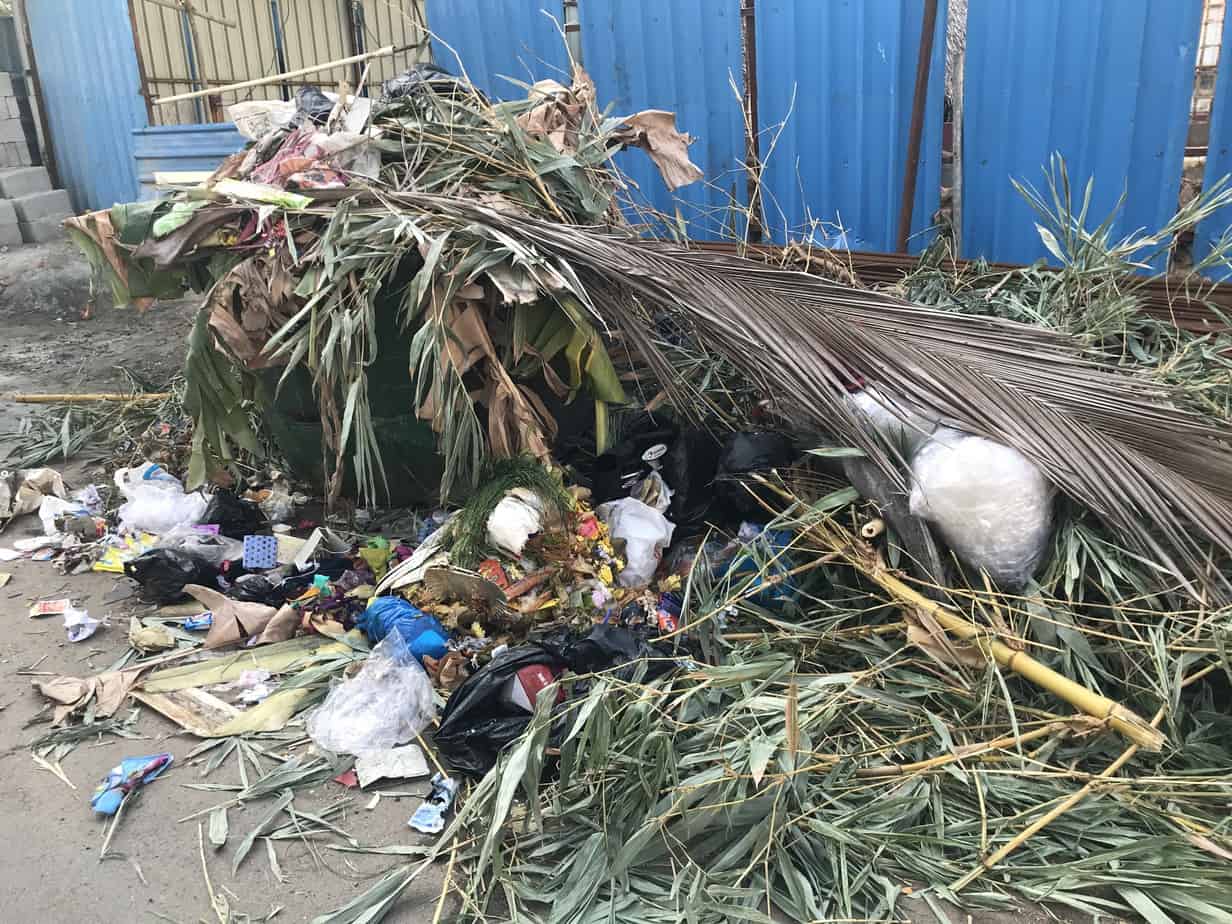
It is hoped that street corners will no longer look like this. Pic: Meenakshi Ramesh
Citizen Matters Chennai has featured several initiatives in SWM, by individuals and organisations who have been leading the way in sustainable waste management. We told you about the biogas plant that powers an Amma canteen, we shared with you the stories of citizens who help temples compost their floral waste and manage large festivals, we showcased the women who keep our streets clean, informal waste workers who rarely get their due and we asked if privatisation was the answer to Chennai’s garbage collection crisis.
We showcased enterprising mothers who decided against using disposable diapers for their babies, we helped compile a green guide for RWAs, and spread awareness about TNPCB’s award for green RWAs. We rejoiced as we shared the story of the young couple who opted for a novel plastic-free wedding to pave the way for greener celebrations.
The Kuppai Matters series brought you details of which brands were contributing the most to plastic waste, and the Kuppai Thiruvizhas highlighted how citizens are eager to help find alternatives to single use plastic. We highlighted issues around lack of source segregation in a leading city hospital, and we wrote about a contest that asked citizens for ideas to revive Buckingham Canal. We also highlighted the efforts of self help groups to popularise alternatives to single use plastics. Finally, we asked two waste warriors to share with us tips on how to start with segregation at home, and how to live with the single use plastic ban.
Much more needs to be done, mainly in the area of public education and awareness. The government needs to inform everyone that even using a plastic bag will now attract a fine, if recent news reports are correct. We need a publicity blitz, actually. Hammering the message out from all quarters. And strict enforcement too.
This morning, at our neighbourhood temple, the head priest said he had bought cloth bags for distribution of Prasadam, since he knew that that the thin plastic bag is going to be banned. The shopkeeper had sold him non woven PP bags, and the priest was most upset when he found out that these bags are banned too! Did the shopkeeper not know, or was he trying to get rid of his stock?
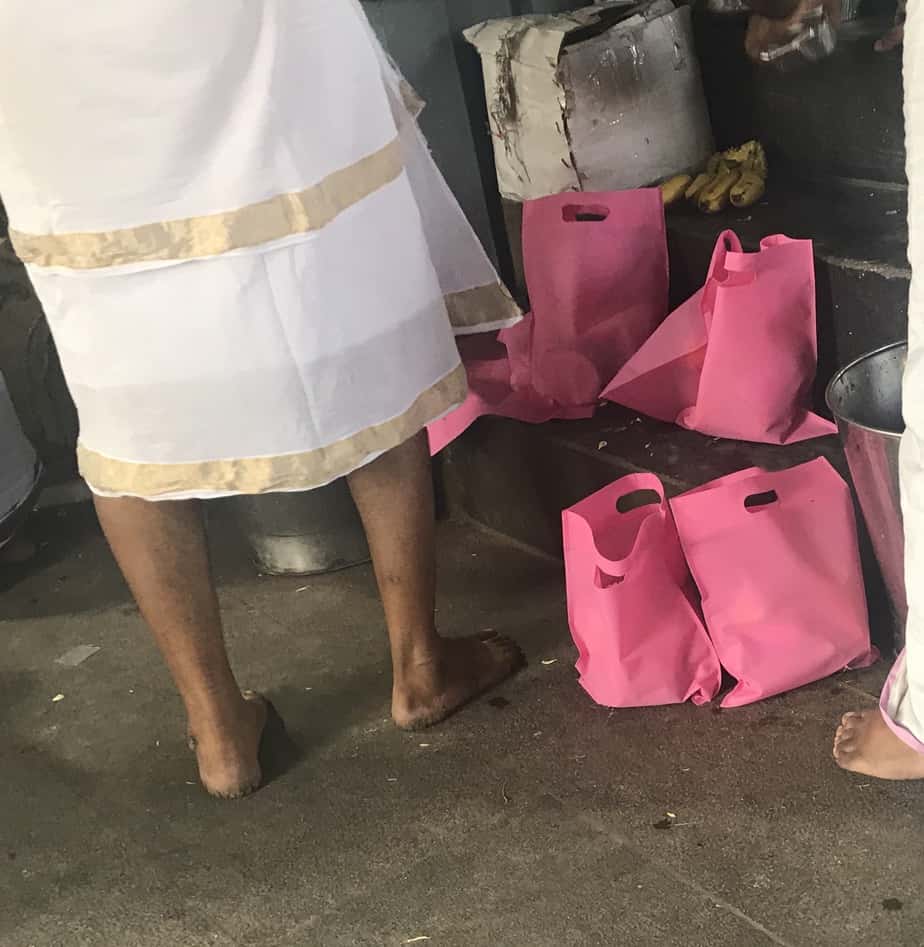
Non Woven PP bags being used at a temple in lieu of plastic bags Pic: Meenakshi Ramesh
As the government finally swings into action and awareness mode (one does wish this had started six months ago), it has come up with a comprehensive website on the ban – Plasticpollutionfreetn.org. Here you will find a list of what is banned, alternatives to single use plastic, updates to government directives and other important announcements. We at Citizen Matters Chennai appeal to our readers to join the movement, for a happy and healthy 2019!
Good initiative by the Tamizhnadu government. To make it public participation is indispensable. Hope people realise their responsibility and participate in this onetime use plastic free movement and prevent pollution and huge expenditure incurred by the government in handling this.