As the realities of climate change become increasingly evident, conversations around its psychological impact are more important than ever. In the first part of this series, we shared the experiences of individuals navigating eco/climate anxiety in their daily lives.
In this second part, we speak with two experts, Cauviya and Samatha, to delve deeper into eco-anxiety and eco-grief and examine how environmental changes are influencing mental health across different social groups.
Read more: Bengaluru’s street vendors are the first to be impacted by climate change: Lekha Adavi
About the experts

Cauviya is an industrial/organisational psychologist who is trained in psychotherapy. She has been practising as a psychotherapist for 6.5 years. Her expertise is in trauma and abuse. She helps people to come out of survival mode and thrive in life. She is certified in art therapy and animal-assisted therapy. She is inclined towards nature. Learning about wildlife and nature has been a major coping mechanism for her, especially as a neurodivergent person.
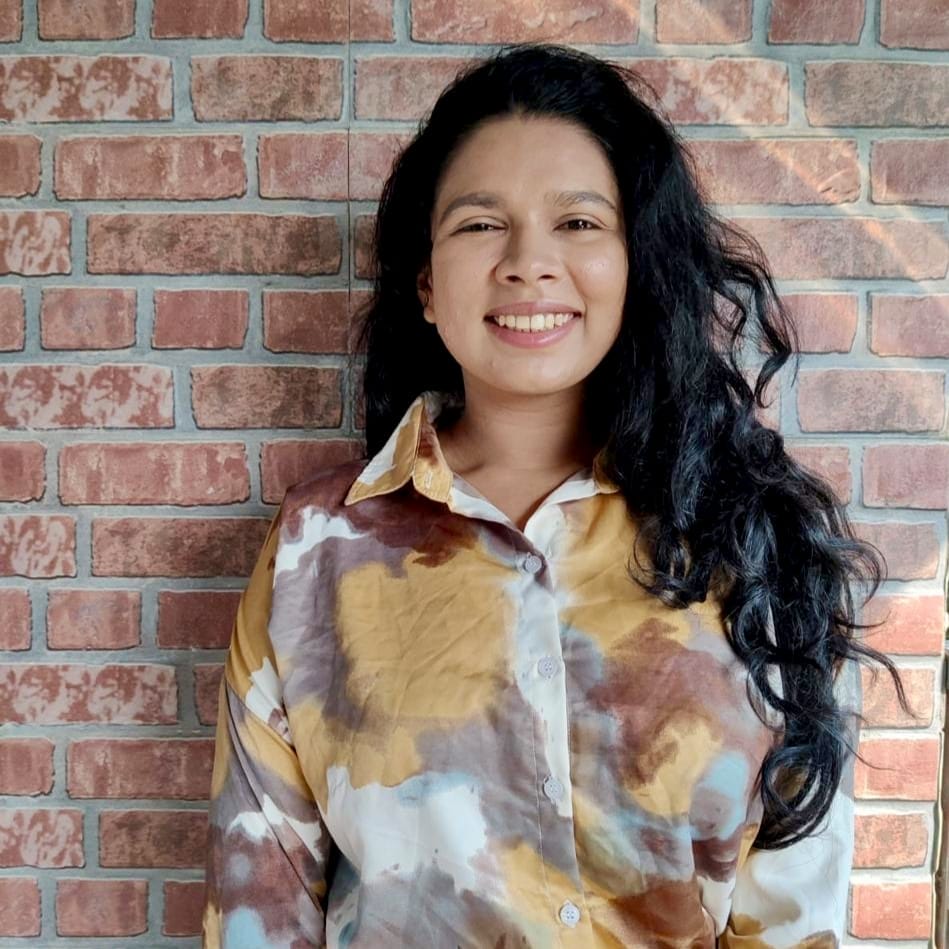
Samatha (Sam) is a communications and programs professional based in India, currently leading communications and partnerships at Mindworks Lab. This international social change agency helps people move from a place of powerlessness to one of agency. With over a decade of experience, Sam specialises in strategic communications, narrative building, and capacity development around storytelling, reporting, and audience insights.
Her expertise lies in audience-informed narrative strategies that drive collective impact, particularly across climate and social change movements. She has worked across India, Indonesia, the Philippines, and Southeast Europe, helping organisations strengthen their communication ecosystems and build compelling, human-centred narratives. Currently, Sam is focused on building narrative ecosystems across the Global South to make climate storytelling more cohesive, collaborative, and powerful, amplifying a collective signal for change.
Discussion on eco-anxiety
In this discussion, Cauviya defines eco-anxiety as an excessive worry about the planet’s future, while Samatha highlights findings that link climate-related events, such as heatwaves, to increasing negative emotions and a decline in overall positivity. Cauviya notes that although awareness of these issues tends to be higher among the privileged, both privileged and marginalised groups experience eco-grief. For some, the inability to act in the face of environmental degradation can lead to helplessness or even suicidal thoughts.
Samatha shares inspiring examples of community-led initiatives, such as Delhi Rising’s heat-relief programmes and a Kochi-based theatre group addressing waterlogging, which show how collective action can influence policy and strengthen solidarity.
Both experts emphasise the importance of coping mechanisms at both individual and community levels, reminding us that healing from environmental distress requires connection, compassion, and collective effort.