On paper, Chennai has 525 parks across the city. But how many of them are in Chennai? And in what state are they presently?
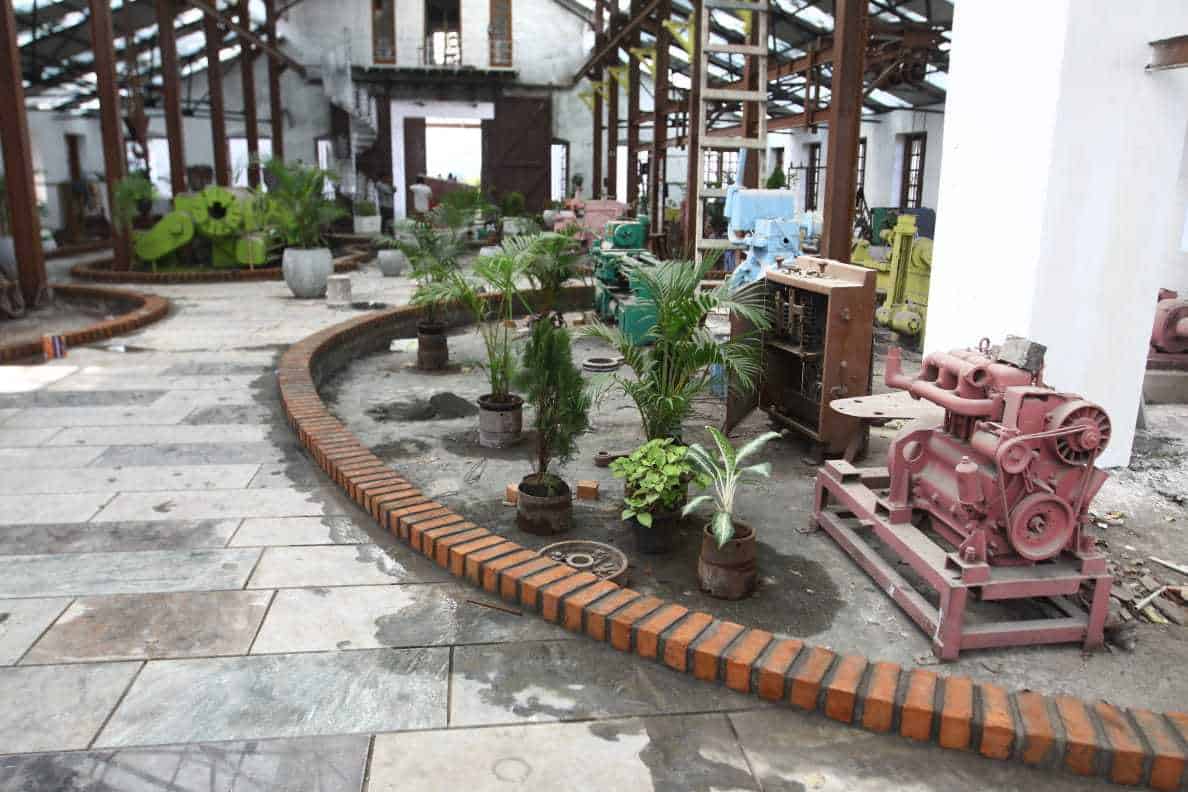
A view of the Washermanpet park. Pic: Bhavani Prabhakar
At a time when the city’s green cover is shrinking steadily, parks in the city could potentially provide an oasis in the midst of the concrete, apart from a much-needed sanctuary and leisure spot for the citizenry. According to data in the public domain, the city has 525 parks though a look at their locations reveals an extremely skewed distribution across different regions and zones.
Chennai is divided into three zones — North (Zones 1 to 5), Central (Zones 6 to 10) and South (Zones 11 to 15). While the central and southern regions have 202 and 204 parks respectively, the northern region has just 117.
Surrounded by several industries including the North Chennai Thermal Power Station, EID Parry, Coromandel Cement and Kothari Fertilisers, the northern region has anyway undergone environmental degradation to a great extent in the last few decades. A majority of the residents in North Chennai are daily wage workers in factories or fishermen, who often toil in arduous or challenging conditions to earn a living. Where do these people, and their children, unwind or spend their leisure time?
We walked through the dusty lanes and salty fishing hamlets in this part of the city to get a sense:
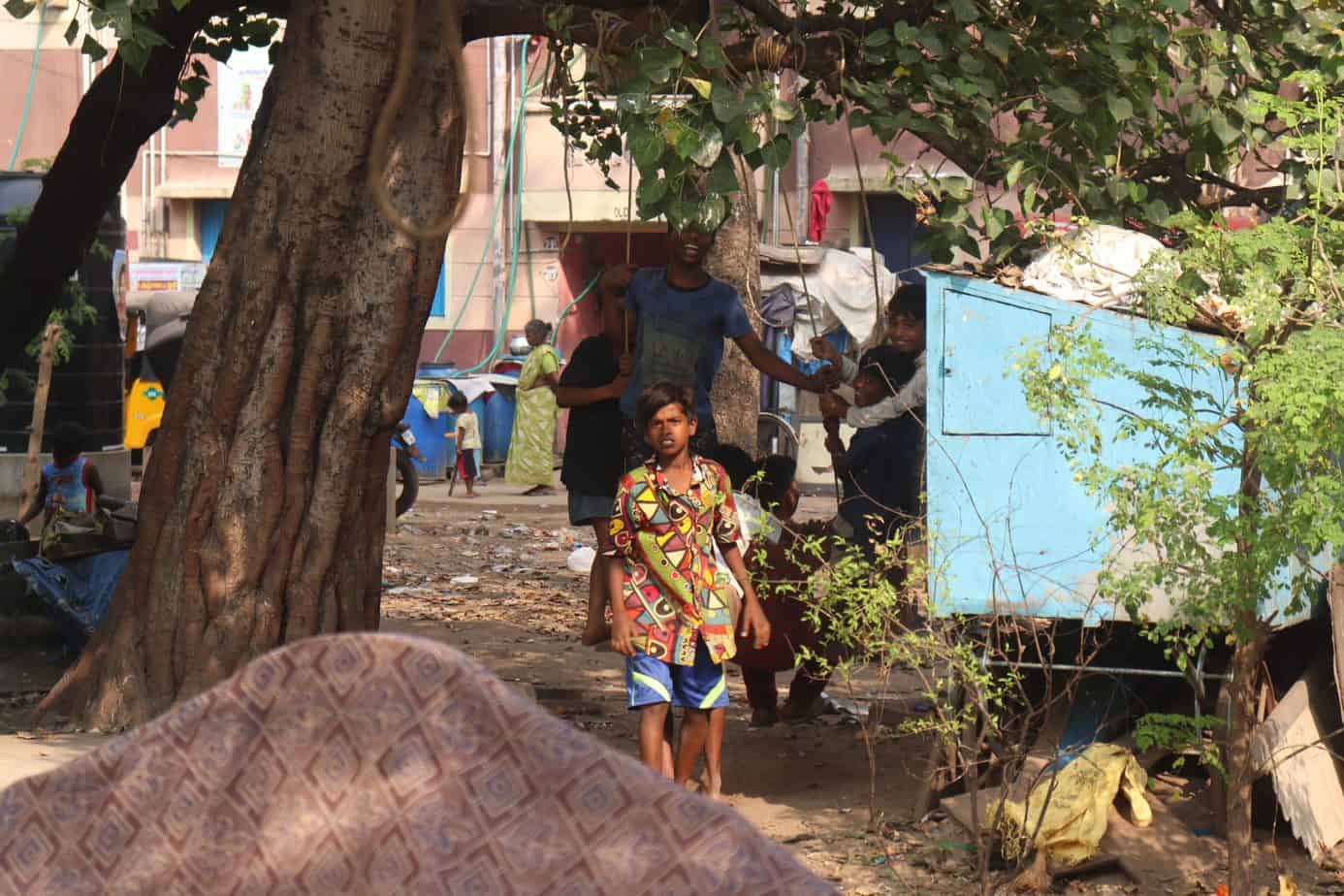
Kathir C is a class 7 student from Kasimedu. “I like to play outdoor games like kho-kho and cricket. However, I am forced to play on the street as we do not have a park or a playground in my locality. Often, there is heavy vehicle movement in these streets, which means I cannot play on my street too,” he says. Pic: Barnabas
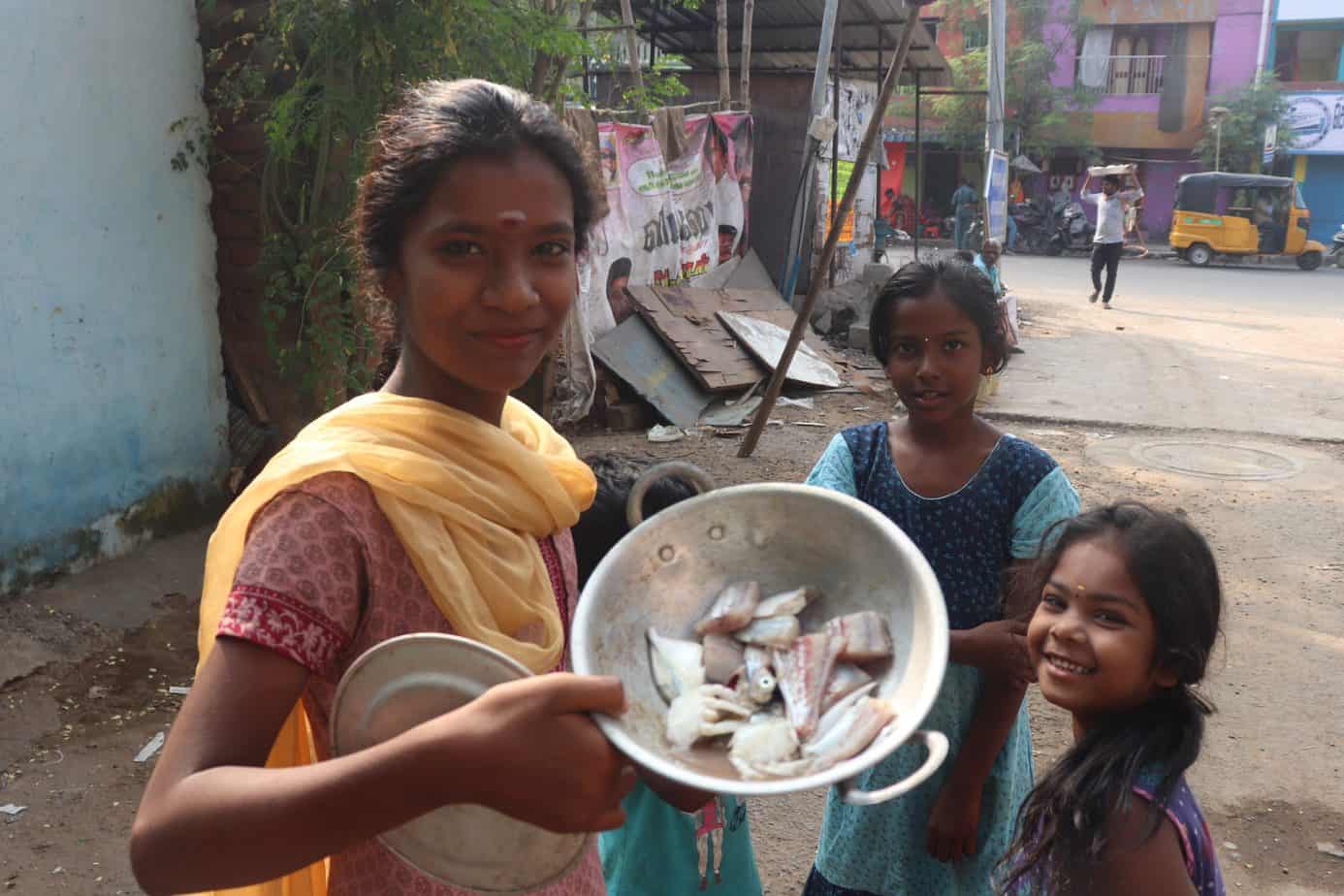
Keerthana S, a class 9 student, is confined to the four walls while children of her age are recommended to play outdoor games. Unfortunately, she cannot afford to play. “My parents are concerned about my safety, so they do not let me play on the streets. All I have is the fresh catch that my father brings home every day,” she innocently adds. Pic: Barnabas
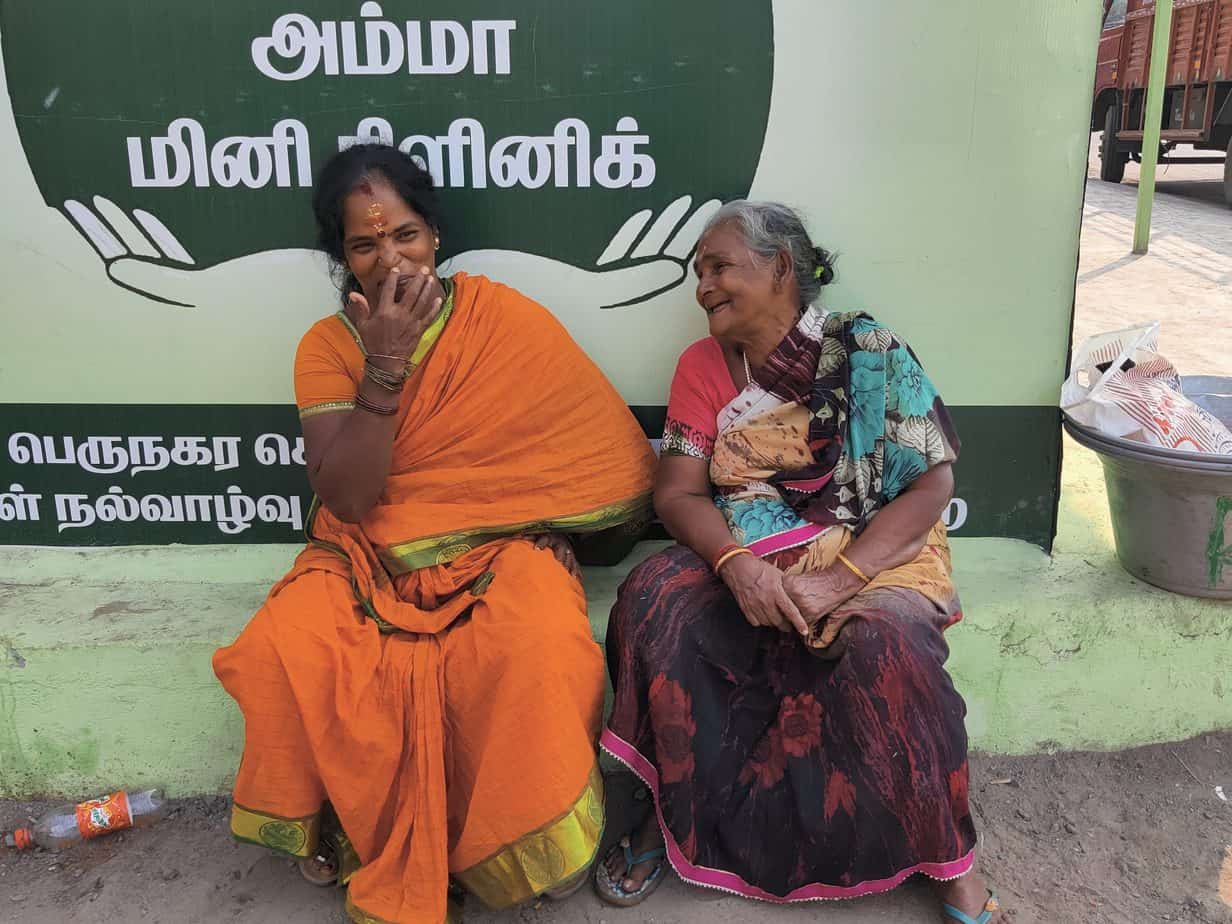
R Kamala and M Seetha are fishmongers from Kasimedu. Kamala’s day starts as early as 4 am as she helps her husband get started with his work, continues with cleaning and selling the fresh catch. “After a long day’s work, we get some time to relax. We do not have a proper park or open space to relax in; there aren’t even enough trees in my street. We end up chit-chatting outside shops,” she adds. Pic: Divishyaa T
Seetha has fond memories of how pristine her neighbourhood was some years ago. “It was not always so heavily congested and polluted. Women and children had ample space to relax and play,” she reminisces.
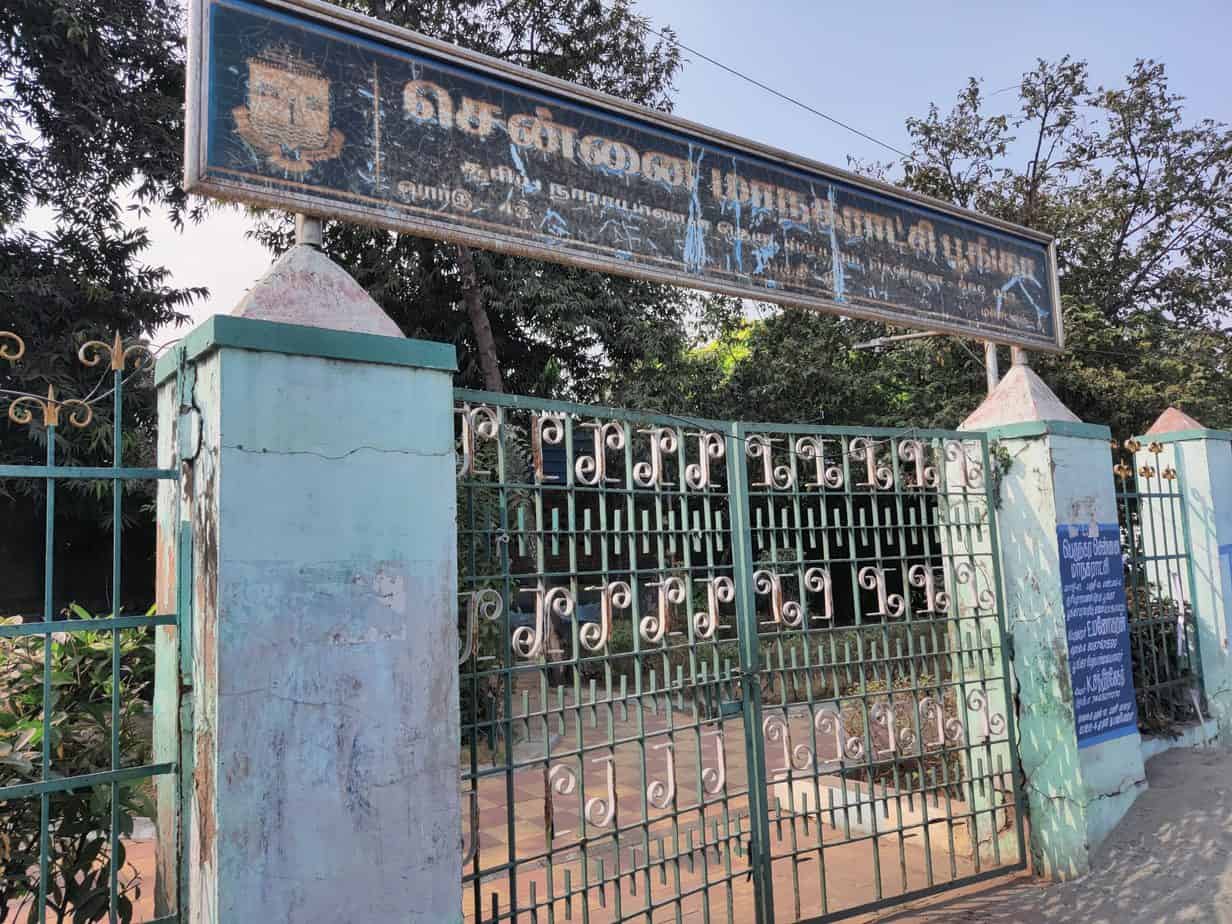
Here is a corporation park in Kasimedu. Why, then, do the residents of North Chennai complain of lack of recreational facilities? “The park has been closed for many months now and no one from the corporation visits or checks on the maintenance of the facility,” says Kamala. Pic: Divishyaa T
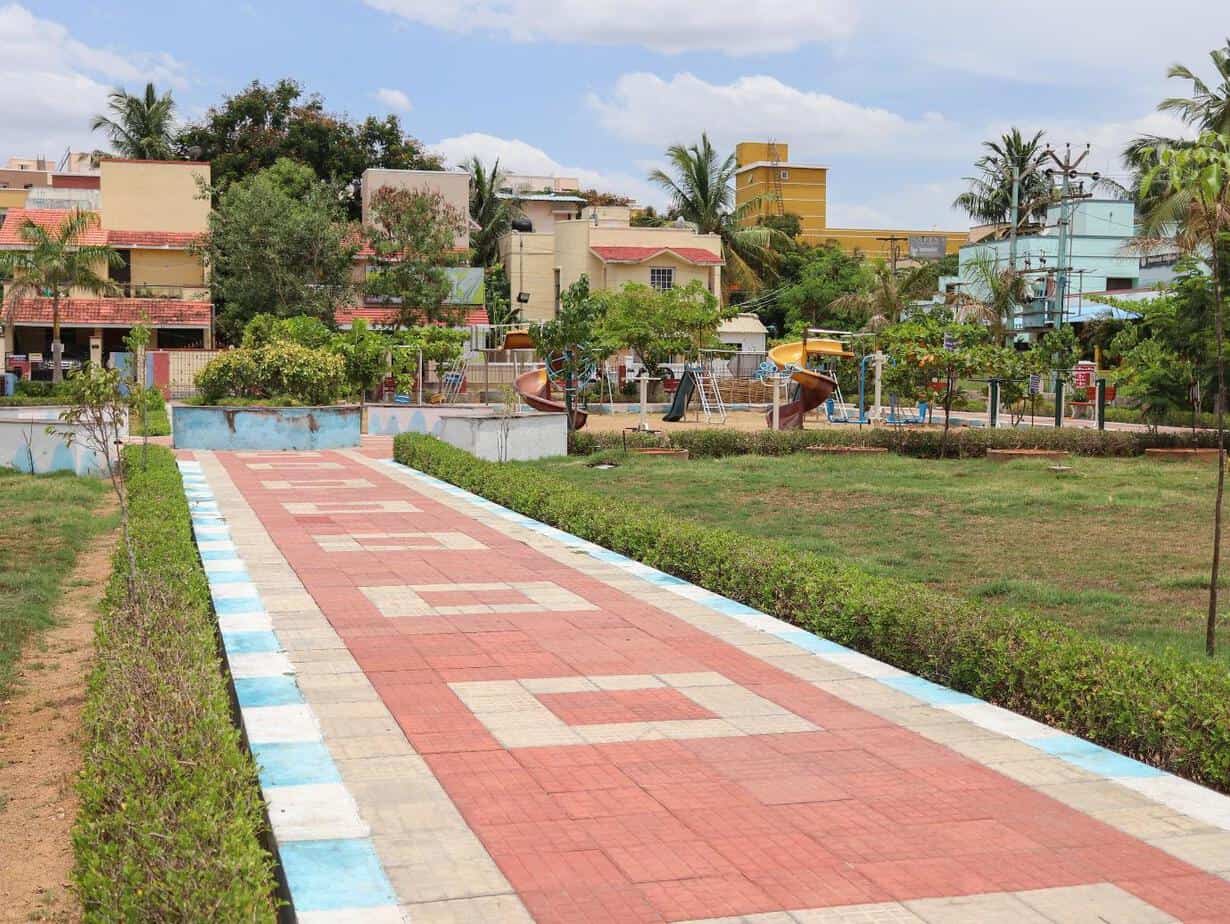
Unlike North Chennai, the southern part of the city is blessed with some pockets of green. This park developed by the civic body in Sholinganallur is one example. A view of the OSR park at Sholinganallur. Pic: Mahesh V
Data from Care Earth Trust, a research organisation, shows that Adyar zone has 30% of Chennai’s greenery, followed by Teynampet and Anna Nagar. But why is there such a disparity between the two parts of the city?
“In general, the citizens of North Chennai are not proactive, due to which development activities are slow in that part of the city,” a corporation official said.
Can the residents of North Chennai expect more parks to come up as the civic body is purportedly trying to increase green cover?
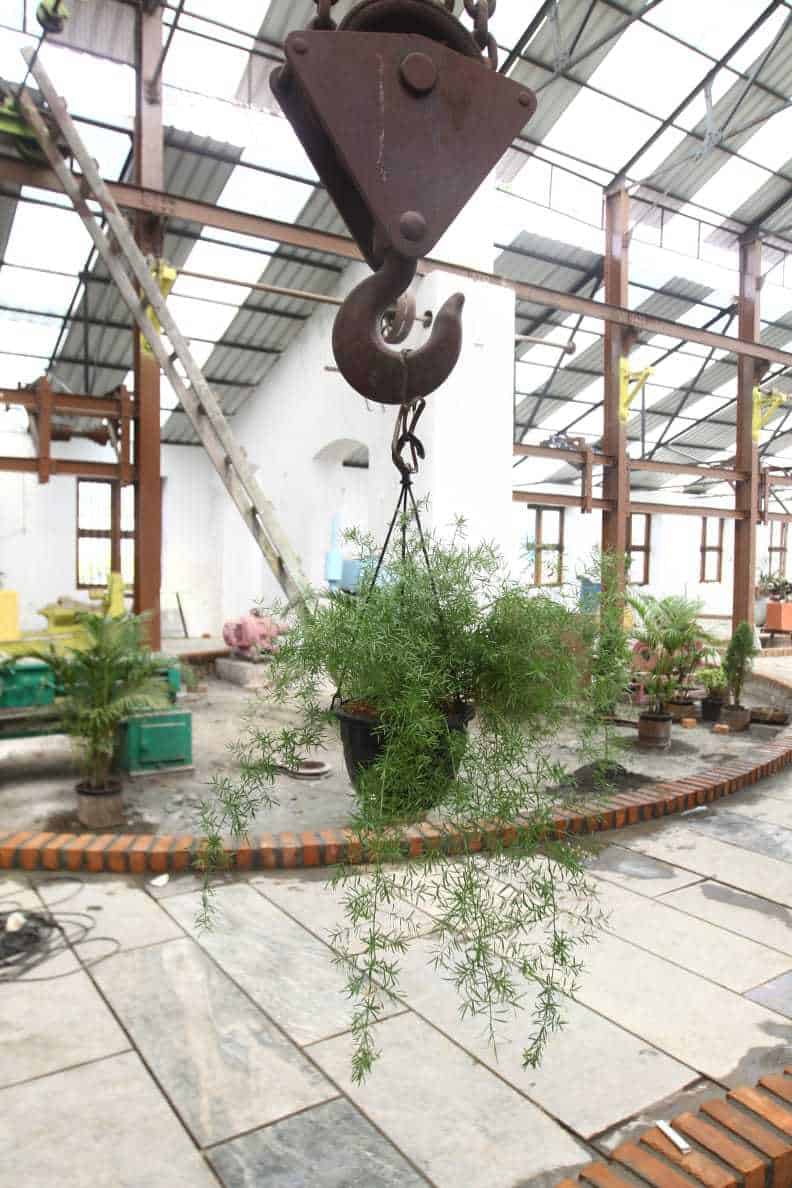
Yes. In what brings hope and joy to the people of the northern part of the city, the State Horticulture Department has set-up a green park in Washermanpet for visitor’s attraction. Pic: Bhavani Prabhakar
Built on a workshop that was unused, the park boasts of a 6,000 square feet lawn with flowering plants and trees. The entry ticket is priced at Rs 20 for adults and Rs 10 for children. Pic: Bhavani Prabhakar
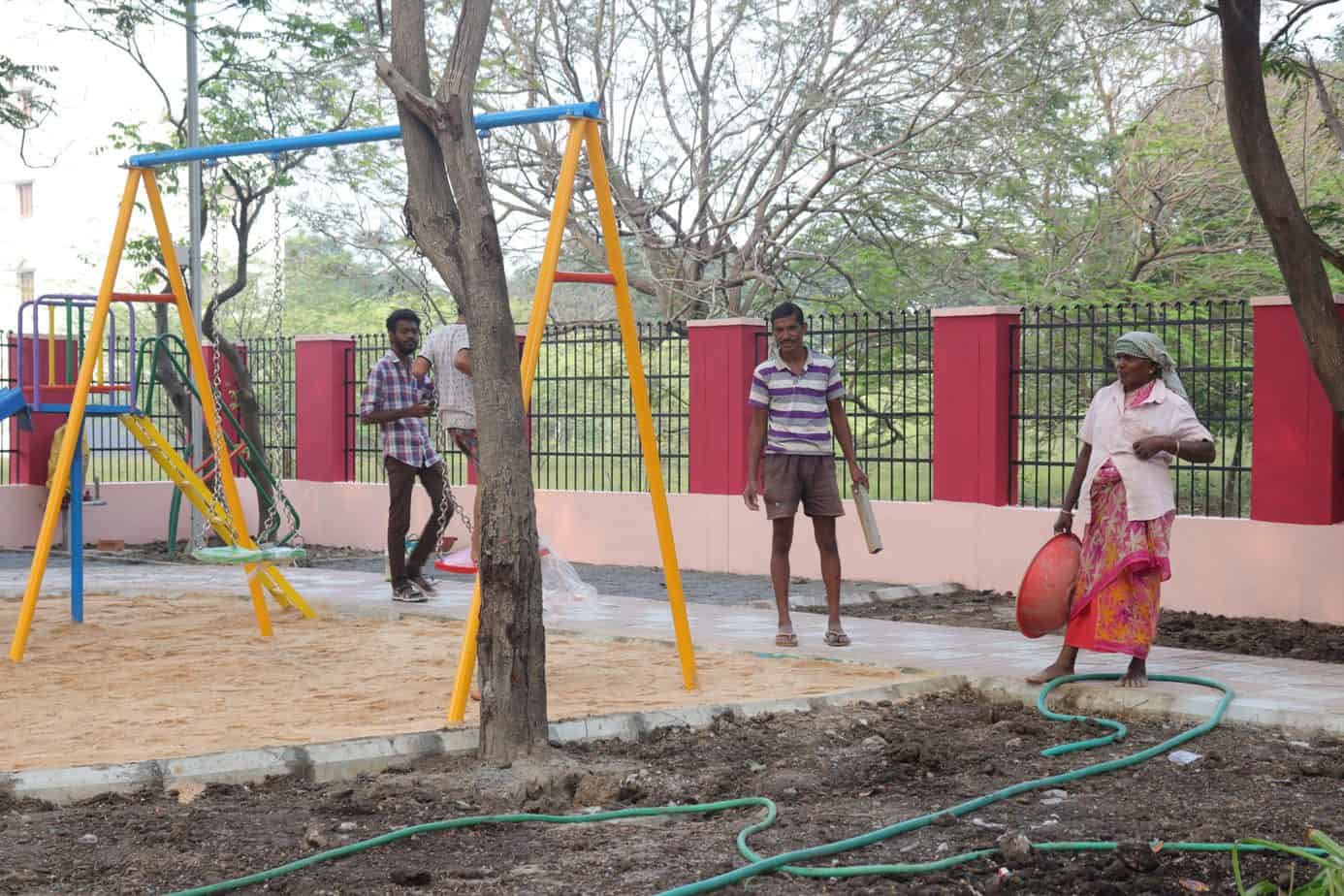
The civic body is also constructing 29 new parks in North Chennai at an approximate cost of Rs 9 lakh. Here is a new park under construction in VS Mani Nagar in Zone 3. Pic: Barnabas
Businesses in the industrial hub pay lakhs in taxes, yet they lack civic infrastructure, despite multiple complaints to the Pune Corporation.
Businesses in Ramtekdi Industrial Estate are expected to manufacture, employ and attract customers, but the basic infrastructure around them tells another story. The industrial estate in Hadapsar is home to small and medium manufacturing units, including businesses supplying Indian companies and exporting overseas. For our unit on Lane 1, getting to work means navigating a road broken into deep craters that fill with stagnant water during the monsoon season. Trucks carrying goods, workers on two-wheelers and visitors to the factory, all have to negotiate the same stretch. The state of the approach has become a problem for the business itself.…
As Bengaluru anticipates its first GBA election, Bengaluru East City Corporation’s residents raise concerns over civic and infrastructure issues.
Bengaluru has been without elected corporators for over six years. While the Greater Bengaluru Authority (GBA) replaced the Bruhat Bengaluru Mahanagara Palike (BBMP) formally last year on September 2nd, elections to the new GBA have been stalled. Citing logistical challenges from the ongoing Special Intensive Revision (SIR), authorities received a Supreme Court extension to hold elections by December 31st. The restructured GBA, expanding from 198 wards to five corporations across 369 wards, faces continuing gaps in solving various ward-level issues — such as solid waste management and traffic problems, poor execution of civic works and funding issues. People believe the…