On a Friday mid-morning in Bhim Nagar, a hillside settlement in Mumbai’s Ghatkopar, a small community room is abuzz with activity. Families stream in, some with children in tow, all carrying sacks filled with dry waste. Volunteers weigh the waste and make a note of the quantity. This bustling scene is part of a waste segregation initiative that Green Communities Foundation (GCF), a non-profit organisation working in sustainable waste management, is running in partnership with the community.
The Brihanmumbai Municipal Corporation (BMC) is responsible for providing solid waste management services in Bhim Nagar, an informal settlement. However, there are major gaps in implementation. Like many informal settlements, Bhim Nagar lacks door-to-door waste collection, and as a result, there is no segregation at all. Recognising this gap, the GCF introduced a community-driven model, mobilising residents to actively segregate their waste.
In an earlier article, we examined a sustainable community-led initiative in a large housing complex. Here, we explore a promising waste management solution in an informal settlement.
Waste management in informal settlements
- According to the 2011 Census, 41% of Mumbai’s population resides in informal settlements. In 2013, the Brihanmumbai Municipal Corporation implemented the Swachcha Mumbai Prabodhan Abhiyan (SMPA) for waste management in informal settlements.
- Organisations were picked by a lottery system and allotted settlements. Volunteers from the organisation were expected to keep the area clean by picking up garbage, cleaning internal roads, drains and toilets. They are paid a small amount for this work.
- But the BMC scrapped the scheme in December 2023, citing a lack of accountability from the volunteers.
- In 2024, the BMC renewed the SMPA scheme, going from a volunteer-driven model to a contractor-based one.
SMPA: Half-hearted implementation
Considering that the BMC already has a scheme in progress in the locality, where does the GCF fit in? Residents of Bhim Nagar feel there has been no improvement, even after the revamped waste management system. As a result, the community initiative was welcomed.
The neighbourhood has over 3,000 households, and within it are smaller communities known as mandals. With BMC’s permission, GCF began in March this year with one such community, the Siddharth Tarun Mitra Mandal. The project gained momentum thanks to the efforts of proactive residents of the settlement.
One of them is Rahul Kadam, the deputy secretary of the Siddharth Tarun Mitra Mandal. As he speaks about the project, it is evident that he is dissatisfied with the way the BMC is handling waste management in the settlement.
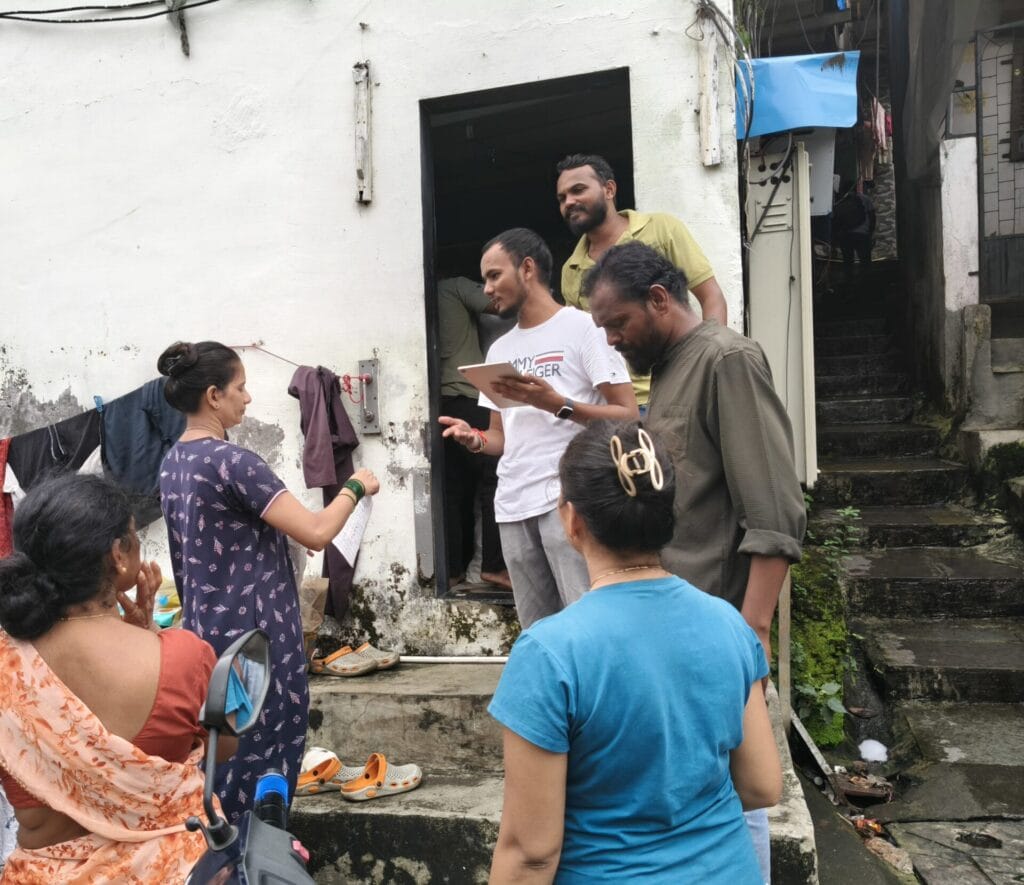
He explains that under the contractor-based model, BMC gives financial assistance to Community-Based Organisations (CBOs) for waste management. But owing to a dearth in the workforce, these organisations only collect garbage from 20% of the households. “The houses up the hill do not get serviced. They throw their garbage right outside their doors or in a dump at the base of the hillock. So, we saw the benefits when GCF approached us,” he says. Residents are still disposing of other types of waste in the dump, which is picked up by BMC.
Read more: Let’s rethink waste: Why cities must move from incineration to cleaner solutions
The first steps
Roshan Jaiswal of GCF says that they first conducted a survey of existing waste management practices. “We observed that mixed garbage gets collected from the houses at the base of the hill. The rest of the households find it inconvenient to come down all the way to throw their garbage in the community dump, so they throw it in the gutters, which get choked up.” Within two months of starting, they had collected one tonne of dry waste. The collected waste goes to the BMC’s dry waste centre for processing.
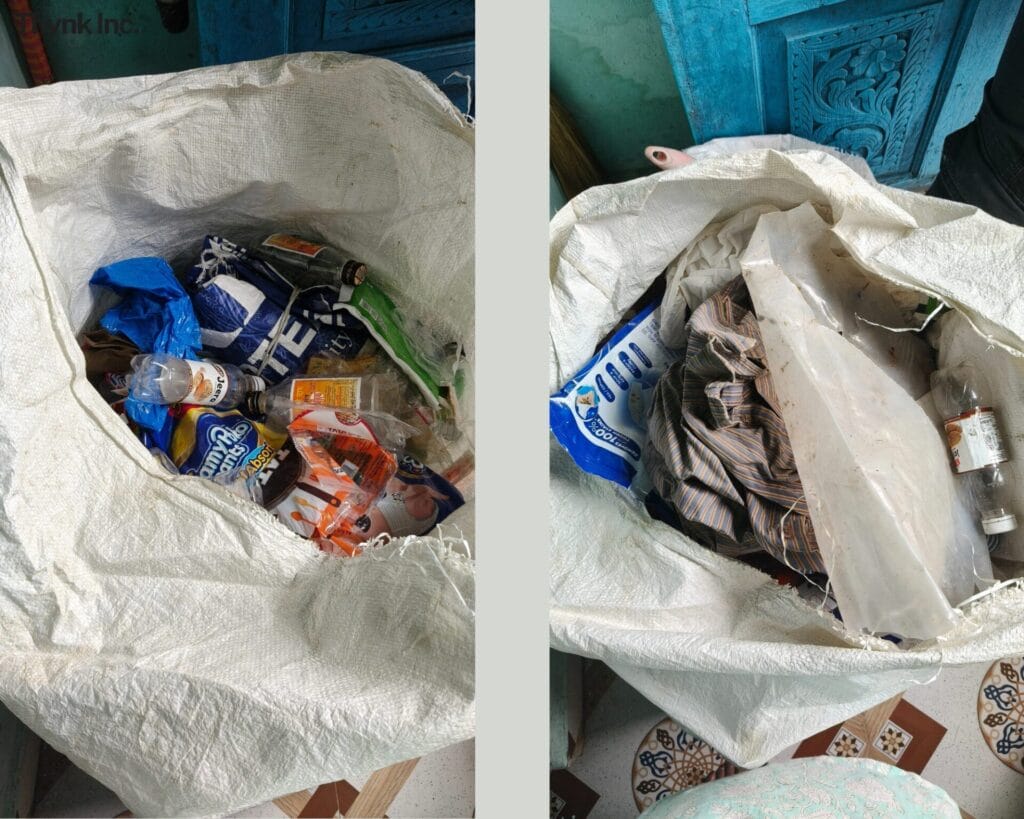
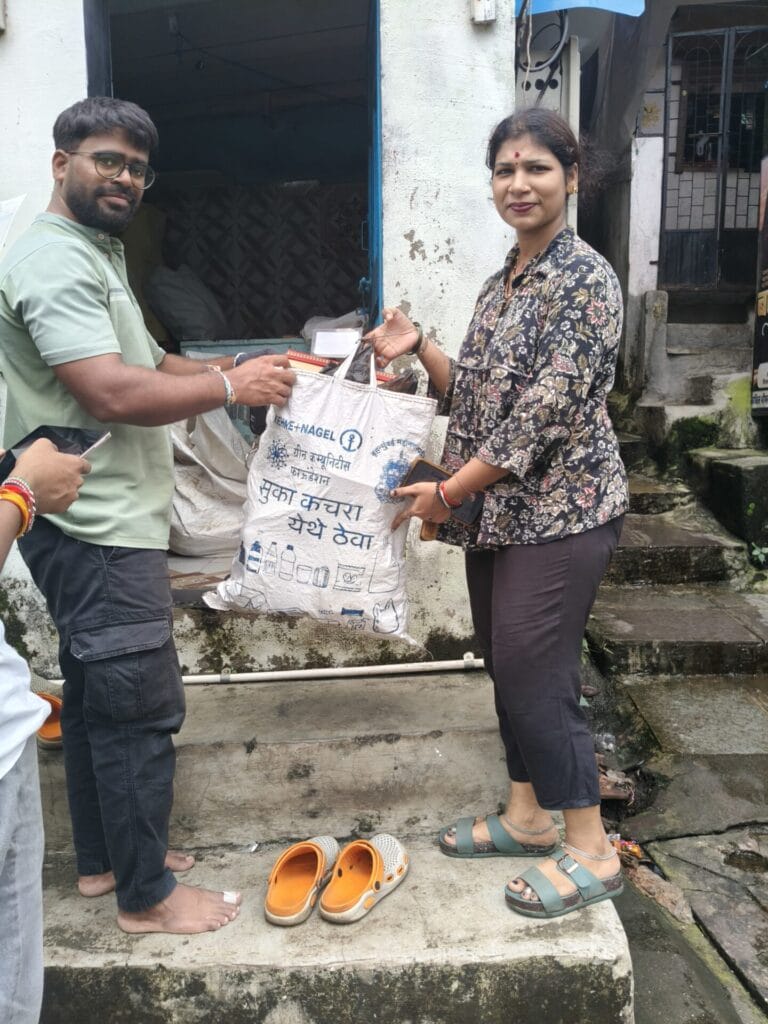
Currently, GCF is working with four mandals: Siddharth Tarun Mitra Mandal, Savitribai Phule Mahila Mandal, Saidham Seva Sangh, and Navshakti Krida Mandal. Dry waste bags have been distributed to 450 households across these four communities.
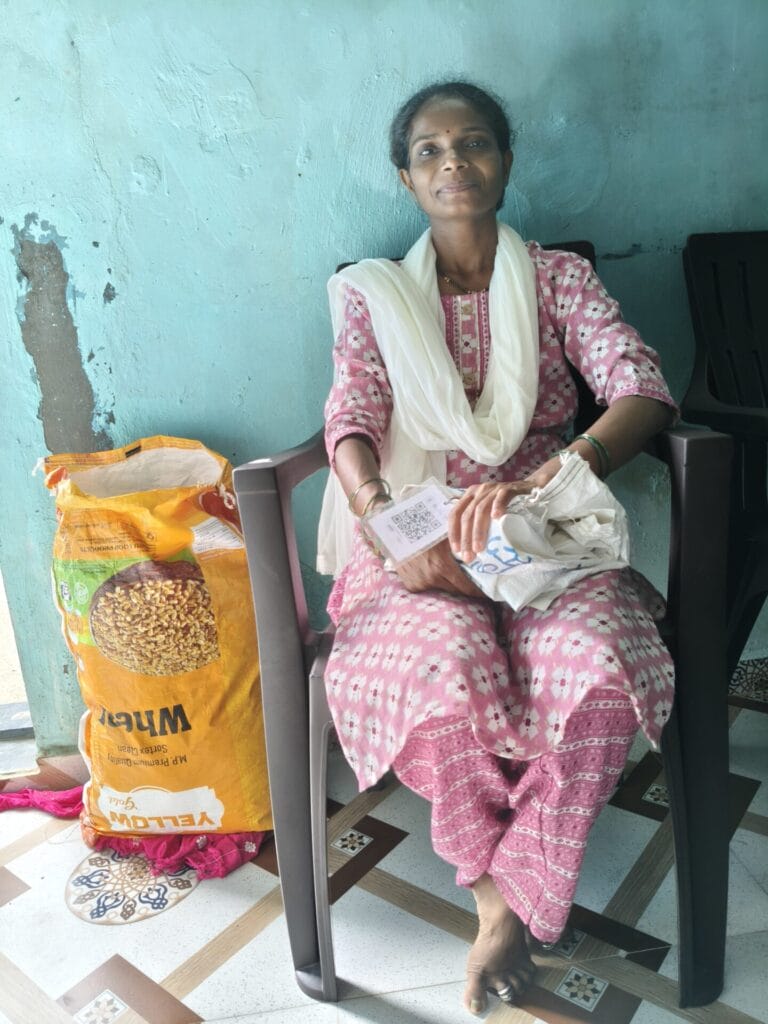
The system is simple. Each household puts its dry waste in the bag for dry waste. Collection takes place from Tuesday to Friday. On the allotted day, residents deposit the waste with GCF employees. The quantum of waste they give is noted on a card, and once they reach a certain milestone, they are given small rewards like soap or stationery.
Trust is a must
Initially, there was indifference to the project. When GCF called residents for a meeting, no one turned up. So, they tried a different approach. They arranged to distribute books to school-going children. When residents came to collect the books, they started speaking to them about the importance of waste segregation.
Yet resistance prevailed, with people wondering why they should segregate when the BMC is collecting mixed waste in any case. It took quite a few door-to-door meetings and explanations of the consequences of mixed waste to convince them. Roshan says that for such a project, community connection is crucial. “Once people trust you and understand the reasons for the project, they stand behind it.”
Janhvi Tambe, a Bhim Nagar resident, who joined the initiative in July, stresses that they do not do this for the small rewards that GCF offers them. Her reasons are clear—this is good for the environment and for people’s health. She adds, “My children are very enthusiastic about segregation. They are getting into this habit because we do it.”
Long-term benefits
Another resident, Sheetal Kamble, who actively participates in the GCF project, has also observed a change in her children’s behaviour. They eagerly collect dry waste, even picking up plastic strewn in their lane. Like Rahul, she also helped GCF ease into the community. Speaking of her reasons for throwing her weight behind this project, she says, “I have seen women throw different types of garbage in the gutters. Then they choke up. How often will the BMC clean the gutters?” She adds that bits of plastic fly up the hillock from the mixed-waste dump and enter their homes.
Read more: Blue for pollution? Why CPCB’s new Waste-to-Energy category raises environmental red flags
Choked gutters mean inundated houses in the monsoon. But this year, she has seen noticeable changes: cleaner surroundings and clearer gutters, keeping the water flowing.
In Sheetal’s experience, only 60% of the people they engage with participate in the initiative. But she lays emphasis on working with them instead of fighting the others. Neighbours who notice her collecting dry waste have gradually joined in.
Making the initiative sustainable
While this model of waste management addresses a huge gap in Mumbai’s ecosystem, sustaining and expanding it requires that the reins be taken by community members. Currently GCF organises the pick-ups via a CSR project. Kedar Sohoni, the founder of GCF, says that their ultimate goal is to make this a self-sufficient system. Two people from the community who have the community’s ear as well as the interest and resourcefulness to run the project have already come forward, says Kedar.
But the challenge is in making it financially viable so that operational costs can be recovered. He suggests three ways: sell the dry waste, charge the members a small user fee and channelise the BMC-allocated resources efficiently.
In the diverse urban landscape of Mumbai, one model cannot fit every system. Waste management and decentralisation models have to be tailored to suit each community.
Also read:
- Explained: The five big problems with India’s Waste-to-Energy plants
- Invisible workers, visible waste: Bengaluru’s waste pickers struggle without recognition
- Tackling plastic pollution: Can the Draft Plastic Waste Management Rules fix India’s packaging problem?