Special buses to be operated for Pongal
In view of the Pongal festival, the Metropolitan Transport Corporation (MTC) will run 450 special buses from the city to six bus stands, from where mofussil buses will be operated. The special buses will be in operation for three days from Friday (January 12) to Sunday (January 14). Similarly, to facilitate the passengers returning to the city after the festival, an additional 50 evening and night buses will ply on January 17 and 18. On January 18 and 19 early mornings, 125 buses will be operated.
Source: DT Next
Ennore Creek to be restored at the cost of ₹40 crore
Ennore Creek, which has faced the brunt of industrial disasters with the latest being an oil spill, will be restored at a cost of ₹40 crore under the Tamil Nadu Coastal Restoration Mission. The mission, also known as Tamil Nadu Sustainably Harnessing Ocean Resources and Blue Economy (TN-SHORE), was launched by the State government as part of the ambitious climate change mitigation mission. The State government, with assistance from World Bank, will be spending a total of ₹1,675 crore over the next five years to enhance coastal biodiversity across the State. This also includes a budgetary allotment for the development of coastal wetlands like Pallikaranai in Chennai at the cost of ₹275 crore.
Source: The New Indian Express
Read more: Floods, oil spill and ammonia gas leak…what other horrors await Chennai’s Ennore?
Harmful toxins found in Chennai’s Veeranam Lake
Veeranam Lake is one of Chennai’s primary sources of drinking water supply. A recent study conducted by the University of Madras and Presidency College that was published in the Springer Nature Environmental Sciences Europe journal on January 2 reveals that the waters of Veeranam Lake contains cyanotoxins above the recommended levels prescribed by the World Health Organisation (WHO). These toxins could be harmful to humans, affecting the liver, nervous system and skin. It could also cause gastrointestinal illnesses. Following the news reports on the study, the Chennai Metro Water Supply and Sewerage Board (CMWSSB) has said that they will send the water samples from the lake to test and verify for Cyanobacteria, the blue-green algae that produce cyanotoxins.
Source: The New Indian Express
Read more: High TDS in water supply affects Valmiki Nagar residents
Chennai Corporation to focus on SWM in FY2025
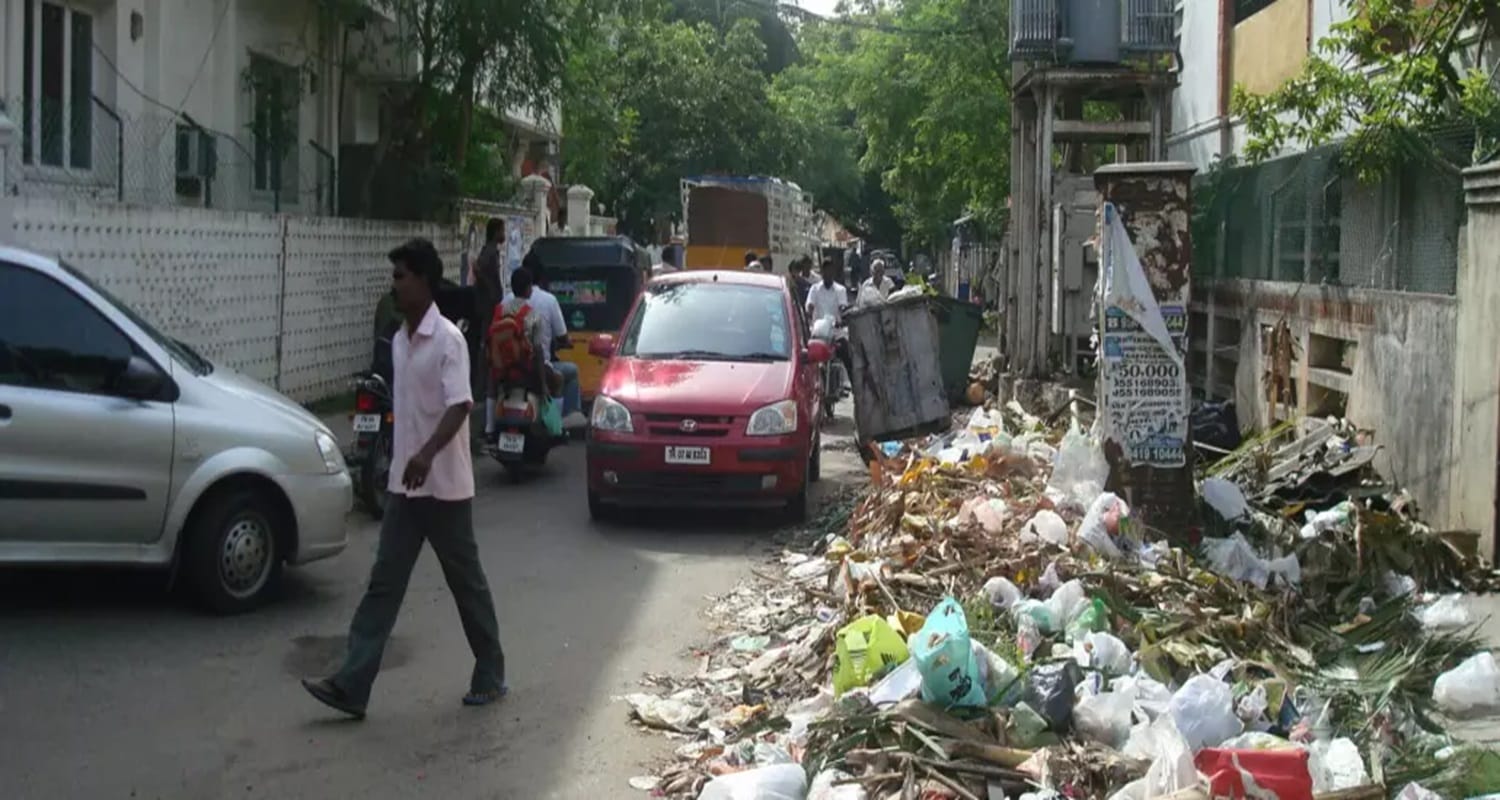
While the Greater Chennai Corporation (GCC) budget for the financial year 2024-25 will give more priority to education, the GCC will also focus on solid waste management (SWM) in the city, said GCC Mayor, Priya Rajan. The GCC has been taking several measures to phase out garbage bins in the city and make all localities bin-less and litter-free. However, there have been several challenges in source-level segregation. The Mayor told media persons that additional funds would be allocated for various projects on SWM.
Source: DT Next
Chennai councillors to be trained on school management
As part of the recently inaugurated School Management Training Programme, jointly organised by GCC and the State Education Department, the councillors of all 200 wards in Chennai are to be trained on various aspects of school management. This includes rules related to Right to Education 2003, the role of the school management committee, curriculum improvement, projects to develop the school and other issues relating to schools at both state and national levels.
Source: Times of India