Coastal road to open in phases from November
The Brihanmumbai Municipal Corporation (BMC) may open Mumbai’s coastal road in phases starting from November this year. However, the project may take another six months to complete after works for the approved revised design, aimed at increasing the gap between two pillars near Worli Koliwada, are pending. Officials state that these delays have resulted in an additional cost of Rs 650 crore.
In 2016, fisherfolk from Worli Koliwada raised objections to the short distance between the pillars of the coastal road, citing difficulties in the navigation of fishing boats. After years of negotiations with the fishers, the BMC finally made a decision in December 2022. The civic body decided to not erect one pillar at Cleveland Bunder, leaving a space of 120 m instead of the previous 60 m.
Source: Mid-Day
Read more: Mumbai’s Coastal Road Project will potentially cause damages: IPCC report
BMC to roll out digital dashboard for public to track roadworks
Mumbai’s civic body announced a digital dashboard to provide people with all information related to roadworks in the city. Officials say the move is to ensure adequate transparency in road concretisation work and maintain smooth coordination between different civic departments.
At present, the Storm Water Drains (SWD) department maintains a similar dashboard, which provides real-time data on pre-monsoon desilting work. Notably, BMC has been facing backlash ever since Chief Minister Eknath Shinde announced the Mumbai Road Concretisation project. The project has been a subject of heavy criticism from the opposition parties. The dashboard will have some data on the timeframe of specified work, details about the defect liability period (DLP) of roads, and the progression of road development along a stretch.
Source: The Indian Express
Mumbai’s sees first heatwave warning for May
For the first time in the month of May and the fourth time this summer, the Indian Meteorological Department (IMD) has issued a heatwave warning for next week for Mumbai, along with Thane, Palghar, Raigad, and neighbouring districts in the Konkan region of Maharashtra.
The maximum temperature rose to 36.9 degrees Celsius on May 11th. The minimum temperature settled at 28 degrees Celsius. The IMD issues a heatwave warning in any coastal city when the maximum temperature crosses 37 degrees in two stations. However, in this case, experts issued the warning since the real feel of the temperature was much higher. The last heatwave over Mumbai occurred between April 18th and April 21st, with maximum temperatures ranging from 37.2 to 38.8 degrees Celsius.
Source: The Indian Express, Hindustan Times
Read more: Mumbai weather report: How hot will it be in April?
BMC to remove 2,200 trees for sewerage disposal plants in Mumbai
BMC’s plans to construct seven sewerage disposal plants in the city will result in the removal of 2,200 trees. The trees will be removed at three plants located in Dharavi, Bandra, and Worli. However, the details regarding the plans for the remaining four plants have not yet been disclosed.
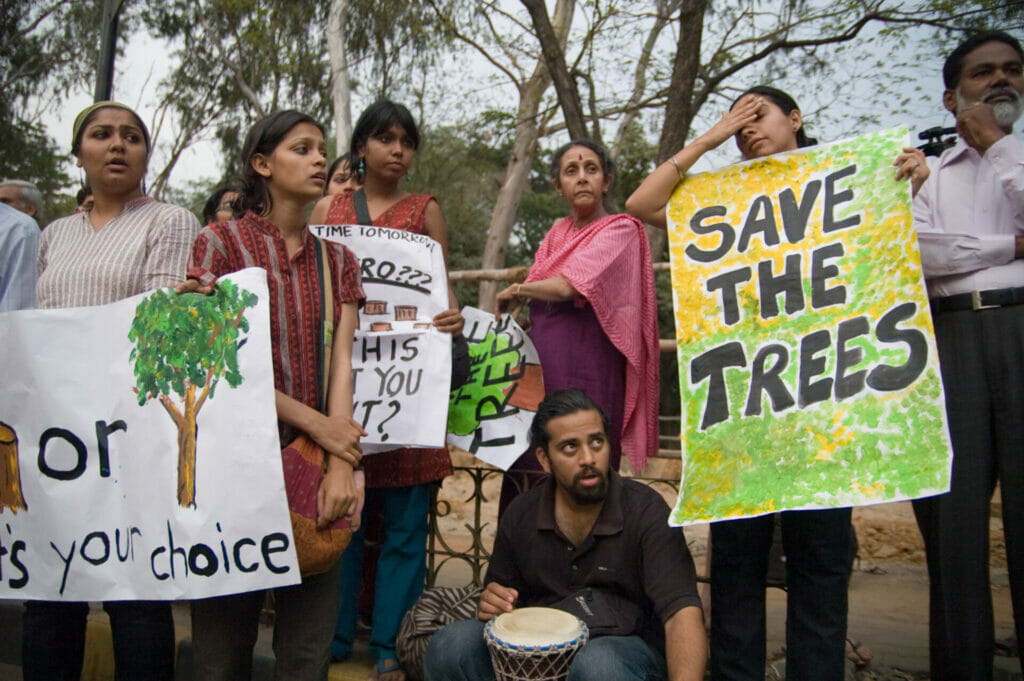
According to a public notice issued by the Tree Authority in January, approximately 1,250 trees are proposed to be removed in Worli, specifically behind the Love Grove pumping station. Out of these, 573 trees will be felled, while 677 trees will be transplanted. Recent notices state that the Dharavi STP requires the removal of 403 trees, with 271 trees set to be cut and 132 to be transplanted. Similarly, 547 trees are earmarked for removal in Bandra, out of which 204 are planned to be cut down. Currently, no permission has been granted for the removal of these trees.
Source: Mid-Day
Maharashtra sees highest number of failed driving license applicants in six years, 25% of them from Mumbai
About 25% (19,795) of the total 76,975 applicants who failed their driving license test held across 50 regional transport offices (RTOs) in Maharashtra last year were from Mumbai and the Mumbai Metropolitan Region (MMR). The state total is the highest in the last six years.
Given the rising number of road accidents, officials have made the process of obtaining a driving license tougher by including questions on the Motor Vehicles Act and other traffic rules. According to data collated by the transport department, more than 1.20 crore people appeared for driving license tests across the state in the six-year period from 2017 to 2022, and out of them, 2.89 lakh failed.
Source: Hindustan Times
Compiled by Eshan Kalyanikar