The Karnataka Animal Welfare Board (KAWB) sits at the nexus of policy and compassion, charged with enforcing the Prevention of Cruelty to Animals (PCA) Act—including its Dog Breeding and Marketing Rules 2017(DBM) and Pet Shop Rules 2023—and the Animal Birth Control (ABC) Rules 2023.
Yet, despite clear legislation, implementation remains uneven. The result is illegal breeding and buying, increased cruelty and a huge impact on not only the state exchequer but also rescuers and shelter finances. Citizens, veterinarians, breeders, kennel clubs, and even government agencies often overlook or misunderstand these regulations, rendering them toothless. Here’s why active outreach, education and enforcement are urgently needed—and how KAWB must lead the way.
1. Closing the information gap among veterinarians
Veterinarians swear an oath to uphold animal health and welfare. Yet, too few receive up‑to‑date guidance on the PCA, DBM and ABC rules. Although they are expected to know, many vets feign ignorance or do not have the time. This gap creates untold cruelty, as dogs’ tails are docked, ears cropped, backyard breeders are tacitly encouraged, and underage young pups are sold without any checks. Although the Animal Welfare Board of India’s Veterinary Handbook 2023 is available, it has neither penalised the vets nor systematically shared it with,
- Karnataka Veterinary Council (KVC)
- Pet Practitioners Association of Karnataka (PPAK)
- Hebbal and other state veterinary colleges
- Government vets and practitioners across AHVS hospitals and clinics.
Why it matters:
Veterinarians are trusted advisors to pet owners and breeders. If they aren’t fully informed, loopholes, such as illegal tail docking, ear cropping or unlicensed sale of puppies, go unchallenged. A handful of unethical clinics that sell unregistered pups undermine the entire profession’s credibility, while the majority of conscientious practitioners lack the institutional support to enforce best practices.
Recommendations:
- Issue a formal circular to KVC, PPAK and veterinary colleges, reiterating statutory obligations under PCA, DBM and ABC rules. Penalise and/or blacklist vets who refuse to follow the law. As of now, no vets have been corrected, penalised, or had their vet license revoked.
- Organise biannual online workshops (e.g., via Zoom) in partnership with local veterinary associations to refresh legal updates and ethical standards.
- Develop and distribute six clear, poster‑style reminders for clinic waiting areas, outlining client guidance on sourcing from registered breeders, the penalties for cruelty and the sanctity of the veterinary oath.
- Institute a mandatory “Animal Welfare Ethics Certificate” that licensed veterinarians sign off on every two years. Publicly display them at their clinics.
Read more: Bengaluru’s Canine Squads ensure well-being of street dogs and the local community
2. Strengthening accountability within the Kennel Club of India
The Kennel Club of India (KCI) and its Karnataka branches wield significant influence over breeders and dog‑show participants. Yet:
- Many breeders use KCI credentials to imply legality, even when they lack the mandatory KAWB breeder’s license. KCI does nothing to address this, choosing to operate within the grey radar.
- In contravention of DBM Rules 2017 (Rules 35–36), dog shows continue to feature cropped ears and docked tails.
- KCI made no effort to encourage breeder members to register under the KAWB or to remind them that breeding is illegal without the KAWB breeders’ license.
Why it matters:
Without clear checks, buyers remain vulnerable to unscrupulous breeders, perpetuating demand for underage puppies and inhumane practices.
Recommendations:
- Send a stern reminder to all KCI branches that no pup may be registered unless bred by an AWBI‑registered breeder—a direct mandate of DBM Rules 2017.
- KCI leadership should issue public statements on KAWB’s platform, acknowledging cruelty‑free show standards and the legal consequences for non‑compliance.
- Mandate that every dog show be notified to KAWB and the local SPCA at least 30 days in advance, with written confirmation that no sales or matings will occur on site.
- Enforce license suspension for breeders presenting cropped or docked dogs at events.
3. Empowering and educating pet buyers
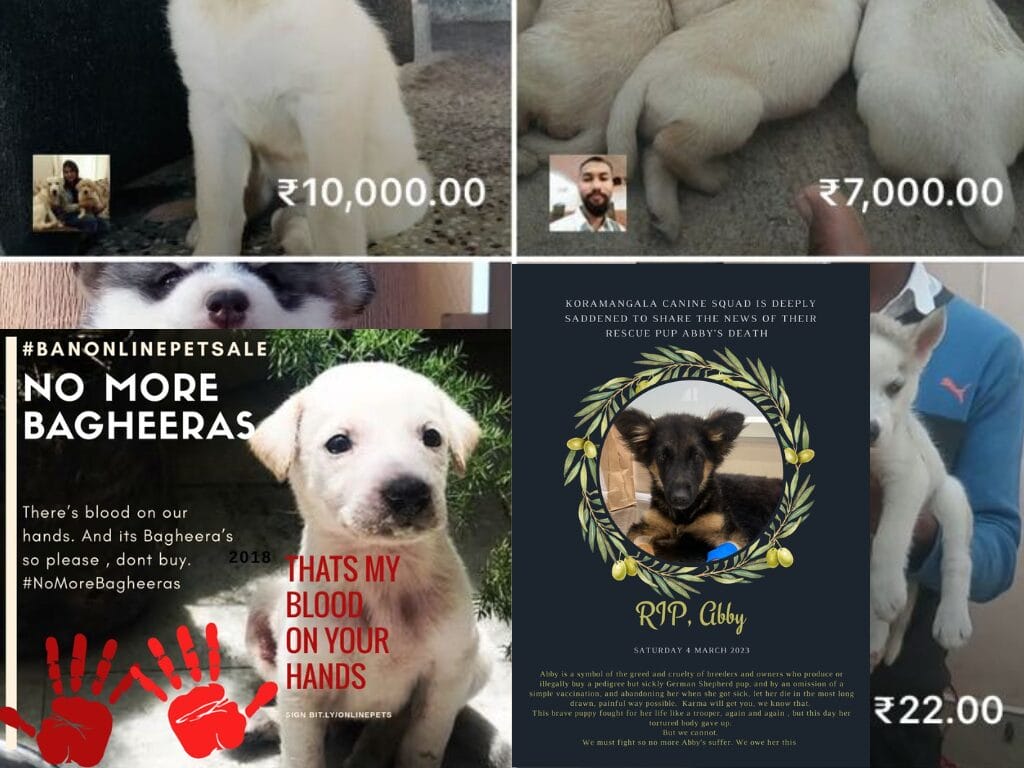
Seven years after DBM 2017 came into force, impulse purchases of under‑60‑day‑old puppies from unregistered breeders still fuel cruelty and abandonment. Many prospective owners simply do not know the law:
- It is illegal to buy a puppy under two months of age.
- Purchasing from an unregistered breeder is an offence under PCA and DBM rules.
Why it matters:
Underweaned puppies often suffer health issues, and many are later relinquished to shelters, overburdening rescue resources and perpetuating a cycle of neglect. With buyers going to illegal breeders, the industry remains active. Ignorance of this law has protected pet owners/buyers long enough, but it can no longer deny culpability.
Recommendations:
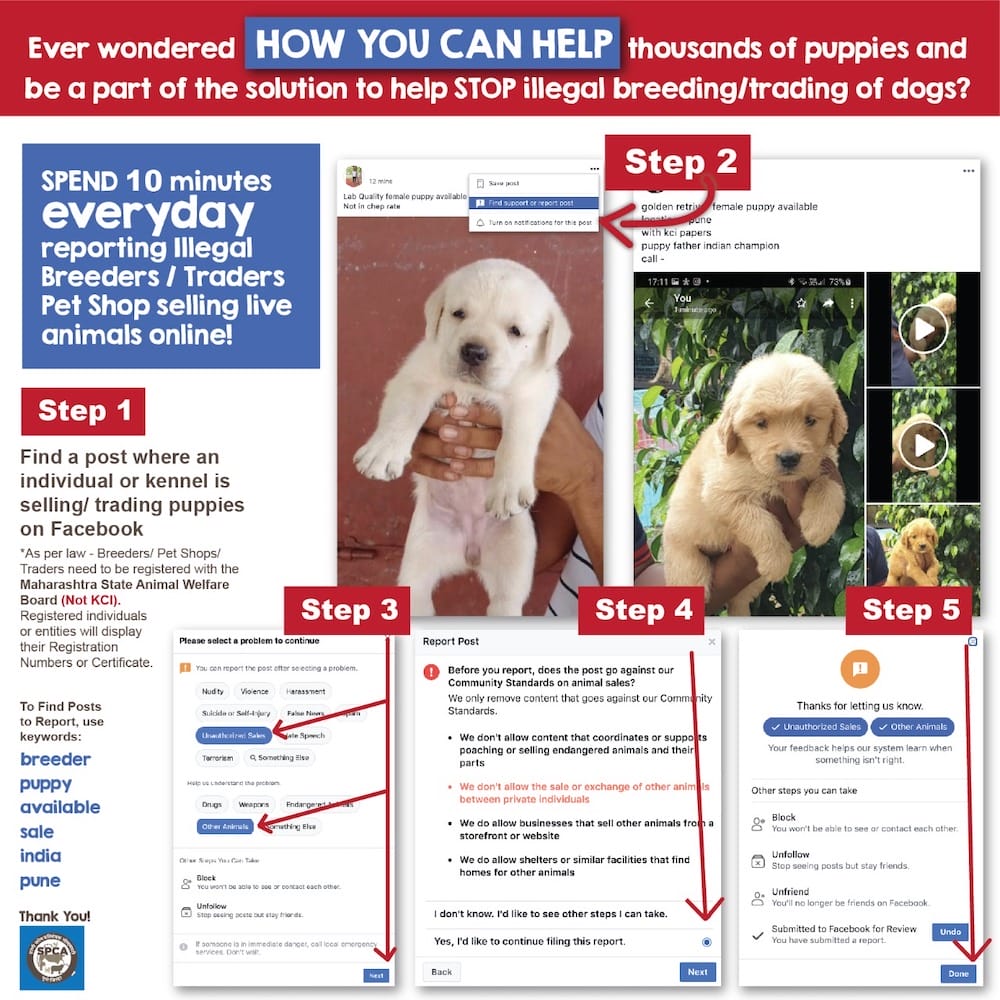
- Launch a state‑wide awareness campaign—via social media, local news and pet expos—highlighting buyer responsibilities and the “60‑day rule.”
- Publish an official directory of KAWB‑registered breeders, accompanied by a downloadable sample breeder’s license to help buyers verify authenticity.There are just a couple of KAWB registered breeders in the state.
- Collaborate with shelters to promote adoption of surrendered or rescued pedigree dogs as a humane alternative.
- Institute spot‑checks and public penalties for purchasers who flout age‑and‑registration rules, sending a clear message that ignorance is no defence.
Read more: Reality of dog breeding in Bengaluru: why State and BBMP need to act now
4. Mobilising government departments for enforcement
Animal‑welfare enforcement cannot rest solely on KAWB’s shoulders. Key civil‐service stakeholders—BBMP police, forestry officials and municipal authorities—also play critical roles.
Why it matters:
Without cross‑departmental coordination, illegal pet shops continue to operate, and backyard breeders evade scrutiny.
Recommendations:
- Dispatch official directives to BBMP police and forestry departments, clarifying their responsibilities under PCA, DBM and ABC rules.
- Incorporate animal‑welfare compliance checks into routine municipal and forest‐division inspections.
- Establish a joint task force—including citizen volunteers—to coordinate raids on unlicensed breeders and pet shops.
- Publish quarterly enforcement statistics—raids conducted, fines levied and licenses revoked—to maintain public accountability.
5. A roadmap for action
To transform letter‑on‑paper rules into real‑world compassion, KAWB must:
- Draft and dispatch strong, legally vetted letters to each stakeholder group by Jun 15 2025.
- Convene a stakeholder workshop—including KVC, PPAK, KCI, municipal authorities and citizen representatives—by Jun 30 2025.
- Launch public awareness initiatives by World Animal Day 2025 (4 October).
- Publish a six‑month progress report by 31 October 2025, detailing outreach metrics, enforcement actions and stakeholder feedback.
By taking these decisive steps, the Karnataka Animal Welfare Board can set a national benchmark, demonstrating that laws without enforcement do little to prevent cruelty. But laws coupled with education and accountability restore dignity to every animal under our care.