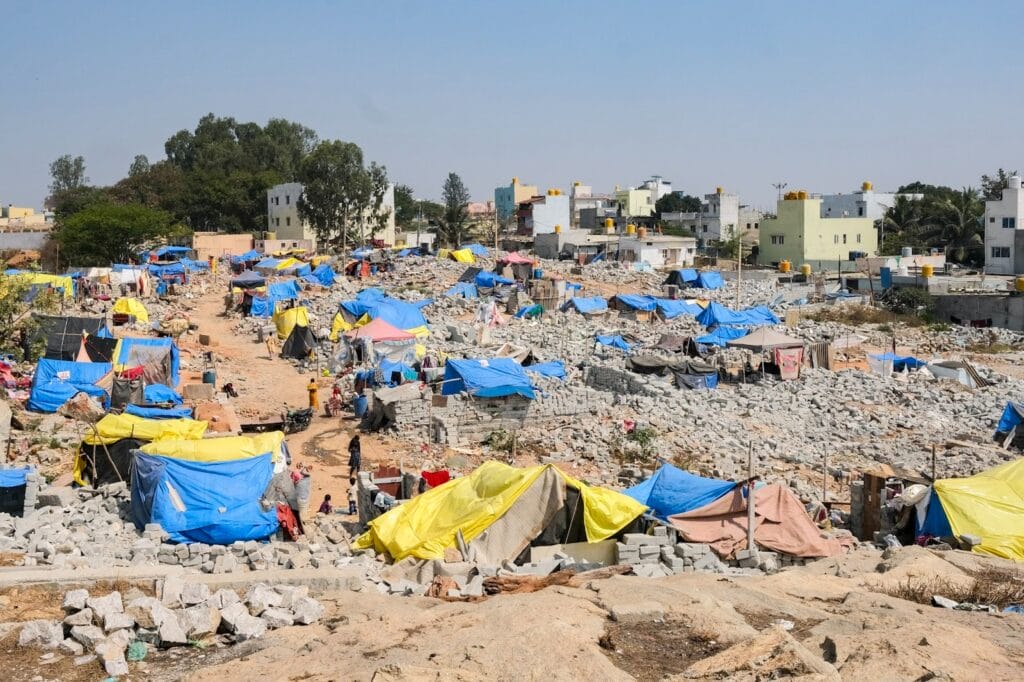
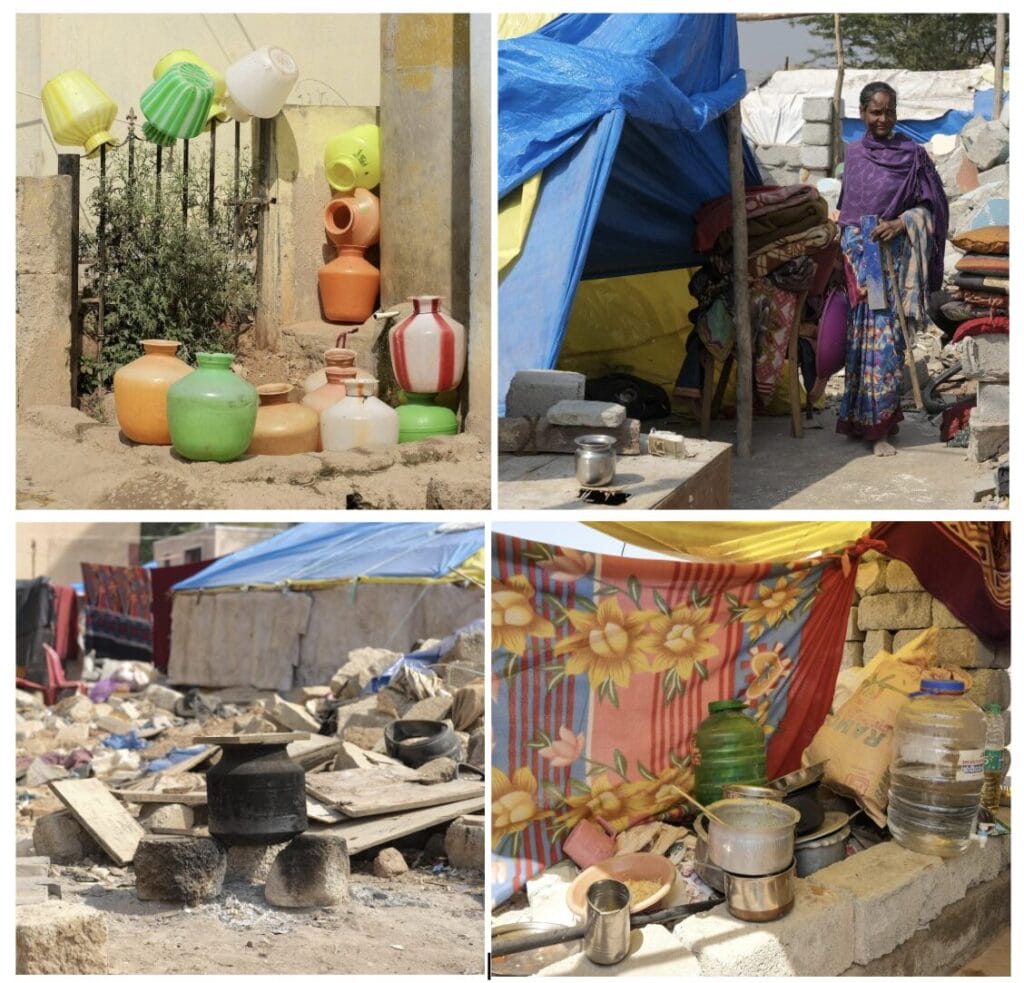
On December 20, 2025, families in Kogilu Layout, Yelahanka, awoke to the sound of bulldozers and their homes being razed. Vessels, bedding, school bags, medicines, and documents lay scattered around or broken. While official figures state that 167 structures were removed, residents and petitioners report higher numbers.
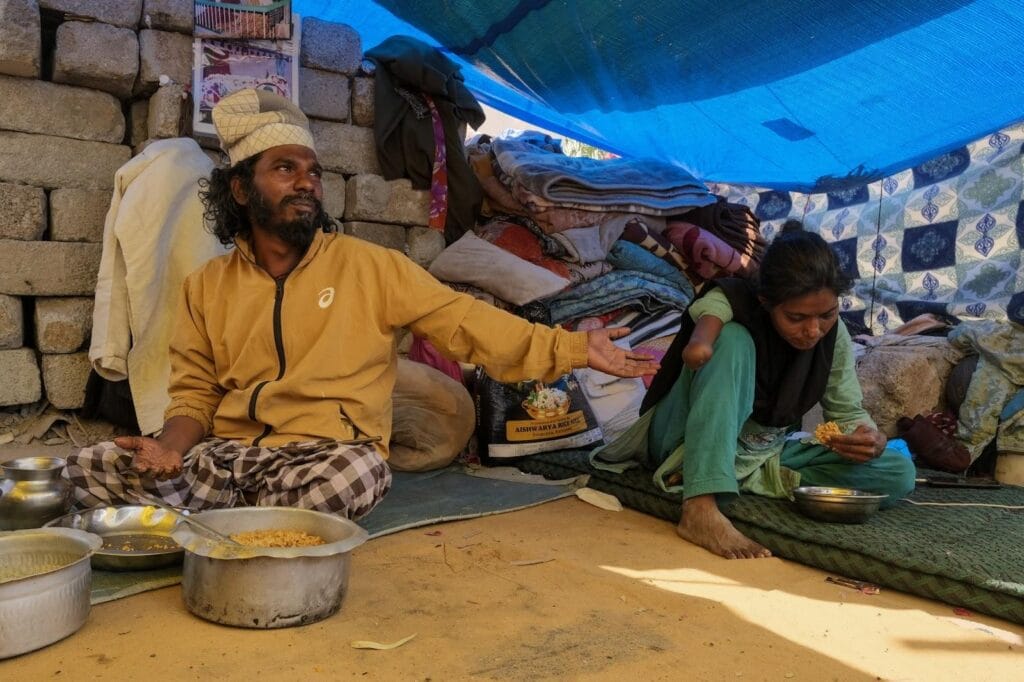
Beside the rubble, families assembled tarpaulin shelters. Residents say that for several days, makeshift solutions for water, toilets, and electricity were arranged and civil society groups provided temporary relief.
Residents and civil-society groups also allege that there was no written notice before the pre-dawn demolitions. In the aftermath, it is unclear where people slept that night of the demolition, how elders endured the winter, and how daily wage work resumed.
The story of Kogilu Layout
Officials state that the site of the settlements was actually designated for solid waste management and that residential occupation risks contaminating groundwater. They stated that the usage of this land triggered the demolition.
The state told the Karnataka High Court that the land was government property, previously used as a quarry and landfill, which shaped the government’s safety and public-health rationale against in-situ retention.
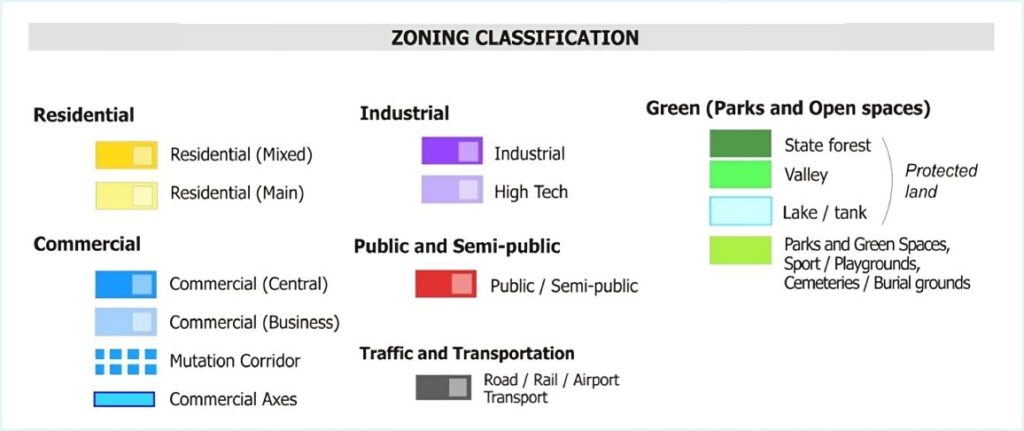
Two Bengaluru Development Authority land-use maps tell a consistent planning story about the site. On the official land record, this parcel does not appear as a settlement, and administratively may be classified as an encroachment. Across time, the land remains outside the residential map.
However, as S Mohammad Rafiq, a resident, says, “We did not know what this land was called. We only knew this is where work is.”
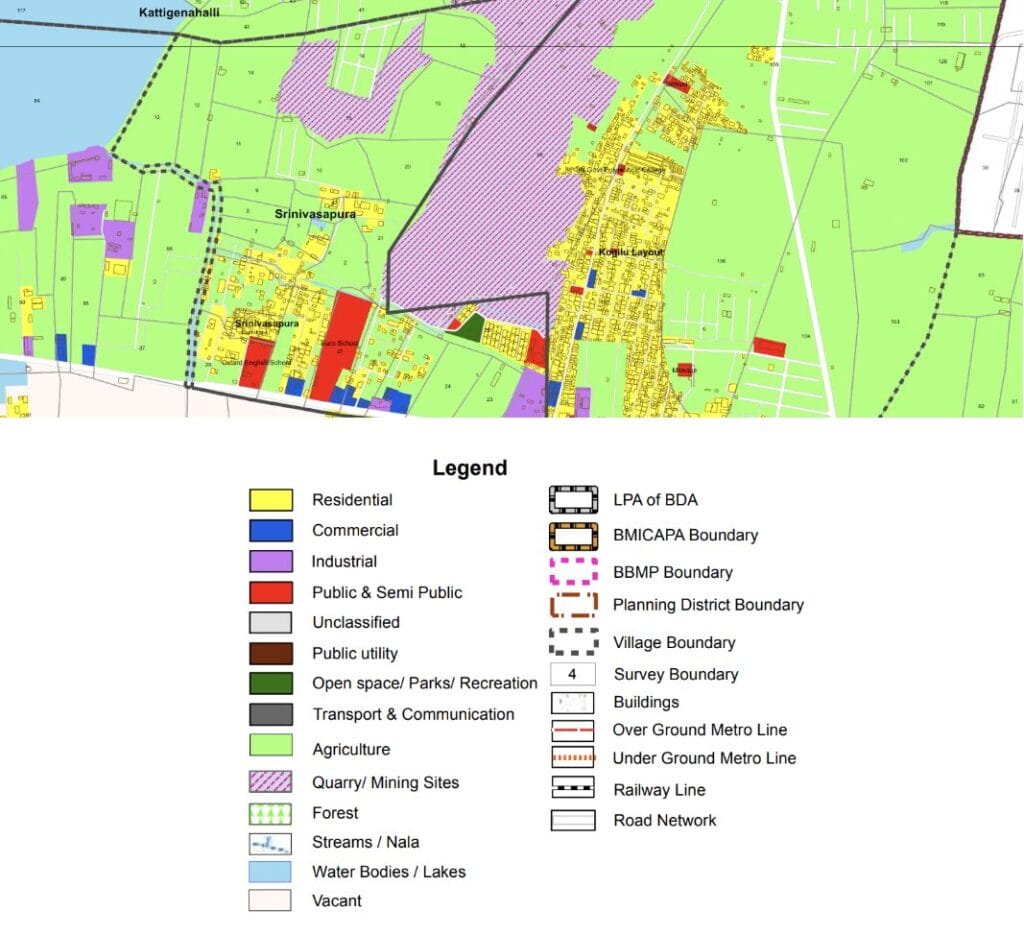
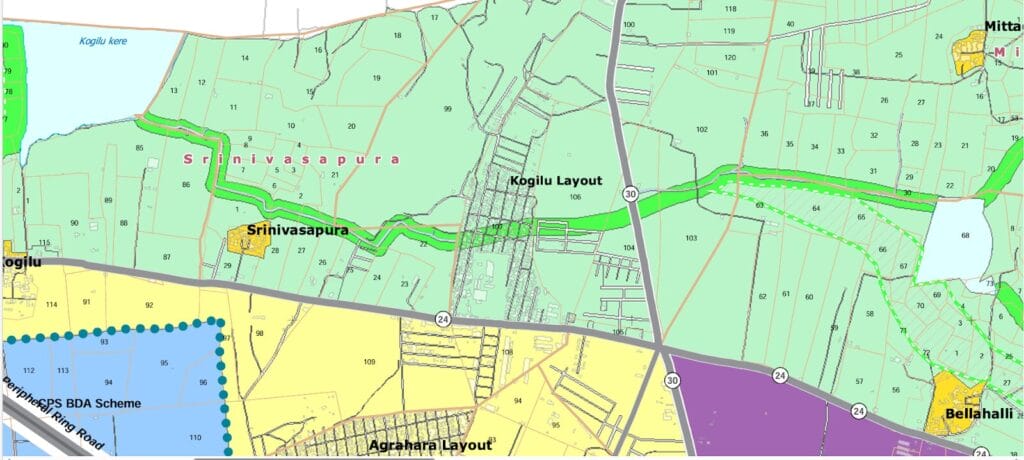
In the ongoing debate over whether to prioritise environmental compliance or human habitation, it is the settlement that bears the brunt. While the state says these settlements at Kogilu Layout are recent, residents assert that they have been living here for more than two decades, with some claiming as many as 28 years on the site. Migrant workers, waste pickers, drivers, vendors, and domestic workers cluster in unnotified settlements like Kogilu, Fakir Colony and Waseem Layout for proximity to work. Many households produce proof of residence in the form of school enrolment records, voter identity registrations and utility or ration slips.
The state presents a different narrative — officials told the Karnataka High Court that satellite imagery and ground surveys indicate the demolished homes were built in the area only recently. A public interest litigation challenging the demolitions and seeking relief is currently pending before the court.
Read more: Exclusions and evictions: Mumbai Pardhi community’s struggle for shelter and dignity
Weak promises, hazy timelines
Following government surveys, the state announced flats under the One Lakh Housing Scheme for eligible families on 29 December 2025. These surveys — which included checks on citizenship status and years of residence — reportedly identified 90 of the 167 structures as eligible.
“Every day is waiting, for news, for lists, for officials,” says Sami Ahmed, a retired BMTC bus driver, who has been living in the area for 25 years. Locals refer to repeated document requests and being told the flats will take time to be ready.
“They told us we will get flats. They did not say where we should stay until then,” adds Lakshmi Bai, another resident. While few families have moved into other informal rentals, most remain near the site because of its proximity to employment networks, schools, and hospitals.
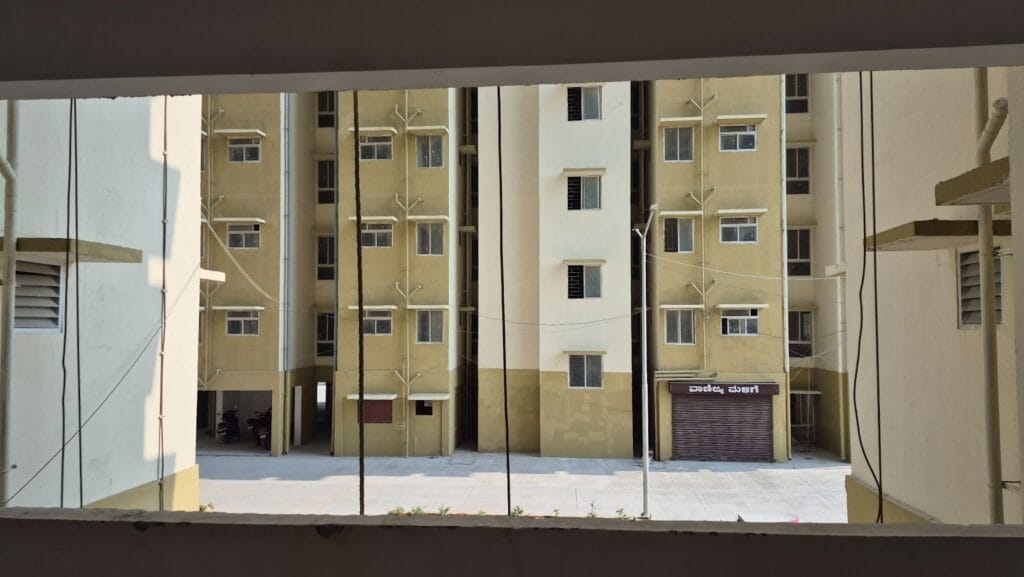
Officials state that the apartments cost around ₹11.20 lakh per unit, with a substantial portion covered through subsidies from the State and Central Governments along with support from the Greater Bengaluru Authority. As a result, beneficiaries are required to pay only the remaining amount through a loan, about ₹2.5 lakh for General Category households and ₹1.7 lakh for SC/ST households.
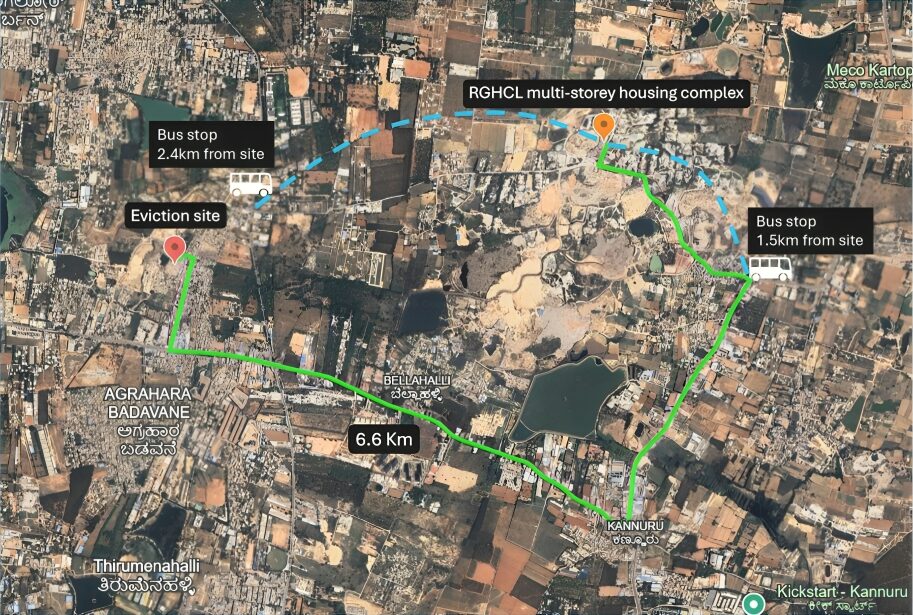
The government has informed the court that rehabilitation land has been earmarked. It may be noted that the housing blocks are G+14 structures developed under the Rajiv Gandhi Housing Corporation Limited and Pradhan Mantri Awas Yojana programmes.
Residents left in the lurch
The PIL filed by three former residents of the layout claims violations of guidelines and due-process norms, and seeks compensation.
The government on its part has contended in court filings that officers had repeatedly invited residents to move to designated rehabilitation facilities and that many refused. It stated provisional relocation sites and food support through Indira Canteens. While temporary shelters with basic facilities were provided by the government, many residents did not move, fearing that the site would be fully cleared if they left altogether.
The High Court has since ordered detailed affidavits and directed independent verification of numbers and relief adequacy. As the case drags on in court, residents remain uncertain about their status and next steps.
Recommendations for the state
- Mobile helpdesks to assist with recovering lost identity documents.
- Provide transport for residents commuting to work and school.
- Display eligibility lists and rehabilitation timelines on-site.
- Draft a clear policy for unnotified settlements that allows basic services without depending only on land ownership status.
- Land, housing, and welfare departments must coordinate to create common maps so that settlements do not fall between systems.
- Evictions to follow a standard process that includes pre-planned rehabilitation.
- Relocation sites must be within a reasonable distance of workplaces and schools.