Mumbai schools to reopen from December 1st
The State government announced on November 25th that physical classes will resume for students from class 1 to 12, effective from December 1st. “After discussing with the CM, cabinet and paediatric task force, the state cabinet has decided to reopen schools from classes 1-4 in rural areas and classes 1-7 in urban areas from December 1. We are committed to the safe resumption of schools,” Maharashtra education minister Varsha Gaikwad told ANI.
Reactions from parents ranged from relief to hesitancy. “We also need to mentally prepare younger children to go to school and it will not be possible within a week. If they call smaller children after a fortnight, I will be happier to send my child to school. As of now, I am not sure if they will be keen,” Dadar resident Shiv Sawant said.
Source: Hindustan Times
Air pollution in Mumbai rises as rain reduces
On November 25th, a slight increase in the city’s air pollution was recorded when rain and thunderstorms withdrew from the city. For the past week, AQI was less than 100, but on Thursday, it touched 145.
Mumbai has witnessed the worst air quality this season, with an AQI of 280 on November 16th. As per the 24 hour forecast by System of Air Quality Weather Forecasting And Research (SAFAR), air quality will remain ‘moderate’ in the city for the next two days.
Source: The Indian Express
Read more: Smoggy, but unfazed: Mumbai needs to take air pollution more seriously than it does
Vaccinated commuters can now book train tickets online
The railways’ UTS app has now been linked to the state government’s Universal Pass portal, so fully vaccinated commuters can book their local train tickets on the app, which is available for Android and ios users. This facility will be available from November 30th.
The Universal Pass was introduced by the state government and is issued to those who are fully vaccinated, after completing 14 days since their second dose. During the pandemic, the UTS app was shut, but has now reopened with a smoother vaccination verification process.
Source: The Times of India
Mumbai malls to open their parking spaces for the public at night
Eight malls in the city will keep their parking lots open to the public at night, to tackle the lack of parking space available between 11pm to 8am. Five of the eight malls will charge vehicle owners on a monthly basis, while others will charge on a nightly or weekly basis.
According to a plan by Brihanmumbai Municipal Corporation (BMC) and the new Mumbai Parking Authority (MPA), 6,500 new parking spaces will be made available. Phoenix Palladium at Lower Parel will have the largest number of parking spaces, over 1,100 spaces, and will charge Rs 3,500 per month.
Source: The Indian Express
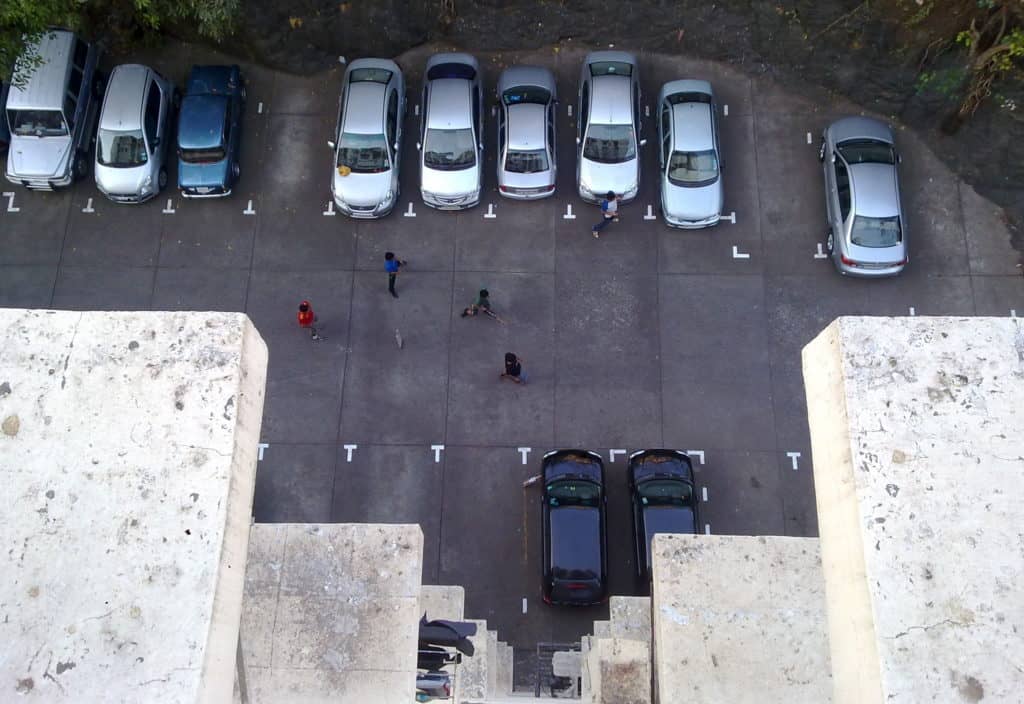
BMC’s error could cost Mumbai its open spaces
BMC is beginning the process to undo several spaces in the city that were marked ‘open’ but were previously granted permissions to be built on. In 2015-16, BMC conducted a survey on existing land and marked vacant plots as ‘reserved for open spaces.’ This was recently pointed out by the municipal commissioner and the state urban development department.
BMC officials attribute this error to lack of communication. In response, real estate experts have claimed that this was done, on purpose, to meet the corporation’s targets for open spaces in the city. “Earlier they would mark open spaces on existing slums, now it is this. This is clearly cheating citizens, and the scam continues as we shall see more open spaces being deleted in the coming years,” an expert told TOI.
Source: The Times of India
(Compiled by Saachi D’Souza)