Invitation for the inauguration of the treated water pipeline from South City STP to Puttenahalli Lake

PNLIT is delighted to announce that a long cherished dream of seeing our neighbourhood Puttenahalli Lake brim with water will soon be a reality!

The Chairman, Karnataka State Pollution Control Board, Dr. Vaman Acharya will be formally inaugurating the pipeline to supply surplus treated water from the Sewage Treatment Plant of South City apartments (Arekere Mico Layout) to the Puttenahalli Lake tomorrow, Sunday 17th May at 10:00 a.m. 

After the pipeline was laid, a trial to check for any leakages was done earlier this month, and it seems that all is fine. We are truly grateful to the South City Management Committee and to the residents for helping us revive and replenish Puttenahalli Lake. On an average we can expect a discharge of 4 to 8 lakh litres of water every day. The treated water meets the parameters set by the KSPCB for urban reuse and will not harm the aquatic lives that the lake supports. 

Water chamber at STP                        Pipeline from STP
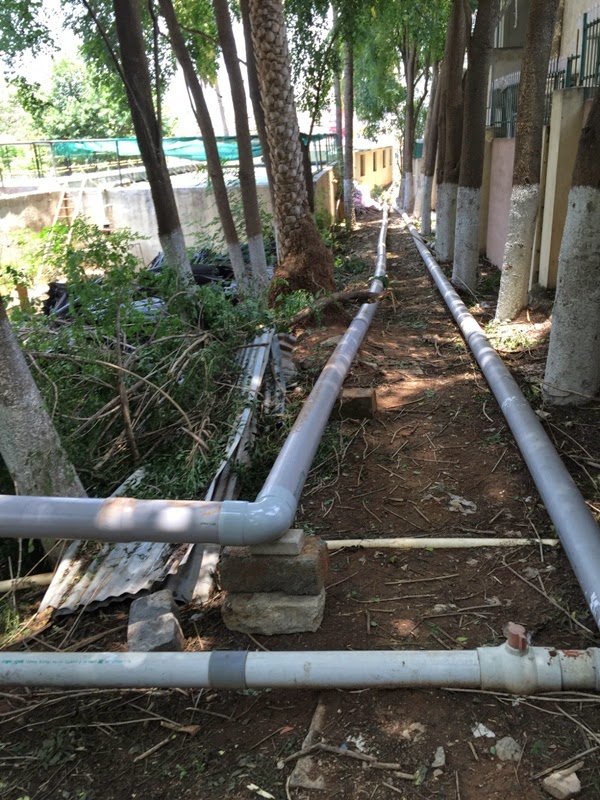
Left pipeline leads to the lake              Water falls into the silt trap
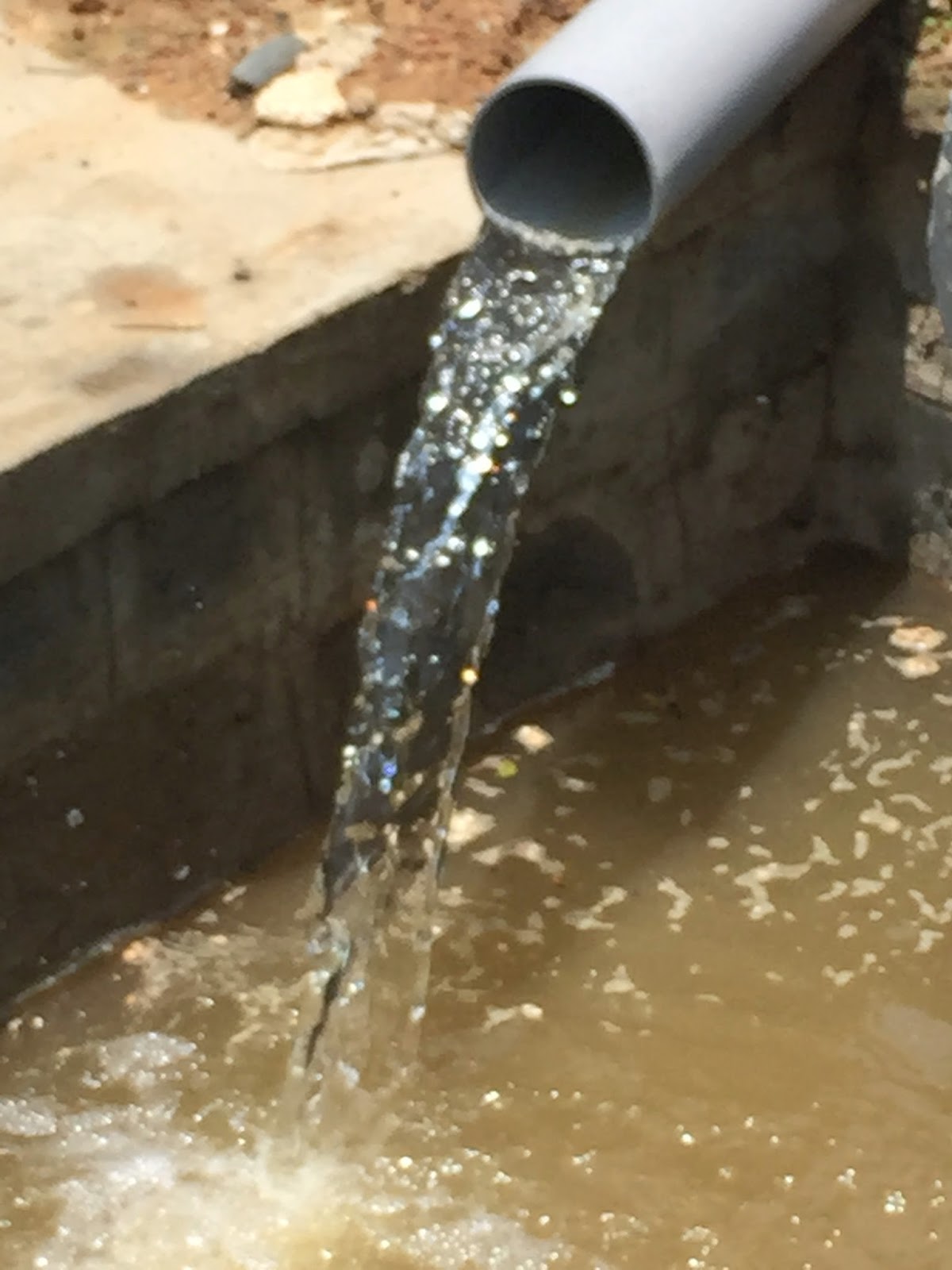
Water flows into the lake, Trial 3-May-2015

It is for the first time that treated water from an apartment complex will be used to fill a lake in the city. More about this project can be read about in an earlier post here

Please be a part of this milestone moment for PNLIT and the lake, by first joining us at the STP in South City at 9:45 a.m. tomorrow, and after this at the lake.

With hope in our hearts
The PNLIT Team

Leave a Reply

Your email address will not be published. Required fields are marked *

Similar Story

Inside Chennai’s AQI: Why hyperlocal monitoring of air quality is crucial

Official data masks Chennai's toxic air. Citizen Matters travelled with the IITM team to map variations in air quality. Watch the video to know more.

Across cities, official Air Quality Index (AQI) readings often overlook local hotspots. Chennai has eight Continuous Ambient Air Quality Monitoring Stations (CAAQMS) that function 24/7 throughout the year. But this isn’t enough to map particulate matter. Air changes every few metres, as researchers from the Indian Institute of Technology-Madras tell us. Seasonal variation, construction, vehicular movement, and proximity to industries also change the air we breathe, In 2022, over 17 lakh people died in India due to air pollution (PM 2.5), according to a Lancet study. With better hyper-local air data and public awareness, citizens and policymakers can target pollution…

Similar Story

Mumbaikars are fighting for their mangroves. Here’s how you can join them

Mumbai is about to face a monumental loss—its mangroves are being cut to build the coastal road. Citizens, however, have not given up the fight to save them.

​“What happens when we remove this natural infrastructure of the city? What happens if it floods? What happens if the air quality (index) goes really high?” asks Pooja Domadia, a member of the Save Mumbai Mangroves campaign. These are questions that many Mumbaikars have as work begins on the Versova-Bhayandar Coastal Road, which is set to affect 45,000 mangrove trees. In March this year, the Supreme Court dismissed a petition challenging the Bombay High Court order to greenlight the cutting of mangroves for the project. Is the SC decision a fatal blow to the movement? The BMC has already begun…