Gharapuri Island in the Mumbai Harbour, colloquially known as Elephanta Island and home to the UNESCO-listed Elephanta Caves, is more than just a historical treasure. Every year, thousands of tourists visit its rock-cut temples, admiring the intricate carvings and the island’s natural beauty. But with tourism comes an often-overlooked problem — waste management. Plastic wrappers, discarded bottles, and a poorly managed waste disposal system have long marred this culturally significant heritage site while threatening its ecological balance.
For years, Elephanta Island has struggled with waste management issues, worsened by its remote location and heavy tourist influx. With no proper disposal infrastructure, garbage often finds its way into the sea or accumulates in the corners of the island.
Additionally, poor water management has led to hygiene problems, particularly in public toilets. These core issues can be tackled by installing sustainable waste management systems, refurbishing sanitation facilities, and actively involving local residents in the conservation process.
Involving the community for change
In June 2024, on the occasion of World Environment Day, Ek Saath: The Earth Foundation, in partnership with the Jawaharlal Nehru Port Authority (JNPA), launched the Gharapuri Elephanta Manthan (GEM) Project to tackle these challenges head-on. The initiative focuses on waste management by harnessing the power of community involvement and environmental awareness.
Read more: Chalo Mumbaikars, let’s get going on waste management, before it’s too late
We first identified the challenges that beset the island. There is a heavy influx of tourists who come to view the rock-cut temples, which in turn leads to the generation of garbage. Recognising the need for bins to collect the garbage, GEM got 58 custom-designed bins installed on the island. In keeping with our ideals of sustainability, these bins are made from multi-layer plastic (MLP).
As a result of these efforts, over 15,000 kg of waste has been collected in just six months. Ek Saath is also initiating the construction of a Materials Recovery Facility (MRF) so that waste can be sorted more effectively and then sent for recycling. Similarly, GEM is involved in the refurbishment of public toilets in collaboration with Rossari Biotech.
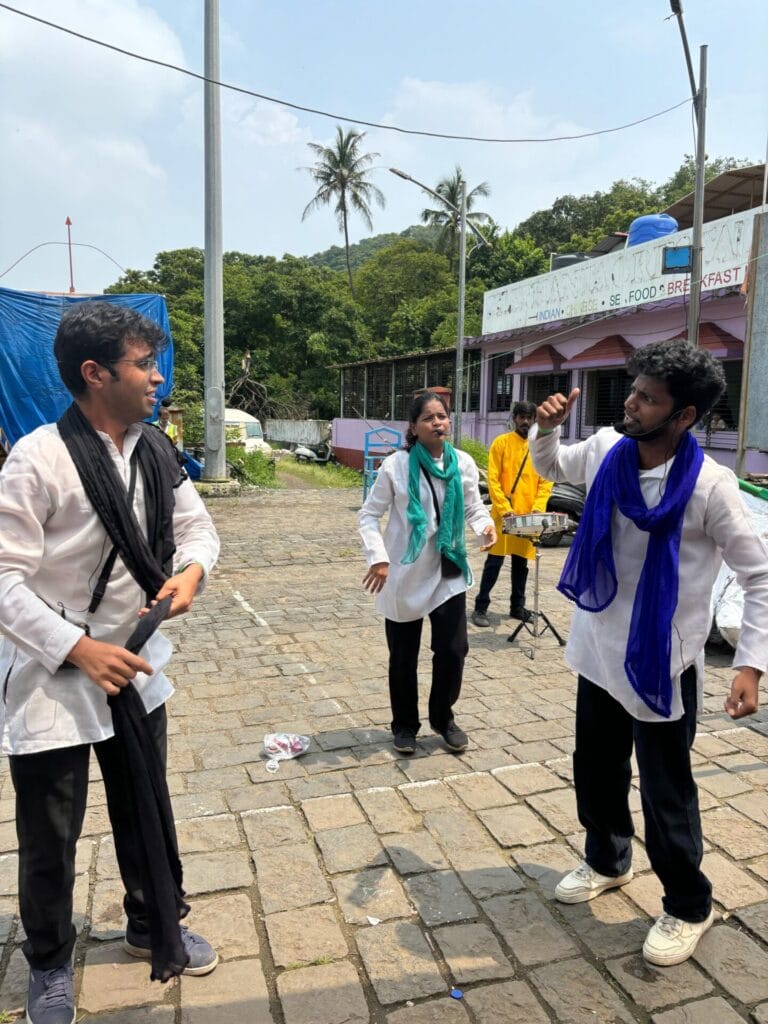
Raising awareness is a key aspect of the GEM project. To address waste generated by tourists, we have conducted interactive sessions for them, such as plays. Local residents, who live and work on the island, are also involved in the waste management efforts and are part of the awareness programmes.
Read more: Mumbai, here is what happens to the garbage you throw out
Volunteers at the forefront
The GEM Project is designed to prioritise community engagement. The project depends on volunteers whom we reach out to and engage through various channels. Students from colleges across Mumbai participate in cleanup activities and awareness campaigns.
Corporates also contribute through their corporate social responsibility (CSR) initiatives, particularly by providing financial and logistical support. Our efforts are also directed at training locals in waste segregation and management, ensuring long-term sustainability.
Challenges and the road ahead
Despite its successes, the GEM Project has faced its share of challenges. Tourist waste peaks during the high season, straining waste management efforts. One of the major challenges is the remote location of the island, which makes it difficult for regular access and increases the logistical costs for the operations. But the team remains optimistic. Plans for expanding cleanup operations, launching more public awareness campaigns, and completing the MRF construction are already in motion for 2025.
Environmental conservation and heritage preservation must go hand in hand. As the project continues, it sets an important precedent — protecting historical sites isn’t just about preserving the past, it’s about ensuring a sustainable future.
For those interested in contributing, whether through volunteering or donations, Ek Saath welcomes support. After all, a cleaner Elephanta isn’t just a responsibility — it’s a legacy.
If you want to be a volunteer, contact: info@eksaathfoundation.com/apurva@eksaathfoundation.com.
Also read:
- Mumbai’s no.1 source of trash: Food waste
- Packaging waste: Why brands and consumers must act together to address the issue