A series of articles around important topics affecting Bangaloreans.
The food on our plate
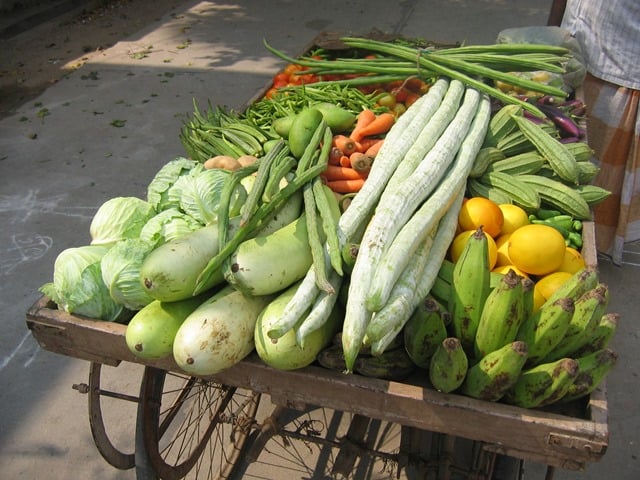
The series is an explainer on sources of our food and growing our own food. Many questions are answered here: What’s the source of our food? Where do our vegetables come from? What does the supply chain look like? Are they grown in safe environment? How are they transported?
How does one know what is organic food? Why does one need organic food? What are the packaging norms? What challenges are being faced by big suppliers of food door delivery?
What are the ways in which one can source or grow safe food? What are the existing business models? What does an organic vegetable garden look like – what do organic home growers say about the methods of growing organic vegetables?
Education and public schooling
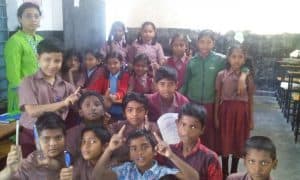
Education, an essential public good, became a business long back. The government passed the Right To Education Act to help poor children got accommodated in private schools, but this became a hindrance in fixing the public education system. The lack of infrastructural and human resource coupled with perceived low quality, public education system looked broken.
Now the government is trying to amend RTE rules to make public schools the first option, and parents are opposing it.
Meanwhile, local groups and organisations in many areas in Bengaluru are trying to help, volunteering in schools. There are also exploring solutions that help public school children learn better.
Job aspirations of the urban poor
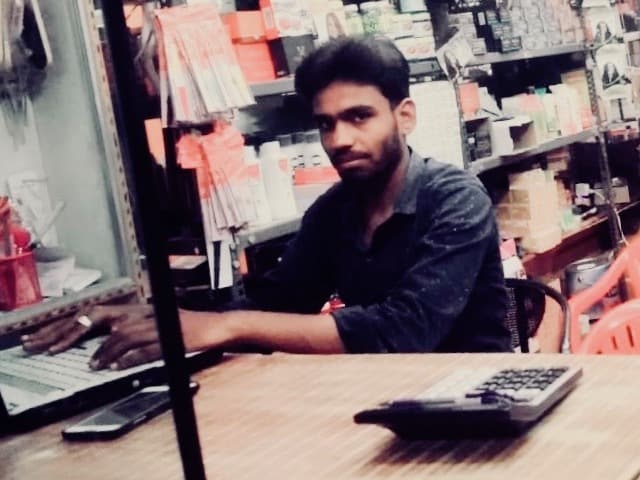
These youngsters’ ambitions face a lot of hurdles – limited opportunities, access to quality education and financial challenges in their homes. Most of their parents work in the informal sector. Their children are now out in the world looking to join the workforce as newly minted high school or college graduates. How does their lack of privilege translate into reality for them?
These are people with skill sets that don’t match the jobs they want. In a constant battle between the reality and dream, these youngsters battle an uphill task everyday. How can that employability gap be bridged?
The skill gap

Employment data shows that jobs have become scarce and graduates are finding it hard to get placed. Where exactly does the problem lie? How are industries and academia dealing with this? What is the government doing? This series of articles explores the skill gap and if the industry-academia partnership can help.
Bengaluru’s loss of vegetation and initiatives to green the city
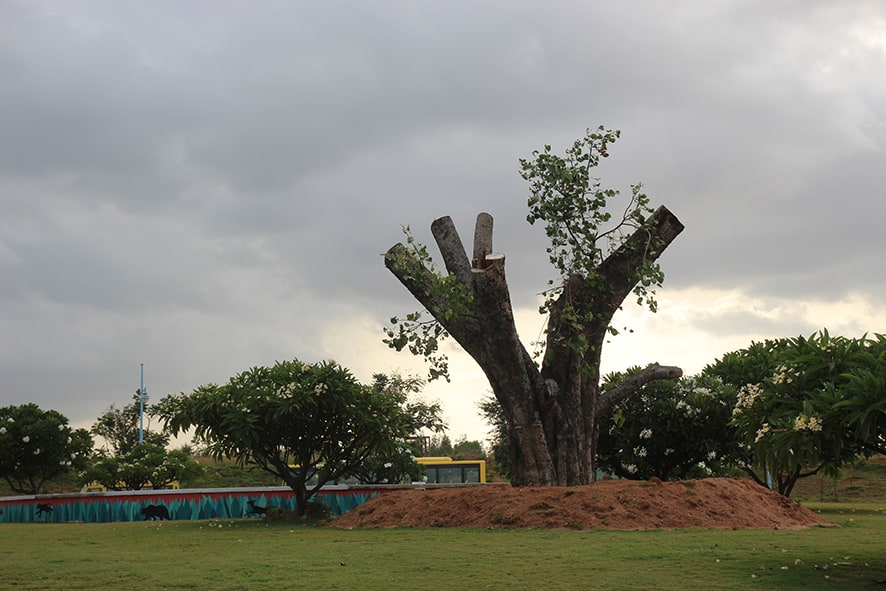
As Bengaluru’s built up area increased and trees lost to infrastructure projects, we see heat, pollution, flooding and more. But our citizens are not sitting back impassively, but pitching in to do their bit; People as well as organisations like Saytrees and Afforest are doing whatever it takes to green the city
More
- Interview with SG Neginhal, former forest officer who used science, common sense and community engagement to green the city
- Interview with Dipika Bajpai, Deputy Conservator of Forests who is now focused on getting back the forest land
A discussion at the Bengaluru International Centre explored solutions:
About the fellowship
Social Venture Partners collaborates with Oorvani Foundation for the Cities of India Fellowship, to explore important issues that affect Bengalureans.
These stories centered around the theme ‘Insights into Bengaluru’. The main aim of this exercise is to help build on a richer body of knowledge that citizens, experts alike can access and accordingly discuss in their discourses around civic governance and development.