Everywhere, they flutter by

Can you spot the Blue, the Pioneer, the Tiger and the Common Wanderer?

The warm weather is here, and it’s a great time to look for some of the very common butterflies as we walk around. The butterflies that I’ve photographed were all clicked in either gardens near my home, or in the Valley School campus, off Kanakapura Road; so you don’t have to go very far to find them!

“BLUES” are small butterflies, so called because we can see the blue colour when they are flying. Here’s a 6 line Blue
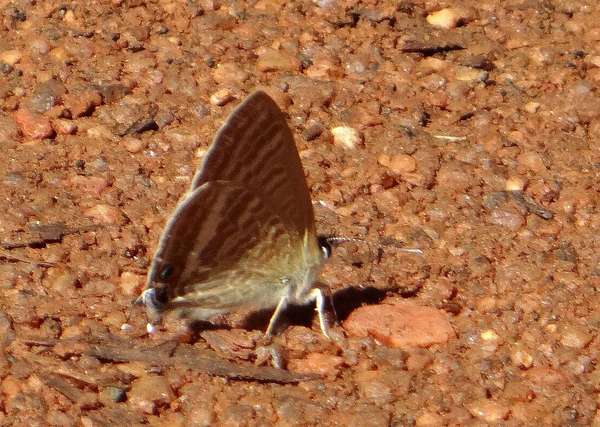
6 line Blue Pic: Deepa Mohan

Some of the butterfly names, of course, have no “why” to them. This on, the Pioneer is a beauty that often alights on grass or reeds:
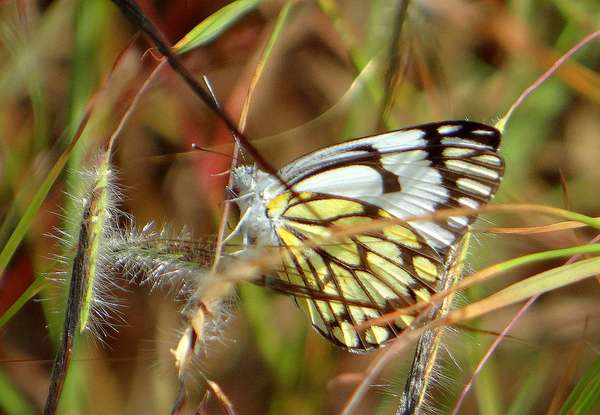
Pioneer. Pic: Deepa Mohan

If you see a flash of white and orange, you’ve probably seen the White Orange Tip:
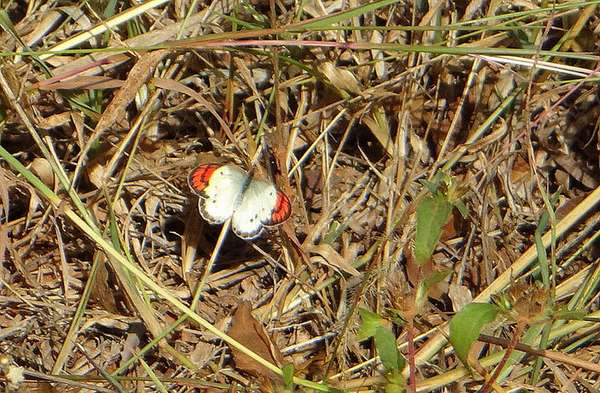
White Orange Tip. Pic: Deepa Mohan

This is what the same butterfly looks, with its wings closed:
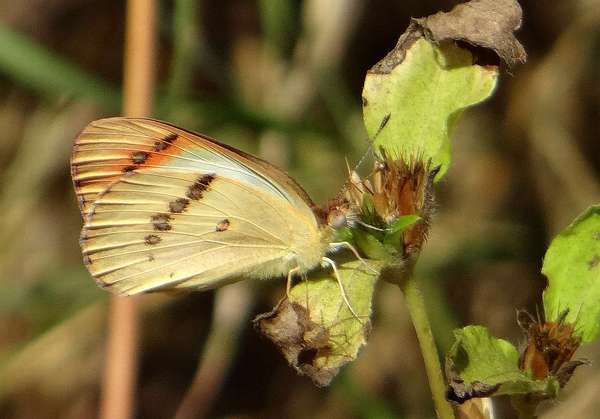
White Orange Tip. Pic: Deepa Mohan

Are you scared of Tigers? No need to be….Tigers are also a kind of butterfly! Here’s a Plain Tiger:
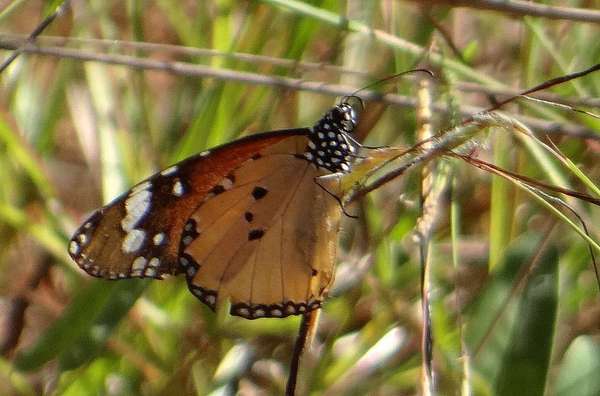
Tigers. Pic: Deepa Mohan

Most of the butterflies you can see have the adjective “Common” attached, showing how easily found they can be. Here’s a Common Gull:

Common Gull. Pic: Deepa Mohan

The Crimson Rose is one of our most common butterflies, and you might have seen it in several gardens:
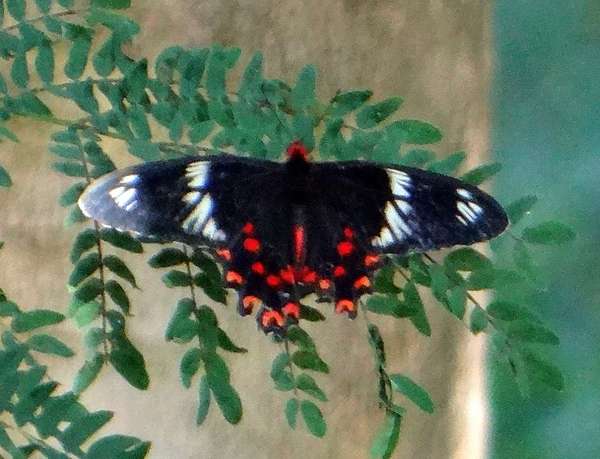
Crimson Rose. Pic: Deepa Mohan

A blue-green beauty that is also common is the Tailed Jay:
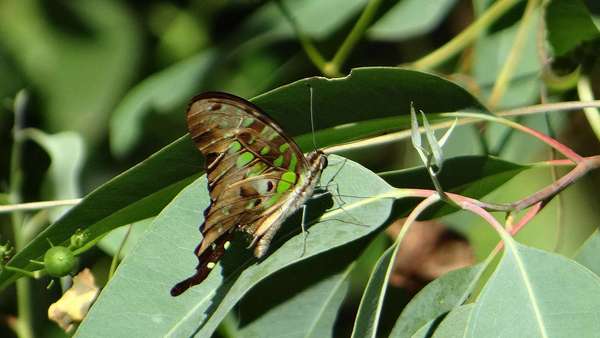
Tailed Jay. Pic: Deepa Mohan

Sometimes butterfly names are poetic. Imaging a light creature, wandering over fields and meadows! Here’s the Common Wanderer:
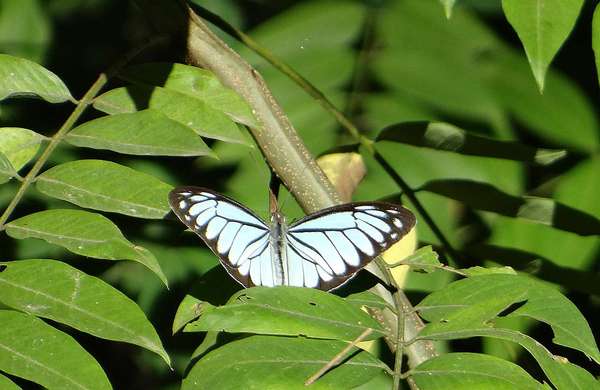
Common Wanderer. Pic: Deepa Mohan

I hope you’ve enjoyed these butterflies, and start looking out for these pretty creatures of the light and air as you walk around your neighbourhood!

Leave a Reply

Your email address will not be published. Required fields are marked *

Similar Story

CIDCO’s new flamingo study raises questions on Navi Mumbai airport safety, wetland future

The Bombay Natural History Society had earlier pointed out that protecting wetlands and ensuring aviation safety should go hand in hand.

The City and Industrial Development Corporation of Maharashtra (CIDCO)'s decision to appoint Australian aviation consultancy Avisure to study bird movement around the Navi Mumbai International Airport has raised fresh questions about the future of Navi Mumbai's wetlands. The agency has cited the ongoing study as grounds to defer legal protection for DPS Flamingo Lake, arguing that no irreversible decision should be taken until the assessment of bird-related aviation risks is complete. But bird movement around the airport is not being studied for the first time. Findings of BNHS More than a decade ago, the Bombay Natural History Society (BNHS) was…

Similar Story

Save Mumbai Mangroves campaign: Who really benefits from the coastal road?

Mangroves are being cut in Mumbai even as the world observes Environment Day. Watch this video to understand citizens' concerns regarding the Coastal Road project.

"We are literally risking our lives with floods. We are a coastal city. To mess around with mangroves is digging your own grave," says Pooja Domadia of Save Mumbai Mangroves, a campaign born in the wake of the decision to construct the Versova-Bhayandar Coastal Road in Mumbai. This mega project is going to impact 45,000 mangroves. The cutting of the mangroves has already begun to make way for the 26.3 km Coastal Road. In March this year, the Supreme Court dismissed a petition challenging the Bombay High Court's go-ahead for the project. But concerned Mumbaikars are not giving up. Save…