Everywhere, they flutter by

Can you spot the Blue, the Pioneer, the Tiger and the Common Wanderer?

The warm weather is here, and it’s a great time to look for some of the very common butterflies as we walk around. The butterflies that I’ve photographed were all clicked in either gardens near my home, or in the Valley School campus, off Kanakapura Road; so you don’t have to go very far to find them!

“BLUES” are small butterflies, so called because we can see the blue colour when they are flying. Here’s a 6 line Blue
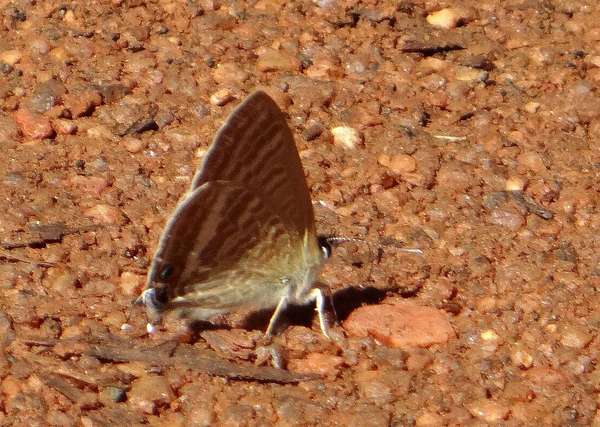
6 line Blue Pic: Deepa Mohan

Some of the butterfly names, of course, have no “why” to them. This on, the Pioneer is a beauty that often alights on grass or reeds:
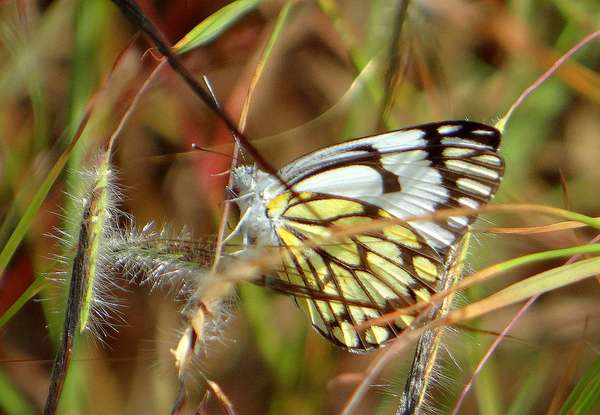
Pioneer. Pic: Deepa Mohan

If you see a flash of white and orange, you’ve probably seen the White Orange Tip:
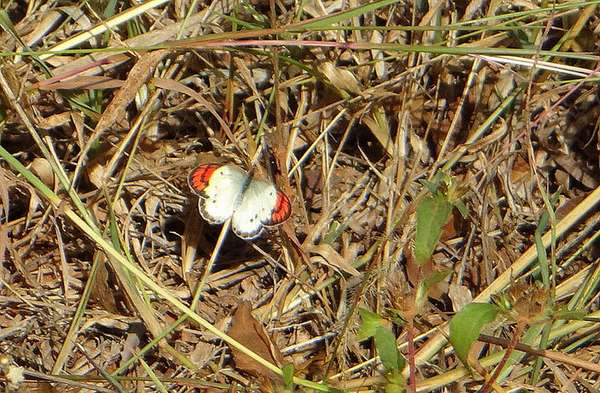
White Orange Tip. Pic: Deepa Mohan

This is what the same butterfly looks, with its wings closed:
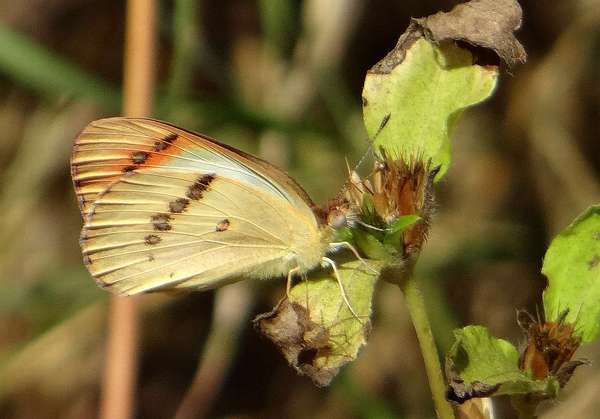
White Orange Tip. Pic: Deepa Mohan

Are you scared of Tigers? No need to be….Tigers are also a kind of butterfly! Here’s a Plain Tiger:
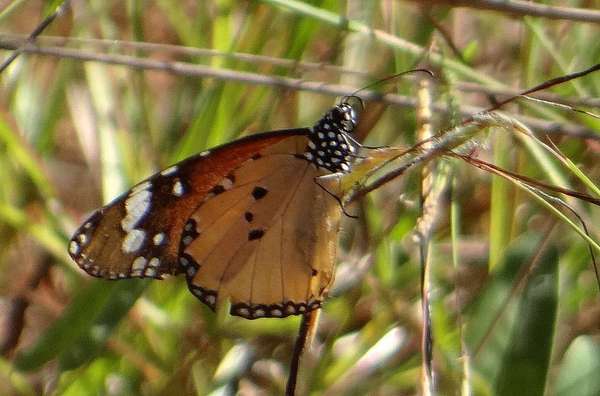
Tigers. Pic: Deepa Mohan

Most of the butterflies you can see have the adjective “Common” attached, showing how easily found they can be. Here’s a Common Gull:

Common Gull. Pic: Deepa Mohan

The Crimson Rose is one of our most common butterflies, and you might have seen it in several gardens:
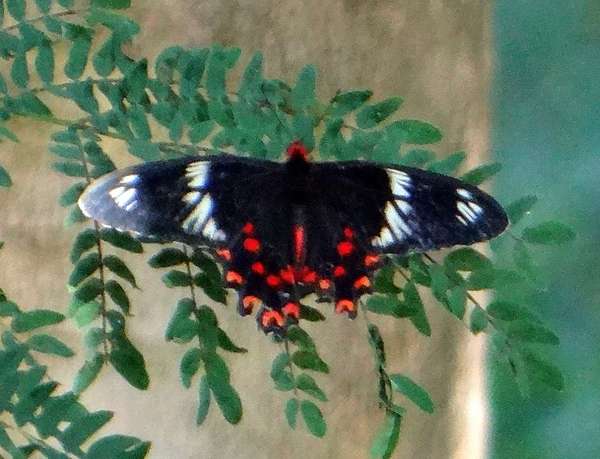
Crimson Rose. Pic: Deepa Mohan

A blue-green beauty that is also common is the Tailed Jay:
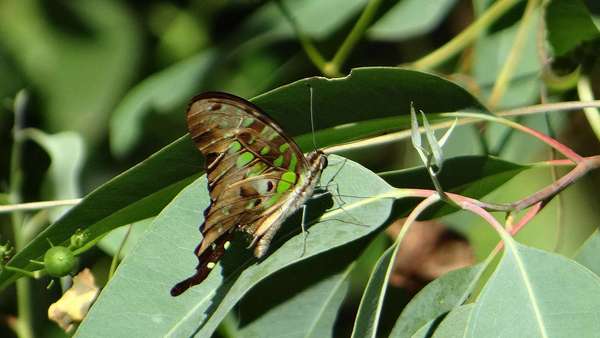
Tailed Jay. Pic: Deepa Mohan

Sometimes butterfly names are poetic. Imaging a light creature, wandering over fields and meadows! Here’s the Common Wanderer:
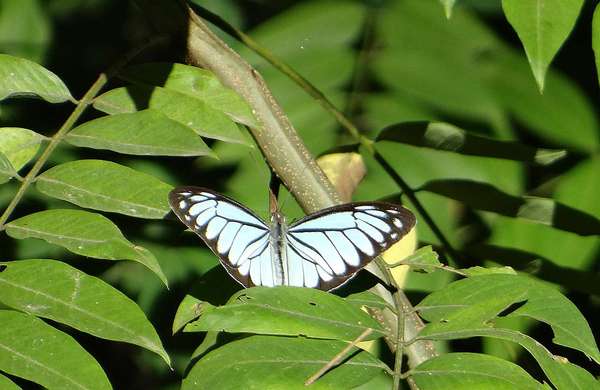
Common Wanderer. Pic: Deepa Mohan

I hope you’ve enjoyed these butterflies, and start looking out for these pretty creatures of the light and air as you walk around your neighbourhood!

Leave a Reply

Your email address will not be published. Required fields are marked *

Similar Story

Open letter to Chief Justice of India: Withdraw unjust remarks made against environmental groups

In the letter, conservationists, lawyers and civil society groups highlighted the constitutional right of citizens to demand the enforcement of environmental laws.

A collective of citizens, environmentalists, legal experts and civil society organisations from across India has demanded that the Supreme Court withdraw oral remarks made by the Chief Justice of India (CJI) during the Pipavav Port hearing on May 11, 2026. The group aims to ensure these comments are not misinterpreted as questioning the legitimacy of genuine environmental public-interest litigation, or the constitutional right of citizens and affected communities to demand the enforcement of environmental laws. In an open letter to the CJI, the coalition outlined urgent environmental concerns and the right of citizens to question irregularities in projects negatively impacting…

Similar Story

The trees we forget: What a city loses when the canopy disappears

Bengaluru's trees are more than shade; they are memory, identity, and resistance. Their loss leaves the city harsher and emptier.

Summer in India has been merciless this year, with many states recording temperatures above 42 degrees Celsius and rising reports of fatalities. Despite these harsh conditions, urban support continues for development projects that clear trees, wetlands, mangroves, and forests near cities. A recent Article 14 report provides data on thousands of trees that will soon be sacrificed nationally for infrastructure projects. Those opposing such unscientific large-scale tree felling are often labelled 'tree-huggers', 'anti-development' and 'anti-nationals'. While capitalism accelerates environmental degradation and the world faces a growing climate crisis, societal divisions deepen.  Yet, we give trees too little credit: Beings necessary…