Revenue sharing under consideration for bus terminals
The Chennai Metropolitan Development authority is looking into the feasibility of a revenue-sharing model for Kilambakkam, Kuthambakkam and Madhavaram bus terminals. It is also exploring how best to use the Koyambedu bus terminal and the omni bus terminal when the south and west bound buses start operations out of Kilambakkam.
Tenders have been issued as the planning body is looking for a concessionaire to operate and maintain the three bus terminals. The bidder can earn revenue through various means such as parking charges, rent from shops and dorms and through advertisements.
A similar move is under consideration for the Koyambedu bus terminal, one of the largest in Asia. The tender for the same will be issued after a detailed study.
Source: The Hindu
Read more: Shrunk to less than half, Chitlapakkam Lake cries out for action
Residents raise civic issues during consultation for expansion
A public hearing was organised by the Chennai Metropolitan Development authority on the proposal of expansion of Chennai Metropolitan Area. Various RWAs, trade associations, farmers’ bodies and others attended the consultation. The attendees voiced their concerns on the civic woes plaguing the area that have not been addressed.
The residents spoke of high property taxes, lack of civic amenities, issues with flooding, lack of transport facilities. They also expressed apprehension that the Palar river and other water bodies may fall prey to encroachment in the event of expansion of CMA.
The attendees sought assurance that water bodies will be conserved. They also placed on record their request that the green cover of the areas in Chengalpet, that will be subsumed into the CMA, will not be affected by the move.
Source: The Hindu | The Times of India
Ban on registration of properties on water bodies
Following the Madras High Court order to evict encroachments in Chitlapakkam and Selaiyur lakes, the Registration Department has made moves to ensure that the existing ban on construction on water bodies is strictly enforced. Water bodies, waterways, poromboke land with the government and water catchment areas are out of bounds for construction.
This move comes in the wake of the recent denial of permission to convert a water body into a residential zone. The process of granting conditional approval for construction without converting the land use classification has come under scrutiny. Of the three cases, one was a bid to convert the area on the periphery of Adyar river into a residential zone.
Source: The Hindu | The New Indian Express
Read more: Chennai rains: The real reasons why urban floods are a never-ending problem in city
Flood mitigation measures in Chennai
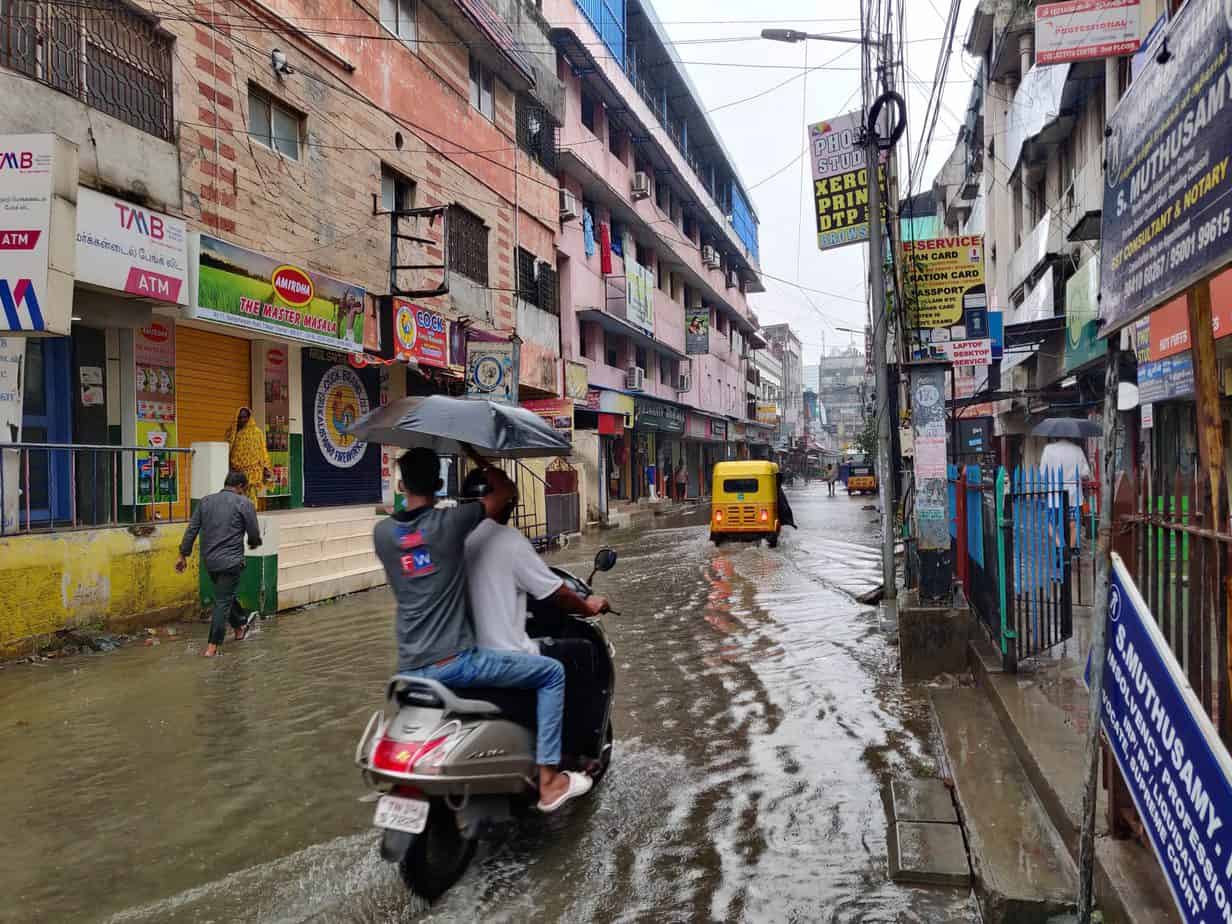
The Chennai Corporation has opened a total of 91 flood shelters to accommodate residents from low-lying areas such as the banks of the Adyar, Cooum and Kosasthalaiyar rivers. As the city sees a fresh spell of rains and more inundation, the shelters will serve residents who are temporarily displaced.
The civic body has also deployed pumps in low lying areas to clear waterlogging. Water is being continually pumped out from the various subways to prevent their closure. Large pipes have been laid in parts of flooded areas such as T Nagar as a novel method of preventing waterlogging. Inspections are also being carried out by a team of engineers in affected areas.
Mobile medical camps have been organised to detect and treat rain-related illnesses. The civic body is also providing free breakfast to those in need.
Source: The Hindu
Vegetable prices rise due to rains
Chennai has seen high prices for most vegetables due to the incessant rains experienced by the city this month. The prices of ten vegetables rose over a 100 rupees per kilogram. The price of a kilogram of tomatoes hovered around Rs 150 – Rs 160. Capsicum, broadbeans, brinjal, ladies finger, bitter gourd and snake gourd all breached the Rs100/kg mark this week.
The arrival of vegetables in the Koyambedu Market dropped by 50% leading to a sharp increase in prices. Crop damage due to extensive rains across the state has resulted in a drop in quantity of arrivals. Traders are hopeful that the prices will fall once the rains subside leading to increase in supply.
Source: The Times of India
Compiled by Aruna Natarajan