Special Project: Madras Day Celebrations

Celebrating Madras Day

Photo Contest

Dig out pictures from your personal archives, share it publicly on your Instagram , Facebook or Twitter  with a short anecdote describing the memory and just tag it with #MadrasAndhaNaal   #MadrasDay  #citizenmatters

T&C: Photographs shared, must be from your personal collection, not a copyrighted image. Shortlisted entries will be shared on our website and social media.
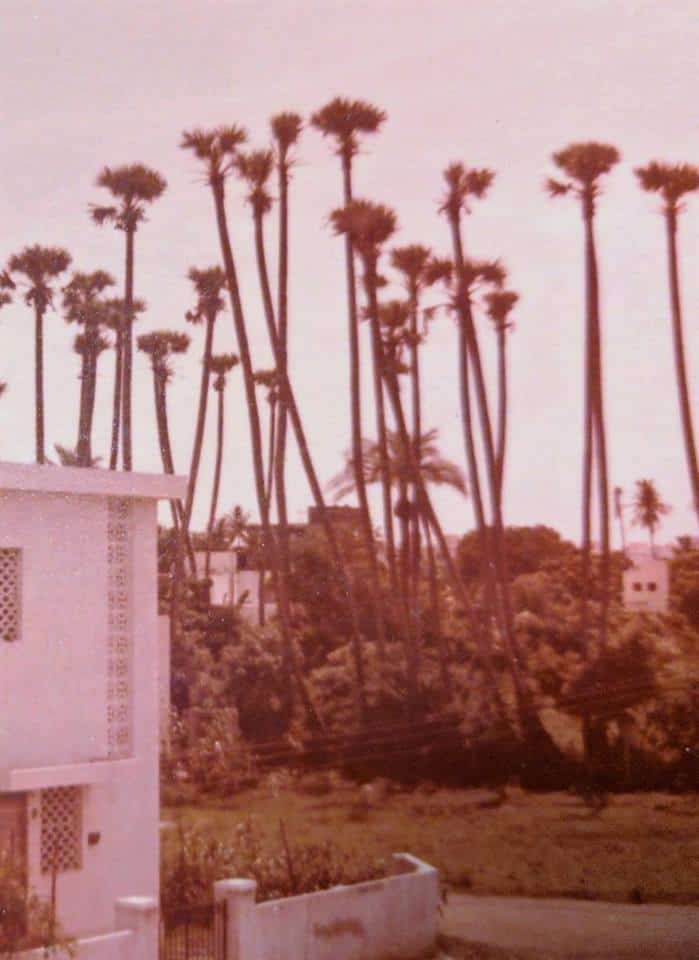
“This was the view from my house in the neighbourhood was once part of the Thiruvanmiyur temple land. The palmyra trees were the ‘fence’ making up the eastern periphery of IMPCOMS campus, which  was full of snakes. The empty land used to be rice fields. During monsoons, the entire area would flood as the clay soil would not let the water seep through. Power would go off for days together. The kerosene lamps, mosquitoes and the sound of frogs croaking away always remind me of those rainy days.”

Leave a Reply

Your email address will not be published. Required fields are marked *

Similar Story

Kolkata’s Sonajhuri Haat weaves art, empowerment and community together

Every weekend, artisans from rural Bengal bring centuries-old crafts to this weekend fair, finding new audiences, livelihoods, and keeping traditions alive.

Every Friday morning, Aladdin Chitrakar travels from his village in Purba Medinipur, a coastal district in West Bengal, to Kolkata to showcase patachitra artwork created by him and his wife, Angoora Ji. They set up their stall at the weekend fair along the Biswa Bangla Sarani in the city that is widely known as a shopper’s paradise and a haven for art.  Their vibrant fish motifs and tribal figurines painted on wooden trays and white T-shirts are the source of livelihood through which the couple supports their two sons. Aladdin rents a small place to live for three days in…

Similar Story

Safety still out of reach: Everyday struggles of women with disabilities

Women with disabilities face increased risks in public and private spaces because of consent violations, unsafe surroundings and neglect.

Every morning, Samidha Dhumatkar travels from her home in Mumbai’s western suburbs to Churchgate, where she works as a telephone operator at a university campus. Her journey involves taking a rickshaw, boarding a train, and walking to her workplace, similar to thousands of other Mumbaikars who commute daily. However, as a person with a visual disability, Samidha’s commute is fraught with threats to her safety. In their book, Why Loiter? Women and Risk on Mumbai Streets, writers Shilpa Phadke, Sameera Khan, and Shilpa Ranade, argue that spaces are not neutral. Moreover, they are not designed equally. “Across geography and time,…