Don’t cry for me, Chennai

Don't cry, even though the systematic destruction of Chennai's lakes, rivers and waterbodies by the steady inflow of sewage is something that would stir every thinking citizen's heart. A poignant photo-essay by two citizen photographers.

Once there was a river. Rather, there were many rivers. And then there were none.

In the run up to Arappor Iyakkam’s Sakkadai Thiruvizha, a citizen awareness program to highlight the problem of sewage being let into Chennai’s water bodies, two young photographers — Raghavan Lokesh and Mohan Kumar Karunakaran — volunteered to travel along Chennai’s rivers, and capture images for our readers.

The pictures are heart breaking. Let us take a minute to view, and mull over, what we have done to the lifelines of this city.
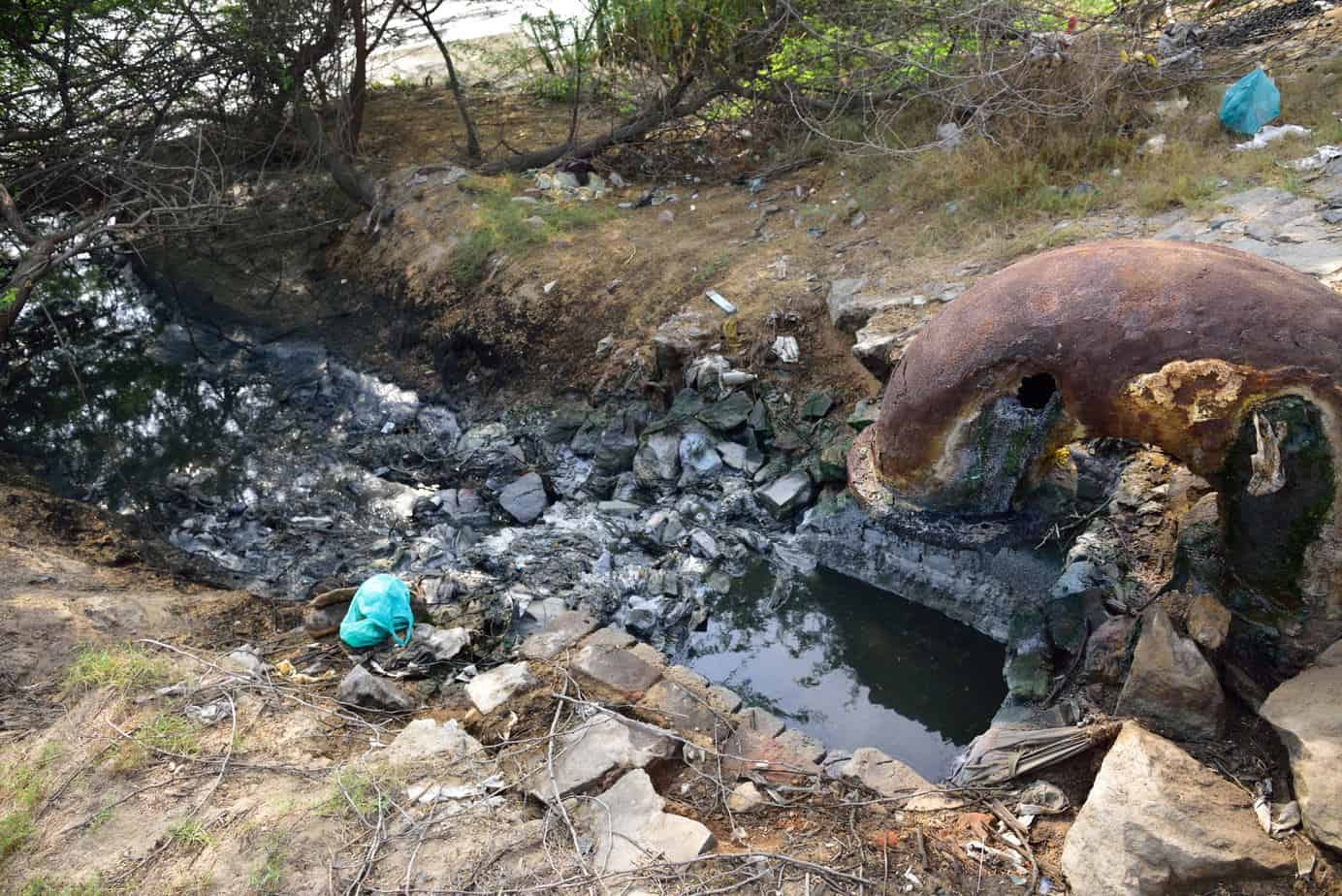
Rusting pipes belch out untreated sewage into the Kosasthalaiyar. Pic: Mohan Kumar Karunakaran
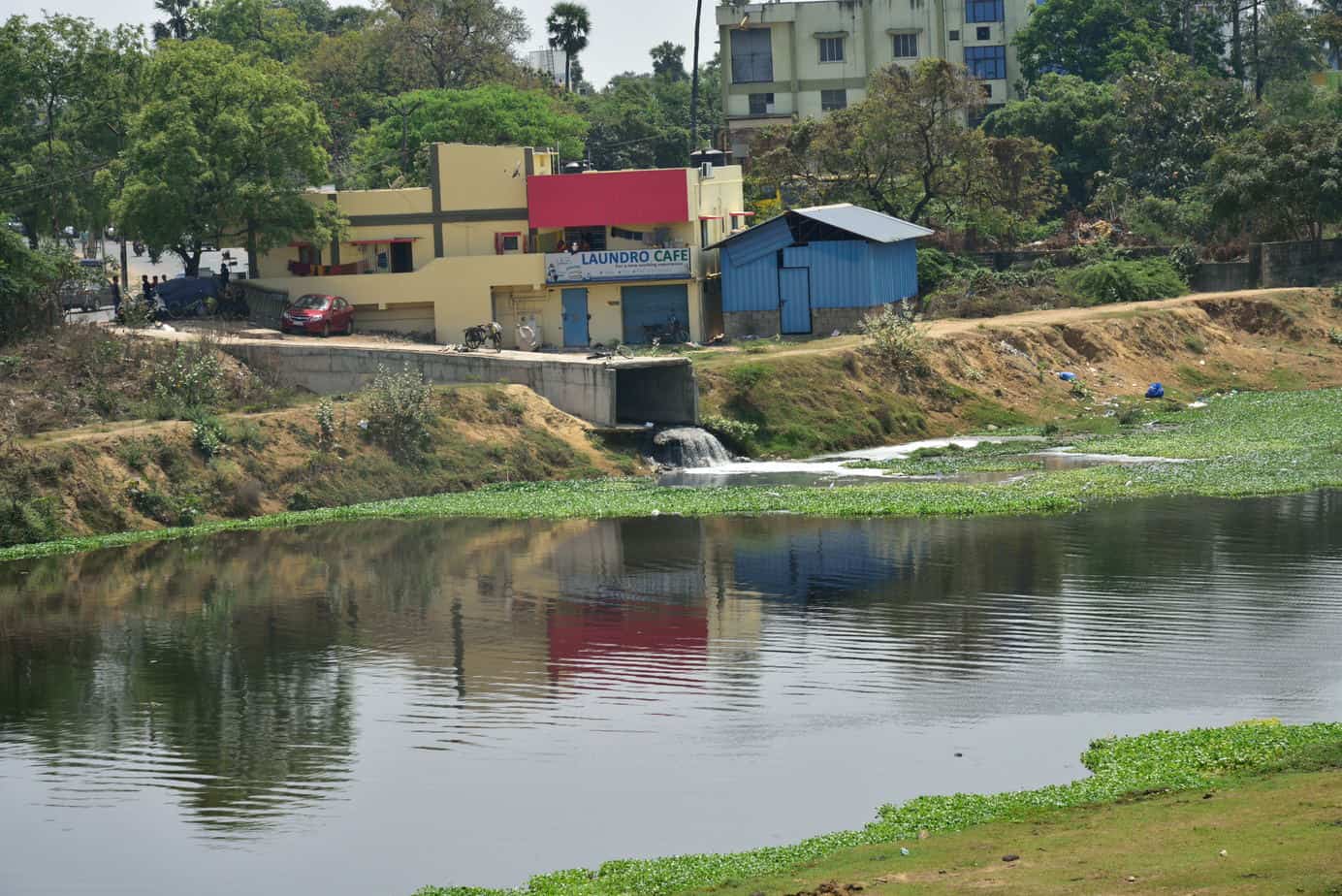
Sewage flows into the Adyar river at Ramapuram. Pic: Mohan Kumar Karunakaran
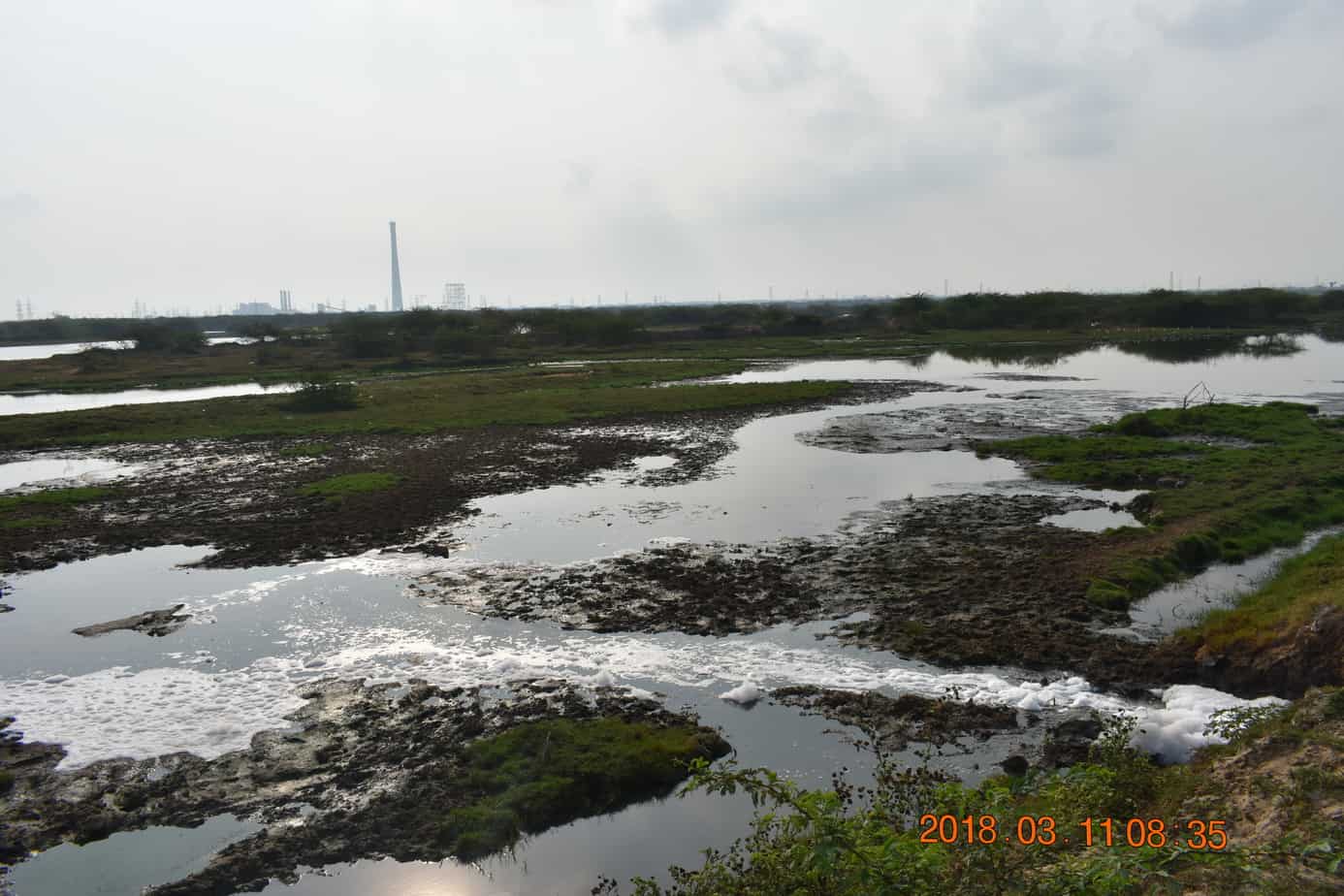
Sewage flowing into the Kosasthalaiyar. Pic: Raghavan Lokesh
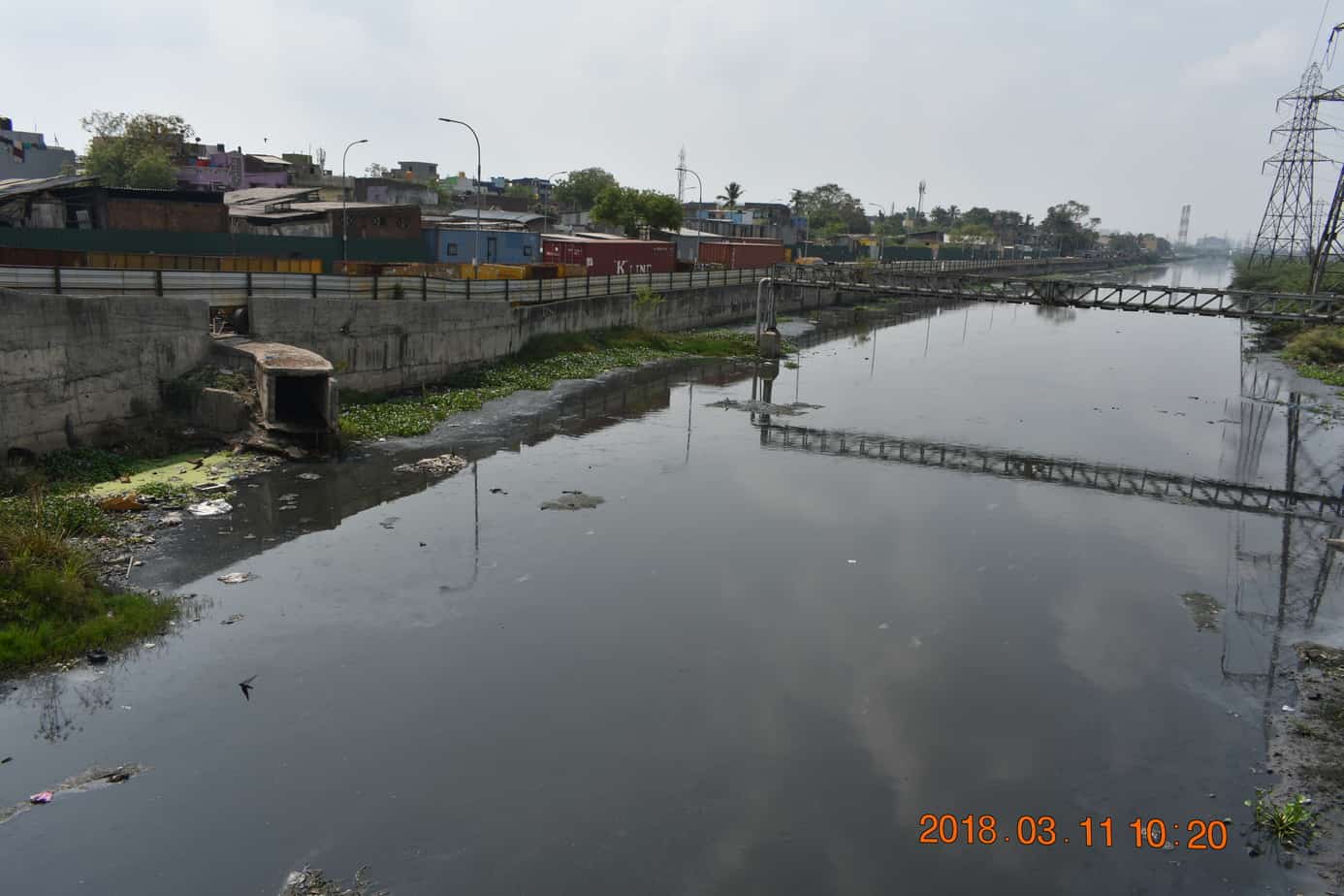
The Buckingham Canal at Vyasarpadi. Pic: Raghavan Lokesh
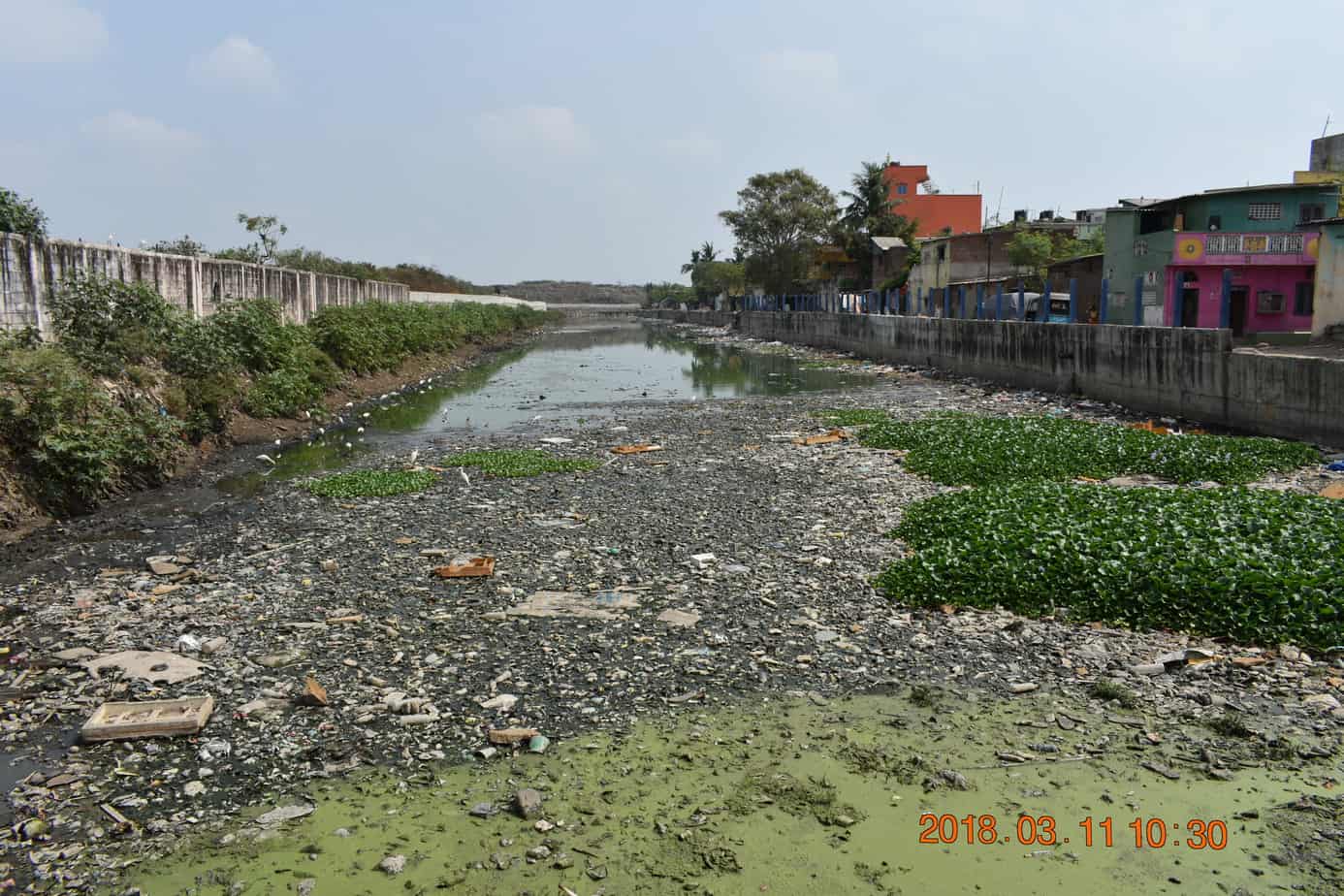
A view of the Buckingham canal at Kodungaiyur. Pic: Raghavan Lokesh
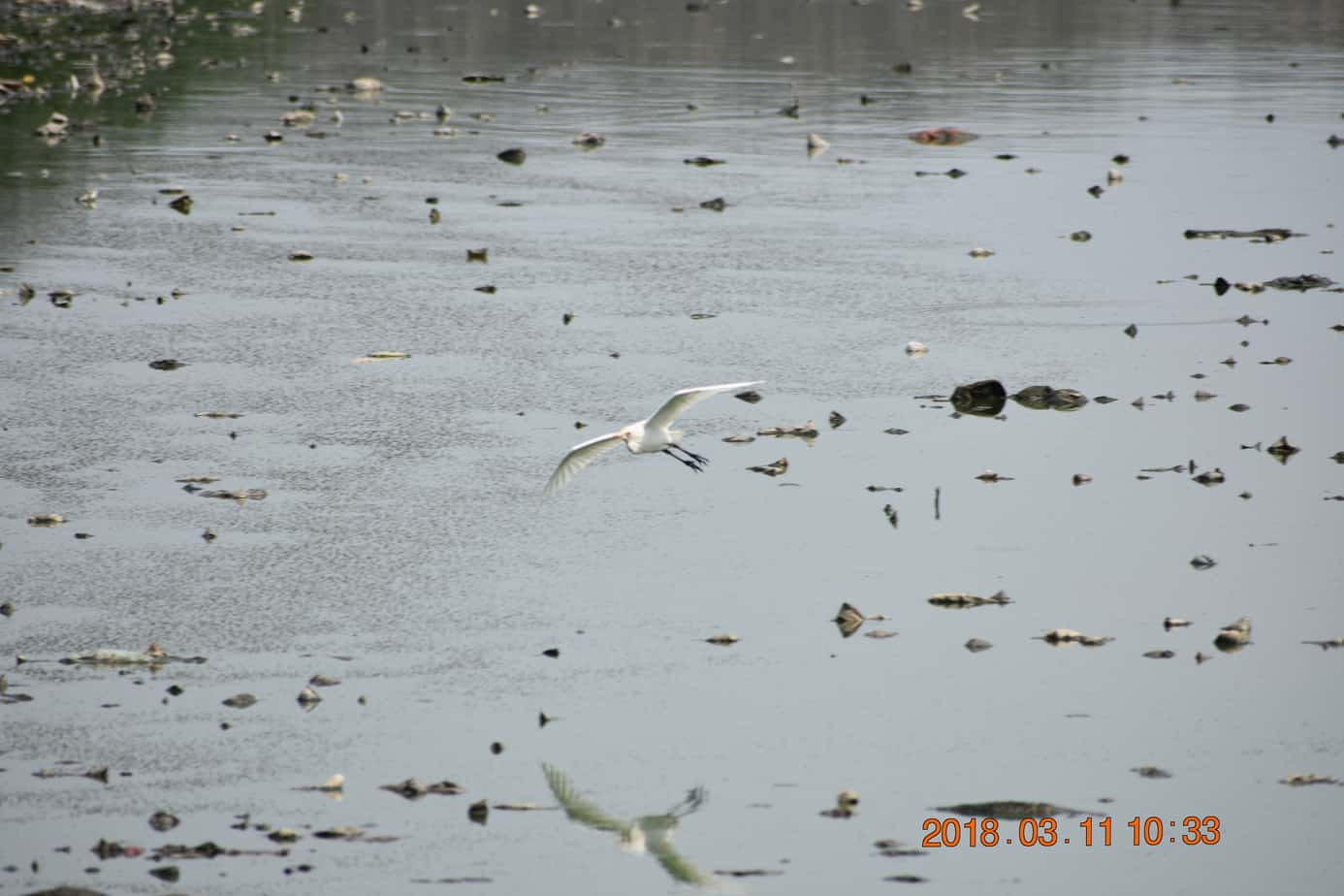
Birds fly over the Kosasthalaiyar in valiant bid to find something alive in the waters. Pic: Raghavan Lokesh
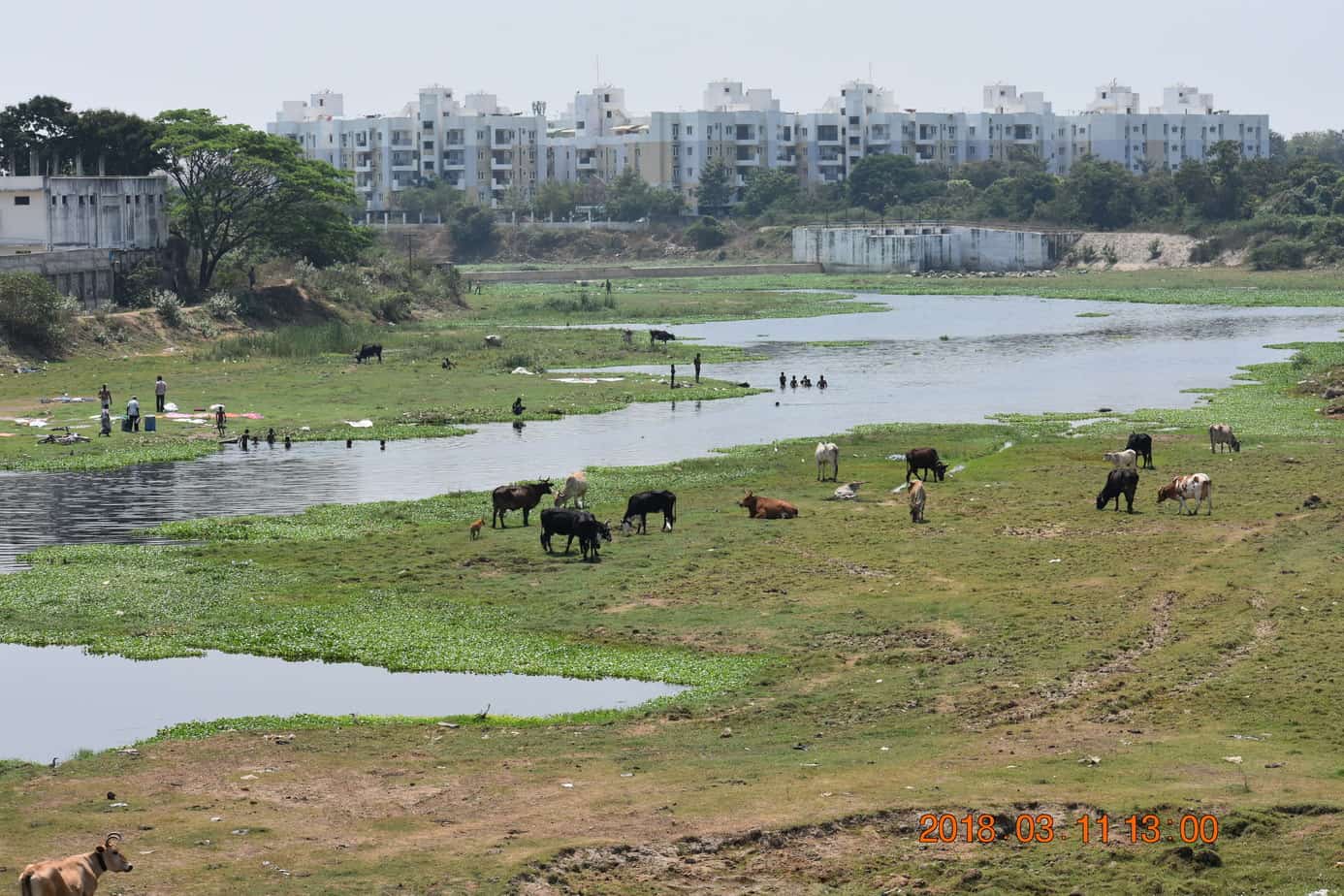
Cattle grazing on the bed of what is left of the Adyar river, behind MIOT Hospital. Pic: Raghavan Lokesh
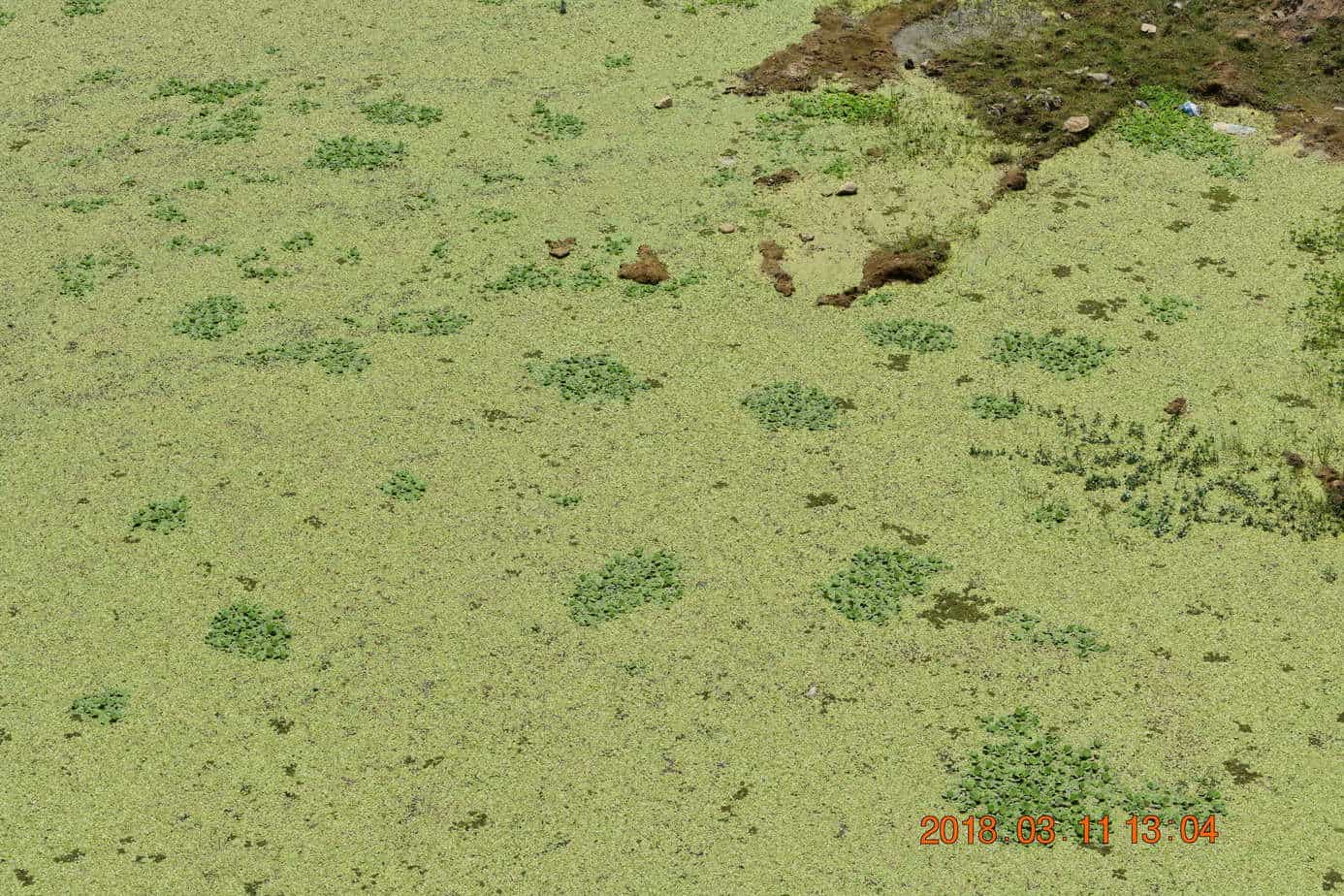
Sludge floating on the stagnant waters of the Adyar river at Ramapuram. Pic: Raghavan Lokesh
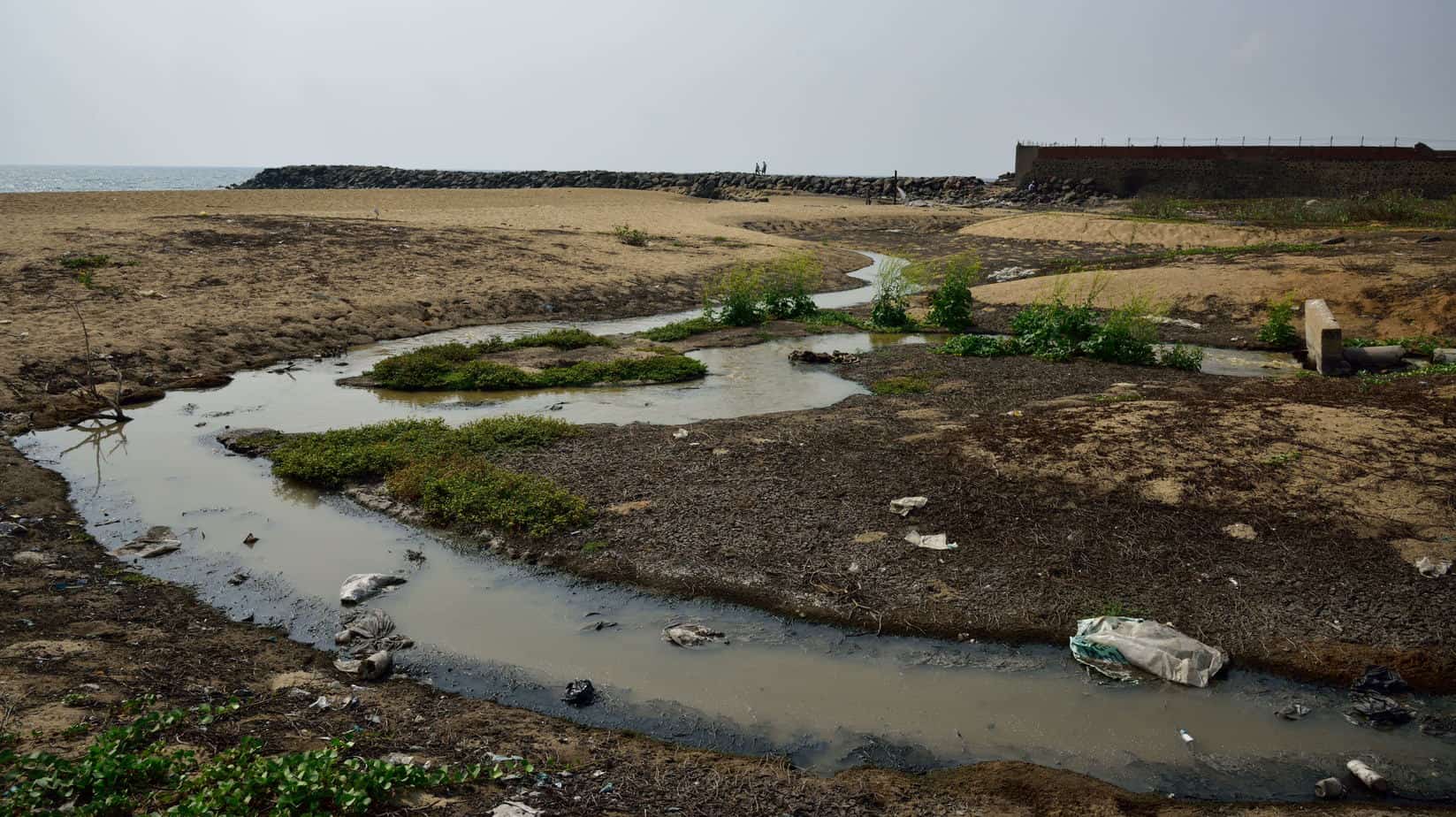
Sewage flows into the sea at Thiruvottiyur beach. Pic: Mohan Kumar Karunakaran
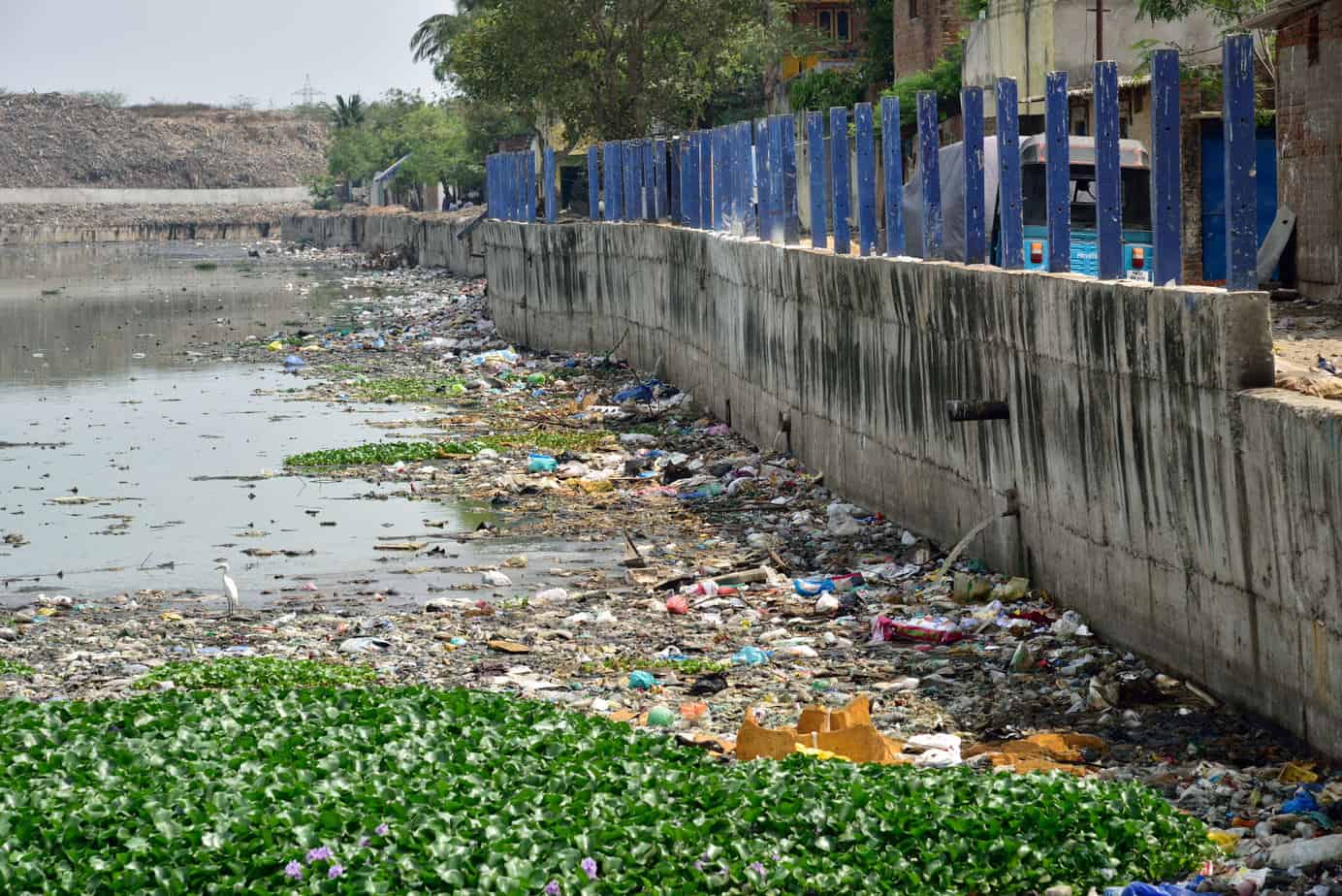
Another shot of the Buckingham Canal at Kodungaiyur. Pic: Mohan Kumar Karunakaran
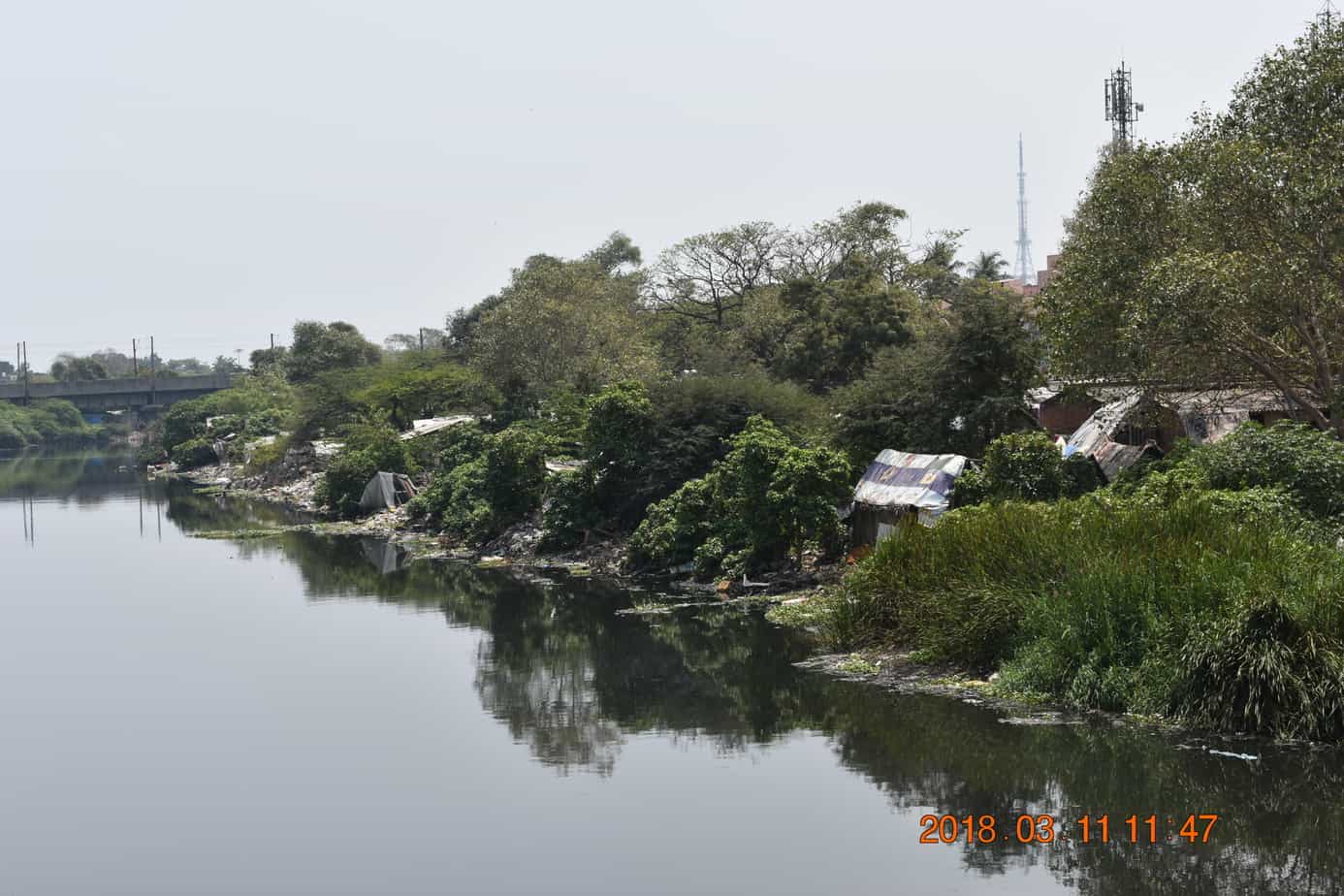
Slums on the banks of the Cooum in Egmore. Pic: Raghavan Lokesh
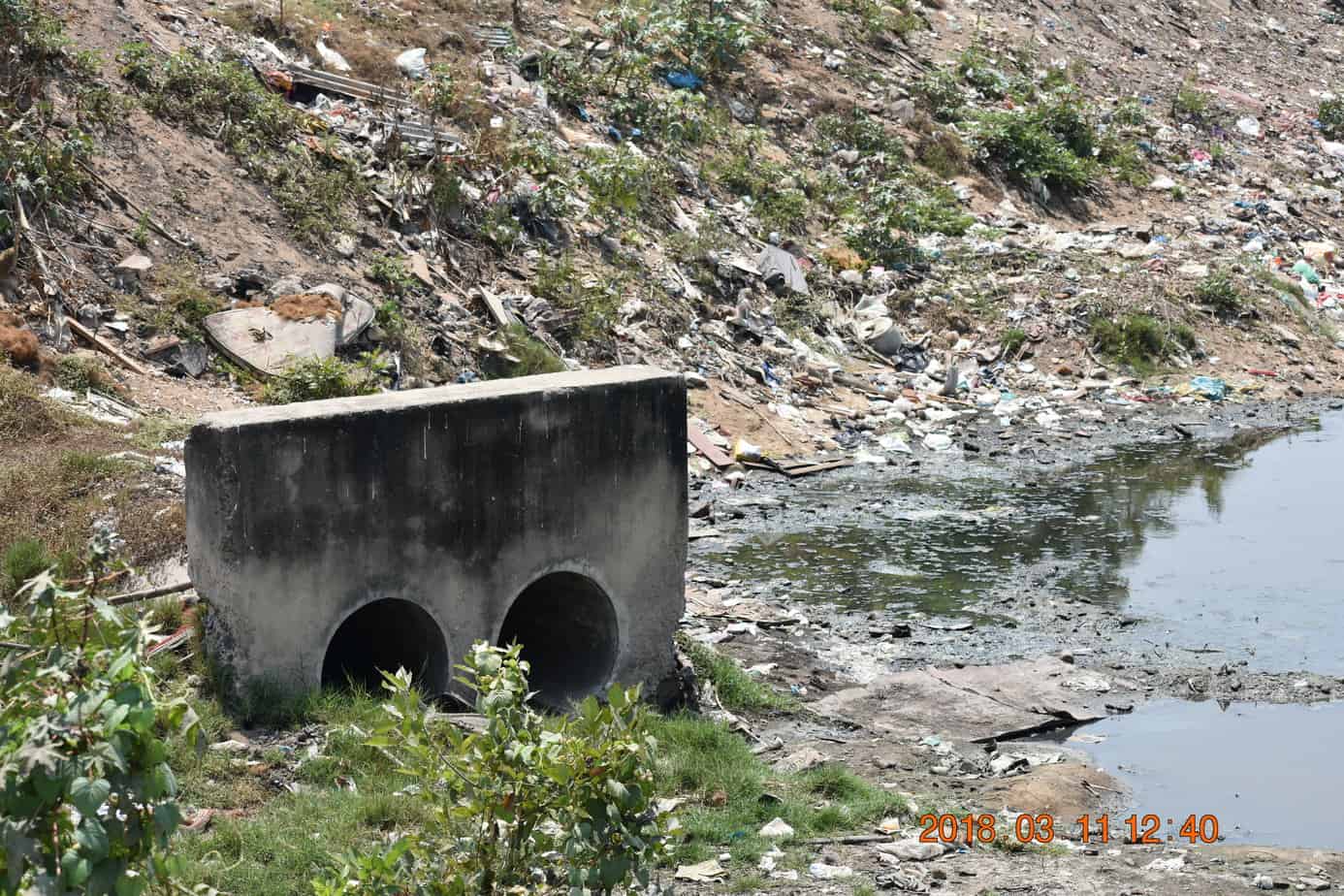
Where is the Adyar river? Pic: Raghavan Lokesh
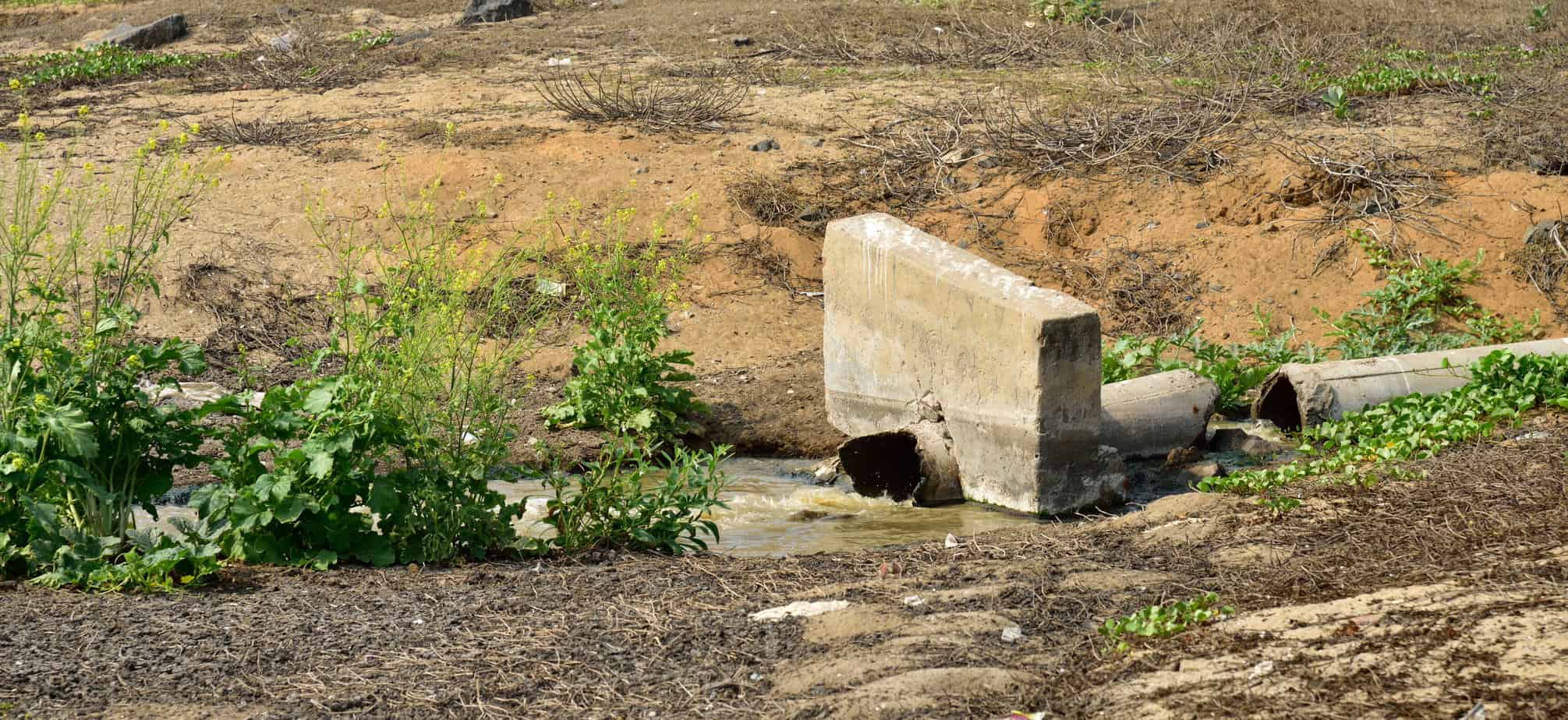
Broken pipes, carrying untreated sewage to the sea at Thiruvottiyur. Pic: Mohan Kumar Karunakaran

[Raghavan Lokesh is an entrepreneur and has been volunteering with Arappor Iyakkam since 2017. Mohan Kumar Karunakaran works with Royal Bank of Scotland. Moved by the state of a water body in his neighbourhood, he has been volunteering with Arappor Iyakkam over the last few months, seeking to impact the city in a positive way.]

Leave a Reply

Your email address will not be published. Required fields are marked *

Similar Story

The trees we forget: What a city loses when the canopy disappears

Bengaluru's trees are more than shade; they are memory, identity, and resistance. Their loss leaves the city harsher and emptier.

Summer in India has been merciless this year, with many states recording temperatures above 42 degrees Celsius and rising reports of fatalities. Despite these harsh conditions, urban support continues for development projects that clear trees, wetlands, mangroves, and forests near cities. A recent Article 14 report provides data on thousands of trees that will soon be sacrificed nationally for infrastructure projects. Those opposing such unscientific large-scale tree felling are often labelled 'tree-huggers', 'anti-development' and 'anti-nationals'. While capitalism accelerates environmental degradation and the world faces a growing climate crisis, societal divisions deepen.  Yet, we give trees too little credit: Beings necessary…

Similar Story

Bengaluru’s flowering Tabebuia Rosea trees: Think green, not just pink

Cities must not confuse beauty with ecology; Bengaluru’s pink weeks are lovely, but unchecked ornamental planting could make the city prettier but less alive.

Late each winter, Bengaluru briefly transforms into an Indian Kyoto, as roads blush pink, office parks turn photogenic, and social media buzzes with claims of a local “cherry blossom” season. But the star of this spectacle is not cherry at all. It is Tabebuia rosea, the pink trumpet tree, a neotropical ornamental whose native range runs from Mexico to Ecuador. What seems like a harmless aesthetic win is, ecologically, far more complex. The history Bengaluru’s pink canopy is not new. Much of it can be traced back to the 1980s under forester S G Neginhal, who drove a major greening…