Don’t cry for me, Chennai

Don't cry, even though the systematic destruction of Chennai's lakes, rivers and waterbodies by the steady inflow of sewage is something that would stir every thinking citizen's heart. A poignant photo-essay by two citizen photographers.

Once there was a river. Rather, there were many rivers. And then there were none.

In the run up to Arappor Iyakkam’s Sakkadai Thiruvizha, a citizen awareness program to highlight the problem of sewage being let into Chennai’s water bodies, two young photographers — Raghavan Lokesh and Mohan Kumar Karunakaran — volunteered to travel along Chennai’s rivers, and capture images for our readers.

The pictures are heart breaking. Let us take a minute to view, and mull over, what we have done to the lifelines of this city.
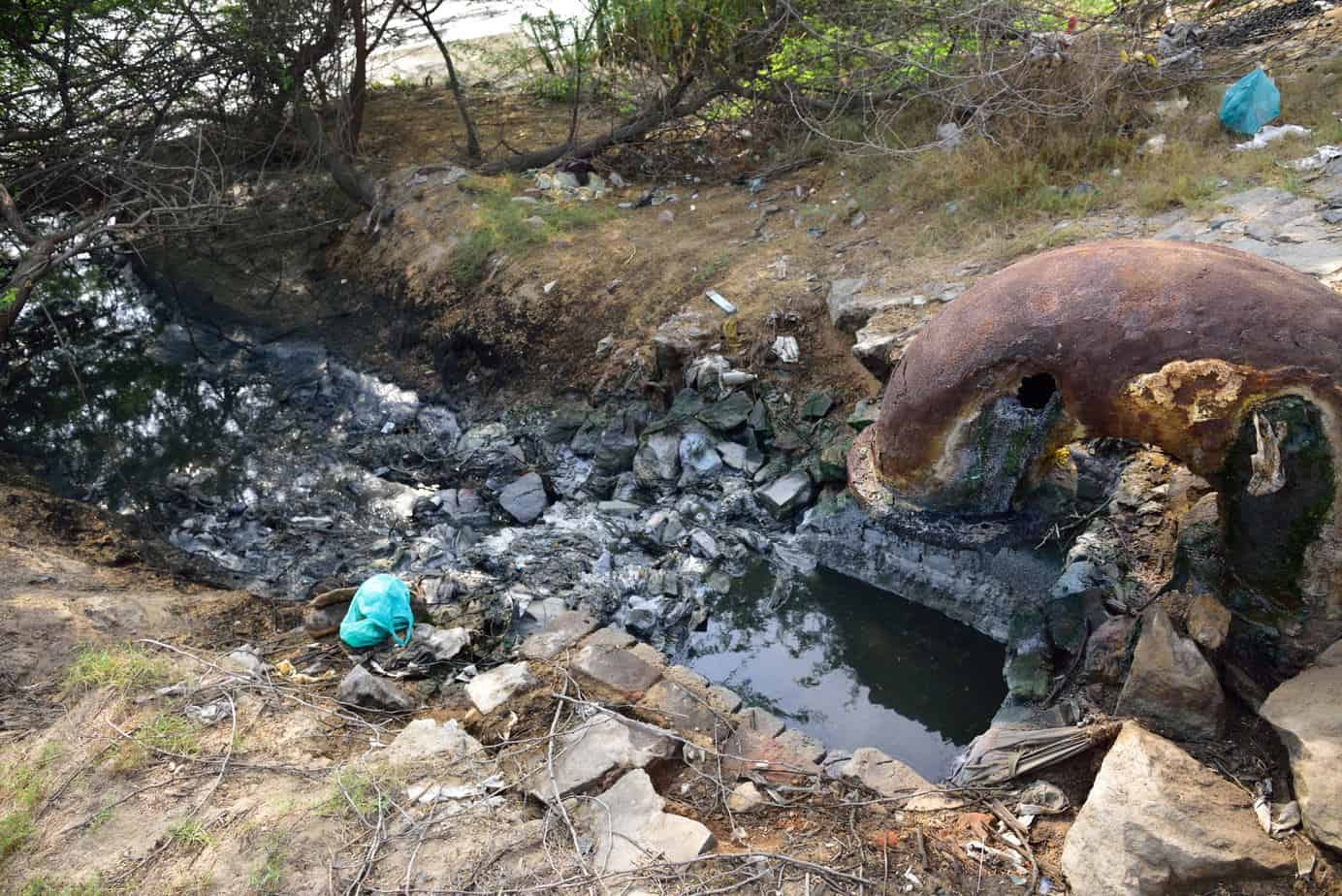
Rusting pipes belch out untreated sewage into the Kosasthalaiyar. Pic: Mohan Kumar Karunakaran
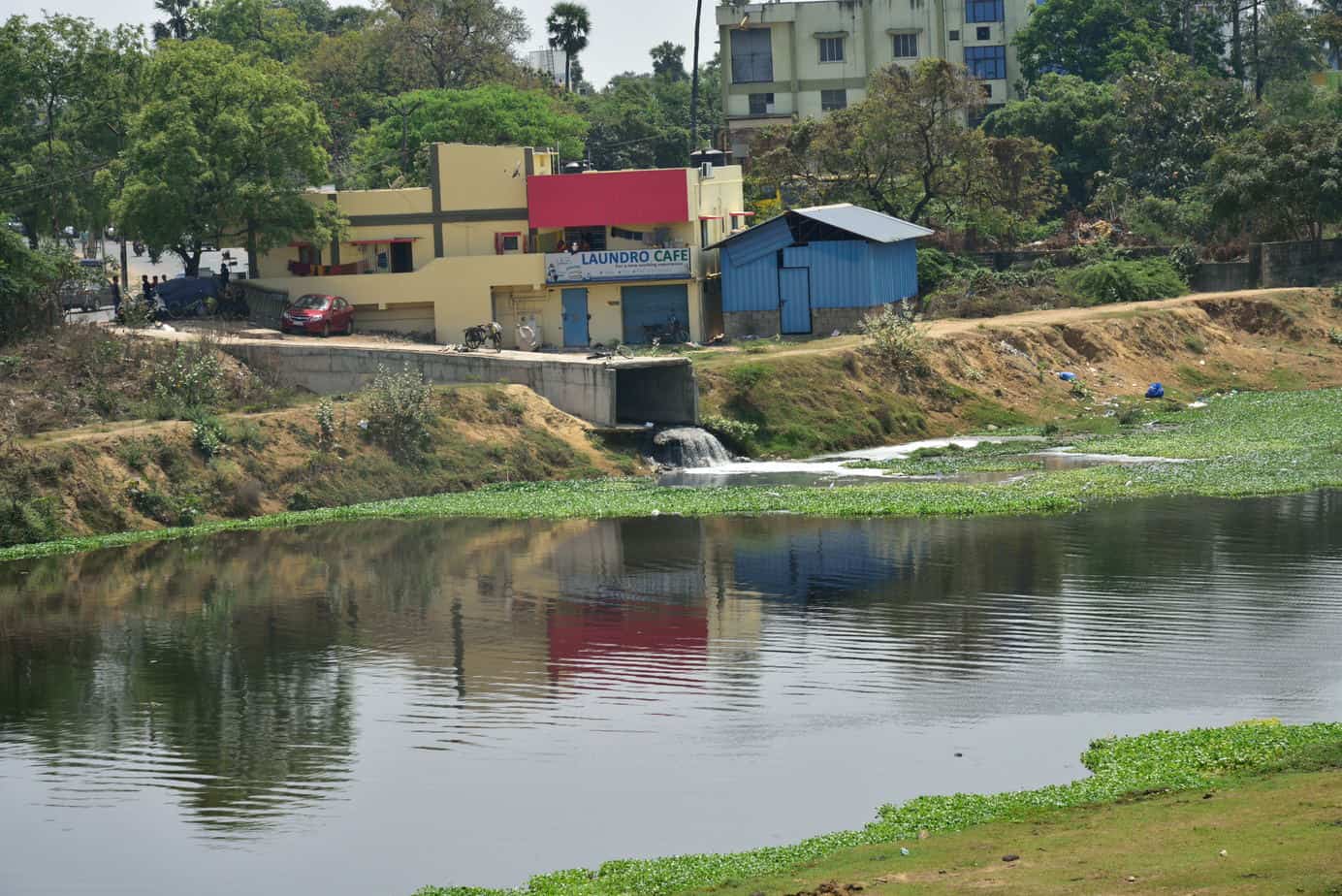
Sewage flows into the Adyar river at Ramapuram. Pic: Mohan Kumar Karunakaran
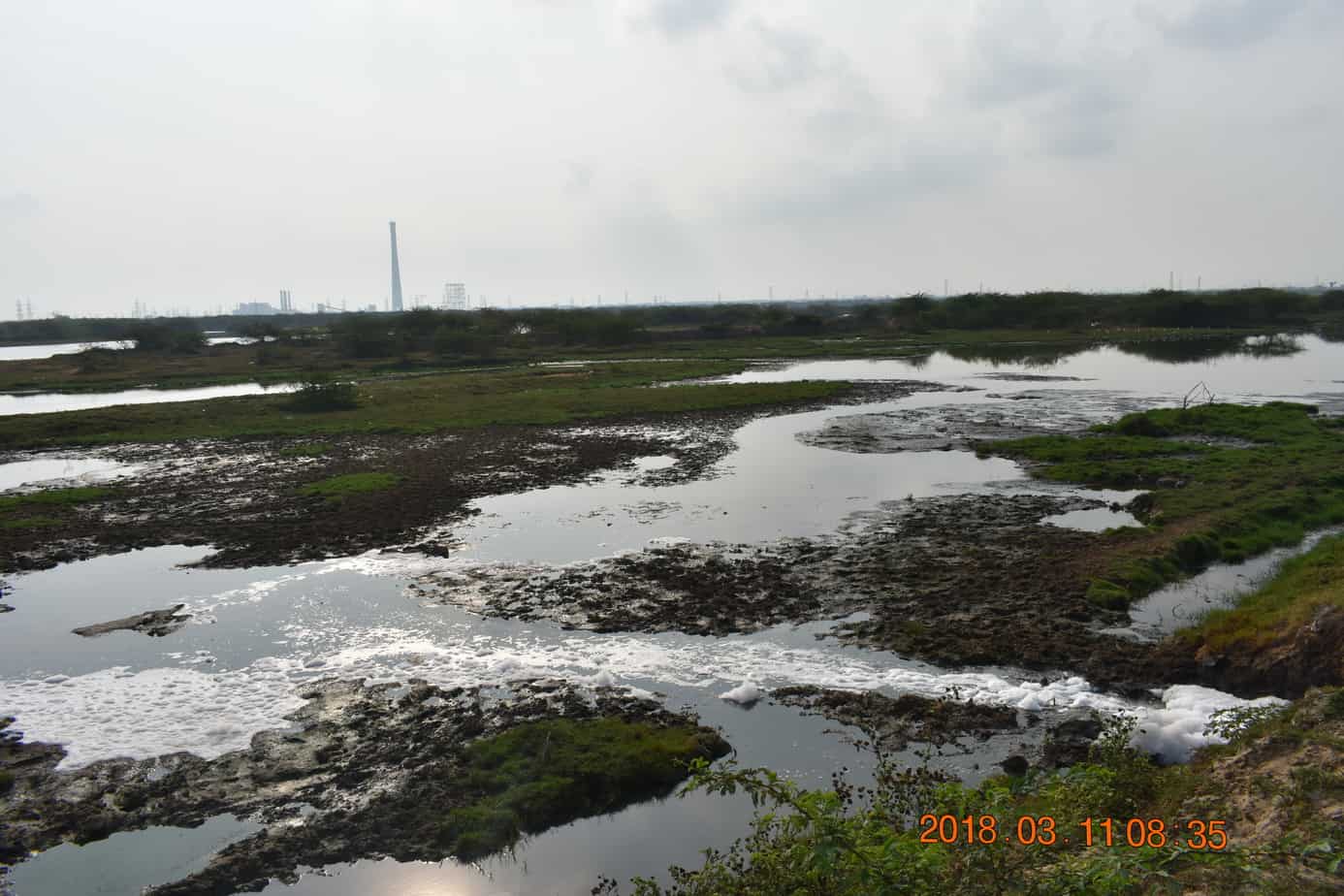
Sewage flowing into the Kosasthalaiyar. Pic: Raghavan Lokesh
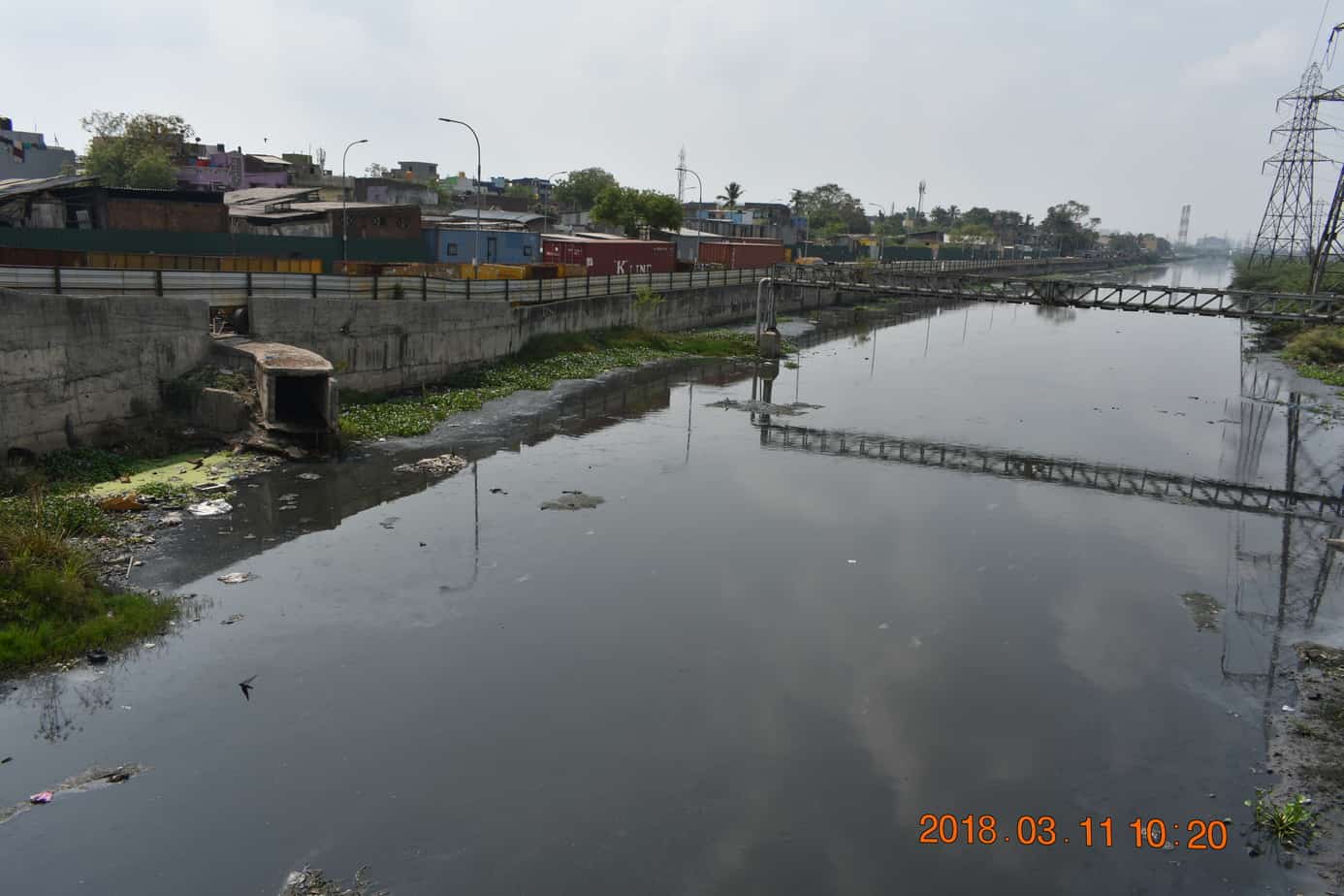
The Buckingham Canal at Vyasarpadi. Pic: Raghavan Lokesh
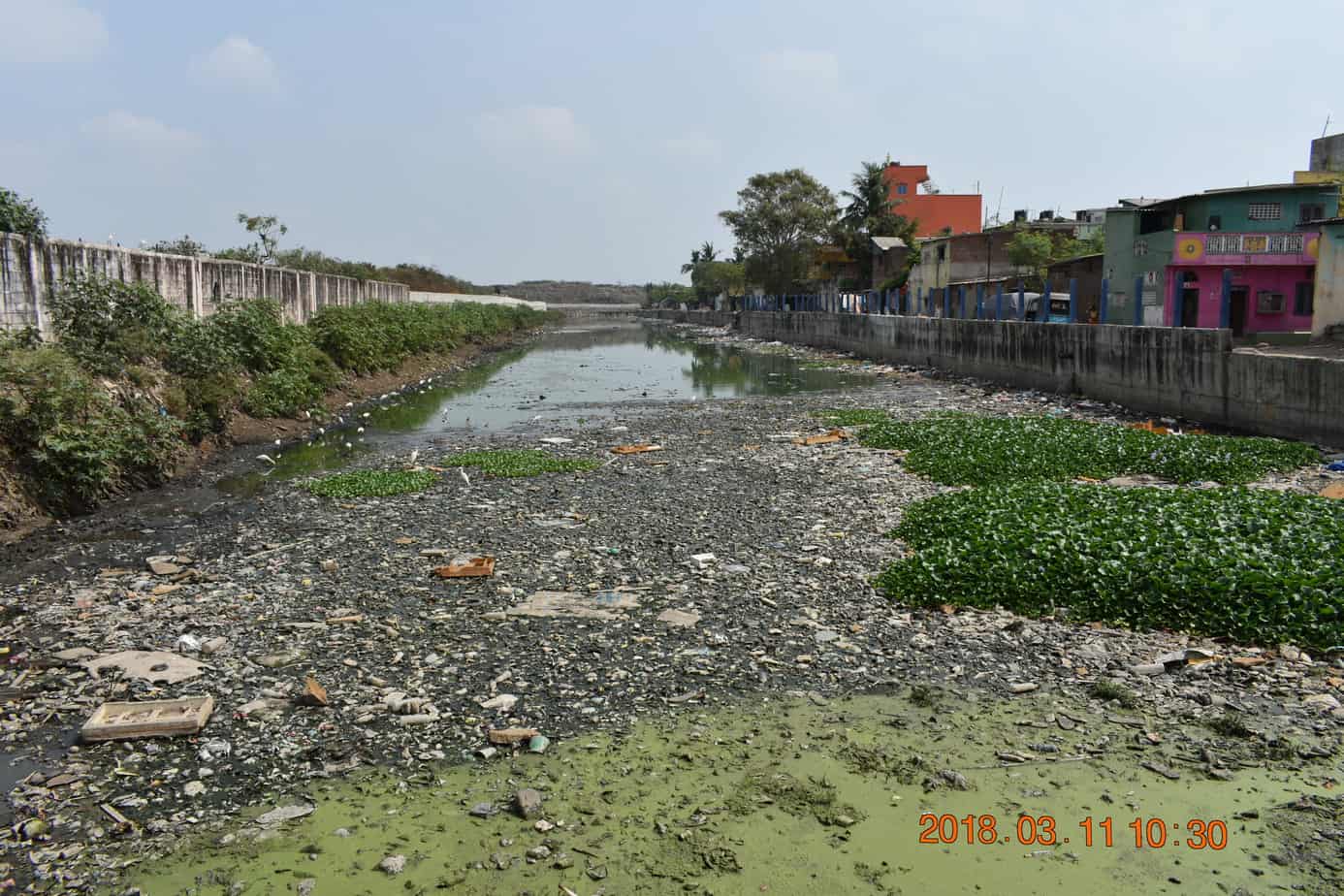
A view of the Buckingham canal at Kodungaiyur. Pic: Raghavan Lokesh
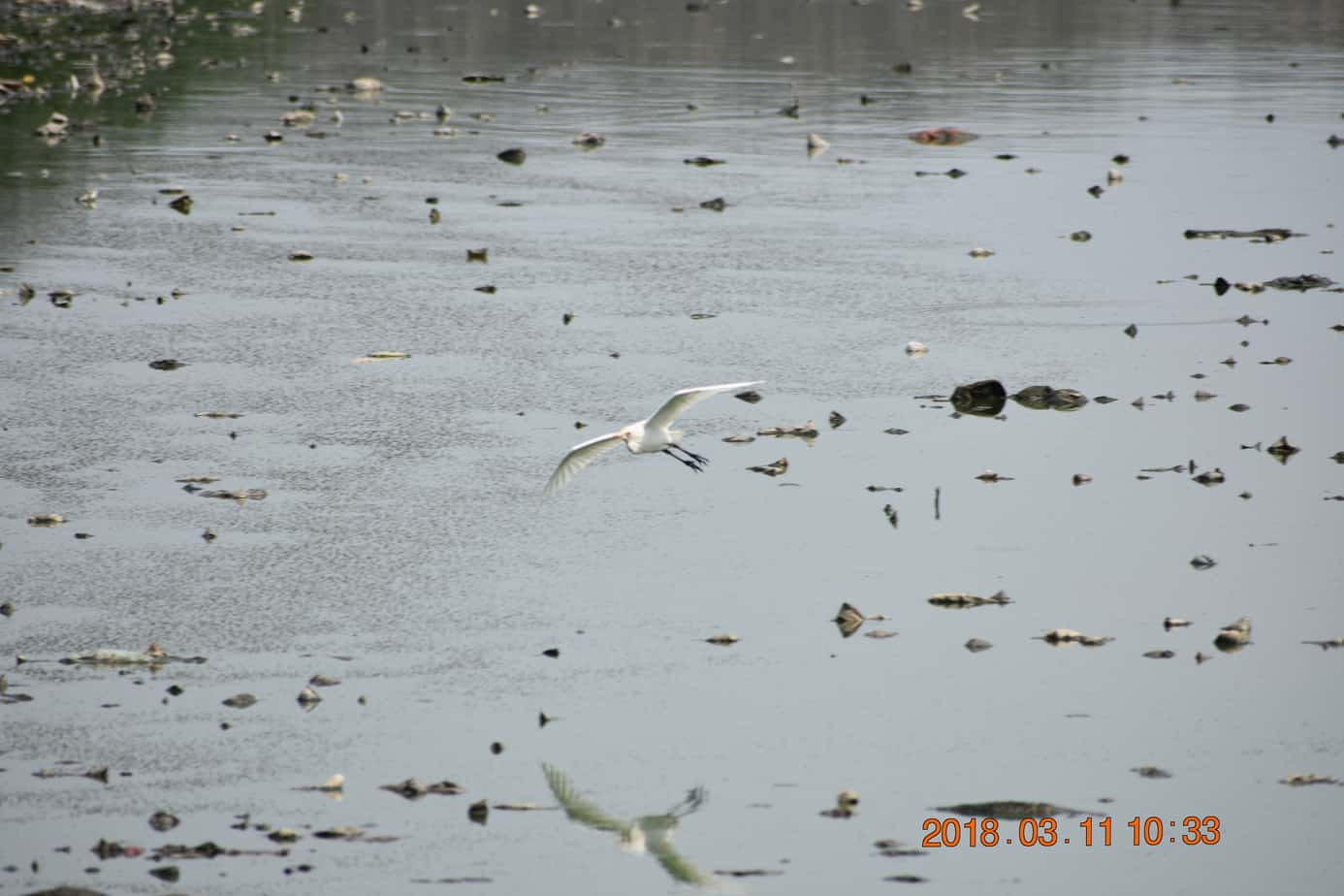
Birds fly over the Kosasthalaiyar in valiant bid to find something alive in the waters. Pic: Raghavan Lokesh
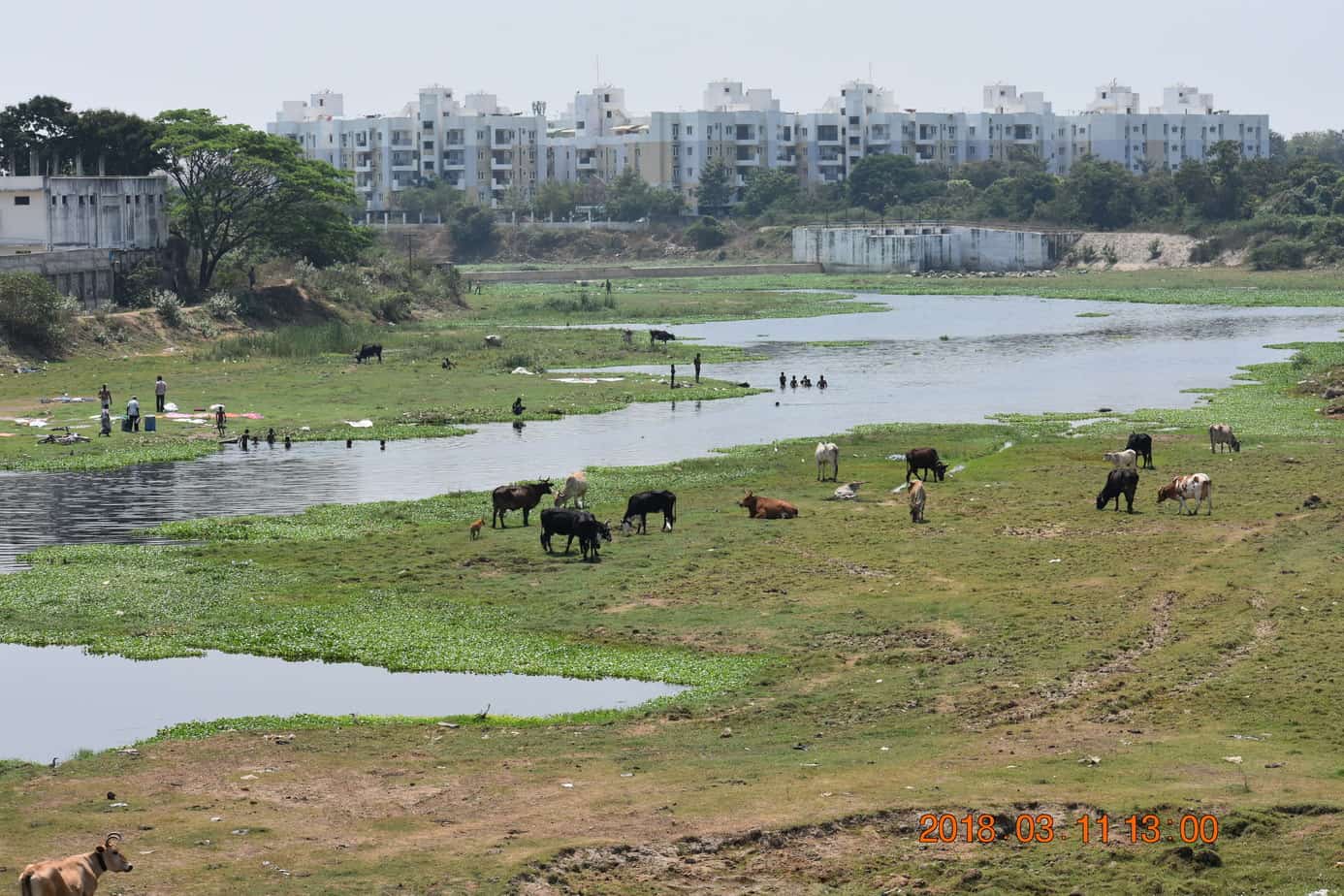
Cattle grazing on the bed of what is left of the Adyar river, behind MIOT Hospital. Pic: Raghavan Lokesh
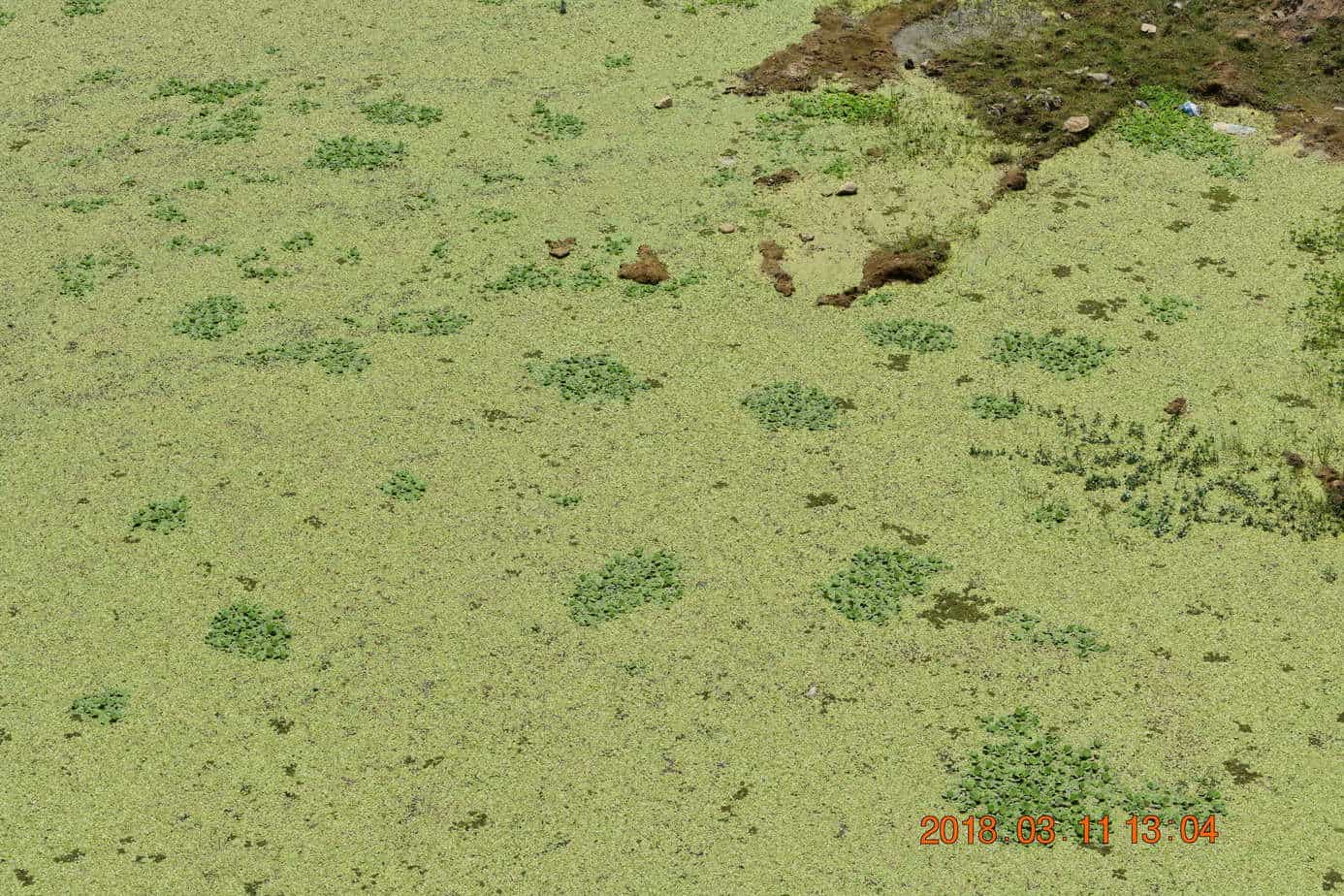
Sludge floating on the stagnant waters of the Adyar river at Ramapuram. Pic: Raghavan Lokesh
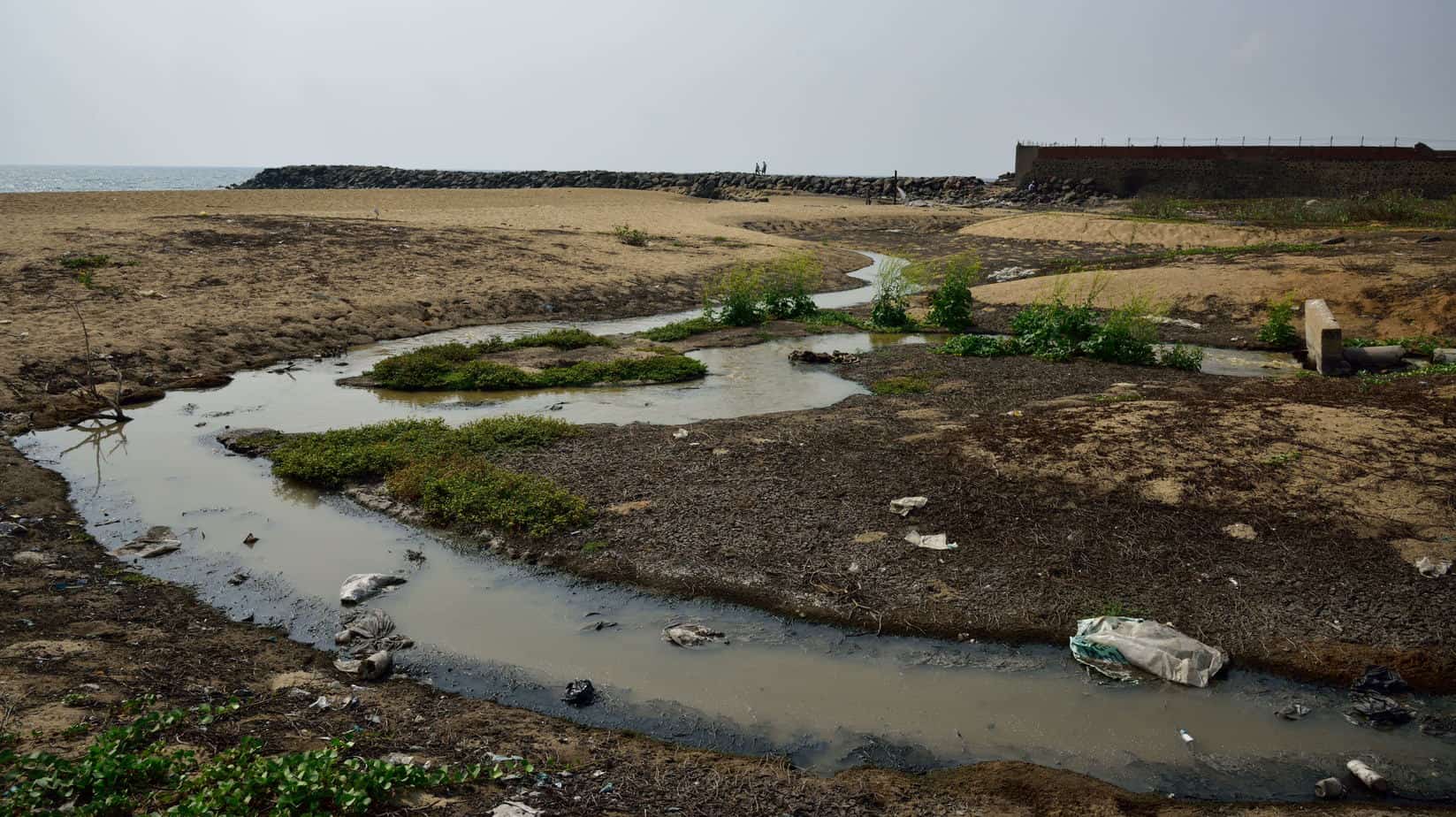
Sewage flows into the sea at Thiruvottiyur beach. Pic: Mohan Kumar Karunakaran
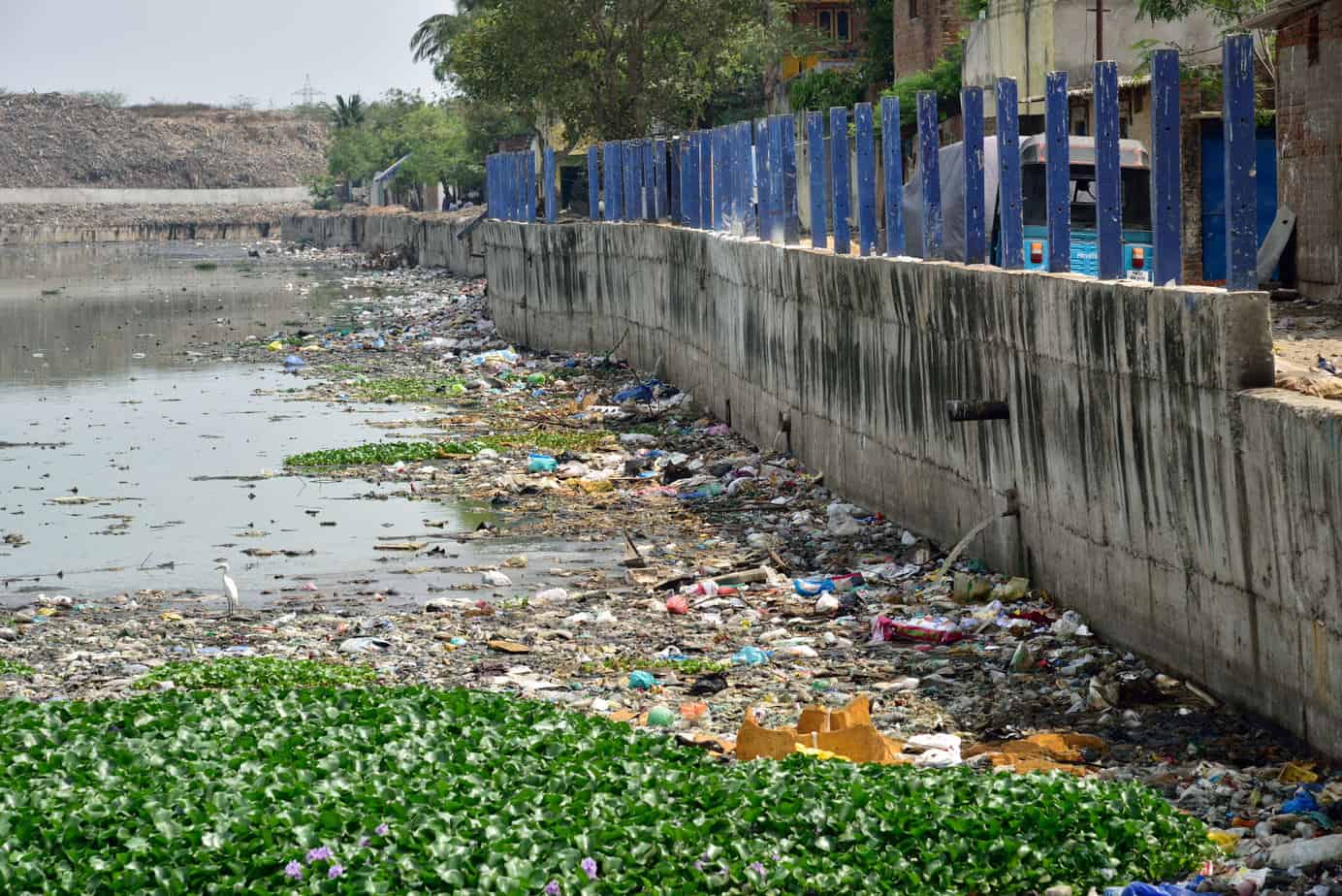
Another shot of the Buckingham Canal at Kodungaiyur. Pic: Mohan Kumar Karunakaran
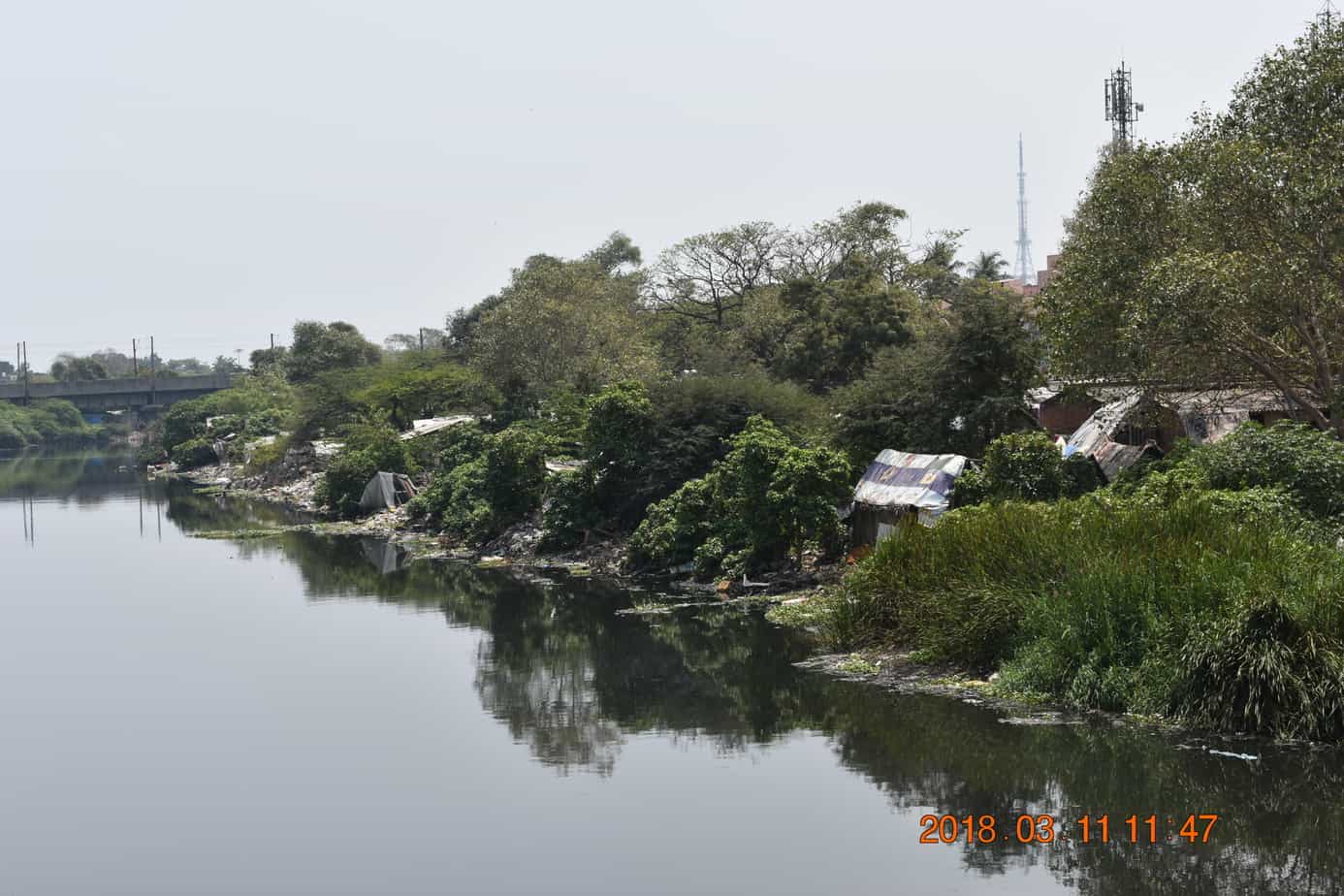
Slums on the banks of the Cooum in Egmore. Pic: Raghavan Lokesh
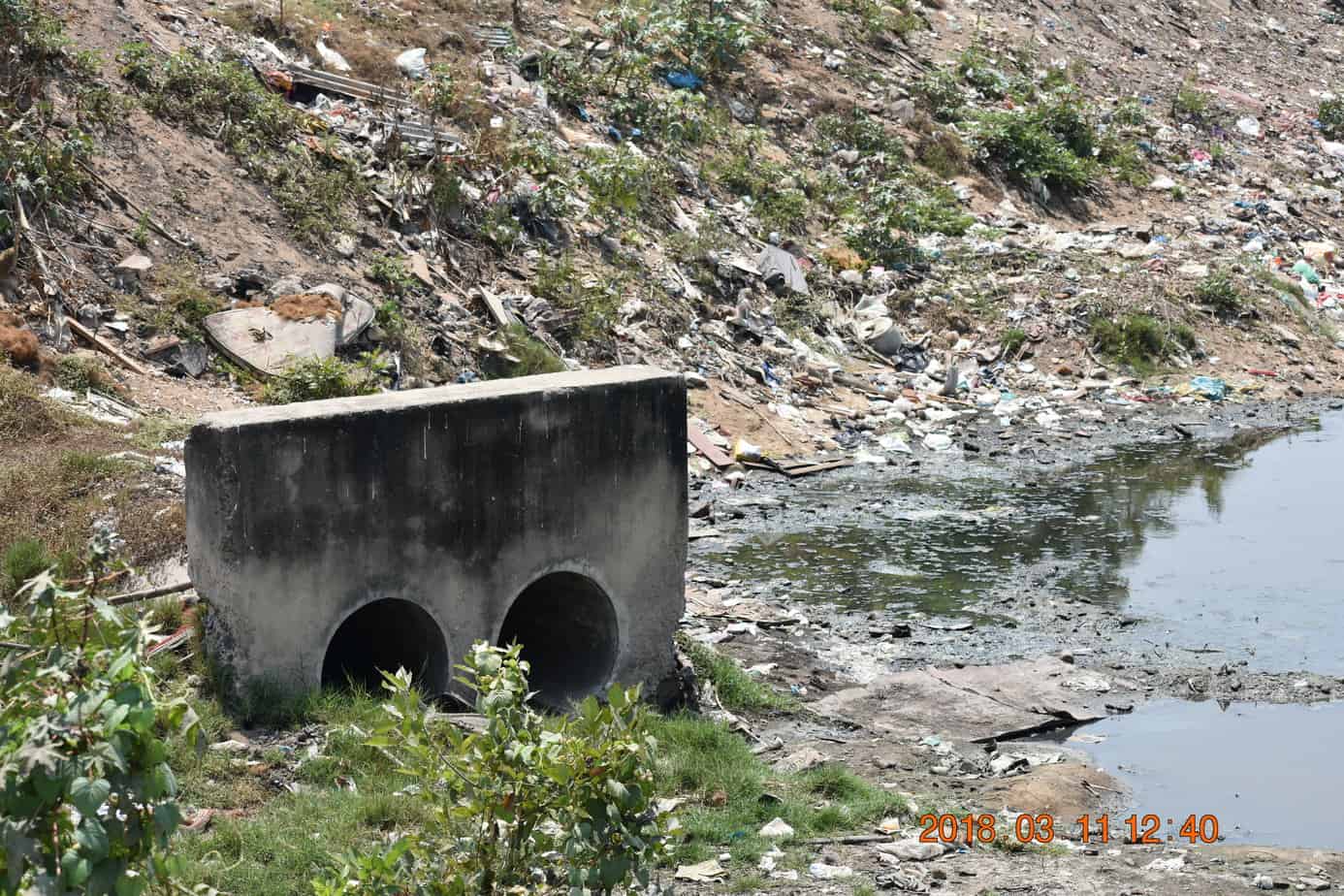
Where is the Adyar river? Pic: Raghavan Lokesh
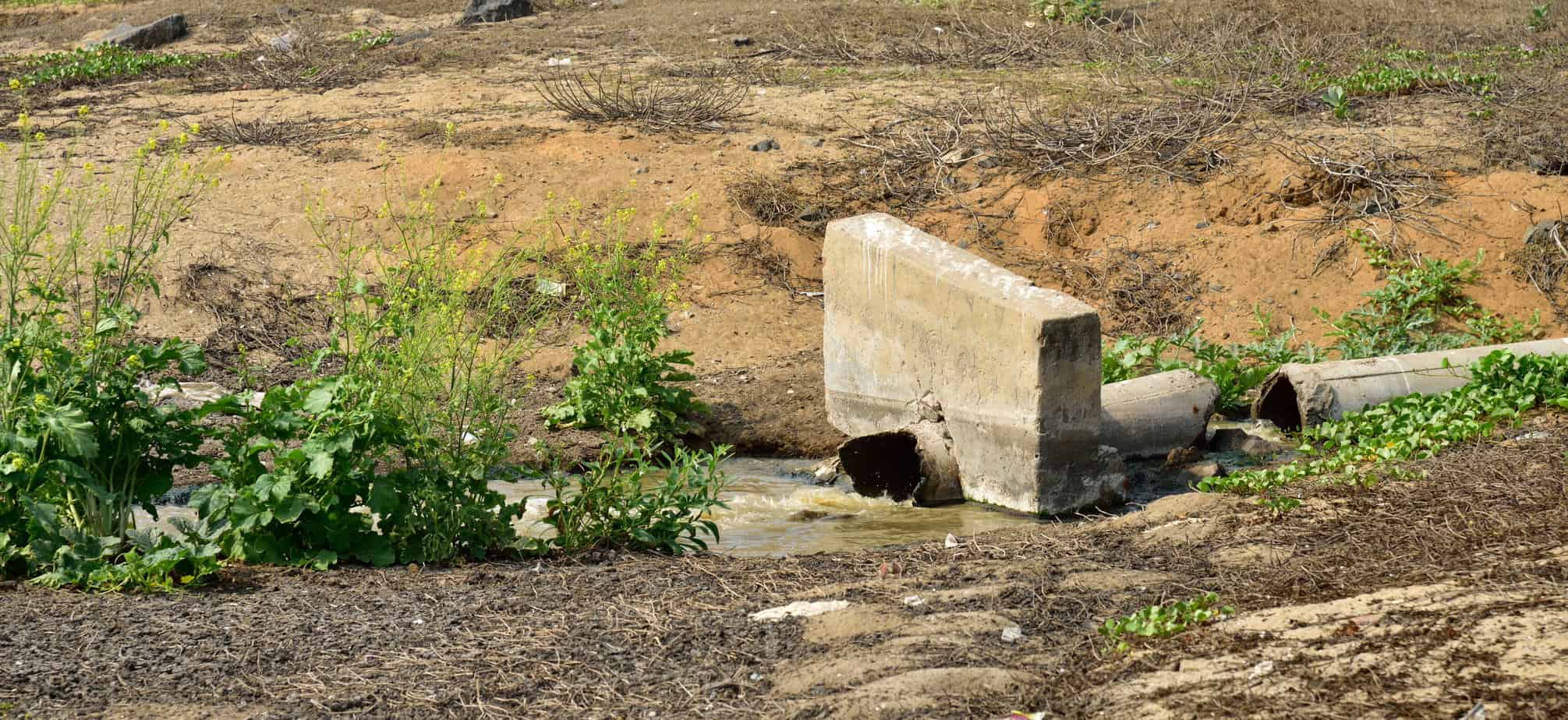
Broken pipes, carrying untreated sewage to the sea at Thiruvottiyur. Pic: Mohan Kumar Karunakaran

[Raghavan Lokesh is an entrepreneur and has been volunteering with Arappor Iyakkam since 2017. Mohan Kumar Karunakaran works with Royal Bank of Scotland. Moved by the state of a water body in his neighbourhood, he has been volunteering with Arappor Iyakkam over the last few months, seeking to impact the city in a positive way.]

Leave a Reply

Your email address will not be published. Required fields are marked *

Similar Story

Mumbaikars are fighting for their mangroves. Here’s how you can join them

Mumbai is about to face a monumental loss—its mangroves are being cut to build the coastal road. Citizens, however, have not given up the fight to save them.

​“What happens when we remove this natural infrastructure of the city? What happens if it floods? What happens if the air quality (index) goes really high?” asks Pooja Domadia, a member of the Save Mumbai Mangroves campaign. These are questions that many Mumbaikars have as work begins on the Versova-Bhayandar Coastal Road, which is set to affect 45,000 mangrove trees. In March this year, the Supreme Court dismissed a petition challenging the Bombay High Court order to greenlight the cutting of mangroves for the project. Is the SC decision a fatal blow to the movement? The BMC has already begun…

Similar Story

Where are the pollinators in Bengaluru?

Despite the volumes of citizen-generated data on the city's biodiversity, pollinators who sustain the urban ecosystem do not seem to be getting their due attention.

Urban biodiversity is often discussed in terms of tree cover, lakes, or flagship species, but far less attention is paid to pollinators—the insects and birds that quietly sustain urban ecosystems. In Bengaluru, a rapidly urbanising city with a strong culture of citizen science, large volumes of biodiversity data are now being generated by the public. But what does this data tell us about pollinators in the city? This article draws from a data jam hosted by OpenCity in Bengaluru that explored pollinator observations using publicly available, citizen-generated datasets. By analysing long-term observation records and spatial data on land use and…