Reena Pimenta, a 62-year-old resident of Ghatkopar, resides alone in an apartment located around five kilometers away from her daughter’s home. Her daughter lives with her in-laws and a 5-year-old son. Since the passing of her husband two years ago, Reena’s solitary living has been a challenge.
“I cannot go and live with my daughter, it doesn’t feel right. So, I’ve created my own small world here to keep myself occupied.” Reena finds companionship with a group of senior citizens from her residential society, who go for morning walks and gather for chit-chat sessions in the evenings. These social interactions, along with occasional visits to her grandson, reduce her sense of loneliness. However, during the monsoon season, Reena’s social activities come to a halt.
“When it rains or even drizzles, I can’t go out, and nobody gathers to meet,” she says. Even trips outdoors for groceries become less frequent, as her daughter arranges online deliveries. “I spend the entire day at home, without any human interaction. Sometimes, this goes on for more than a week. It starts taking a toll on mental health, especially for older folks like us,” she reflects.
One might assume that only senior citizens like Reena struggle with being confined at home, and the rest of the world may be going about their daily lives. But that is not so. Many people, even after having all conveniences at their disposal, experience a sense of emptiness during the monsoon season due to a phenomenon known as Seasonal Affective Disorder (SAD).
What’s SAD?
“It is a form of depression that follows a seasonal pattern. Often referred to as ‘rain depression,’ SAD’s symptoms tend to be more pronounced and severe during the rainy season,” says Dr Alisha Laljee, a Mumbai-based psychologist.
More than 10 million individuals in India suffer with Seasonal Affective Disorder, caused or triggered by changing seasons and weather. Typically, those affected by SAD encounter symptoms in the dull rainy season, persisting through the winter, causing energy depletion and mood fluctuations. However, these symptoms usually dissipate with the arrival of spring and summer.
Doctors also said that having a few sunny days intermittently can also help improve the mood and energy levels of those suffering from SAD.
SAD can make you lose interest in things you liked before. A persistent feeling of low energy and sluggishness often accompanies this condition, along with disrupted sleep patterns. Carbohydrate cravings and overeating, sometimes leading to weight gain, can become apparent. Concentration might become difficult, making tasks challenging. Feelings of hopelessness, worthlessness, or guilt can also develop in some people.
This phenomenon highlights the complex and often underestimated interplay between our environment, weather patterns, and mental well-being.
Diseases and stress
In addition to Seasonal Affective Disorder, other factors linked to the monsoon season can also significantly influence mental well-being.
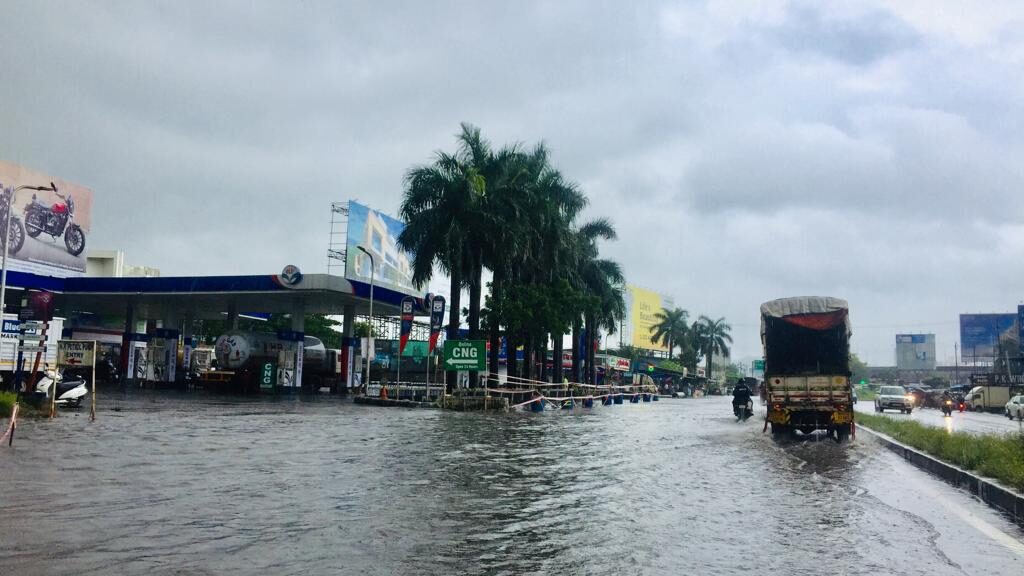
The arrival of monsoons in Mumbai is typically met with excitement. But, once it sets in, the difficulties start to affect everyday activities. Torrential rains lead to traffic snarls, flooding and monsoon-related illnesses.
Between the months of June and August of this year, there has been a spike of 40% in the reported cases of malaria in comparison to the count from the previous year, which stood at 1,325 cases. This significant upsurge has not been confined to malaria alone, it has also included various other diseases such as leptospirosis, dengue fever, gastroenteritis, and hepatitis.
“As a result, stress levels tend to rise, leading to a reduced tolerance for frustration, heightened interpersonal conflicts, and a dip in self-esteem,” explains Dr Kedar Tilwe, consultant psychiatrist, Fortis hospital, Mulund and Hiranandani hospital, Vashi. “For some individuals, the onset of rains can also trigger recollections of past traumatic experiences related to the harrowing deluge and cyclones, potentially leading to panic attacks, heightened anxiety, and even symptoms reminiscent of depression or post-traumatic stress disorder (PTSD).”
Read more: Mental illness a ticking time bomb, say experts
Less oxygen in air
Situated along the coast, Mumbai has high humidity levels, which tend to rise significantly, often exceeding 80%, throughout the duration of the monsoon season, according to India Meteorological Department (IMD). This elevated moisture content in the atmosphere can lead to a reduction in the overall oxygen levels, potentially impacting the quality of breathable air.
“Insufficient oxygen levels during the rainy season can lead to mental health challenges such as low moods, anxiety, and depression-like symptoms as there is inadequate supply of oxygen to the brain. It can also cause behavioural concerns, and developmental disorders,” adds Dr Alisha.
The correlation between oxygen levels and psychological well-being highlights the importance of recognising how environmental factors, like humidity during the monsoon, can affect mental health.
What can you do about it?
Amidst the rainy days, a little self-talk can make a big difference, says Dr Alisha. “Talking to yourself in a positive way can be really helpful. Just remind yourself that this phase is temporary and things will get better. Also, try spending time with people who have a positive approach and a similar mindset. It can really lift your spirits and make you feel better.”
Dr. Kedar suggests that reaching out and discussing these feelings with your family, friends, doctors, or mental health professionals will help in reducing this distress.
Mental health often gets overlooked, lacking the attention it deserves. Understanding its importance is crucial. Whether facing temporary monsoon blues or more enduring mental challenges, seeking help should be normalised, psychologists say.
It’s equally vital to extend a hand to those around us, who may be grappling with such issues.
For Reena, and many others like her, just a quick drop-in to say hello or an offer to take them to the nearby market, would a go long way in making their days and mood less gloomy.
| Mumbai-based Helplines LETSTALK1ON1 Toll-free 24×7 helpline by the BMC and state government in collaboration with Mpower Call: 1800-1208-20050 Visit: Mpowerminds.com/oneonone Samaritans Mumbai Call: +91-8422984528, +91-8422984529, +91-8422984530 Visit: http://samaritansmumbai.org/ |