In 2022, the authorities announced the plan for the introduction of electric buses with impressive reactions from the public. While Mumbai and Pune have their fair share of electric bus fleets,
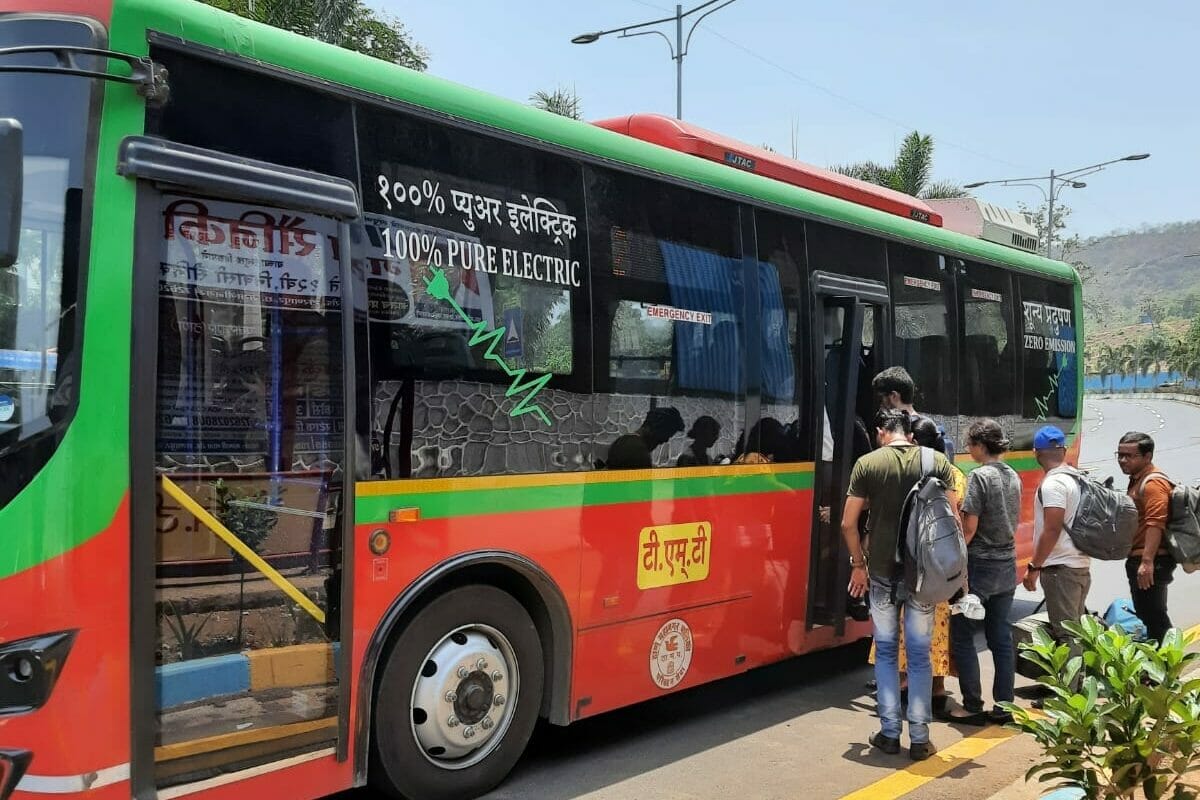
this was new for the residents of Thane. TMC (Thane Municipal Corporation) soon started the service in small numbers.
With global warming on the rise, Mumbai is witnessing one of the hottest summers this year. It has only increased the need for a cool, yet sustainable commute option for locals. Electric Buses are the perfect solution for this.
Comfortable and cost effective
With sleek interiors, the buses are capable of seating around 30 people at a time. Most of the buses have air conditioning, which provides a quick fix for the heat. The fares are relatively similar to Non-AC petrol buses, ranging around 10-15 rupees.
Another popular feature on the electric buses are the big glass windows that surround the bus, providing more immersive experience on the ride. The interiors are complete with digital signs in various different languages and cushioned seats. Commuters praised its zero- noise quality, which further decreases the noise pollution on busy streets.
Priya, a regular on the Pawar Nagar-Thane Station route said, “I often take this route for work and the new electric buses have been simply amazing. The make is classy and the buses are very comfortable with their cushioned seats. Even the prices are great.” Samir, another traveller had concerns with the frequency of these buses. He said, “The electric buses are great, the AC is very refreshing and it feels like a good sustainable option. However, I wish these were more frequent.”
Many passengers had similar troubles, with the AC buses coming on a particular route only once in an hour. Majority of the public travelling in the electric buses loved it for the refreshing break from the heat in the AC. Many also appreciated the bus as a step towards conservation and sustainability and its zero noise, zero emissions feature.
Then and now
It was announced in September 2022 that an order for the procurement of 123 electric buses had been placed with Olectra, a leading manufacturing company of buses. Olectra buses currently operate in Mumbai, Pune and Nagpur in large numbers. This order was placed at the cost of Rs 185 crore by the TMC. In February, Thane Municipal Transport (TMT) finalised a budget of Rs 487.86 crore, planning to focus on adding electric buses and CNG buses, and improving connectivity on bus routes.
Of these 123 buses, TMT has procured on 11 buses which are operational on a few select routes around the Thane Station, Kopri, Wagle Estate etc. The remaining electric buses are expected to hit the roads in July 2023, taking the number of buses in the TMC fleet to over 400, TMT general manager Bhalchandra Behere had said in a statement.
Read More: “Mumbai’s BEST buses have a fleet issue“
The 11 electric buses that are currently functional are all dispatched from the Kopri Bus Depot, which is a hub for all electric buses around the area. Here, the buses get their batteries charged for their routes and also undergo maintenance. Recently, prices for these buses and other electric buses serving longer routes were slashed by 40-50%. The fares for local routes range from 10-15 rupees, which is not a significant hike from Non-AC Diesel buses.
This step was taken in an attempt to make commute more comfortable and affordable for the public, especially in the heat. TMT also hopes to increase the footfall with this move. It was also reported that the Kalyan-Dombivli Municipal Corporation (KDMC) would be providing 10 electric buses to Badlapur, which is currently dependent on auto-rickshaws for commute.
Future is electric
The TMC is aiming for a more sustainable approach towards public transport. It plans to go fully electric with a fleet of entirely electric buses. Cities like Pune, are also advancing on the same goal, with an electric bus fleet of 500+. TMT has already rolled out many CNG buses, with orders placed for more, in a bid to reduce pollution. The initiative was well received among the public, and is well on its way to success, with a few hurdles to be overcome like the frequency and connectivity. TMT plans to mitigate these problems with additions to their electric bus fleet.
In a meeting with civic officials, TMC Commissioner Abhijit Bangar stated that “The eco-friendly buses with their ‘breathe easy, zero emission, no noise’ properties, will give a new identity to Thane city. In the background of global climate change, the civic body is implementing environmentally-friendly schemes, along with measures to increase the per kilometer revenue of the buses.