Around 10 lakh people use the Thane railway station, bringing massive footfall to the vicinity. However, reaching the station has become a headache for commuters, as all roads leading to the station have heavy traffic.
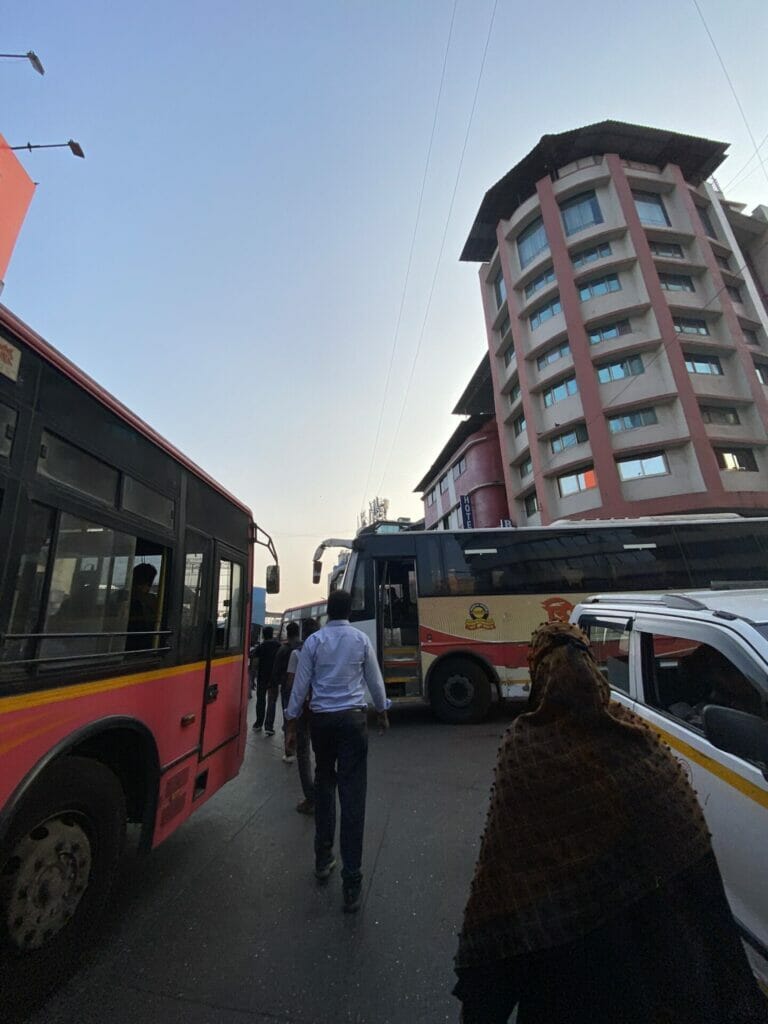
The roads leading up to the station are part of a busy, bustling market with shops selling daily necessities and vegetable vendors selling their wares on the roadside. This 1.2-kilometre stretch is used by buses, autos and private vehicles to ply to and from the railway station.
Travelling by this road takes around 20-30 minutes, thanks to the road being packed with vehicles and hawkers. People have to walk on roads due to the absence of wider footpaths here. Most footpaths also have street vendors or shops spilling over onto the street. This problem affects commuters daily as work and train schedules get affected due to unexpected delays while going to the railway station.
Read more: Mumbai, this is how you can tackle traffic jams
Traffic at Thane station is due to various factors like narrow roads and unplanned constructions. It needs to be addressed urgently to resolve the issues of commuters who have to use this road to access the station on a daily basis.
Poor planning by the municipal corporation to address Thane traffic
Poor planning by Thane Municipal Corporation is one of the major reasons why commuting to Thane Station is a big worry. In 2012, the Thane Municipal Corporation opened Thane SATIS (STATION AREA TRAFFIC IMPROVEMENT SYSTEM) which was built in collaboration with MMRDA (Mumbai Metropolitan Region Development Authority) and was funded by the World Bank. The SATIS at Thane Station West is a poorly planned infrastructure project, which has failed to ‘improve the traffic’ or ease pedestrian movement in the station area.
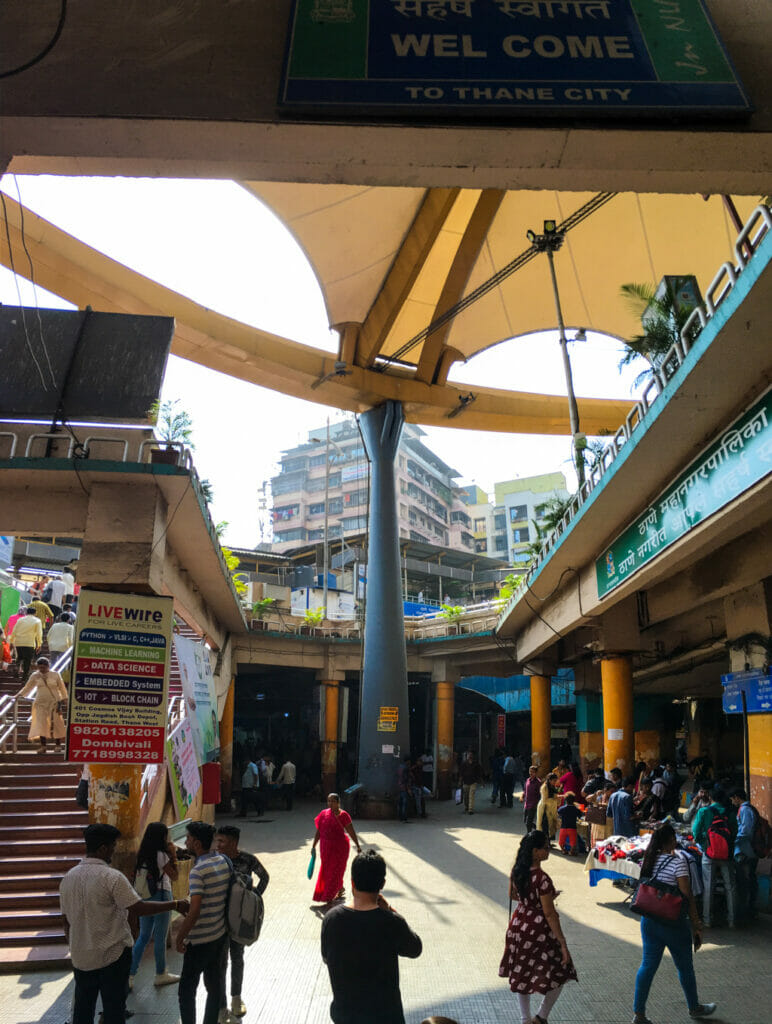
In this project, an elevated platform was constructed above Thane station, which is exclusively used by Thane Municipal Transport buses plying to the railway station. However, the arms of this flyover could have been constructed at Court Naka to ease the traffic. Currently the entrance arm of the flyover starts at Ashok Cinema, which is not accessible to most passengers, hence, most walk below the flyovers to reach the station.
Earlier attempts at road widening
On March 1st 2016, TMC undertook its demolition drive at the Thane station road area. During the drive, over 1000 shops and structures, which had made the area congested and difficult to travel through, were demolished over three days.
The drive reduced the width of the road from 50 feet to 30-35 feet, currently. But despite road widening, the situation has not changed at all. Street vendors are not rehabilitated to designated vending areas in the market – adding to the problem.
An ever-expanding Thane city
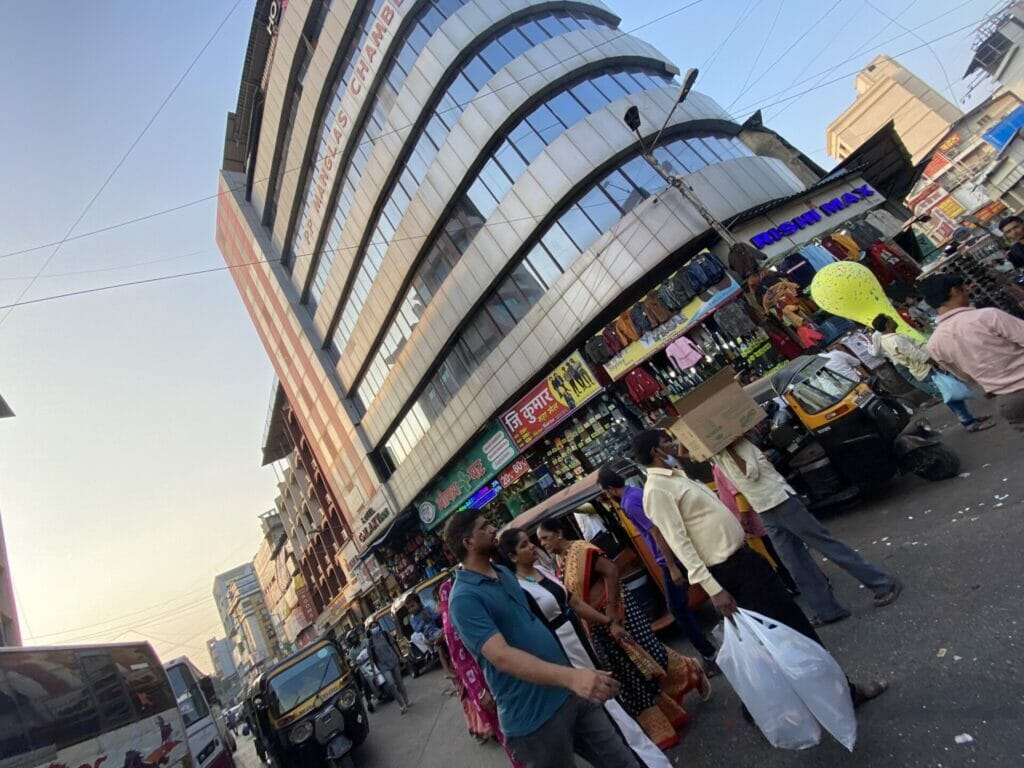
Construction projects are taking over the city and more and more multi-storey buildings have come up. It has further burdened the existing infrastructure which has not been upgraded to cope with the inflow of migrants to the city. The Thane Municipal Corporation blindly approves the construction of towers with 50-70 storeys, but fails to provide adequate public infrastructure which leads to traffic mess. Without adequate bus stops, buses and roads wide enough to accommodate the inflow of vehicles, how can the growing residential population commute daily?
Poor public transport
The Thane Municipal Transport has only 300 buses plying daily, many localities like Majiwada, Kolshet, Pawar Nagar & Waghbil need more buses but the TMT has not been able to provide the same. There is no last mile connectivity at all in Thane for bus passengers which is why people are dependent on expensive autos or share autos, which ferry around 5 people illegally.
Evidently the 4,200 vehicle parking facility built by the Central Railway is also not enough as those who do own two wheelers park their vehicle in the market roads surrounding the station and walk to the station due to lack of parking spaces.
Read more: Has the Mumbai Metro helped reduce traffic at all?
What we need
Unless wider pavements and another round of road widening don’t happen here, the traffic conditions will remain as they are. Thane station road is the only wide road towards Thane station West and hence the burden on this road is huge.TMC also needs to add at least 300 more buses to its fleet count. Designated parking spots are the need of the hour. The underground parking facility at Gaondevi Maidan by the TMC is scheduled to open soon, which may reduce some parking problems from the Thane station side.
If TMC does not act upon the commute problem impacting the residents, it might be safe to assume that it has also silently accepted the fact that this traffic is here to stay.