Decision on shutting down COVID jumbo centres likely by next week
The Brihanmumbai Municipal Corporation (BMC) will decide on whether Covid jumbo centres in Mumbai should be dismantled, by next week. With COVID-19 cases reducing to between 200 and 100, a few centres like the ones at Dahisar, Goregaon, Malad, Sion and Kanjurmarg might be shut, but centres at Bandra Kurla Complex (BKC), Byculla (Richardson and Cruddas) and Worli (NSCI) will continue to function.
“The daily occupancy in many of these centres has been in a single-digit since the past few days. While we will ensure that we are prepared for any newer threat, we will take the decision to shut down some of the jumbo centres completely,” said additional municipal commissioner Suresh Kakani.
The jumbo centres have remained functional since April 2020, through the second and third wave. Now, keeping in mind the precarious nature of the virus, the BMC is keeping vigilant in maintaining a few centres in the city.
Source: Hindustan Times, Indian Express
Climate Action Plan to kickstart before civic polls
The Mumbai Climate Action Plan led by the BMC will likely release within the next month, just in time for civic elections. The plan will be implemented through the BMC’s Climate Action Cell, announced in the civic body budget for 2022.
The MCAP was launched in August 2021 to fight the impact of climate change and reach zero net emissions by 2050. WRI India, a research organisation, is engaged as a knowledge partner for the project. During the the initial division of the plan, the BMC opened up the process to invite consultations and feedback from various stakeholders.
The plan will focus on six key areas, sustainable waste management, urban greening and biodiversity, urban flooding and water resource management.
Source: The Times of India
Read more: Mumbai Climate Action Plan has the potential to be a game changer. Here’s how
Bombay HC declares vaccination rule for local trains ‘illegal’
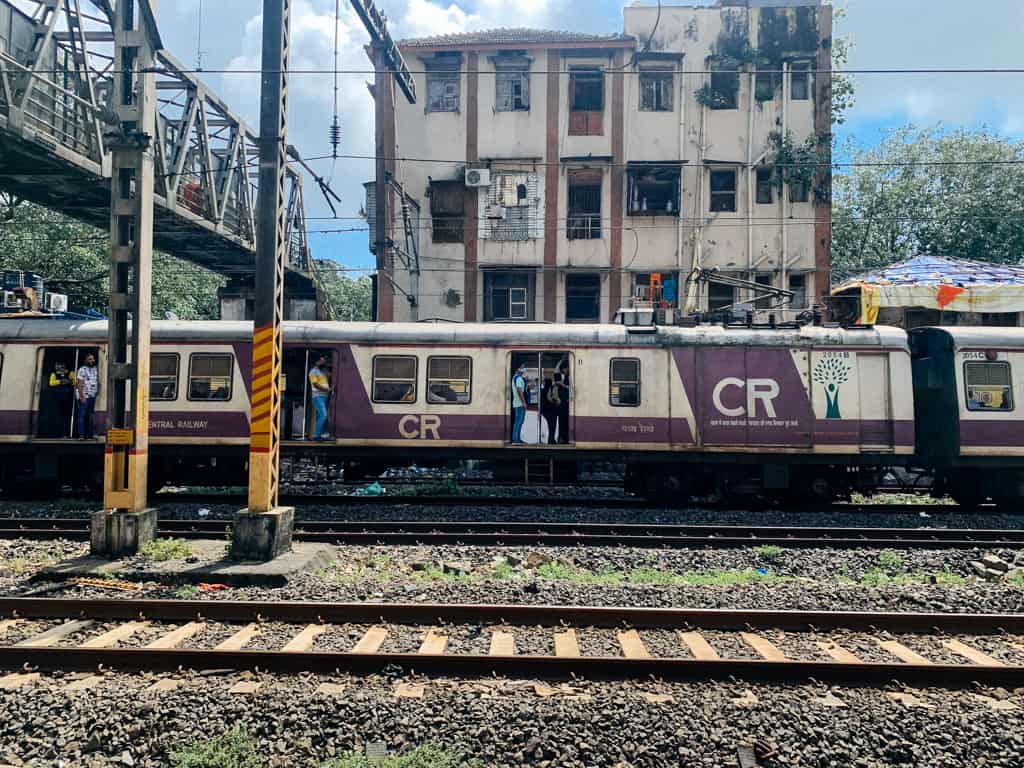
On February 22nd, the Bombay High Court deemed the Maharashtra government’s rule of permitting only fully vaccinated citizens to travel by the local trains ‘illegal’, and a misuse of fundamental rights.
“The orders passed by the former chief secretary were in clear diversion of the prescribed procedure. Due to the illegal orders, the fundamental rights of citizens were brazenly affected,” the High Court said.
The Court was hearing a bunch of Public Interest Litigations (PIL) challenging the rule, claiming that it violated citizens’ right to move freely within the country. The Court asserted that since COVID-19 positive cases were reducing in the city, maintaining the rule was arbitrary.
In August 2021, Maharashtra Chief Minister Uddhav Thackeray announced that local trains would commence for fully vaccinated citizens. City mayor Kishori Pednekar had added that QR code-based passes would be issued for travellers.
Source: NDTV, The Economic Times
Water fountain in Nerul causing inconvenience and danger
A water fountain installed in Nerul Sector 11, Navi Mumbai, has caused inconvenience and potentially dangerous environment for citizens. Motorists are getting drenched and the road around it is getting flooded. The Navi Mumbai Municipal Corporation (NMMC) had Installed a couple of water fountains around the city as part of their beautification work for Swachh Survey 2022. The fountain at a divider in Nerul was built at a cost of Rs 5 lakh and an additional Rs 8 lakh for motor and light arrangements.
“The NMMC, in its attempt to ace the Swachh Survey, has invested crores of Rupees in installing water fountains across the city but this fountain is merely a waste of money. It is creating inconvenience to the motorists as it drenches them and also floods the road. It would also lead to accidents.” said Arun Kumar, an activist from the area.
Source: Hindustan Times
Mumbai is now first district to administer 2 crore vaccine jabs
This week, Mumbai became the first district in Maharashtra to complete 2 crore COVID-19 vaccination jabs. Close to 111% people in the city have been administered the first dose and 96% have taken both doses. Of the two crore doses, 1.5 crore are first doses, 90.9 lakh are second doses and 3.29 lakh doses are third, or precautionary doses.
Vaccination against the virus started on January 16th 2021, with just 10 centres at first. By the end of the year, the city had 462 vaccination centres, including 146 centres. To reach more people, the BMC had also started door-to-door vaccination coverage, to make the process accessible to older citizens particularly.
Source: The Times of India
[Compiled by Saachi D’Souza]