Migrant exodus begins in Mumbai
Hundreds of migrant workers waited outside Lokmanya Tilak Terminus to board trains and return to their hometowns. Echoing struggles of last year, migrants are either taking once again to the road, or spending anywhere from Rs. 1,500 to Rs 5,000 for trains and buses leaving the city. The Chief PRO of Central Railway stated that on April 14th ten trains were scheduled to leave for northern states and had waiting lists of more than 1,000 people. The All-India Motor Transport Congress’s Chairman claimed that almost all of Maharashtra’s 14 lakh helpers, unloaders, and truckers are migrants. “If there is a total lockdown, then migration will rise exponentially,” he said.
Source: Mumbai Mirror, Indian Express, Times of India
Also Read: Civil society organisations write to Maharashtra Chief Minister on latest restrictions
Doctor arrested for selling Remdesivir in black markets
Amidst the rapidly declining availability of the anti-viral drug Remdesivir for Mumbai’s hospitals, three individuals including a doctor were arrested on charges of selling it in the black market. The group had offered three injections for the price of Rs. 59,000 (approximately Rs. 19,666 per shot). The price for the drug is Rs. 1,400 per injection. A task force of medical experts advised against the ongoing over-prescription of Remdesivir. A specialist of infectious diseases asserted that “many people are being unnecessarily put on the drug.”
Source: Hindustan Times, Times of India
National Green Tribunal demands water inlets to Panje be unblocked
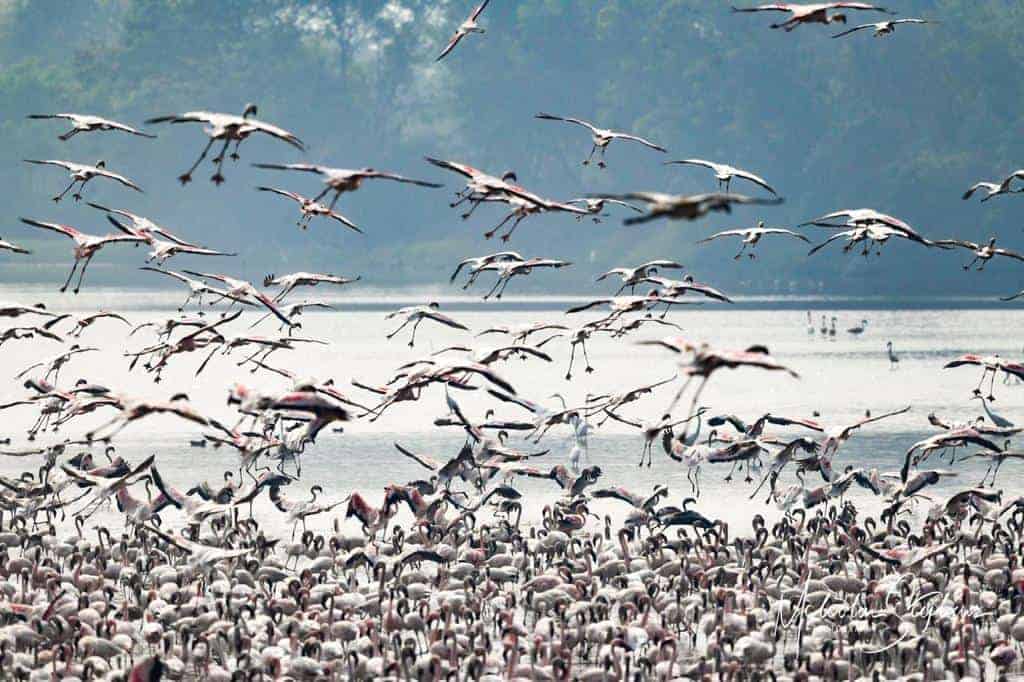
Despite the Bombay High Court ruling last November stating that blockage of tidal water flow to the Panje wetlands was a violation, inlets to the area have yet to be cleared. On April 15, the City and Industrial Development Corporation (CIDCO) was instructed by the National Green Tribunal (NGT) to ensure all inlets are opened so that sea water can reach Panje and surrounding mangroves. Panje is a low-lying coastal wetland with mangrove forests spread out at various locations inside it. Investigation revealed that even though Panje is a protected wetland, CIDCO has leased most of it out to the Navi Mumbai Special Economic Zone (NM-SEZ). NM-SEZ then undertook massive illegal construction in the area. In this process, CIDCO and NM-SEZ have plugged strategic inlet points rendering Panje wetland dry and uninhabitable for migratory birds and other local life.
Source: Indian Express, Hindustan Times
Also Read:
Luxury hotels used for treating COVID-19 patients with milder infections
Mumbai’s private hospitals are now using 4 star and 5 star hotels to treat COVID-19 patients who have milder infections. BMC will designate more hotels as potential ‘step down facilities’ in order to free up hospital beds for patients in need of critical care. This comes with costs for patients. Hospitals can charge up to Rs. 4,000 and an additional Rs. 6,000 for a room in the hotel for anyone wanting to accompany the patient. Intercontinental Hotel on Marine Drive and Trident Hotel in BKC are currently part of this arrangement.
Source: NDTV
Mumbai’s dabbawalas seek financial relief
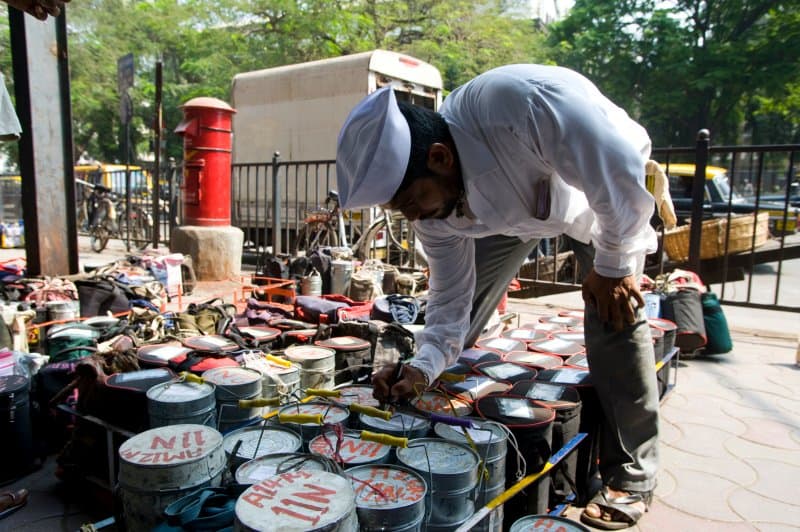
The famous dabbawalas of the city have noticed a significant drop in their workforce from 5,000 to 200-300 workers. The state government has not yet announced a relief package for them. Prior to the pandemic, these workers were responsible for transporting and delivering approximately 2 lakh cooked food across Mumbai. Their business had taken a severe hit in the previous lockdown, and the gradually recovering work has been disrupted once more due to fresh restrictions and the 50% rule imposed on offices.
Source: Mumbai Mirror, Reuters
Center gives nod to Haffkine Institute to produce Covaxin
Haffkin Institute, a pharma corporation owned by Mahashtra’s government, will now be able to undertake mass production of Bharat Biotech’s Covaxin. A period of one year has been granted to the laboratory to develop and manufacture the vaccine. One of India’s oldest medical research facility, Haffkine owes its name to Dr. Waldemar Haffkine who innovated a vaccine in 3 months for the Bombay Plague of 1896. The institute was formally opened jointly by Haffkine and then governor Sandhurst in 1899.
Source: India Today, Mumbai Mirror
Mumbai airport to run domestic flights from T2 only
In order to decrease the spread of COVID-19, the Chhatrapati Shivaji Maharaj International Airport (CSMIA) has announced it will reconsolidate all domestic flights to T2. The regulation will take effect starting on 21st April. Between January and March of this year, over 50 lakh passengers travelled through CSMIA. The majority of them were domestic flight passengers primarily to Delhi and Goa.
Source: Livemint, Mumbai Live
Mumbai crematoriums pushed to the brink
Workers in crematoriums are working round the clock to deal with the rising cases of death across the city. April 14 alone saw 54 reported COVID-19 deaths. An individual in charge of a crematorium in Goregaon East stated that approximately 20 cremations are being held there daily. The facility’s wooden and electric infrastructures are both being used continuously. The Goregaon East location primarily oversees bodies from SevenHills Hospital in Andheri, Vile Parle’s Cooper Hospital, and Kandivali’s Shatabdi Hospital.
Source: India Today
[Complied by Nihira]