This is the first in the series — Cycle 2 Work, with interviews of people working in diverse sectors. The series will bring to you stories of these green commuters who are cycling to work. The hope is that these stories will inspire and encourage more Bengalureans to cycle, and not drive, to work.
Shilpi Sahu is an IT employee who works for Qualcomm in Bengaluru and has been cycling to work for over 10 years. “I started cycling to work in 2010 and was on and off but since 2018 I am cycling to work regularly,” says Shilpi. “I commute around 20 kilometres to work and back”.
Shilpi finds cycling the most convenient way to commute to work as it avoided traffic woes, reduced commute time, and made her feel happy.
Excerpts from the interview.
What is your motivation to cycle to work?
I realised traffic was becoming worse day by day and felt unhappy and restless getting stuck in traffic. I tried public transport but it didn’t work for me as I needed to change multiple buses. I realised cycling to work is the most convenient commute mode for me because it was easy to navigate in traffic and also saved a lot of travel time.
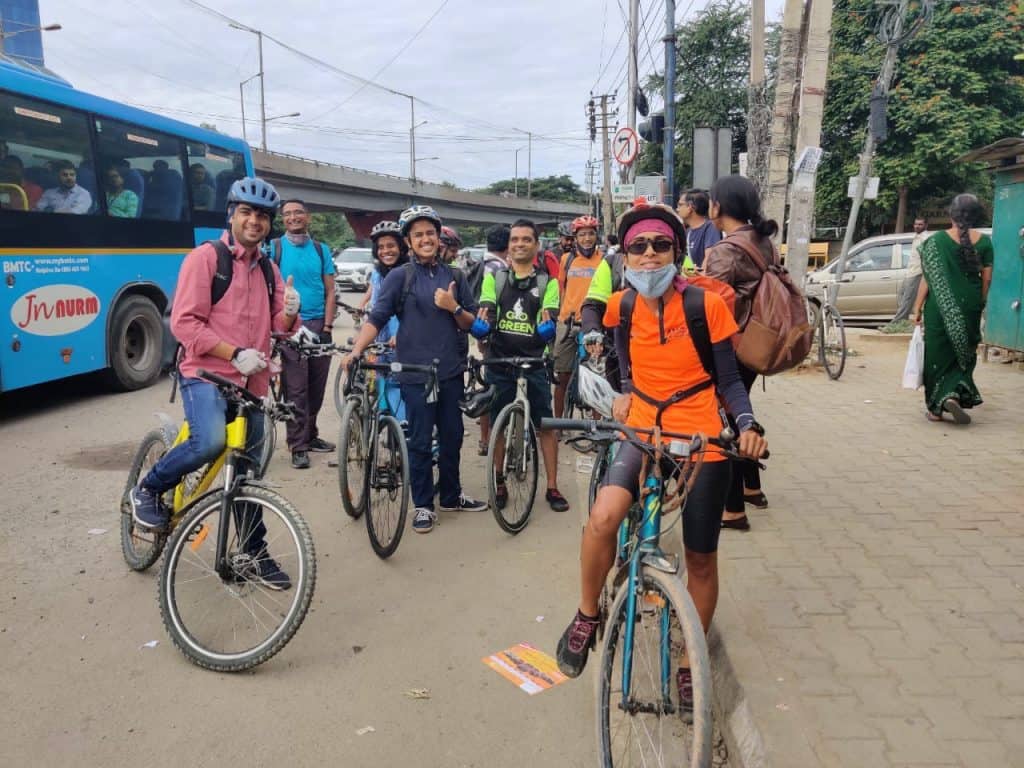
People complain that Bengaluru weather is not suitable for cycling, roads are not safe… How do you respond to this?
There are many unorganised sector employees who cycle to work almost every day. My cook cycles every day, every security guard at my apartment cycles, and most support staff at my office cycle. They don’t complain of such issues.
I think people who make such comments, especially those in white-collar jobs, have got used to unhealthy lifestyles where they think driving a car is the best mode of transport. They don’t believe that cycling will make their commute easy. There should be a mindset change in how people see commute in cities. I feel the climate in Bengaluru is neither very hot nor too cold and is supportive of cycling.
Read more: ORR Cycle Lane: Do cyclists benefit at all?
What do you carry when you cycle to work?
A laptop, a pair of clothes (to change into). I leave one pair of shoes at the workstation.
Your thoughts on the new cycling lanes in the city?
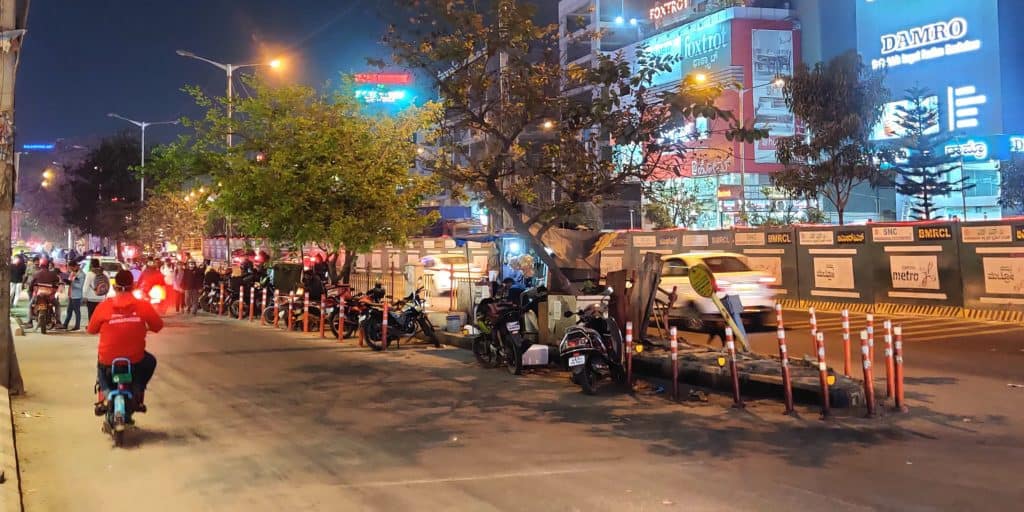
Cycling lanes keep us (cyclists) safe, especially during rush hour and are very helpful. City authorities should ensure proper maintenance and increase vigilance as there are instances where cycling lanes are used for parking cars and two-wheelers. Many unorganised sector employees don’t know about cycling lanes. There should be more awareness creation among citizens about these lanes.
We sometimes hear it is not safe for women cycling to work. Your thoughts on this?
I (personally) have not had a single issue concerning safety. I suggest cyclists stick to the route they are familiar with and cycle during working hours as there are always people on the roads.
Read more: B.PAC, DULT release findings from cyclists’ survey
How does your company support cycle to work?
I work for Qualcomm and their support for cyclists is good. We have dedicated bicycle parking and there are employee benefits that you can claim for cycle repairs. Many employees cycle to work as they find it convenient.
What are your suggestions for people who are looking to cycle to work?
First, they should select a good cycle with a minimum budget of Rs 10,000 that can negotiate uphill and downhills well and has a solid frame, preferably a hybrid or Mountain Bike. They can also rent one and try it out. It’s important that the cycle fits you well.
Start with smaller distances, maybe a ride to the grocery store or in a local park. Use cycling lanes on weekends when there is less traffic, and get used to cycling in the neighbourhood. Once you get used to cycling, go to the office one day a week to start with and slowly add more days.
Also, there should be some planning about what you want to carry, what you want to keep at office, like a spare pair of clothes or shoes.
Wear a helmet and gloves. You can also wear knee guards if you are afraid of falling. Be prepared you might fall, every year I fall once and I am prepared. I suggest wearing shoes over slippers for better grip in pedalling.
[This article is part of the series of Cycle 2 Work interview series, a project of Global Shapers Bangalore Hub. Bangalore Hub is part of the Global Shapers Community. The Global Shapers Community is an initiative of the World Economic Forum]