When the Tamil Nadu Pollution Control Board (TNPCB) receives a complaint about a pungent odour, it may be one among many environmental issues that require attention. But for thousands of residents living along the Old Mahabalipuram Road (OMR) corridor—from Thiruporur to Sholinganallur—it has become a recurring nightmare.
For the past several years, families in this rapidly growing residential area have lived with a constant uncertainty, not knowing when the next wave of foul-smelling air will arrive. On many evenings, the stench hits after 7 pm. On other days, it surfaces much later—sometimes after 11 pm or in the early hours of the morning.The foul odour intensifies around April and continues till the onset of monsoons. This year, however, the stench has continued to bother residents during the rainy season.
The unbearable smell resembles that of urine and causes severe eye and throat irritation. It leaves people with intense headaches. As soon as the odour spreads, residents rush to close their doors and windows, in a bid to keep the contaminated air out.
Ironically, many families settled in this part of Chennai to escape the traffic, noise and pollution of the city. They expected cleaner air and a healthier environment. Instead, they now find themselves repeatedly exposed to an unidentified airborne contaminant.
OMR residents petition government
Concerned residents have taken up the issue with the authorities. They submitted formal petitions to the District Collector of Chengalpattu and to the Tamil Nadu Pollution Control Board (TNPCB) in 2024 and 2025. In response, TNPCB deployed a mobile air-monitoring unit in the area for three days. However, testing was conducted entirely during the day, whereas the foul odour predominantly occurs between sunset and sunrise. As a result, the exercise did not capture the conditions under which residents actually face the problem.
Read more: Reclaiming Perungudi dump yard is going to take more than biomining
Therefore, some residents began monitoring ambient air quality on their own. According to their observations, the concentration of Volatile Organic Compounds (VOCs) was significantly higher than the normally accepted limits during episodes of strong odour. These findings were shared with the Member Secretary of TNPCB.
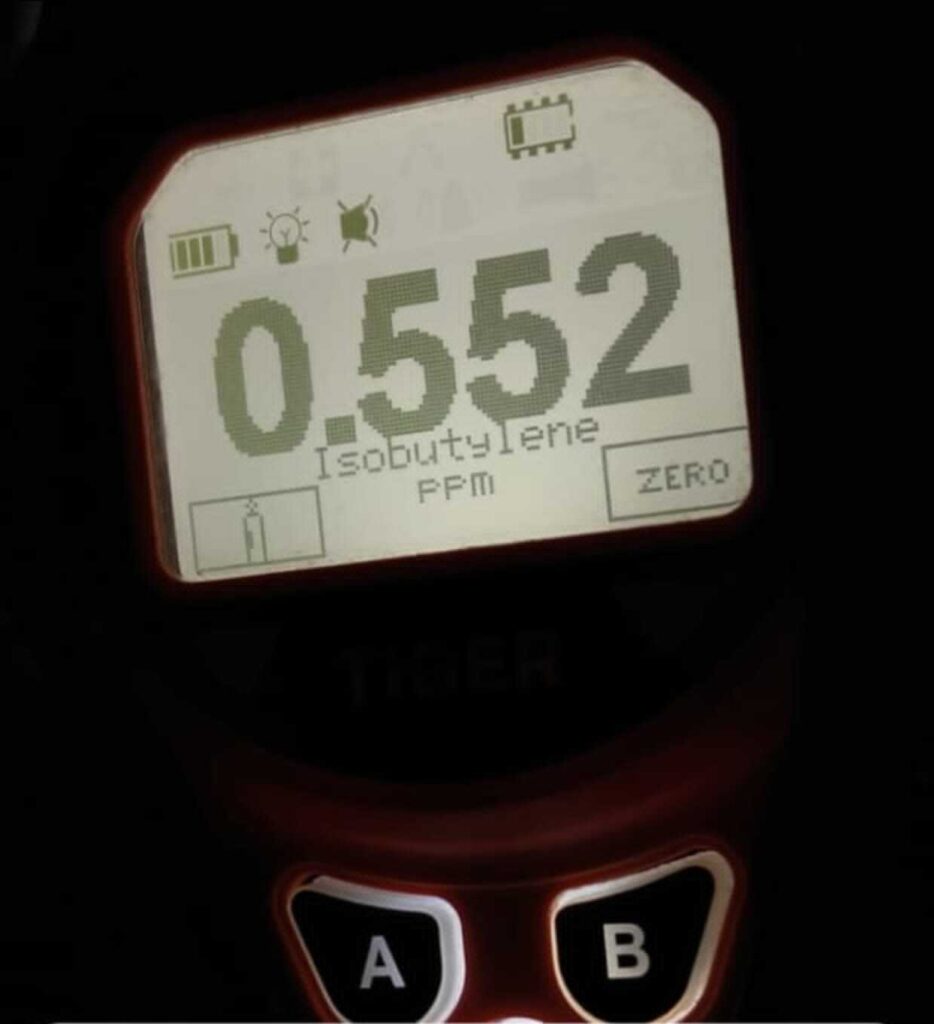
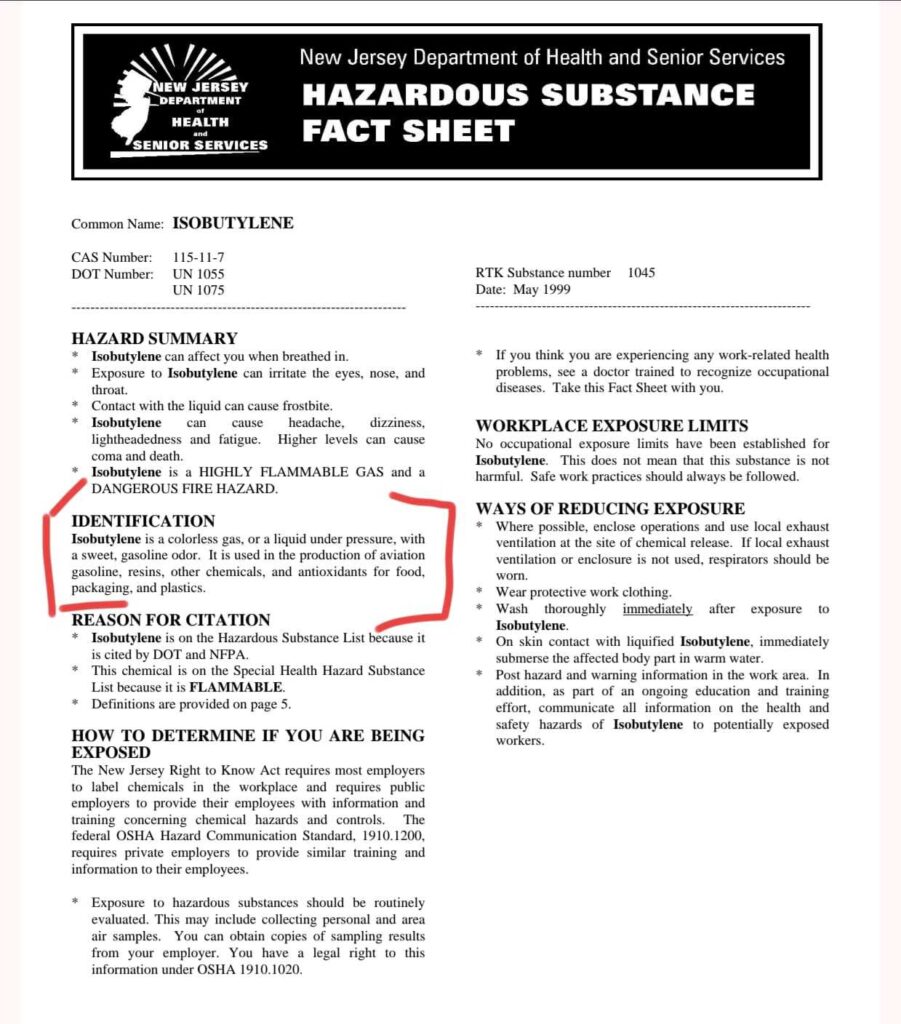
Residents subsequently learnt that a committee had been constituted to study the issue in detail, followed later by a high-level committee involving experts from reputed institutions. However, nearly two years have passed and the findings of these committees have not been made public. Meanwhile, the foul odour episodes continue.
The issue has also been brought to the attention of the newly elected MLA of Thiruporur constituency. Residents appreciate the assurance given that the matter will receive attention and remain hopeful that sustained efforts by the authorities will finally bring a lasting solution.
What action residents want the authorities to take
Identifying the source of the emissions need not be an impossible task. Air samples should be collected precisely when residents report the strongest odour and analysed to identify the chemicals responsible. Once the compounds are identified, regulators can correlate them with the raw materials, manufacturing processes or products of industries operating in the area and determine the likely source of the emissions.
Regular and unannounced inspections of industrial facilities are equally important. Such inspections should verify that pollution-control equipment is functioning continuously, emission monitoring systems are operating correctly, and monitoring instruments are properly calibrated.
Read more: How civic work in Chennai affects daily life of residents in surrounding areas
This is not merely a concern for the residents of gated communities. Thousands of employees working in the SIPCOT IT Park, nearby educational institutions and research centres also spend long hours in the same environment and may be affected whenever these odour episodes occur.
Clean air is a basic necessity, not a privilege. The residents of the OMR corridor are not seeking anything extraordinary—they simply wish to breathe without fear of what the next gust of wind might bring. They deserve a transparent investigation, timely disclosure of findings, and effective action to eliminate the source of this recurring pollution.