While most of Chennai roads were dug up for the construction of stormwater drains last year, many residents raised issues about the inconvenience caused during this period. The project highlighted the many problems that come with creating and maintaining civic infrastructure in residential neighbourhoods. An experience much closer to home has made me realise how some processes must be put in place to avoid suffering caused to the residence when civic agencies take up work.
No notification of civic work
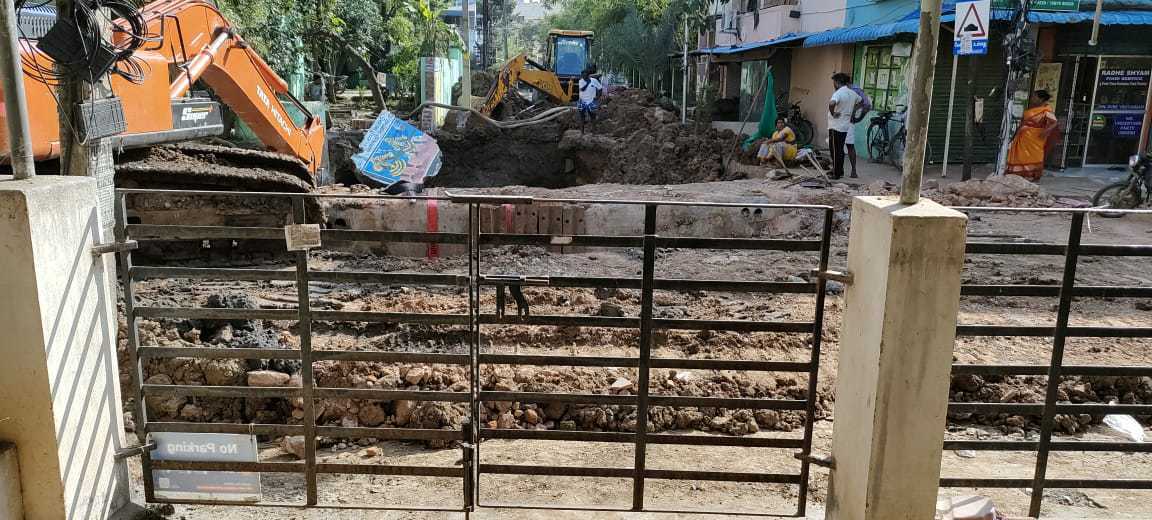
Around two months ago, the space right outside my house in AGS Colony in Velachery was dug up for sewer pipeline work by the Chennai Metro Water Supply and Sewerage Board (CMWSSB).
There was no prior intimation of the nature and duration of the work by the agency. We were not informed about why the work was initiated and the precautions we as residents are expected to take. We got to know through our Residents Welfare Association (RWA) WhatsApp group that major work is set to be undertaken by the CMWSSB and that the project could take up to two months.
Members of the RWA had noticed a road cave-in just around the sewer manhole and raised a complaint about it to the officials. The officials visited the area for inspection and deemed repair work necessary and cordoned off the area just before Cyclone Mandous.
Immediately after the cyclone, authorities from CMWSSB initiated the work. Workers started digging the road to locate the leakage in sewer main pipeline that was connected to the adjacent sewer pumping station.
Read more: Road digging disrupts daily life of Chennaiites
Two months of suffering due to civic work
Our apartment complex and the neighbouring house was cordoned off. In four units in our complex, there are five senior citizens and two infants.
We found ourselves completely cut off from the entire area as the earth dug up was dumped outside the gates. The leakage of sewage and the mound of earth right outside created a foul stench and an unhealthy environment.
My father has Parkinson’s and my mother is asthmatic. Since the work began, they have been confined to our house on the ground floor as they have found it difficult to even sit in the common area or corridors due to the dust and smell. We have had to keep all our windows shut due to the stench.
We were unable to open our gates even in case of an emergency. Not risking having to leave my elderly parents alone at home, I opted to work from home.
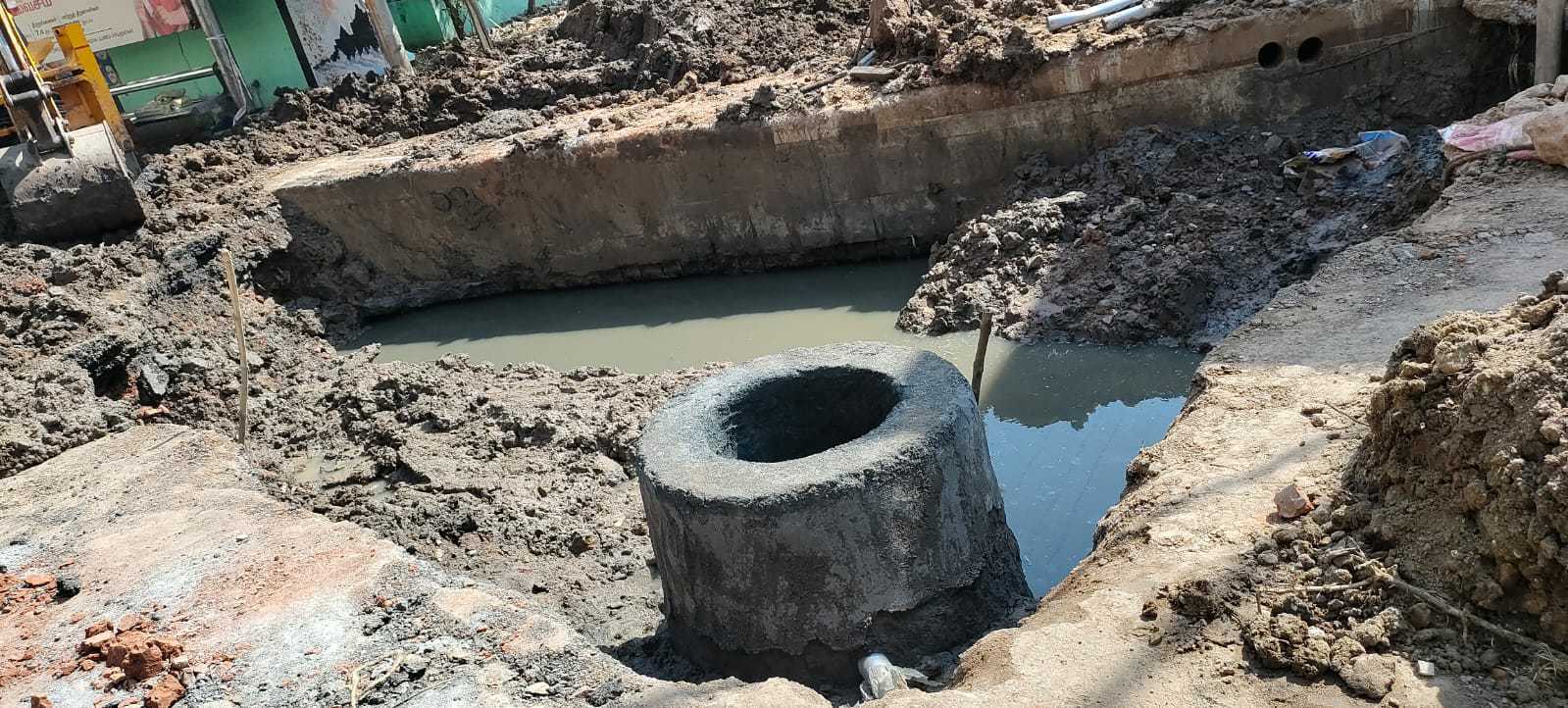
The stagnant sewage was not only smelly but also led the breeding of mosquitoes. As it was dengue season, we lived in fear of contracting any serious mosquito-borne illness during this time.
To add to our ordeal, there was much noise made by the machines used for digging and the JCB as the work took place.
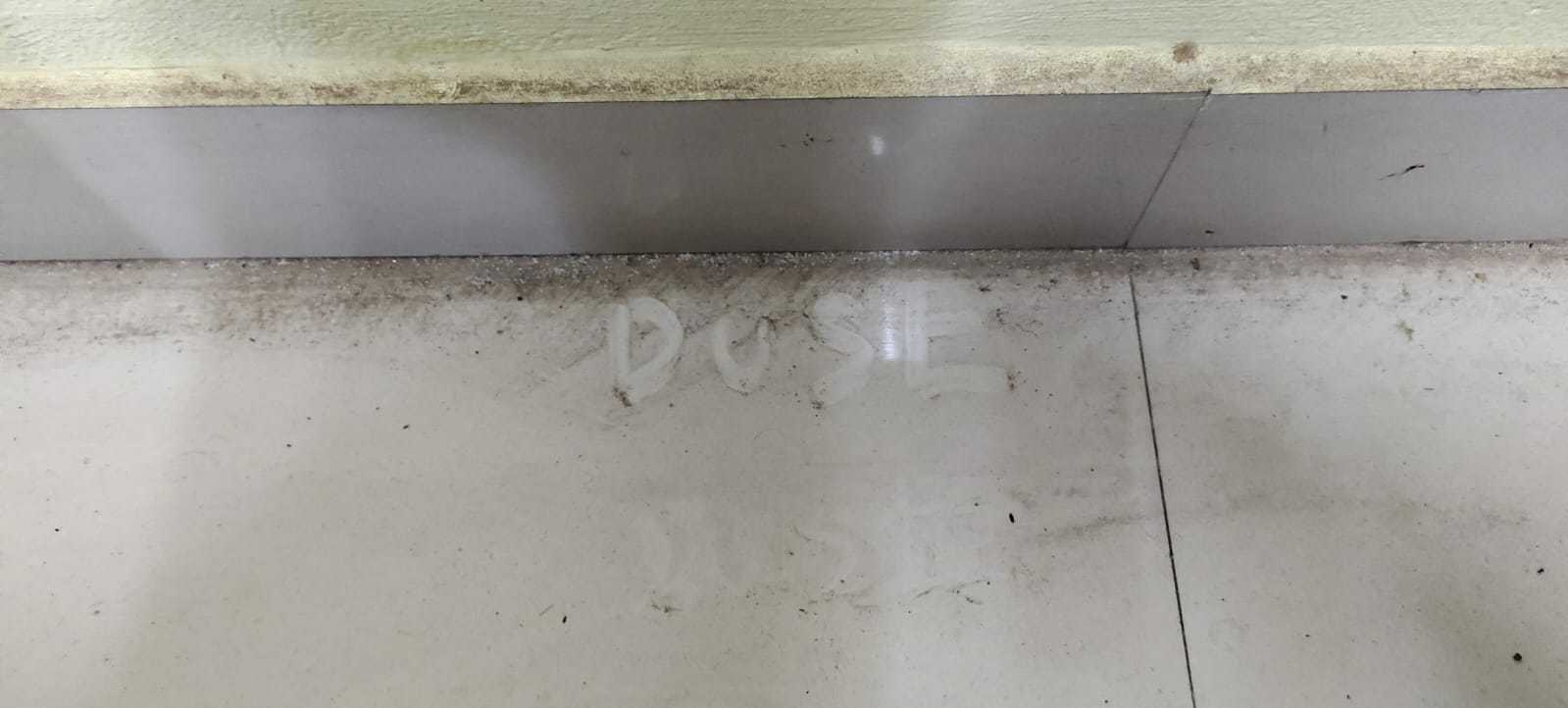
The dust from the work made its way into our home despite having the doors and windows shut at all times. We had to resort to sweeping and mopping the entire house every day along with dusting all the furniture and appliances.
One night while working to construct the main pipeline with bricks and cement, the workers drew water from our house and ended up emptying an entire tank.
After pointing out the various issues faced by us, the officials instructed the contractor to allow one gate to be kept open for emergency use.
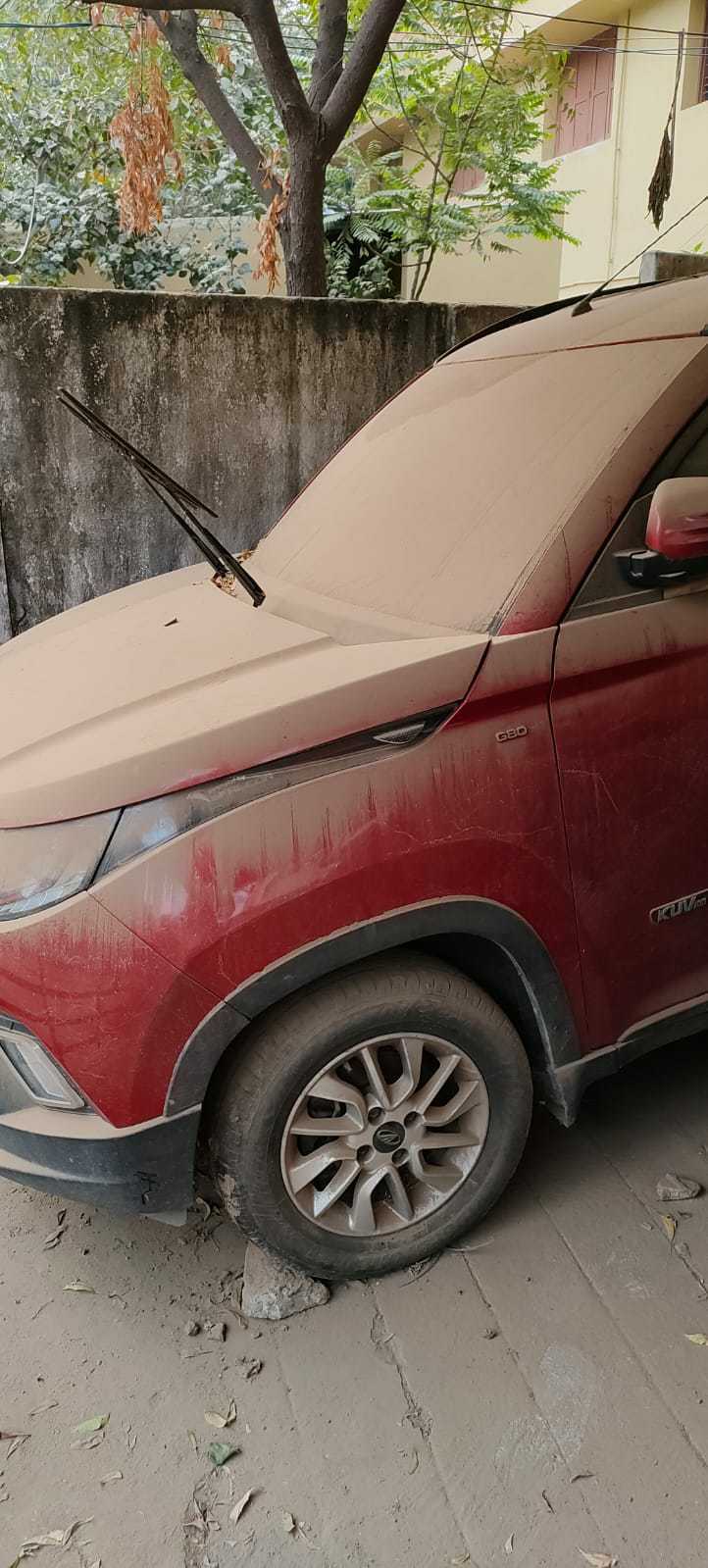
We assumed the worst was over when after two months, the area dug up was close with mud. But this worsened the air and dust pollution. Vehicles parked outside were coated in a film of dust. Then, when black stone chips were used on the road, the dust from that too continued to cause issues.
The entire experience has left a bitter taste. Our daily life was completely hampered for two months. Worse still are the possible effects of the dust and noise pollution and unsanitary condition of the road on the health of my parents and other vulnerable residents who were forced to endure this ordeal.
Read more: Perambur SWD construction: Sewage, exposed cables and other horrors
What agencies can do prior to commencing civic work
Agencies and contractors must initiate dialogue with those who are likely to be affected by ongoing civic work prior to the start of the work. The residents must be made aware of the nature of the work, the duration and the likely impact it is to have on their daily lives. Provisions must be made for residents to be able to access their homes and emergency entry and exit points that can allow the passage of a car or an ambulance must be established.
Care must be taken to keep noise levels to a minimum. The area where the work is to be carried out must also be cordoned off in a manner that the dust does not escape into surrounding homes. Stagnation of sewage or water must be avoided at all cost. Any earth dug up or debris from the work must be disposed of in a timely manner and not be allowed to accumulated at the site of work unless necessary.
Following the above steps would considerably reduce the hassle faced by residents when major civic work is undertaken in their neighbourhoods.
While work like what was carried out in my neighbourhood is essential and has to be done in a timely manner, some consideration for residents who live in the area is necessary. Most residents are willing to deal with some inconvenience for the greater good but cooperation and consideration must extend both ways to ensure that their lives are not adversely affected.