The Bruhat Bengaluru Mahanagara Palike plans to tap into residents’ networks, health centres in industries and private hospitals to supplement its efforts and prevent the second wave of COVID-19 from getting out of hand. The novel approach was reiterated by its new Commissioner Gaurav Gupta, who assumed charge on Wednesday.
While the number of vaccinations in the city hovers around 35,000 a day, the BBMP wants to double it by creating more vaccination sites. The civic body plans to involve resident welfare associations (RWAs) and also rope in industrial complexes that have their health centres, for the purpose.
The new approach was made clear during a virtual meeting with private hospitals, doctors and health officers, held on March 31 itself. The BBMP plans to continue such virtual interactions every two to three days.
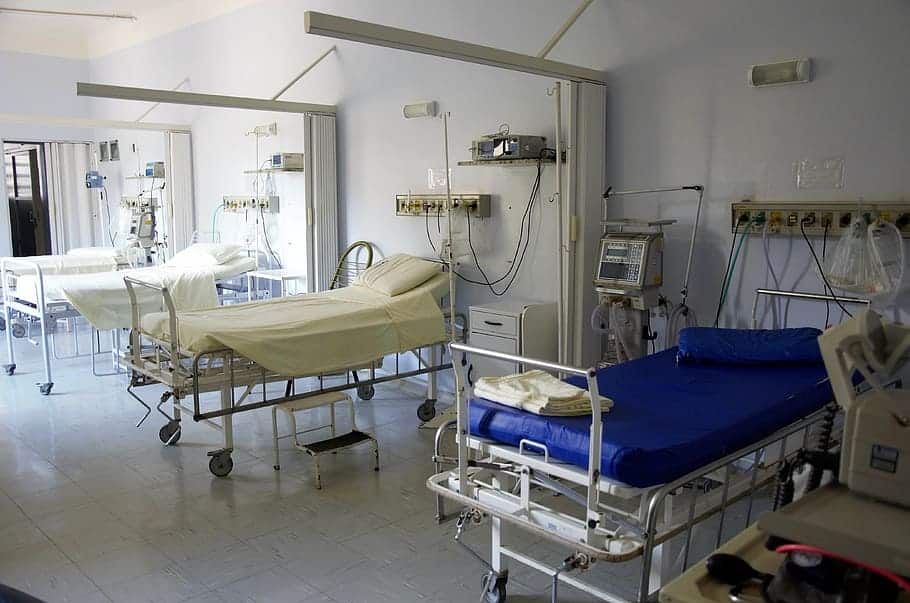
On March 31, the BBMP had also urged private hospitals to reserve 10 per cent of their beds for COVID patients. With the vaccination drive covering all people above 45 years beginning April 1, private hospitals were urged to step up their efforts to vaccinate as many people in as little time.
Read more: The second wave of COVID: The how and the why
The BBMP has conveyed that by reducing the cut-off age and allowing sub-centres to be vaccination sites, the government is trying to vaccinate as many people as it can in the shortest amount of time. Private hospitals should leverage this and place orders for as many vaccines as they need.
Private hospitals were urged to link their vaccination sites with nearby communities such as slums, residential societies, worksites, etc, through mobile ambulances and collaborating with industries that have health centres.
The hosptials were assured that there will be no shortage of vaccines, and that it would ensure continuous supply as and when required by the hospitals.
“Don’t turn away COVID patients”
The March 31 meeting opened with the then Commissioner stating that COVID cases spiked from 243 cases per day in February to about 3000 cases per day in March. While the fatality rate is less than 0.5%, the cases are spreading more rapidly in the second wave as compared to the first one.
Read more: Struggling to book or reschedule a slot for the COVID vaccine? Read this
For the next seven days, at least 10% of all beds in private hospitals should be reserved (the percentage will change as the situation evolves), BBMP said. It urged private hospitals to admit COVID patients and reduce duration of hospitalisation of those who are asymptomatic and are capable of getting care at home.
BBMP also advised private hospitals to find a way to update information about bed availability and cost, and make it accessible to everyone.
Read more: How a young Bengalurean helped countless COVID patients with the right info on hospital beds
Dr Pradeep Kumar from MD Brookefield Hospital recommended uploading a Google document that can be constantly updated and accessed for information.
Dr Giridhar Babu, member of the Technical COVID Task Force, Government of Karnataka, urged private hospitals to keep themselves informed of government guidelines in order to ensure standard treatment protocols. The advisory committee had found that hospitals lacked this awareness last year.
“No dearth of vaccines”
A concern that stood out for both BBMP and the hospital management was the wastage of vaccines as one vial has to be immediately administered for around 10 people.
Some hospitals complained about having to turn patients away and others about having to waste the vaccines.
The BBMP addressed this concern by stating that hospitals will get whatever amount they order. Wastage will hopefully not happen because of the reduction in the age for those eligible for vaccination.
Also Read:
- It isn’t over: Bengaluru’s fight and the pandemic
- “How my parents got their vaccine shots”
- Covid-19 pandemic isn’t over yet, stay safe: Epidemiologist Giridhar Babu
- Understanding Long-COVID: The much-needed long term care you must be aware of
[Inputs by Juhi Jotwani]