Temple Bells, a 900-flat residential community in Rajarajeshwari Nagar, Bengaluru, transforms nearly 4–5 tonnes of organic waste into compost every month. By prioritising segregation at source, the residents have drastically reduced what goes to the landfill and turned recyclable waste into a revenue stream. This not only generates income through sales but also saves on the Solid Waste Management (SWM) cess.
The community follows the two-bin, one-bag system for collection — separate bins for wet and dry waste and a bag for sanitary waste. This ensures efficient source segregation. “In the beginning, getting everyone to follow it was challenging,” says resident Achal Venkatesh. “But with sustained awareness efforts and stricter collection rules, including rejecting unsegregated waste, we’ve been able to achieve effective waste management.”
Lack of segregation
However, this is not true for many apartments or households in Bengaluru.
Santhosh, a resident of Electronic City, Bengaluru, wants to segregate and dispose of his waste properly, but struggles due to irregular waste collection. “Sometimes the tipper comes early in the morning, other times after I’ve left for work. When it’s not collected, the house starts to stink, so I end up dumping it at the street corner,” he says. Wet waste, which should be picked up daily, is often left behind. “They sometimes only take dry waste, and the smell becomes unbearable,” he adds. He believes that having common bins or kiosks nearby would make proper disposal much easier.
Every day, Bengaluru generates roughly 5,000 to 6,000 metric tonnes of municipal waste. More than half of it — 3,200 tonnes of unsegregated waste — is dumped in Mittaganahalli, 40 km from the city. Around 60% of it is compostable, according to a 2020 study. The problem? Poor segregation sends compostable waste straight to landfills, choking our environment with what could have been reused.
Why is our waste poorly segregated?
Experts say it is because of two reasons: poor enforcement of source segregation and poor waste collection and transportation mechanisms. Like Santhosh, many residents are unable to dispose of segregated waste because of irregular collection timings and a lack of common kiosks.
Even when residents segregate properly, waste often gets mixed during transport, especially while moving from primary collection tippers to secondary vehicles or compactors. “With many transfer stations still poorly designed or makeshift, mixing and spillage are common,” says Archana Tripathi, CEO of Saahas, a non-profit organisation working towards zero waste and a circular economy. The vehicles should also be kept clean, and only segregated waste should be collected, experts emphasised.
Archana highlights the lack of clear mapping to waste processing units: “When collectors are not told clearly where to take wet waste or dry waste, and payments are not linked to segregation, they just mix everything and send it off.” Experts estimate Bengaluru’s source segregation rate at 40–50%, hindered by weak enforcement and the rise of garbage blackspots. In contrast, HSR Layout achieved 90% segregation through stricter enforcement and increased awareness.
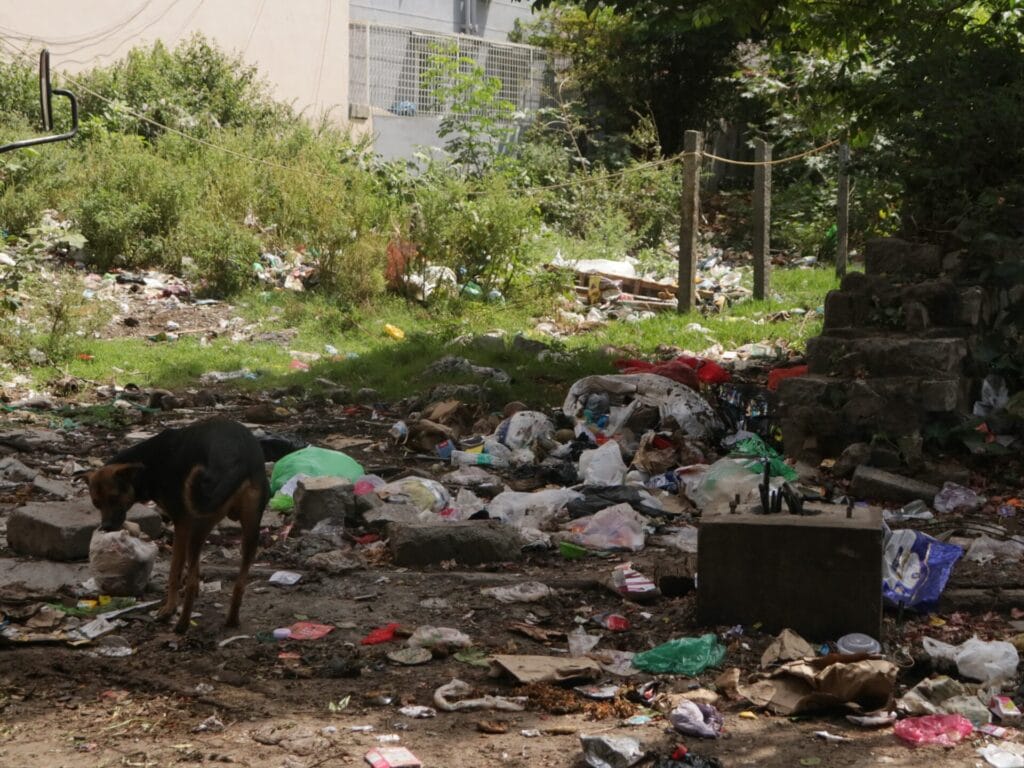
Lack of segregation impacts waste processing units
“Composting units, for example, cannot sell compost that contains plastic bits or other contaminants; farmers simply reject it,” says civic activist V Ram Prasad. Wet waste, if kept clean, can be turned into biogas or high-quality compost. But once it is mixed with plastic or hazardous items, the entire load becomes unusable.
Composting works best on properly segregated wet waste. At composting plants, wet waste mixed with dry leaves is arranged into long piles called windrows, which are regularly turned for aeration. Microbial action breaks down the waste, and after resting, it turns into compost.
However, when mixed waste enters, plastics and inert materials block microbial activity. Composting then takes 45–50 days instead of 40, causing pile-ups, reduced efficiency, and foul odours. Segregation becomes an added burden on workers, slowing the entire process. “Mixed waste delays composting, makes operations inefficient, and adds to backlogs,” says Pushkara S V, SWM expert working with the Indian Institute for Human Settlements.
This could also result in low-quality compost. “Even in composting, if mixed waste slips in, it reduces efficiency and quality. The compost will have microplastics and chemicals, which are not good for the soil,” explains Archana.
Read more: Odour, illness, inaction: Why Bengaluru’s garbage plants face growing public backlash
Impacts on recyclability of waste
Ram Prasad points out that the city still relies heavily on mechanical segregators, which are used at processing units and waste transfer stations. These machines aren’t reliable, he noted. “Once food waste mixes with plastics or containers, it is nearly impossible to separate them cleanly, even with mechanical segregators,” he says.
By the time it reaches the Dry Waste Collection Centres (DWCCs), much of this material has rotted, turning what could have been recyclable raw material into worthless garbage. Items like PET bottles have high resale value, but the moment they are stuffed with food residue or multi-layered plastics, their value collapses. Processors do not want garbage — they want raw material.
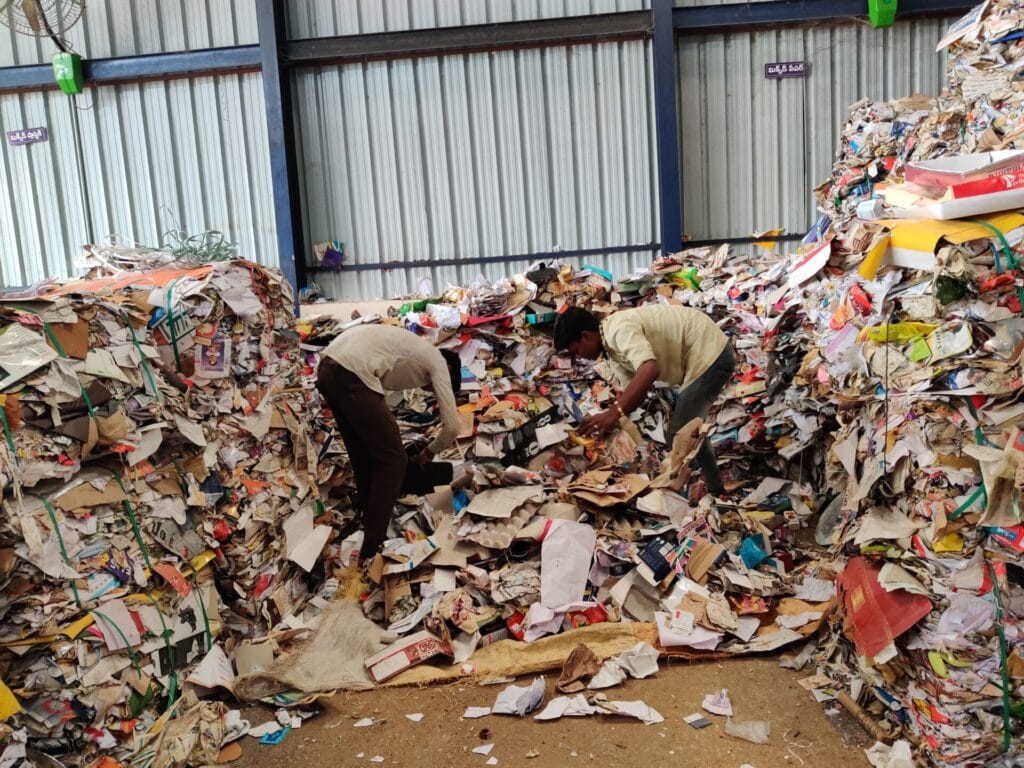
Unsegregated waste in WTE plants
Poor segregation could also affect the functioning of Waste-to-Energy (WTE) plants. Satish Kumar H, executive engineer of the Bidadi WTE plant that burns Bengaluru’s waste, says that the plant was receiving poorly segregated waste. While the efficiency of the plant is to generate 11.5 MW of power daily, until recently, it was producing only 7.4 MW. The moisture content in mixed waste reduces the calorific value required to generate power efficiently.
“The calorific value of waste should be 1,500 to 2,250 kilocalories. This requirement was not met,” he adds. Indian mixed waste is about 60% wet waste, resulting in a low calorific value of 1,100–1,500 kcal. Medical, demolition, and biological waste are unsuitable for incineration, while metals and glass can clog plant systems, leading to shutdowns.
The plant requires 600 metric tonnes of dry waste a day to run efficiently. However, Satish points out that Bengaluru can only segregate about 1,500 metric tonnes of waste daily, and less than 30% of that is dry waste. As a result, the city receives only about 300 to 350 metric tonnes of dry waste from its daily municipal collection for the WTE.
Now, this is fixed by sourcing legacy waste from the landfill. However, according to Satish, the six segregation plants in the city could segregate only 25% of the waste generated. All the experts we spoke to highlighted the same—the importance of segregating waste at the source, at our homes.
Read more: We are like that only: Non-compliance of waste segregation makes Malad stink
WTE and unsegregated waste
Moreover, experts and activists across the country are fighting against WTE plants as unsegregated Indian waste is not fit for these plants. A report by Article-14 delves deeper into this.
WTE plants pose significant public health risks. Toxic residues from these facilities have been linked to cancer, tuberculosis, asthma, and other health complications. Dr Sonia Gulati, a radiologist and former resident near the Okhla WTE plant in Delhi, along with her colleagues, observed a rise in asthma, breathlessness, congenital abnormalities, and cases of mothers delivering children with birth defects in the surrounding area.
“I had my own practice. I had my own ultrasound clinic there. And I also observed that with my own colony people, the rate of cancer increased, especially lymphoma and breast cancer,” Sonia adds.
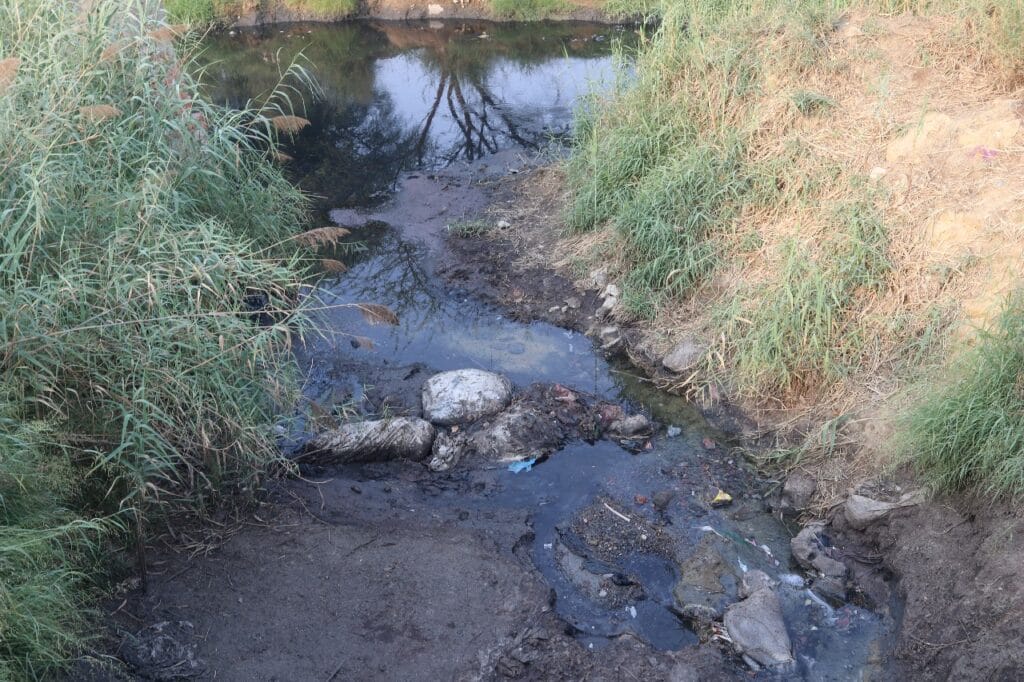
And, dumping of these unsegregated waste in landfills comes with serious health and environmental hazards as well. Strong stench, leachate polluting the water system, death of cattles and fishes are some common problems in the Mittaganahalli landfill, where Bengaluru’s unsegregated waste is dumped.
The solutions
So, what should be done to improve segregation and promote better waste management practices?
Experts agree that segregation is not an impossible task for Bengaluru, but it needs systemic fixes and accountability at every stage. Ram Prasad emphasises: “Segregation at source is the single most important step, without it, no technology or plant will work efficiently.”
The next crucial step is ensuring consistent collection. Experts suggest that maintaining regular collection schedules and setting up common collection kiosks can prevent garbage blackspots and support proper segregation.
Archana, underlines that citizens are ready to segregate if the system insists on it. “If the collection is segregated, people will segregate. Getting 70–80% segregation is not very difficult if the collector pushes back against mixed waste,” she points out. For her, accountability of contractors and planning of waste flows is key: “Segregation is not the biggest problem. With proper awareness and enforcement, it happens. The real issue is mapping collections to the right processing units.” Workers handling waste transport must be clearly guided on directing wet waste to composting units and dry waste to designated collection centres.
Pushkara adds that citizen behaviour improves when processing facilities are local and visible: “When people see their wet waste becoming compost in their own neighbourhood, they value segregation more.” However, Bengaluru has only seven composting units, 13 bio-methanation plants and 164 DWCC. Decentralised waste management can lower costs while turning waste into a valuable resource.
Together, experts’ suggestions point towards a solution that combines citizen awareness, strict enforcement, better transport and transfer systems and decentralised waste management.
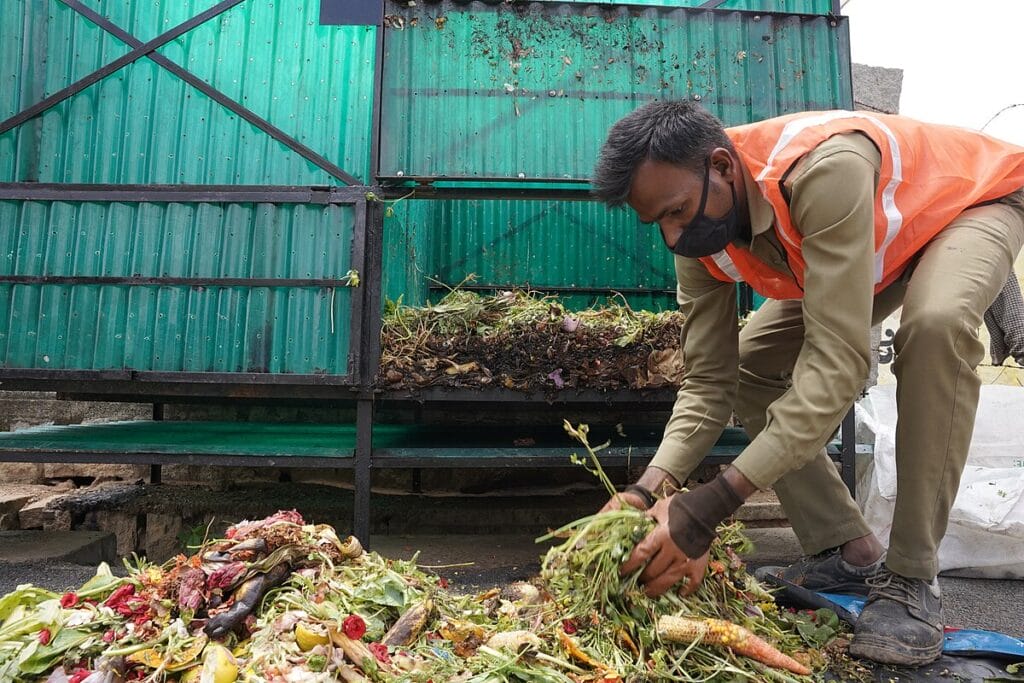
The way forward
- Improve public awareness on the importance and ways for better source segregation.
- Enforce stricter collection practices to ensure better segregation.
- Ensure proper transportation of segregated waste. Deploy more collection vehicles.
- Develop more segregation units to ensure only segregated waste enters processing units.
- Better mapping of waste collection, segregation levels and directing to designated processing units.