Vaccinated Mumbaikars allowed to board local trains
Around 35 lakh vaccinated Mumbaikars breathed a sigh of relief on August 16 as they finally boarded local trains. Although a power outage caused the harbour line to cease operations on August 18, the line has now resumed. Commuters living in the Mumbai Metropolitan Region (MMR) especially rushed to stations in Mira Road, Dombivali, Vasai and other MMR locales. However, citizens are required to now purchase monthly passes if they wish to ride Mumbai’s trains. This move has angered railway passenger associations as they say that non-regular travelers who have been vaccinated may not be able to afford the monthly passes. The move has also been questioned for preferring fully vaccinated Mumbaikars at a time when the distribution of vaccines by the city, particularly in the MMR region, has been severely inequitable.
Source: Mid-Day, Indian Express, Hindustan Times
Read more: Walk-ins introduced in Mumbai’s vaccination centres to help local residents
Fraud at Employees Provident Fund Office
An internal audit in Mumbai’s EPFO exposed a fraud amounting to nearly Rs 21.5 crore. Six EPFO employees were suspended under suspicions of partaking in the fraud. The funds were withdrawn from dormant Provident Funds and then deposited in 817 bank accounts belonging mainly to migrant workers. The EPFO reportedly plans to hand the case to the Central Bureau of Investigation (CBI). The fraud mainly included Covid-19 withdrawals, which allowed employees to withdraw their corpus to deal with the large-scale job and income loss during the pandemic.
Source: Mint, Wire, Economic Times
Read more: Here’s where your money goes. An explainer on BMC’s budget
Nagpur-Mumbai e-way tolled at Rs. 1,100
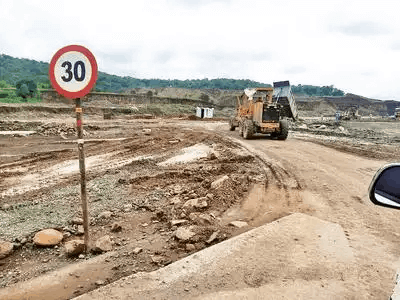
The toll for a light vehicle (car) for a one-way trip down the Rs 55,000-crore Samruddhi corridor connecting Nagpur and Mumbai will be around Rs 1,100, said Maharashtra State Road Development Corporation (MSRDC) joint managing director Anilkumar Gaikwad, on August 20. Authorities claim that the corridor will reduce travel timing from Nagpur to Mumbai from 15 hours to 6-7 hours. Public works minister Eknath Shinde also announced that the revised deadline for the stretch from Nagpur to Shirdi is now December 2021 (earlier, May 2021), and for up to Thane it is December 2022.
Source: Times of India
Read more: The case against Mumbai’s Coastal Road project
Afghan students hold gathering in Mumbai
As many as 32 Afghan students living in Mumbai and Pune gathered outside the US Consulate at Bandra-Kurla Complex (BKC) on August 20 to convey their concerns. Mohammed Ali, a BBA student from Kabul, said, “Many Afghan students whose visas or passports are about to expire have requested the Indian government to extend the visa period. If we go home, we may be killed by the Taliban.” The students tried to speak to the officials about their concerns since many were financially dependent on families they are unable to contact. However, BKC police took students to the police station without any justifiable cause. The students were allowed to leave police custody after.
Source: Times of India
Mosquito-borne diseases on rise in Mumbai
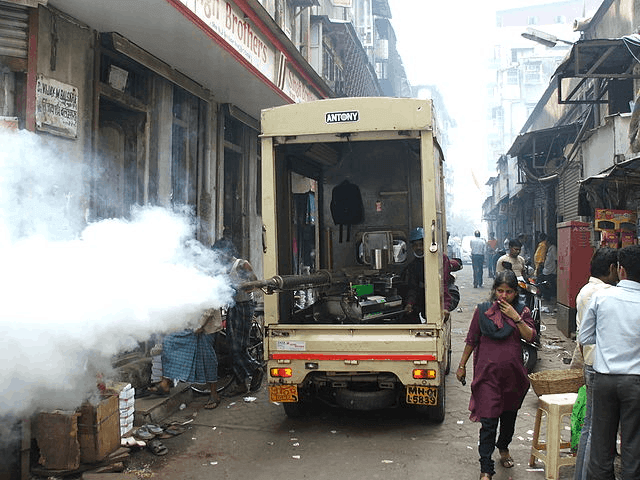
Every year, the highest number of cases of malaria and dengue is registered in the city during monsoon between June and August. “We are witnessing a 30%-40% increase in dengue, malaria and leptospirosis this year,” said Dr Harshad Limaye, Nanavati Max Super Speciality Hospital to Hindustan Times. “There has been more than 25% increase in tropical illnesses. We are treating patients with dengue, malaria, chikungunya, seasonal flu and other viral respiratory illnesses. These tropical diseases, parasitic diseases and monsoon-related illnesses look very similar to Covid-19,” said Dr Sanjith Saseedharan, SL Raheja Hospital, Mahim. In August, the number of malaria and dengue cases surged to 395 and 61 respectively.
Source: Hindustan Times
Read more: Despite hundreds of crores spent on desilting, why Mumbai could still see flooding this monsoon