Cities are the heart of the Indian growth story. Vibrant. Crowded. Diverse. Multidimensional. And yet, as we look around us, we find that they are ridden with problems and face multiple threats to their ecology, habitats and human lives. The crises in our cities make it hard to imagine an urban future that is truly inclusive, sustainable and marked by high liveability standards.
But as the oft-cited quote from anthropologist Margaret Mead goes, “Never doubt that a small group of thoughtful, committed, citizens can change the world. Indeed, it is the only thing that ever has.” That is perhaps the only hope that our cities hold.
Thoughtful, dedicated, everyday folks across cities — stepping up. Tackling garbage, floods, broken roads, endless traffic, vanishing greenery, and forgotten heritage. Not waiting for someone else to tackle the issues, but simply rolling up their sleeves and doing what it takes.
At the annual India Civic Summit, Oorvani Foundation hosts a special segment titled ‘Spotlight’ which recognises and celebrates a few such community and citizen-led initiatives that have been working consistently on causes central to the well-being of their cities. At the third edition of the Summit in Chennai on February 14, the Spotlight segment raised a toast to groups working in the domains of waste management, water bodies, mobility, urban forests, and other social issues. The idea was to put the spotlight where it belongs: on active citizens who are making change real in their cities. Here’s a look at the chosen initiatives:
Effective waste management
Garbage piles, polluting landfills, policies pushing centralised waste management and waste-to-energy plants — there’s a lot to fix when it comes to how our cities handle waste. In many cities, RWAs and active citizen groups have been demanding better policy, more sustainable practices, and more effective waste management.
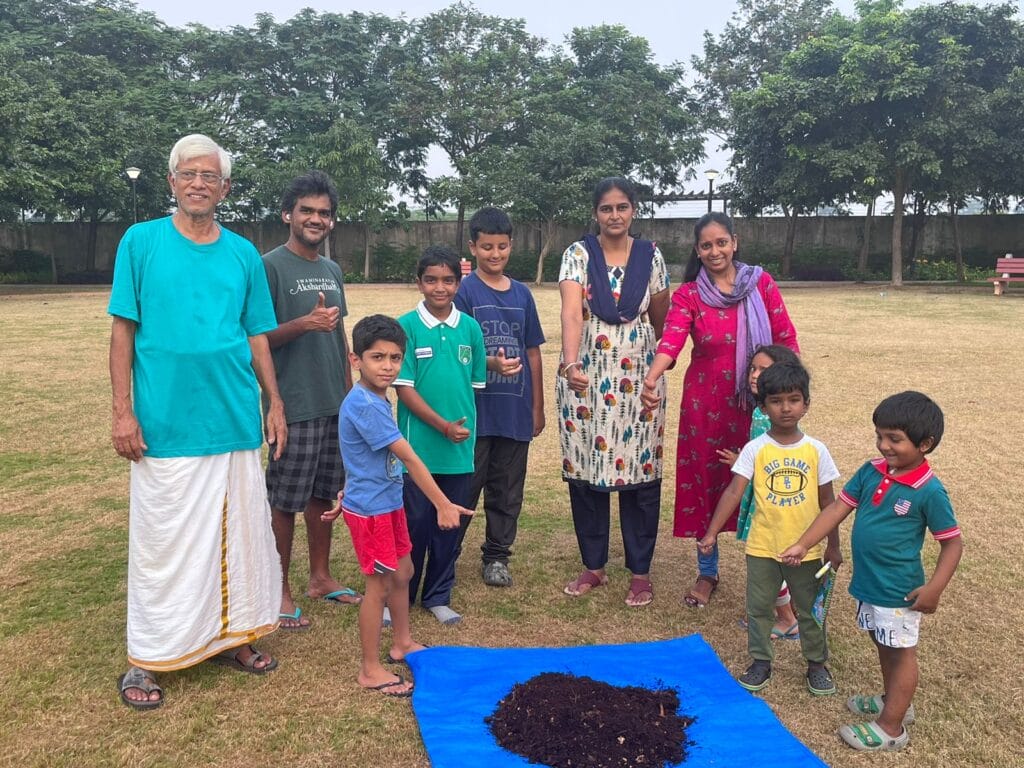
In Chennai, Thalambur’s RWAs came together. They actively organise outreach sessions and drives. The group has educated residents on how to sort and segregate household waste, and partnered with the government and NGOs. Since 2020, they’ve kept over 60 metric tonnes of waste out of landfills. Their initiative, a zero-waste one, is named SIMPLE, an acronym for Sustainability Improvement through Multiple Projects for a Lovelier Environment.
With the lack of infrastructure to handle solid waste, in the emerging suburban localities, many other gated communities have drawn inspiration from SIMPLE’s advocacy to implement solid waste management in their own neighbourhoods. With over 500 people in their WhatsApp community, the Thalambur group strives to transform their homes and neighbourhoods into zero-waste communities.
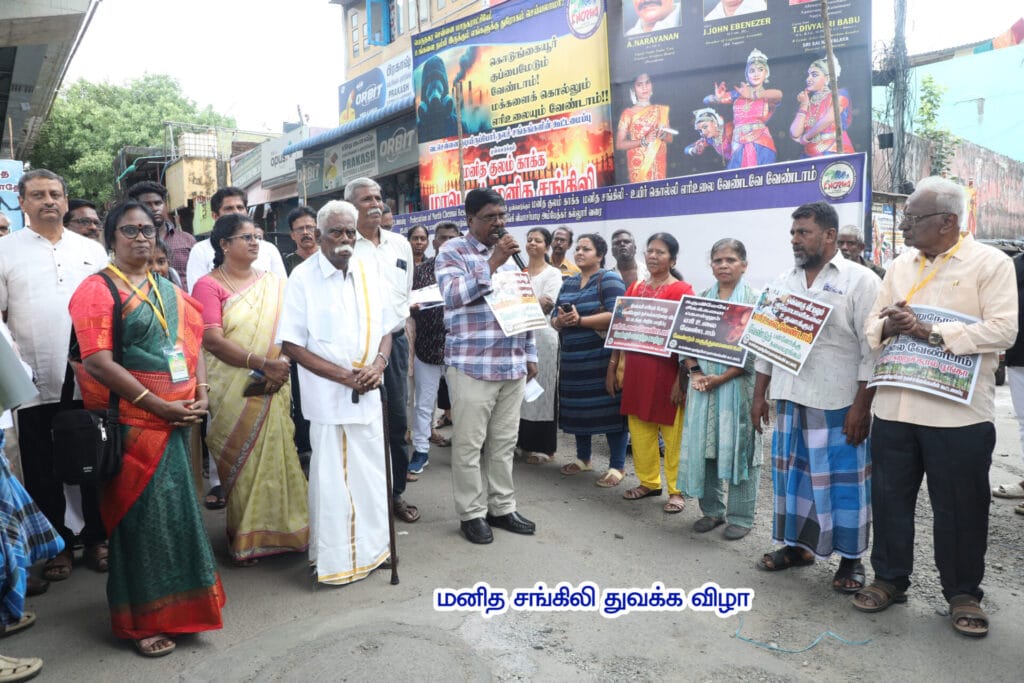
North Chennai’s Green Chennai Initiative is actively advocating against a proposed waste-to-energy plant at the Kodungaiyur landfill. In response to the WTE plant proposal, this coalition of residents, along with environmental experts, developed an alternative proposal, the ‘Green Chennai Initiative (GCI): A Path Towards India’s First People-Centric Zero-Waste City’.
The federation’s plan is a people-centric alternative — focused on source segregation, composting and protecting waste pickers and sanitation workers. They have organised a human chain protest, and their proposal has also been shared with Mayor Priya Rajan.
Read more: Green Chennai Initiative: North Chennai coalition challenges toxic Waste-to-Energy plans
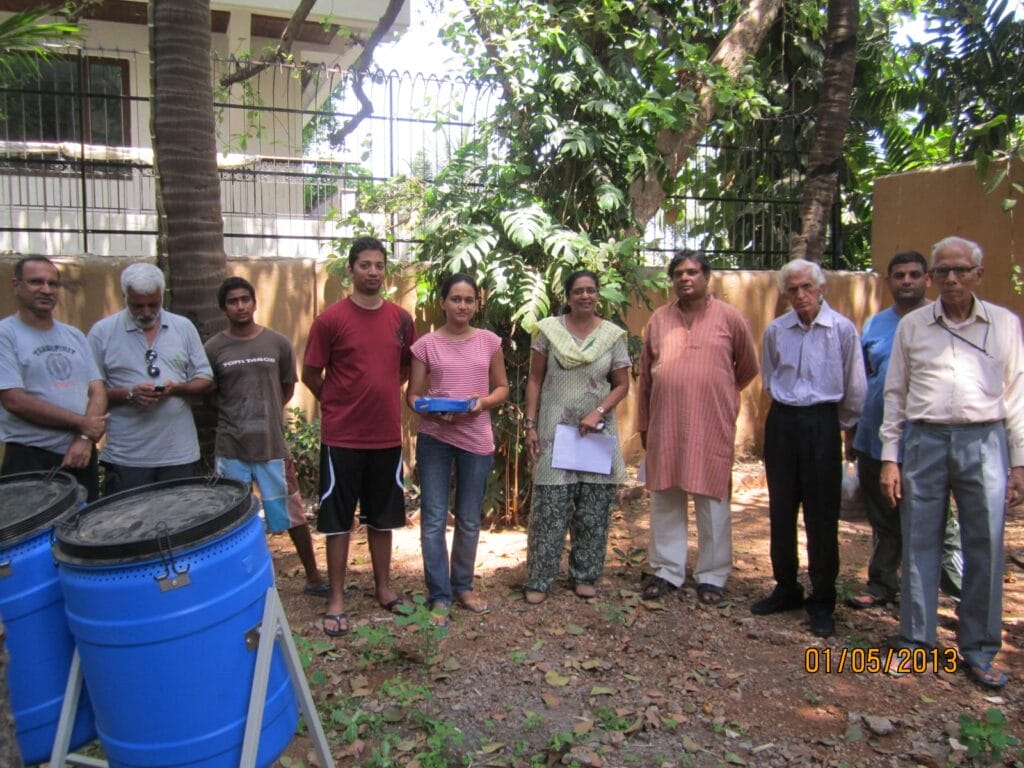
In Mumbai, ALM-33 in Bandra encourages residents to segregate waste at source, eliminate plastic and start composting. This group has pushed the city corporation to stop accepting mixed waste, and tied up with NGOs to channel different streams of waste.
With 800 members currently, their final goal is to minimise waste reaching landfills. Recently, they have also started a new initiative called Clean Streets to ensure dog faeces get picked up by pet families.
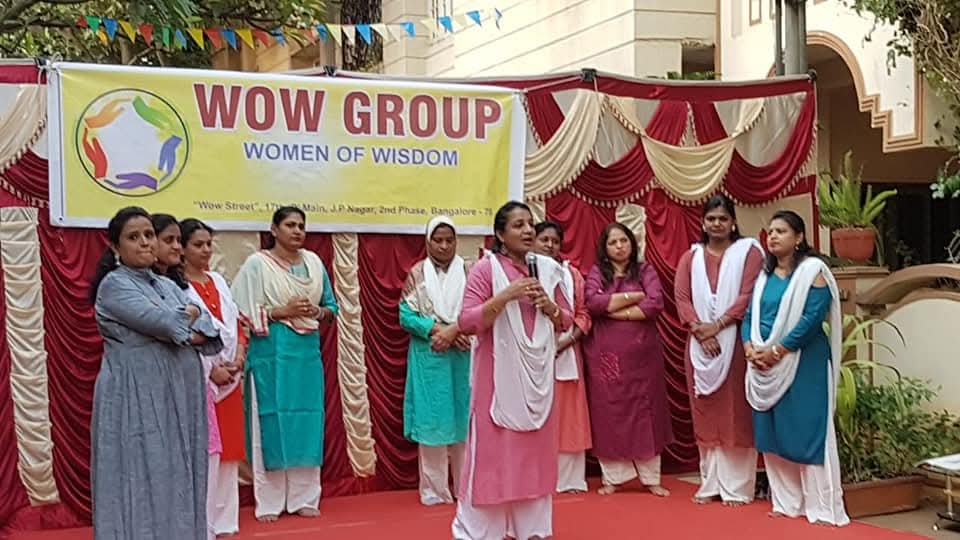
Bengaluru’s Women of Wisdom in JP Nagar has been turning waste spots into hubs of change. They converted black spots and yellow spots into a learning centre, and created space for municipal waste workers to rest. Their Green Temple Initiative helped vendors switch to cloth and paper bags.
Their other initiatives include Hasiru Friends Club – Community Children Club, uplifting community parks with the help of Times Of India, working towards making one block Zero Waste Block and revitalising urban spaces. This has also become a space for showcasing models of sustainable practices, promoting repair habits, hosting workshops, collection drives and community meetings.
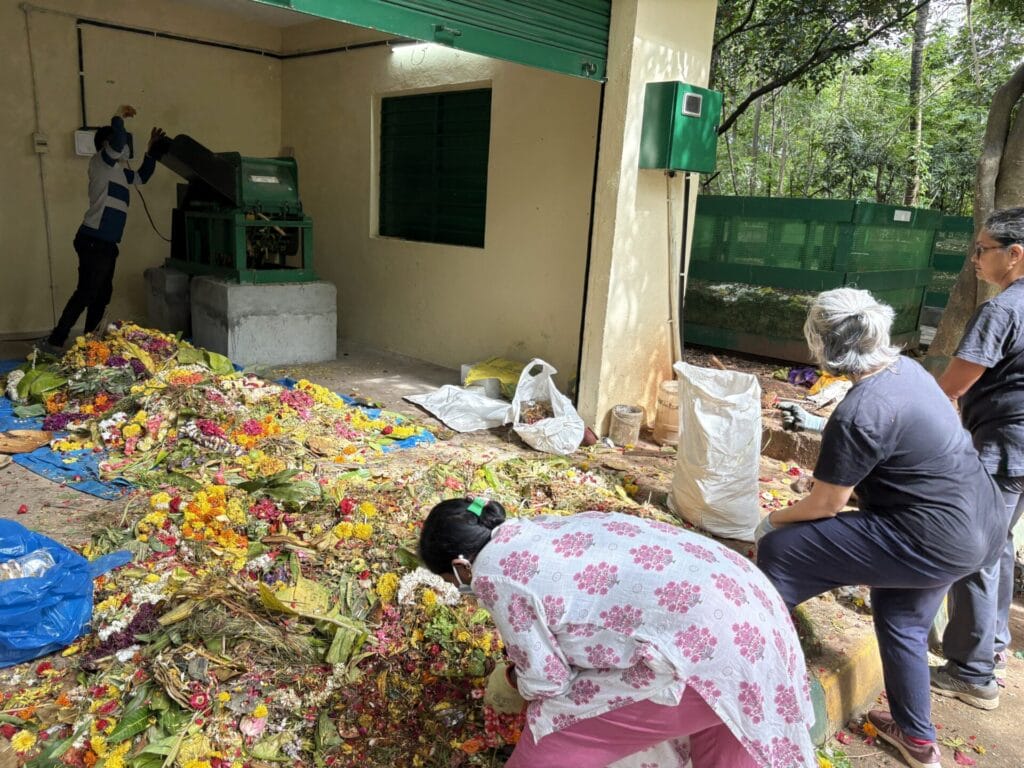
In the same city, Malleswaram Social has taken a bold step to transform waste management at the Kadu Malleswara Temple Complex. They segregate, shred, and prepare temple waste for composting; their initiative is now expanding to neighbourhood parks, turning every green space into a hub of sustainability.
From night walks to programmes felicitating pourakarmikas, this group is working towards making life better in their neighbourhoods. With their weekly plogging activities in local parks and streets, they sensitise young people on the importance of keeping neighbourhoods clean. They have a WhatsApp community of 500+ members with a core group of 5–6 people, and post about their activities on social media platforms like Facebook and Instagram on @malleswaramsocial.
Saving lakes and urban waterbodies
Our rivers, lakes, and waterbodies aren’t just natural resources—they’re lifelines for our people. They could be, and should be, the backbone of water resilience, flood protection, and thriving ecosystems. But instead? We’ve let real estate greed, bureaucratic neglect, and a total failure of enforcement turn them into open drains. Urban waterbodies are routinely poisoned by industrial effluents, choked with sewage, and treated like garbage dumps for everything from construction rubble to thermocol waste.
But there are examples to show that when residents unite, they can hold systems accountable and demand the infrastructure their lives depend on.
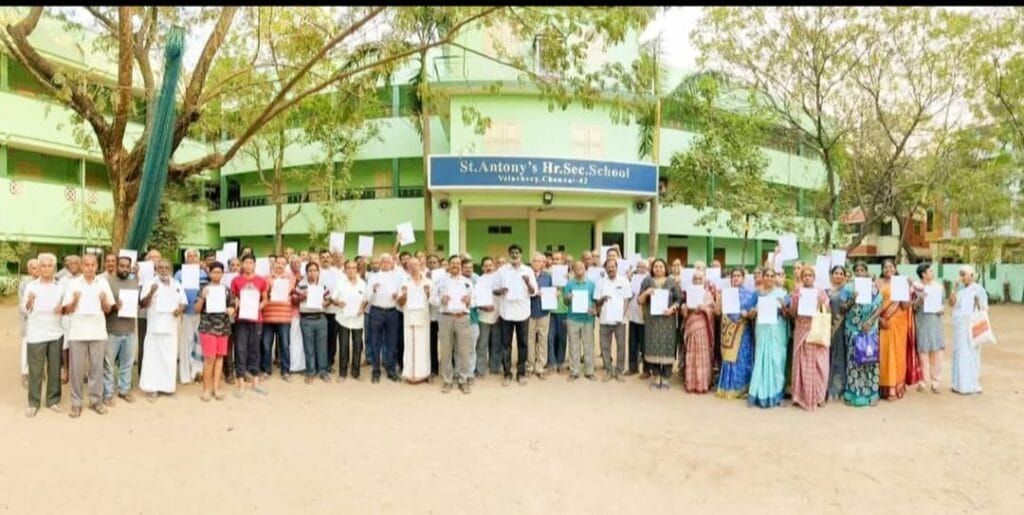
Chennai’s Tansi Nagar RWA is working to protect Velachery’s 10,000 families from annual floods. Through advocacy and legal action, this group is working on clearing encroachments blocking the critical canal along Perungudi Railway Station Road. Active since the 1970s, the RWA has primarily worked to fulfil the essential needs of the local people, especially concerning rainwater drains, road facilities, streetlight issues, power supply and safety.
From arranging bus stops to setting up CCTVs, Tansi Nagar residents have brought change in their neighbourhoods. One member from every street is represented in the executive committee of the association. They bagged the Best RWA Award in 2025 from the Tamil Nadu Alliance of Resident Welfare Association.
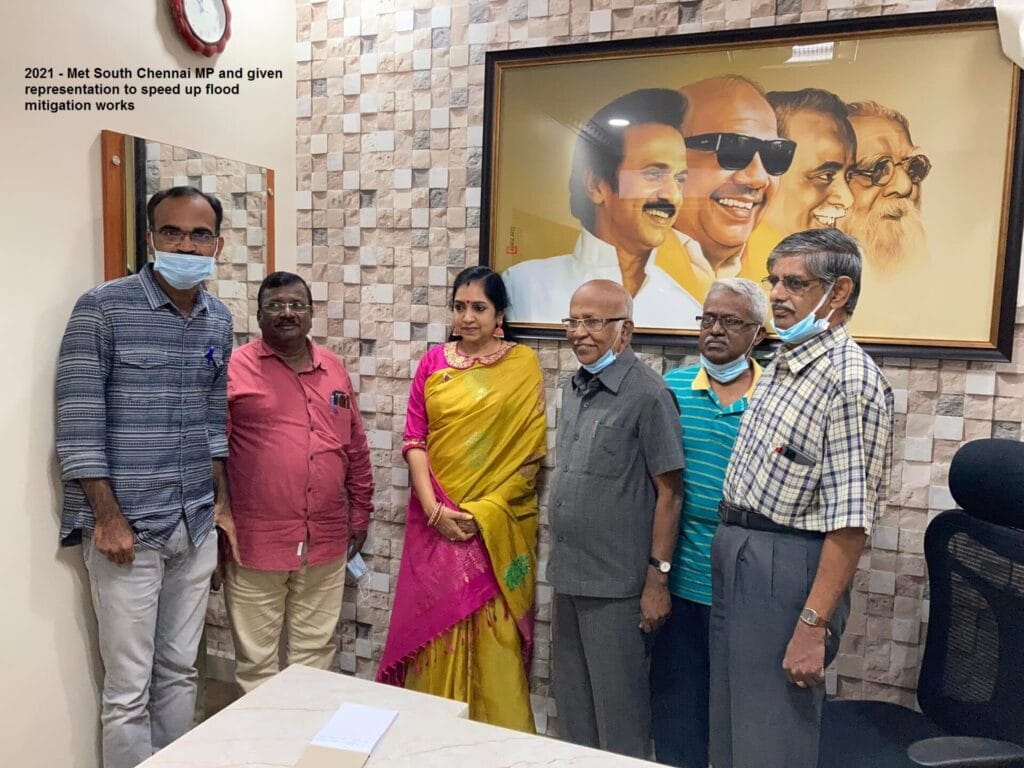
Not too far from Tansi Nagar, the Federation of Sunnambu Kulathur RWAs has led a long, multi-pronged fight for Narayanapuram Lake. They filed a PIL and rallied local residents, lobbied with MLAs and councillors, and built community support to save the lake. The state government has released over 200 crores to build stormwater drains and retaining walls, in this area. It has led to encroachment removal and lake reclamation.
From clearing green weeds and encroachments, to ensuring free flow in canals, these residents have mitigated floods and ensured their neighbourhoods in south Chennai are monsoon-ready. This federation, with members across six RWAs, reaches out to their communities on WhatsApp groups and their Facebook Page.
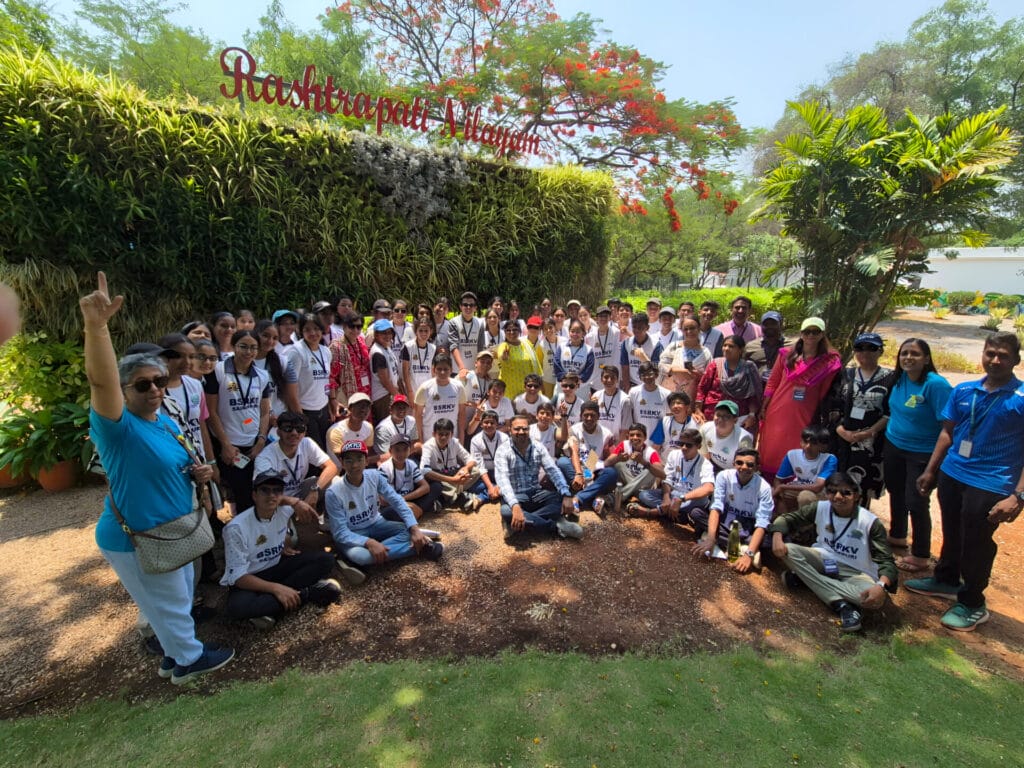
The Hyderabad’s Kapra Lake movement originally began as a WhatsApp group in 2016. Now a trust, they have been working over the years to restore the lake, by reviving the ecosystem, managing waste, improving water quality, and reclaiming open space.
The group also conducts plantation drives, regular lake cleanups, sustainability day activities with students of over 60 schools, and awareness drives around environmental issues.
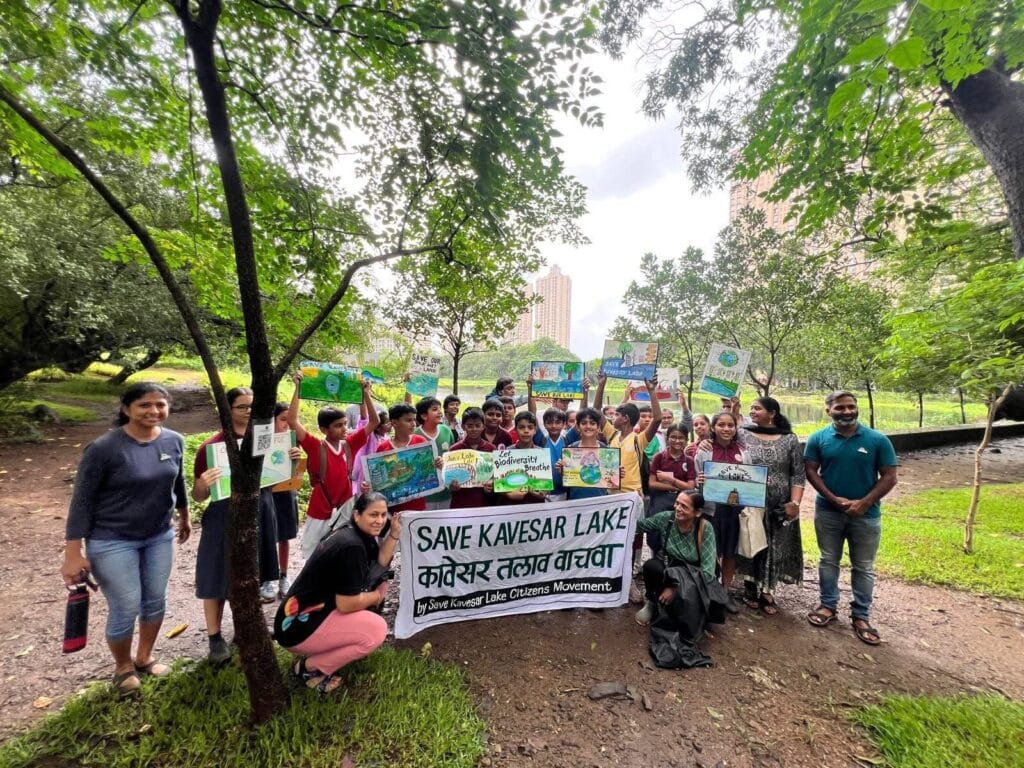
In June 2025, residents living around Kavesar Lake came together to oppose plans to “beautify” this lake set within the 350-acre Hiranandani Estate in Thane. This group, Save Kavesar Lake, has been working towards preserving Kavesar Lake as a natural habitat as a part of the Thane Development Plan.
What began as a local protest has since grown into a movement, with marches, nature walks, and awareness drives to stop concretisation in and around the lake. An online petition has drawn over 8,000 signatures, and over 200 people participated in their awareness march.
Commute and public transport
Walking. Cycling. Safe, affordable, reliable public transport. These could be game changers for our choked, congested cities. But none of these options exist. Our public transport infrastructure is a joke, our footpaths – death traps, and the systems seem thoroughly incapable and unwilling to take on the challenge.
The good news is active citizens are stepping up. Here are some community-led initiatives trying to change the state of mobility in our cities.
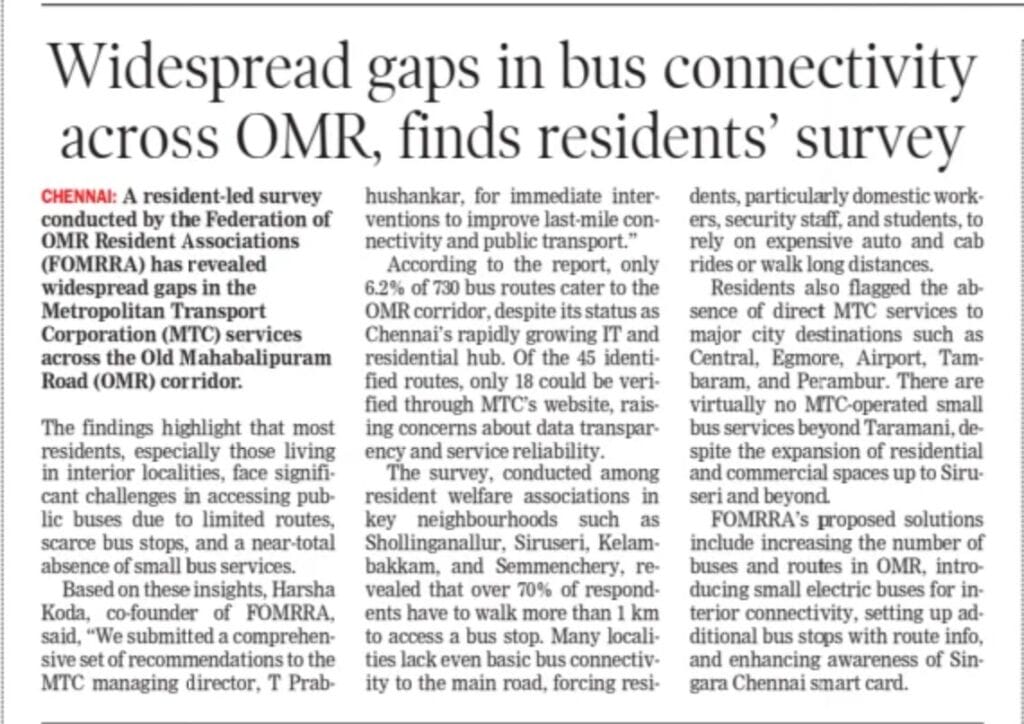
In Chennai, The Federation of OMR Residents Associations (FOMRRA) began as the result of a chat among a few friends and evolved into the federation to bring about collective action. Recently, it was their ‘The Last Mile survey’ that has helped to spot the gaps in affordable public transport connectivity. Findings were conveyed to Metropolitan Transport Corporation, the bus agency which has responded positively. Next, FOMRRA hopes to take their insights to the Chennai Metro Rail authorities as well.
They started their first WhatsApp group in October 2010 with 20 people. Today they have over 50 interest-specific groups with close to 14,000 participants. They have also held community contests like OMR360 with over 65 events including sports, music, dance, and others.
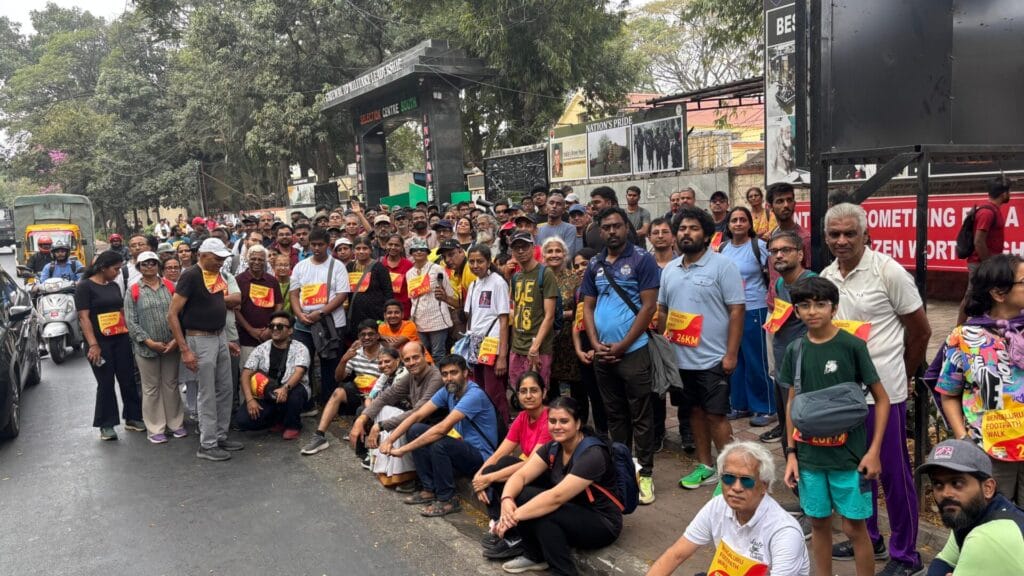
Project Walkaluru, Bengaluru started as a 100K ‘running-on-footpath’ challenge in 2024 but has evolved into a regular walking movement in the city. It has evolved into a space to document and address pedestrian hazards. The result: local authorities have fixed several footpath stretches, and areas under flyovers.
Communities and the municipality have joined hands to clean and restore blackspots. Residents here have helmed cleanups in areas like Agara Junction, Iblur, Domlur and Koramangala.
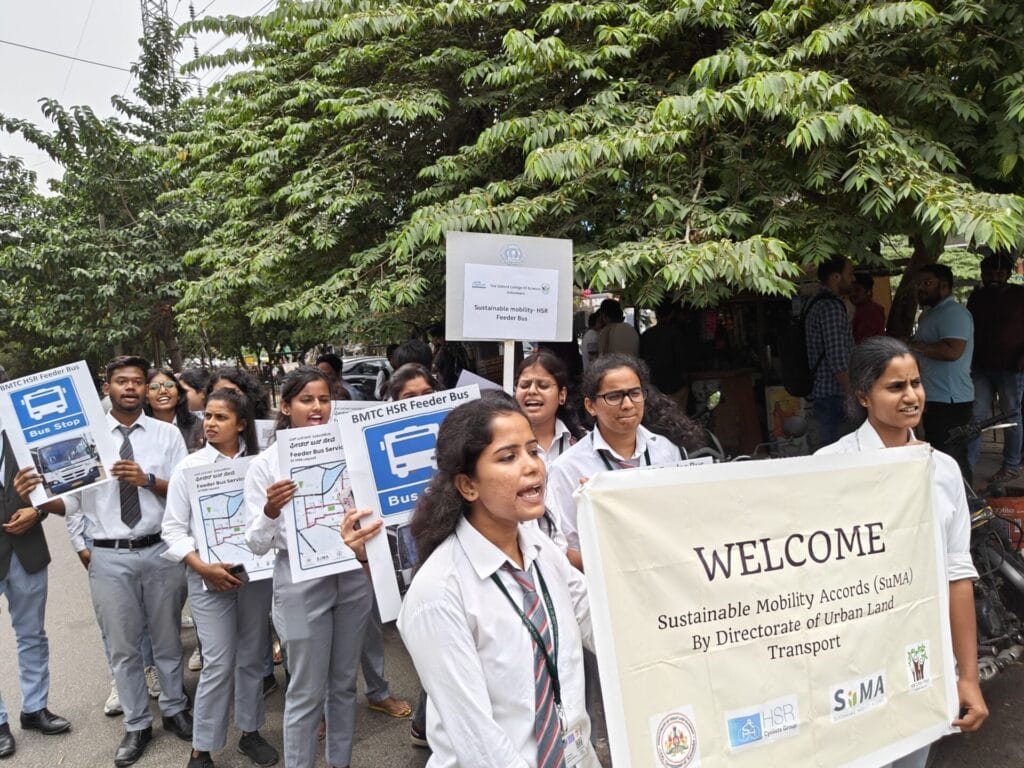
Another hugely successful initiative: the feeder bus service in Bengaluru’s HSR Layout. The HSR Citizen Forum, a volunteer group committed to the environment and sustainability, has created a blueprint for effective last-mile connectivity — they used data to lobby with authorities and social media to rally residents. The hugely popular feeder bus, with a ridership of over 37 lakhs since its inception in August 2023, serves as last-mile connectivity for the neighbourhood.
The HFC has a quick reach with the community through many WhatsApp groups – specifically to broadcast information regarding sustainability events. In addition to that, HCF also reaches community through RWAs. HCF has a social media presence on Instagram @hsrcitizenforum, a Facebook group, and a YouTube channel.
Forests and urban greenery
We call our forests and open spaces the ‘green lungs’ of our cities. Yet we watch—unflinching—as we choke them. The obsession with so-called ‘development’—more roads, more malls, more concrete—has turned our cities from Kashmir to Hyderabad, Jaipur to Mumbai, into battlegrounds. Greenery is the first casualty to so-called “development”.
And who speaks up for the environment? Not politicians, not corporations—just a handful of activists and countless ordinary people, standing firm to protect what little is left of these fragile ecosystems.
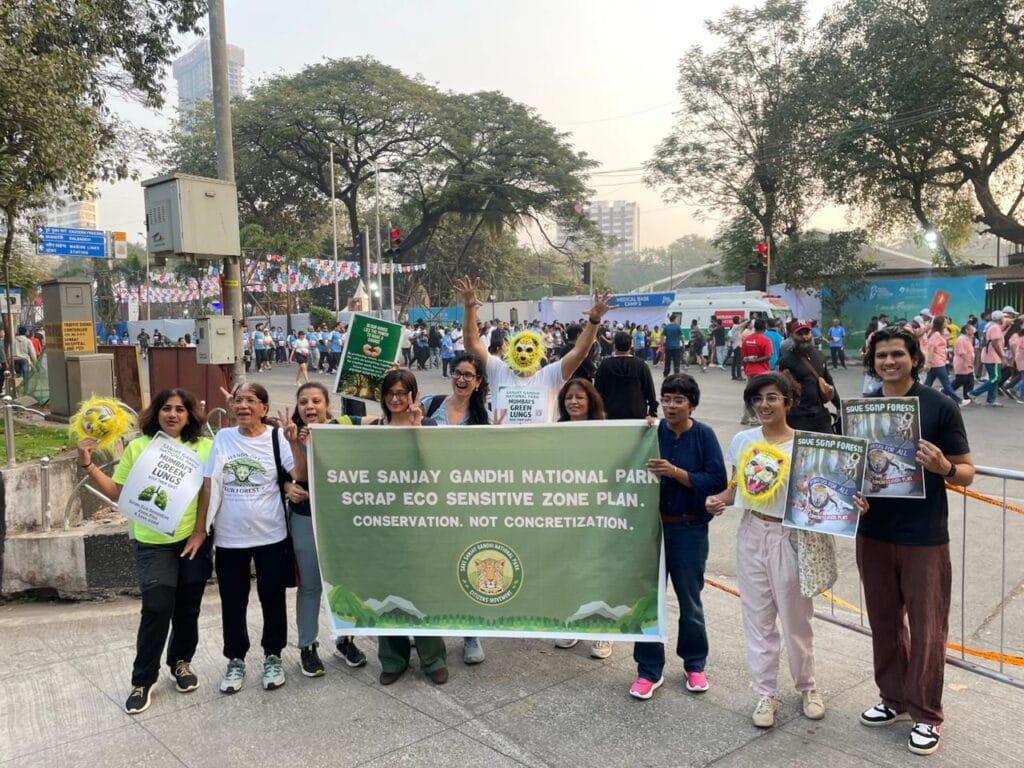
For over a decade, Mumbaikars have guarded the Sanjay Gandhi National Park and its forests in Aarey and Yeoor – against relentless development. But today, the battle is more urgent than ever. Environmentalists and common citizens are opposing the government’s masterplan for the eco-sensitive zones of the park, which opens these rich yet fragile ecosystems to commercial exploitation. Just recently, hundreds including local Adivasi residents forced the government to pause demolitions.
The group has been attempting to whip up a government mandate to protect this park. They have utilised online petitions, citizens’ meetings, mobilising public objections and suggestions, public hearings, legal mechanisms, protests, and so on. Recently, they held a march at the Mumbai marathon for the cause.
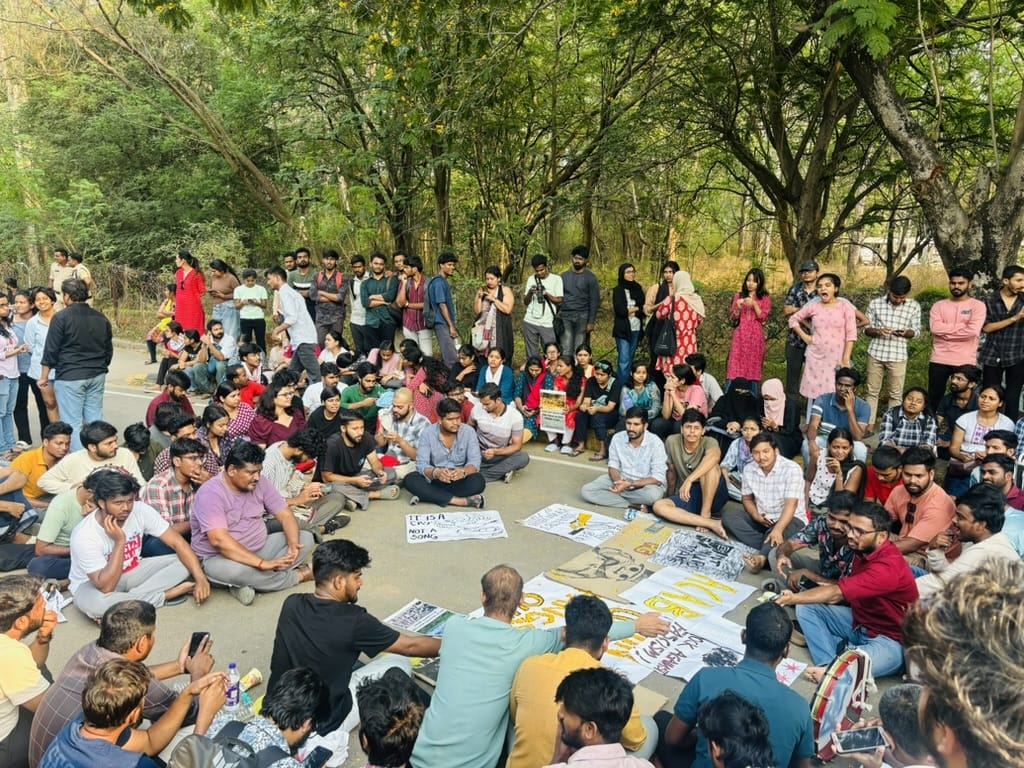
In 2025, students, faculty, alumni and nature lovers of Hyderabad came together to oppose the Telangana government’s takeover of 400 acres of the Kancha Gachibowli forest land inside the University of Hyderabad campus, for an IT park.
The Save City Forest collective organised sit-ins, tree-hugging vigils and public protests, filed petitions, mobilised public support and talked to political leaders. After weeks of pressure, the Supreme Court stepped in and halting any further deforestation. It was a reminder that when people organise, even the most powerful interests can be challenged.
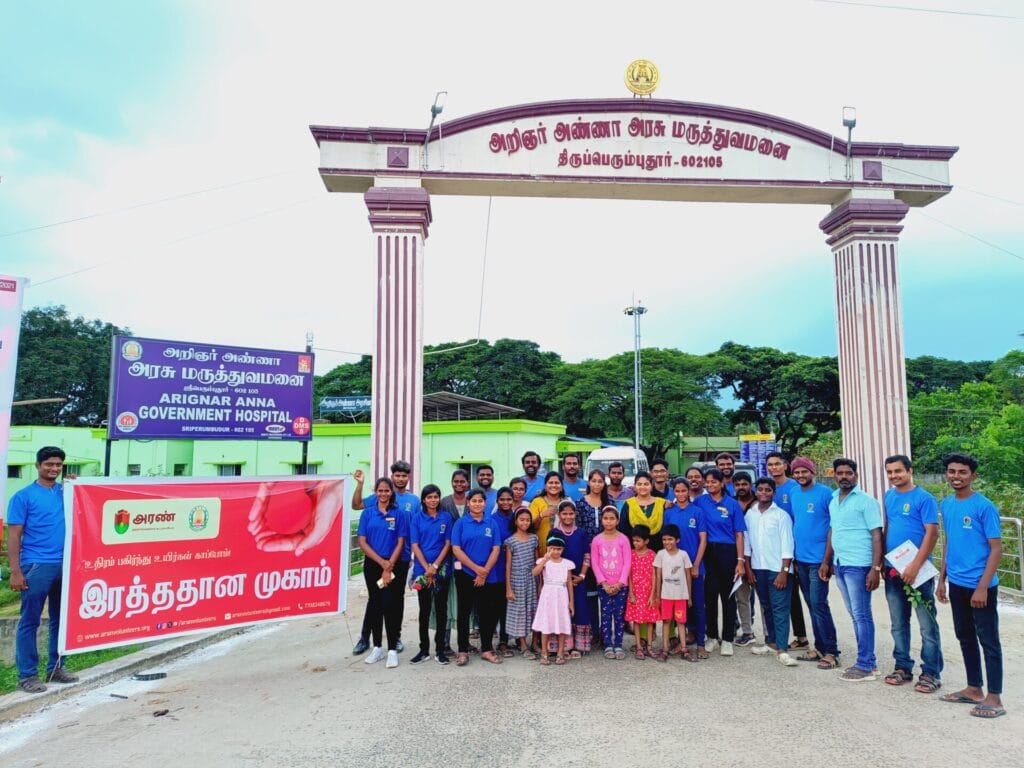
In Sriperumbudur near Chennai, Aran, a volunteer-driven NGO works to protect the environment and empower communities. Young volunteers—students and professionals—have planted over 4,000 trees, creating Ezhilvanam, a thriving urban forest on government land.
In August 2025, when plans for an RTO office threatened the trees, they used social media and petitions to rally the community and halt the plan. Apart from nurturing this green lung, the collective focuses on, waterbody restoration, cleanup drives, promoting awareness on conservation, and educating economically backward students.
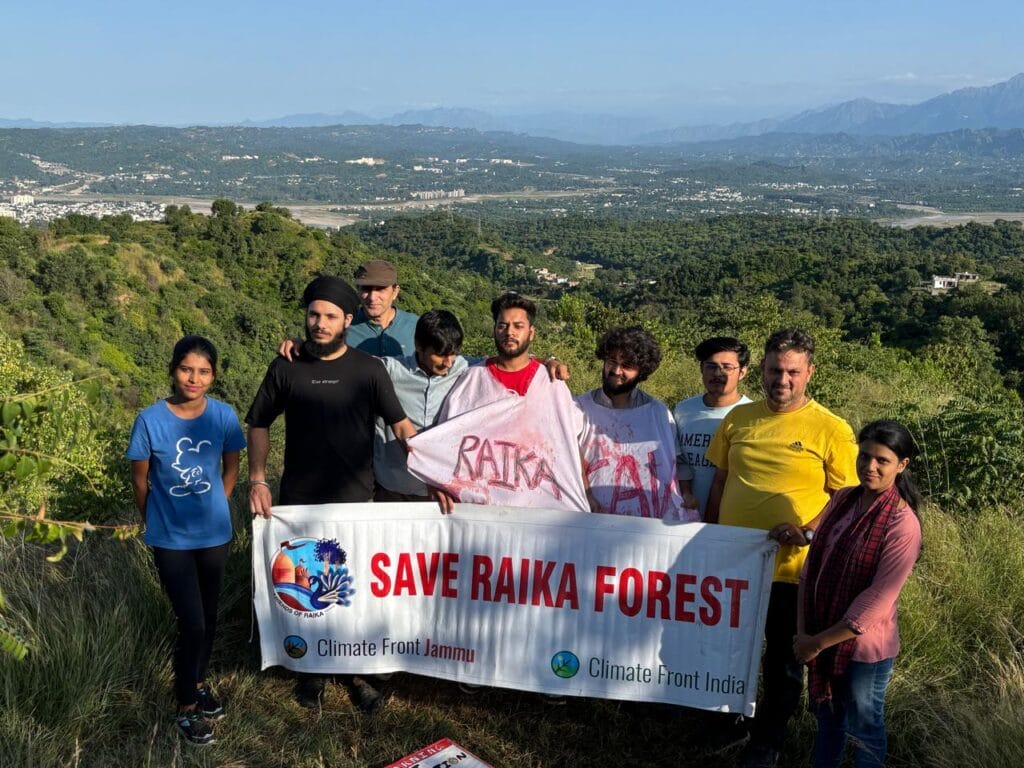
In Jammu, the Friends of Raika Forest campaign against a reckless plan to bulldoze one of the region’s last green lungs for a new High Court complex. The project could fell thousands of trees, disrupt fragile ecosystems, and displace tribal families. Here, people organised peaceful protests, hugged trees and written to authorities to bring change. Their grassroots campaign appealed directly to the Chief Justice of India, urging a halt to deforestation and a reconsideration of the project.
A sister movement, Friends of River Tawi, is raising its voice against the Tawi Artificial Lake and Riverfront Development, the same project that caused devastating floods in the region in 2025.
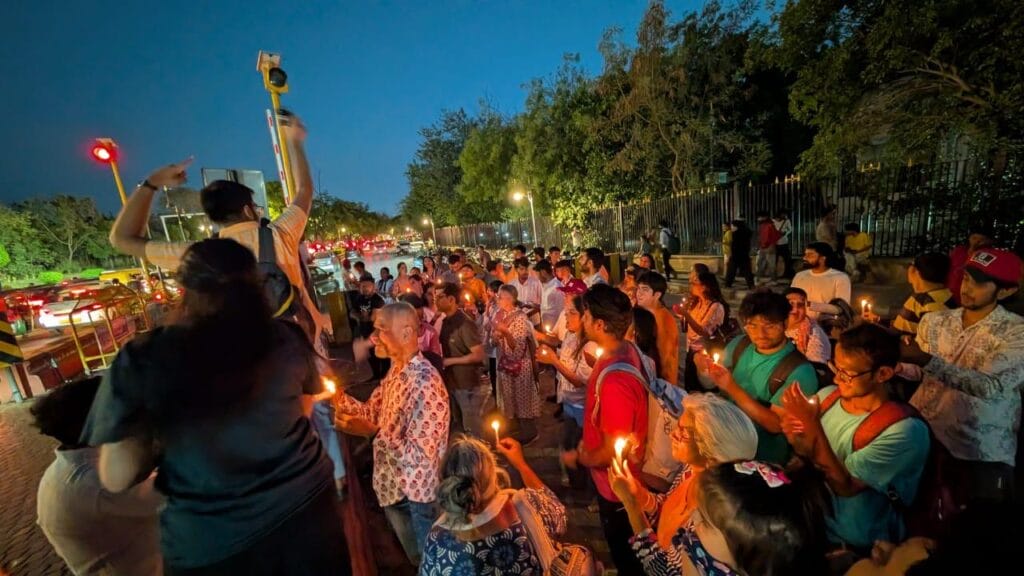
In Jaipur, ‘Save Dol Ka Badh’ movement began in 2021 against plans to develop a 100-acre forest into a fintech park. In 2024, construction of a commercial mall began despite the public opposition. Today, the people’s movement has gained significant momentum, with over 70,000 petition signatures.
It has a network of thousands of active on-ground citizens regularly campaigning at the site, defying police intimidation, continuous surveillance and harassment, and incidents of arbitrary detention. They have more than 20,000 Instagram followers as well. The network also submitted an alternate proposal to turn Dol Ka Badh into a biodiversity park and climate education hub, while relocating commercial projects to ecologically non-sensitive RIICO industrial zones.
Bringing people together
A city isn’t just its buildings, roads, or parks. It’s the people—their dreams, their well-being, their shared stories, and their sense of belonging. In various ways and in various contexts, citizens are taking ownership for making their neighbourhoods more liveable and more alive by strengthening community glue!
Some band together to fix a common pain-point, others form groups around shared interests and activities, while still others come together to document and create conversations around our culture, history, and architecture. Through walks, talks, art and digital archives, these groups are creating awareness and a blueprint for connected cities.
At the city’s famous Cubbon Park, various groups with shared interests, come together: to run, knit, read, practise yoga and much more. The groups are varied, led by a group of core volunteers but including members of all ages and gender, united only by their love for the pursuit.
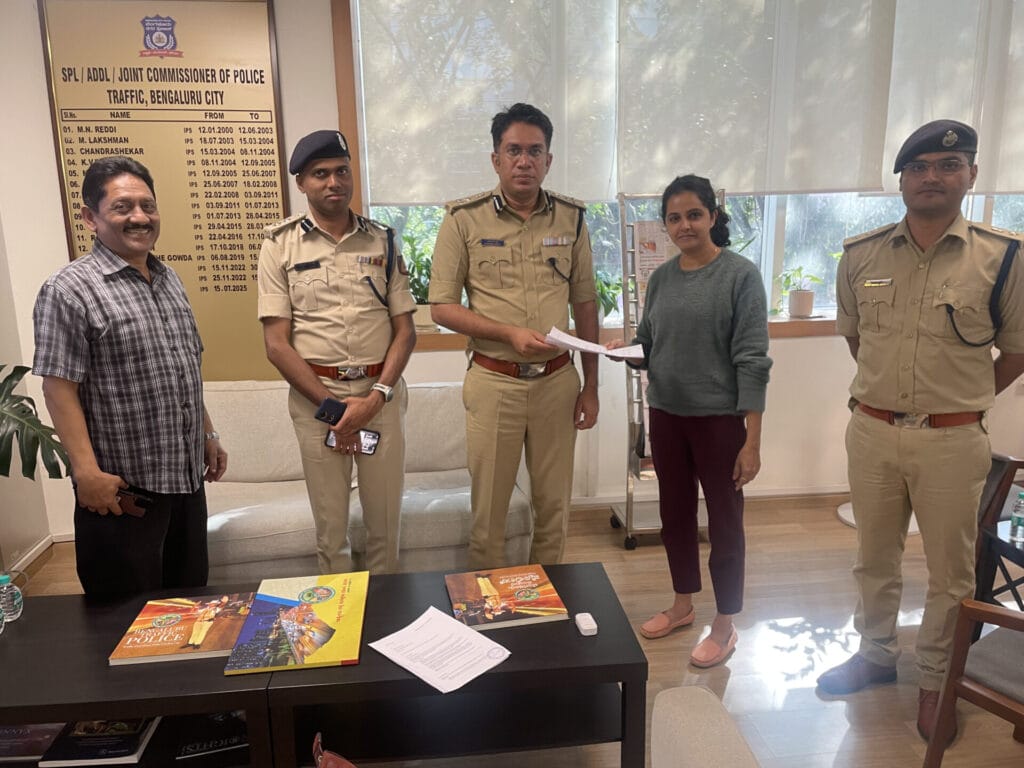
A group of just six active members, Noisewatchers, came together over a chance Linkedin post to take up the cause of noise pollution in Bengaluru city. They monitor sound levels at different traffic junctions to alert authorities, host awareness campaigns at public events, and engage in advocacy at the grassroots, interacting with different stakeholders.
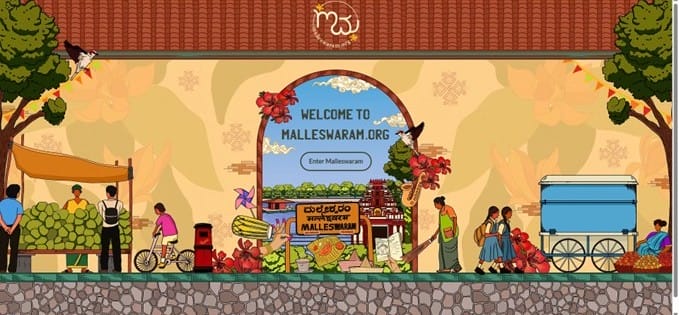
Malleswaram Social, another Bengaluru group, has created a wonderful, growing repository for its residents to connect with the rich historical, cultural legacy of the neighbourhood through their website, Malleswaram.org.
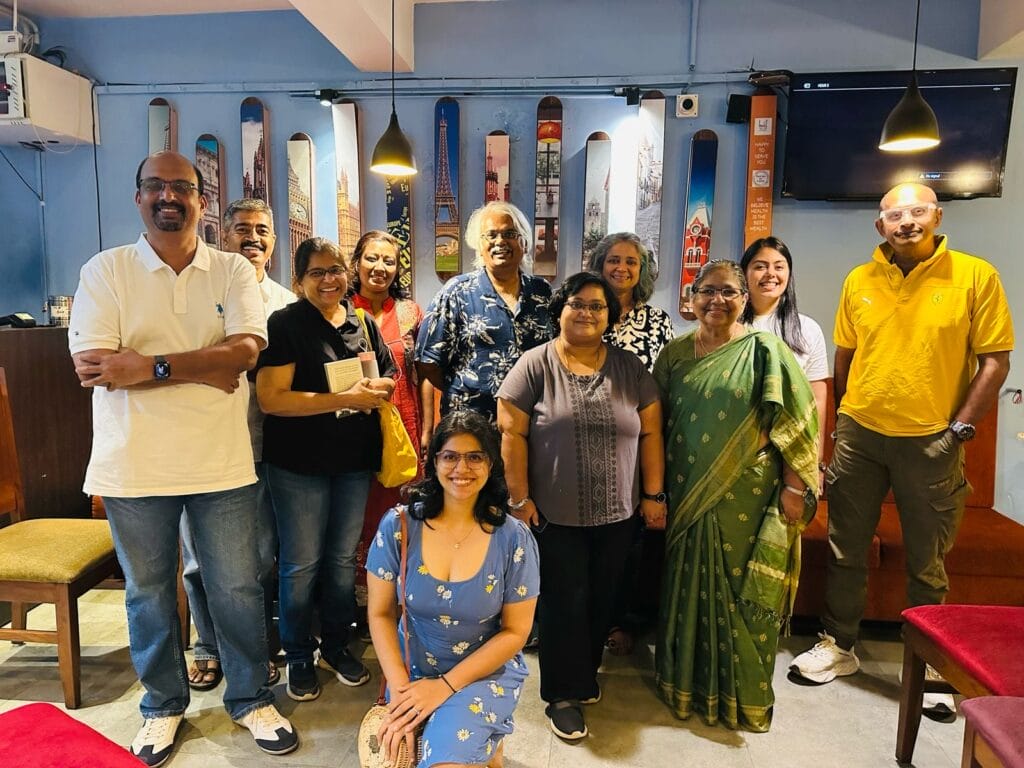
In Chennai, FOMRRA’s Bookworms’ Club is a vibrant, active community with writing contests, book swaps, literary discussions and events with local authors. This initiative was born as a “book swap” to help save books from going into landfills. It found strength during the short-story contest during the inter-community championship event OMR360 in 2024 and evolved into a full-fledged Book Club, with writing contests, book swaps and literary discussions.
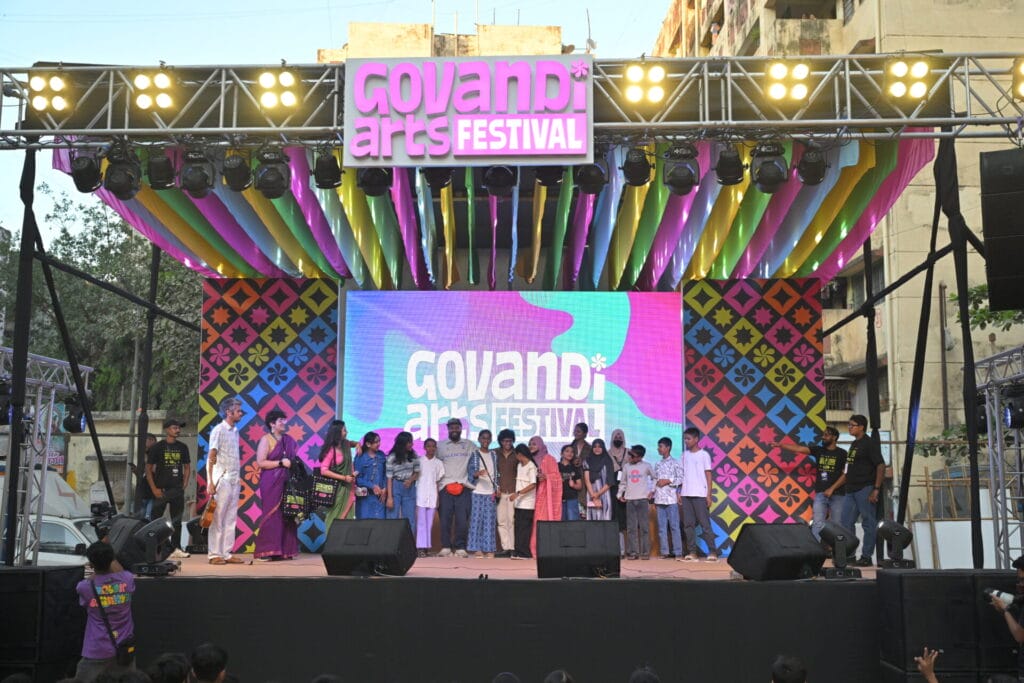
December 2025 marked the second edition of the Govandi Arts Festival in Mumbai. The largely volunteer-driven initiative is a celebration of creativity in Govandi, one of the most underserved neighbourhoods in Mumbai. The arts festival shifts the usual narrative of crime and deprivation in the area to one of ability, aspiration and opportunity, and hopes to reclaim Govandi’s identity by highlighting the creativity of its young people.
Technology and data
In parallel to the many initiatives on the ground, we see a pool of experts, data geeks, coders, urban planners, architects and creators building tools to empower the public.
Digital dashboards, info graphics and social media stories help in awareness and understanding of a range of issues, from environment and sustainability, to city transport to public services.
- Ravi Kaushik’s Pune Tree Census Dashboard, for example, not only maps trees, but helps you understand how each tree makes it a healthier place.
- In Bengaluru, Karthik D mapped the data from the city tree census to derive insights — showing where trees are, what species they are, and the density of green cover.
- Volunteer-driven blog ZenCitizen helps to understand and access Bengaluru’s public services.
- City Officials is a site with hyperlocal information on Bengaluru neighbourhoods, contains ward and constituency info, contacts of officials and more.
- Raja Ramamoorthy’s traffic calculator helped Chennaiites’ see how their daily commute decisions affects both their wallet and the environment.
- Arun Ganesh’s Amche.in maps plans, zones and land use in Goa, Chennai and Bengaluru.
So, yes, our cities today are in deep crises. The promises – of better lives, healthier environment, inclusive society – are falling short. But its strongest champions have always been, and continue to be, its people. Those who refuse to accept the status quo, challenge the system if they have to, work with it when needed, and rise above the daily noise to imagine and build a better future.
Watch this special, short film about the communities featured on Spotlight: