According to the Chennai Metropolitan Development Authority, Chennai generates about 3,000 tonnes of waste per day and most of it comes from residential and commercial establishments. The focus of a zero-waste home is not just on being environment-friendly but also on protecting our health and the health of future generations.
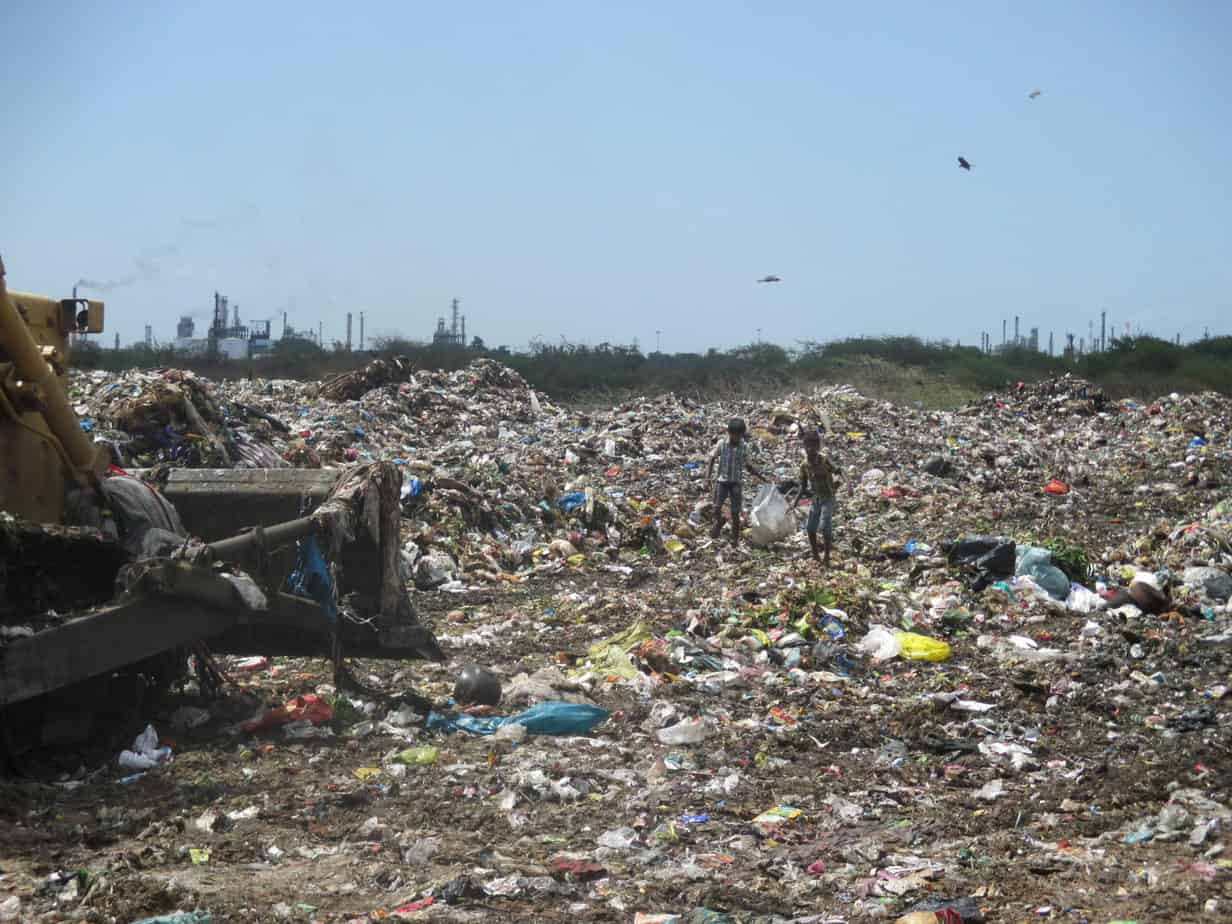
The key to achieving zero waste living is the concept of — Refuse, Reduce, Reuse and Recycle. This can happen only when there is successful waste segregation at source, which will enable citizens to understand the waste we are generating, how to minimise it and focus on using alternatives. This in turn ensures that less waste piles up in the landfills, which are already bursting at the seams.
Chennai has had a slow start when it comes to effective waste management at source and moving from the convenience of plastic to more ecologically sound and sustainable alternatives. But, change is afoot and residents of Namma Chennai are always looking for solutions that will help them minimise waste and ensure the least impact on the environment.
By cutting out plastic bags and packaging in our homes, using cloth bags for shopping, composting kitchen waste and finding the right avenues to recycle dry and electronic waste, Chennai citizens can move towards making their homes ‘zero-waste.’
Read more: Chennai’s ongoing battle to improve waste management
Solving the challenges of becoming a ‘zero-waste’ household
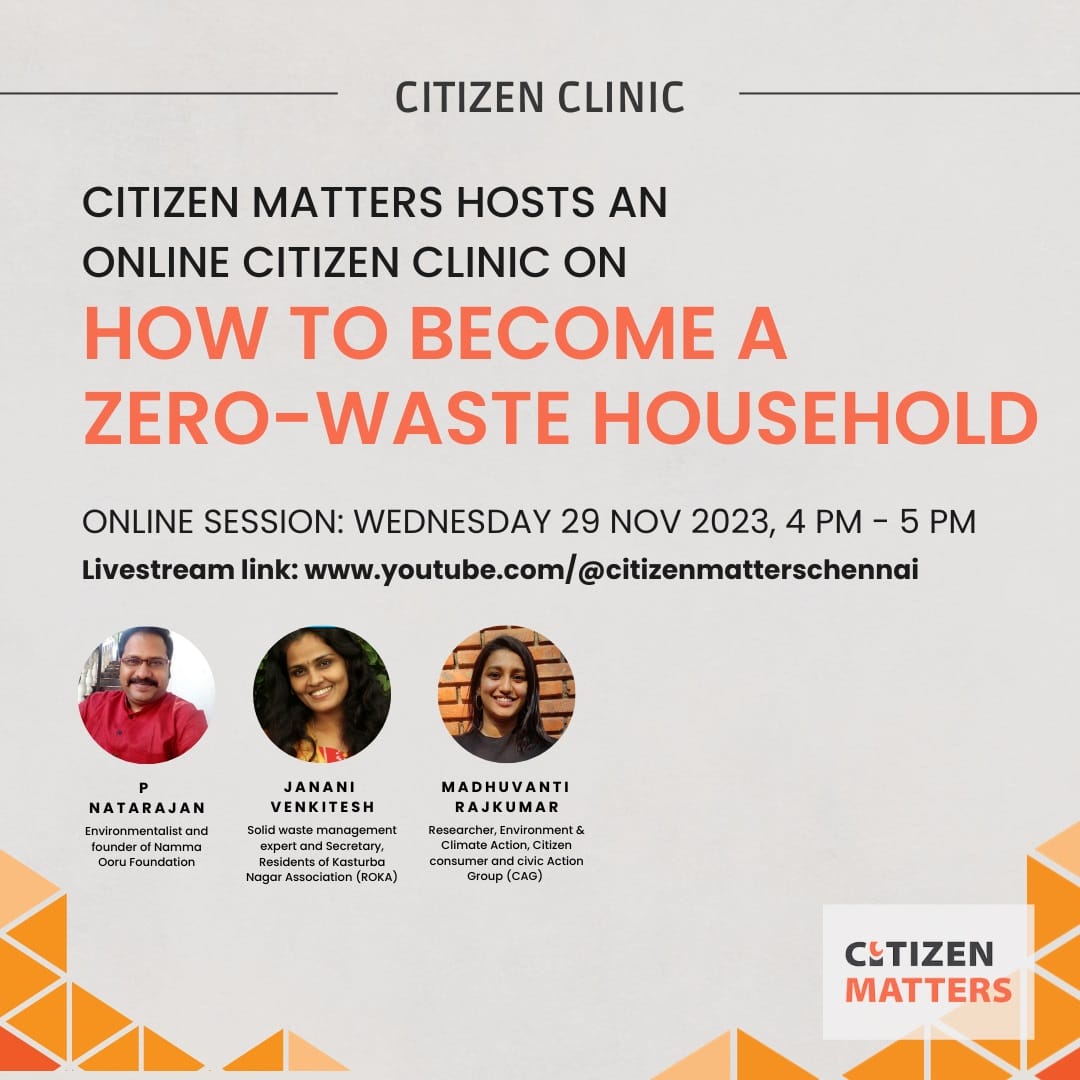
Citizen Matters Chennai is organising a Citizen Clinic to help Chennaiites understand how to use the resources and platforms available for effective waste management and disposal.
The clinic will provide answers on how to segregate at source, how to avoid plastic and what are the eco-friendly alternatives, how to find recycling units near your home and how to get help with composting in Chennai. A panel will share best practices and personal experiences in moving towards minimal waste generation. The panel has three experts including P Natarajan, founder of Namma Ooru Foundation, a not-for-profit organisation engaged in solid waste management, rainwater harvesting, increasing green cover and building sustainable communities; Janani Venkitesh, an environment and Solid waste management enthusiast working with communities, institutions, organisations and other corporation/municipalities in implementing source segregation of waste on a purely voluntary basis; and Madhuvanthi Rajkumar, Researcher-Environment & Climate Action at Citizen consumer and civic Action Group (CAG).
Read more: Why I segregate waste at source despite a broken waste management system in Chennai
Those who have shared their questions will receive an invitation to the virtual meeting to watch as Citizen Matters and the panel brainstorm solutions.
Some of the questions that will be addressed:
- What type of bins can I use for different types of waste?
- How do I dispose of e-waste?
- Who can I approach to get tips on composting?
- Are there recycling units in my area that will collect from home?
- What are the alternatives to plastic that I can use?
- Is it possible to change and minimise my buying patterns?
The discussion will also be live-streamed on YouTube.
A summary of the discussion and video recording will be shared on our website. We invite Chennaiites to watch the discussion and benefit from the knowledge and tips disseminated during the event, so that you can put them to practice in your home.