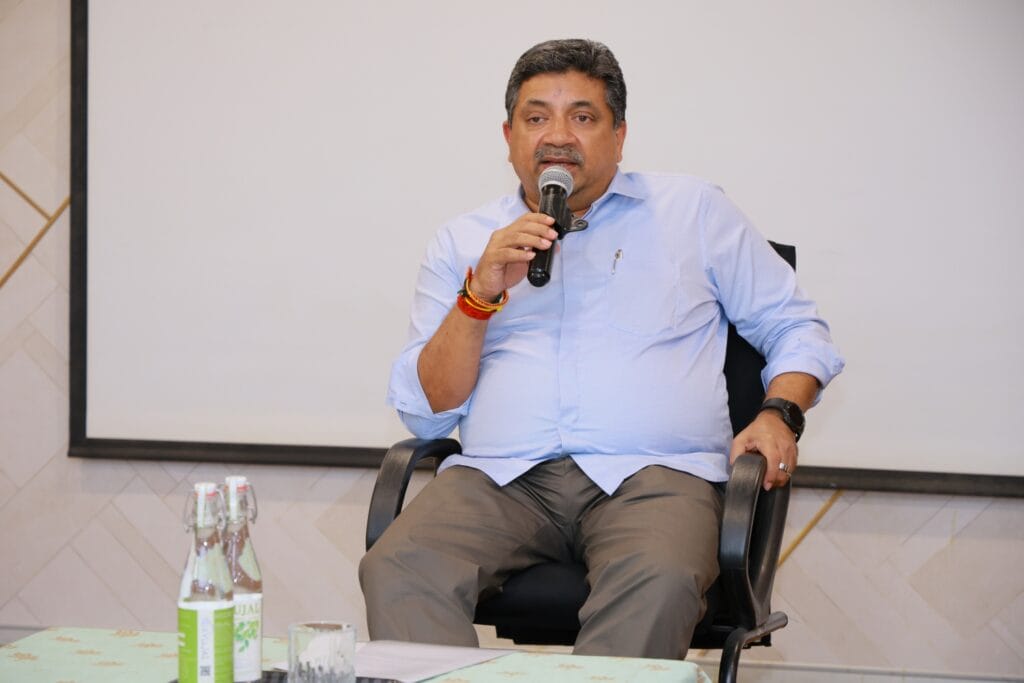
Better societies lead to better economies, said Dr Palanivel Thiaga Rajan, Minister of Information Technology and Digital Services for Tamil Nadu. He was speaking at the India Civic Summit 2026, organised by Oorvani Foundation at IITM Research Park in Chennai, on February 14th. “The notion of a life with dignity should be the basis for social equity,” he said, adding that citizens must not have to struggle for basic needs like drinking water, toilets, or hygiene.
Rapid urbanisation has led to a model where announcements happen, but planning takes time, resulting in large-scale projects where execution may suffer, the minister said.
To overcome systemic failures, Dr Palanivel advocated for a technology-driven governance platform that utilises integrated data to establish the “institutional memory” and administrative continuity currently missing from the system. This model prioritises “automated inclusion” for vulnerable populations and the expansion of friction-free, decentralised services—such as digital health checks and e-service centres—to minimise the need for physical government interactions.
Read more: Bengaluru citizens’ solutions to combat civic activism fatigue
Platform to facilitate urban change
Supported by Rohini Nilekani Philanthropies and SIP Academy, the India Civic Summit provided a platform to facilitate dialogues and activities that inspire citizen-led climate and civic action. It brought together active citizens, communities, civil society organisations, researchers, urban experts, and decision-makers to explore solutions that could make our cities more liveable, sustainable and equitable.
The theme for the third edition of the annual flagship event was ‘Citizens and Urban Governance’. Through a day-long event of curated talks, panels, workshops and interactive events, attendees explored the critical role of citizens in transforming urban governance and showcased the power of citizen agency in addressing India’s urban challenges.
Right to the city
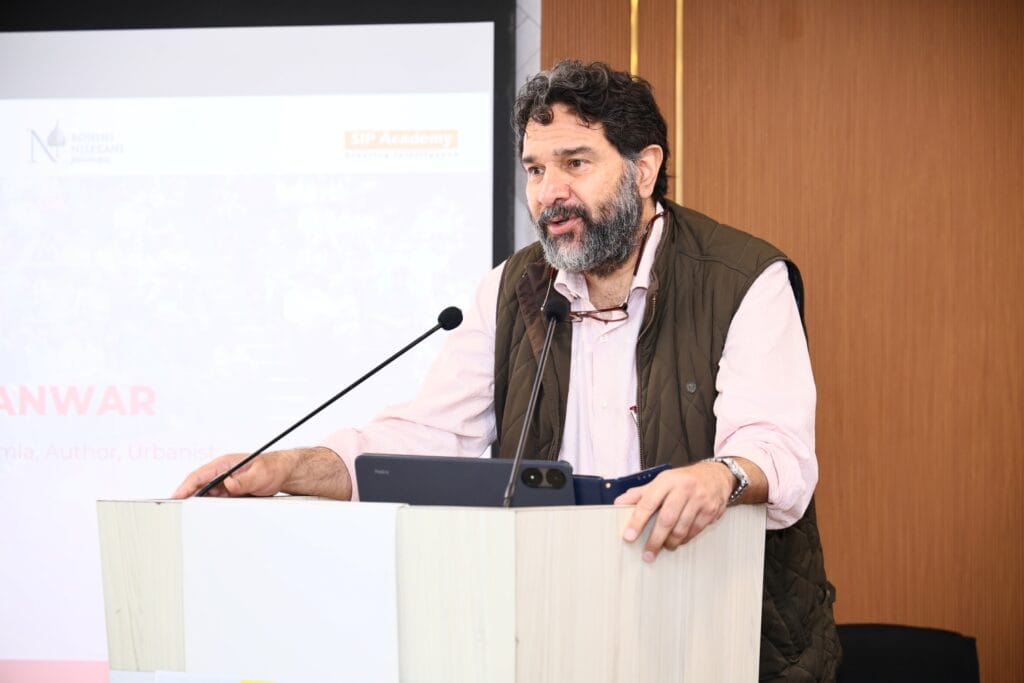
Giving the keynote address on ‘Reclaiming citizens’ right to the city’, Tikender Panwar, Urbanist and Former Deputy Mayor of Shimla, underscored that Indian cities are increasingly exclusionary, driven by extractive models of development that weaken democratic participation and reduce public services from rights to commodities. He argued that real decentralisation must go beyond administrative reform to empower people directly. Citing Kerala’s newly approved urban policy, he highlighted innovations such as city cabinets, citizen, worker and business councils, neighbourhood-level planning, youth representation, and digital town halls — all aimed at reclaiming the “right to the city” through participatory, bottom-up governance.
Dr Lakshmi Narasimhan, CEO, Banyan Academy of Leadership in Mental Health, noted that, “Urban governance can be the most powerful form of hope infrastructure — when people across the city, including those at the margins, can believe that their aspirations matter, their participation counts, and the city recognises them not as populations to be managed, but as active citizens.”
Noted civic activist Kamakshi Paati was present at the event, along with Oorvani Foundation trustees Ashwin Mahesh, Meenakshi Ramesh, and Meera K.
Panel on urban governance and technology, data and processes
One of the highlights of the day-long event was an engaging panel on ‘Inside the city government: How tech, data and processes come together’. Panellists Pratiksha Deolekar, Praja Foundation, V R Vachana from Janaagraha, Subham Chattopadhyay, eGov Foundation, Poornima Jayaraj, Citizen consumer and civic Action Group (CAG) and Kayalvizhi Jayakumar, GCC Councillor for Ward 179, highlighted how budget allocations for wards and specific projects under city governments need to be simplified and accessible. They emphasised how residents must also have access to information about ward works.
Vachana mentioned that there is fragmentation within local bodies and that state departments have splintered mandates. She added that no single authority is accountable for the city. Speaking at the panel, Kayalvizhi said that she actively engaged with residents of her ward and promptly resolved issues. “I identify volunteers from every street, who keep me informed about any civic issues there,” she added.
Read more: Raising a toast to citizen groups fighting for climate-resilient cities
Sessions on ward design, youth in governance, and tools of civic participation
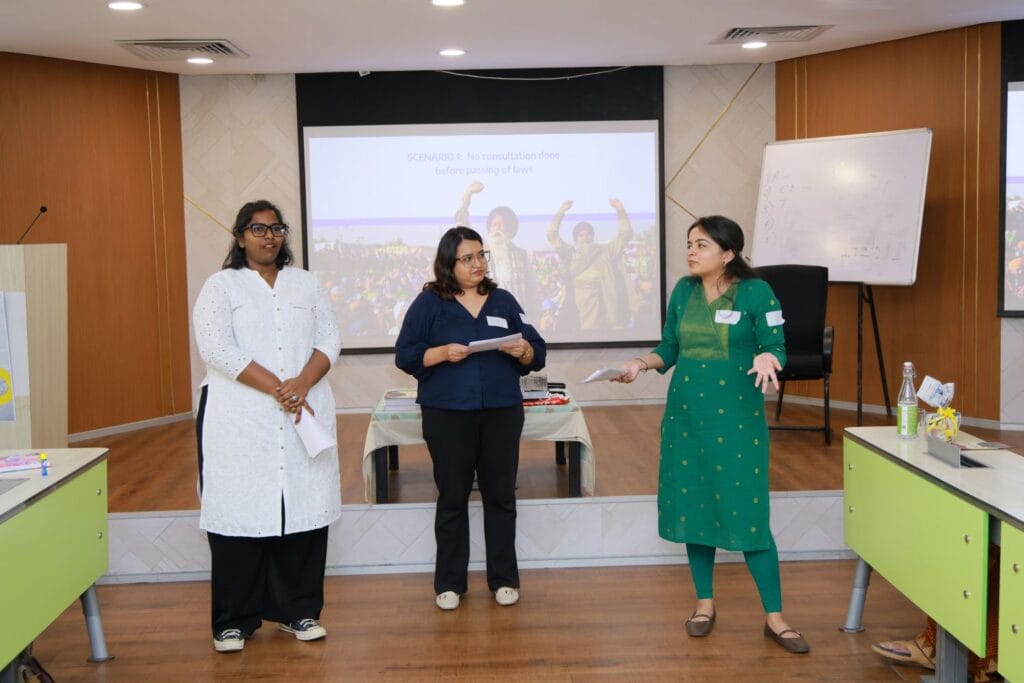
Attendees at the India Civic Summit 2026 gained valuable insights from urban experts, government representatives, community leaders, and groups working to engage citizens in participatory governance. Participants had the opportunity to network with several groups and individuals who have been actively involved in various issues in the urban civic space through the Civic Circles networking session.
Parallel sessions explored:
- Tools for hands-on civic engagement, including Right to Information (RTI), Ward and Area Sabhas and public consultations.
- Inclusive city planning and governance
- Best practices to bridge the gap between institutions and citizens, especially the youth.
Spotlight on commendable work
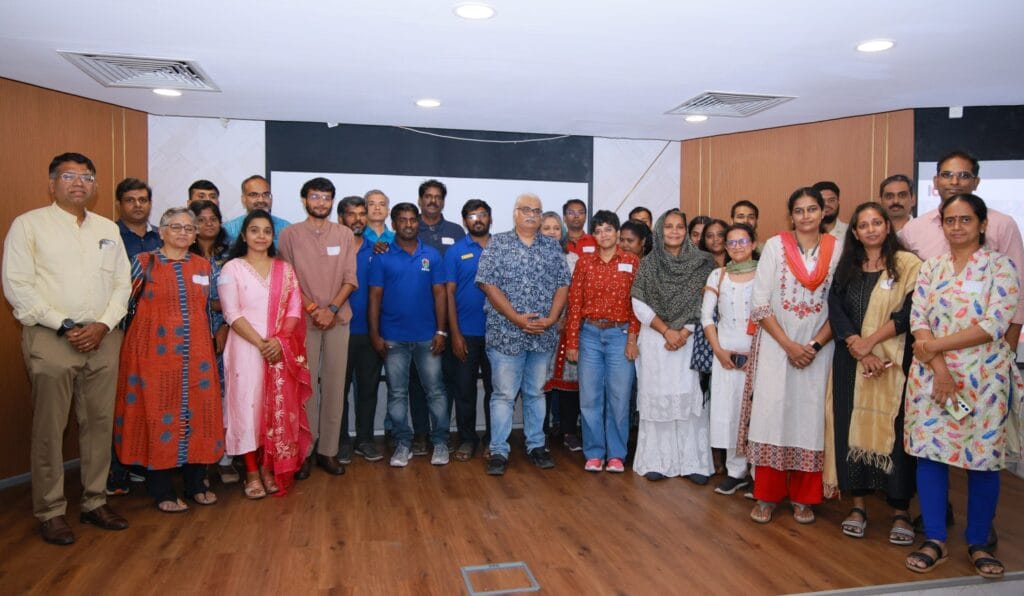
The India Civic Summit culminated with a special spotlight on community initiatives and stories from the ground. Groups that engage with citizens on a variety of civic and environmental issues were recognised for their efforts.
Speaking at the culmination of the event, Dinesh Victor, Founder of SIP Academy, noted, “Cities which are the most liveable in the world have among the highest percentage of civic participation.” He pointed out the stark absence of Indian cities from global liveability rankings despite rapid urbanisation. He also encouraged empowering young people to engage with the government and asserted that active citizens are the bridge to building better cities.