Lasting heat: How is the Urban Heat Island effect impacting Mumbaikars?

Mumbai's microclimate zones create urban heat islands, making some areas hotter. This video explores how extreme heat affects locals’ daily lives.

“The weather used to be good, but the climate has changed over time,” says Munir, who works at a salon in Colaba. A March 2025 report brought out by Respirer Living Sciences confirms Munir’s experience and observations. Colaba has become an urban heat island (UHI).

Mumbai faced a particularly harsh summer this year. While the monsoon arrived early and brought respite from the intense heat, the UHI effect in certain pockets remains an ongoing challenge. It has led to the creation of microclimate zones in the island city. As a result, some parts of Mumbai see a considerably higher temperature than the surrounding areas.

The Mumbai Climate Action Plan has also analysed data to identify urban heat islands. While the UHI effect in itself is significant, when taken in conjunction with inadequate heat-related policies, the problem is magnified.


Read more: Keeping it cool: How Mumbai’s building rules must address heat stress


Factors such as age, gender, occupation, and socio-economic conditions heavily influence vulnerability to heat. Moreover, heat can exacerbate the hazards posed by underlying health issues such as cardiovascular disease, diabetes and mental health disorders. The World Health Organization, recognising the impact of heat on health, has brought out a framework to build climate-resilient health systems. Besides health, extreme heat also impacts livelihoods, especially for people working outdoors or with no access to air-conditioning.

To address these urgent issues, we need robust policies to be effectively implemented. “There is no policy that connects the dots between health impacts and heat stress,” says Sarita Fernandes, convener of the Heatwave Action Coalition (India). 
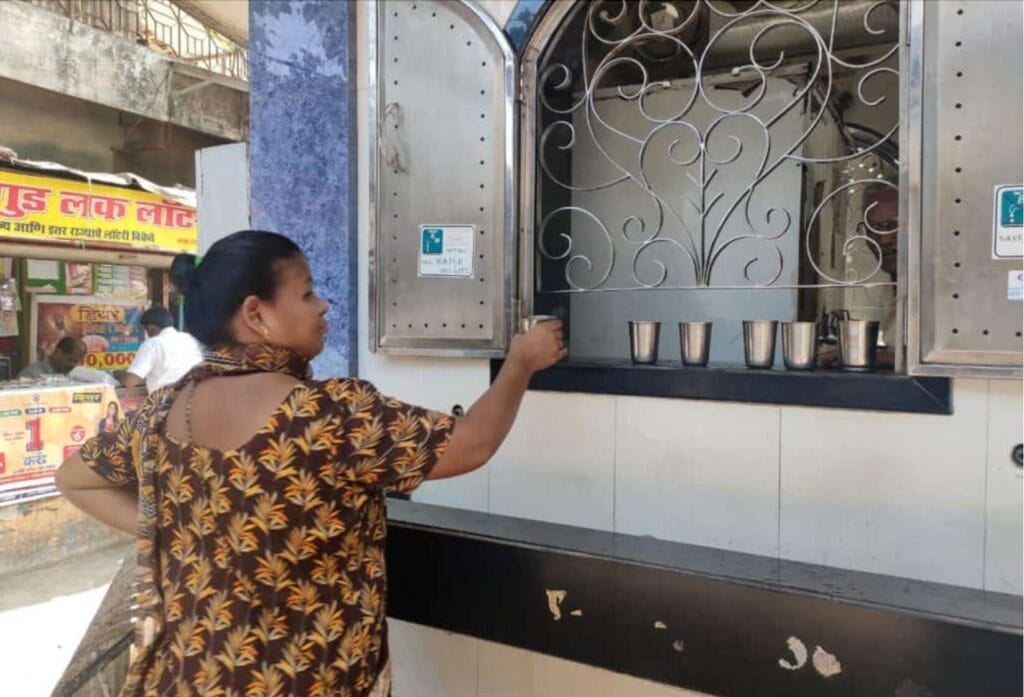
A public drinking fountain
Climate resilience programmes must take into account vulnerable groups like women, the elderly, children and outdoor workers. Pic: Radha Puranik

Citizen Matters explored the fallout of the UHI effect in a video story, with a focus on Colaba. This video looks at the experiences of people living and working in Colaba as well as the gaps in policies which address urban heat.


Also read:


Leave a Reply

Your email address will not be published. Required fields are marked *

Similar Story

Buyers and sellers in Koyambedu Market face health risks from winter air pollution

IIT-M study records winter PM2.5 spike in Koyambedu market; stakeholders flag vehicular emissions and the need for hyperlocal data.

As sweater weather arrives, winter brings purple December flowers, fresh Ooty carrots with slivers of roots, and crisp Kashmiri apples to Chennai’s Koyambedu Wholesale Market Complex (KWMC). Much before dawn, workers unload crates of seasonal produce, and retailers vie for the best prices at Asia’s biggest market place for perishable goods. For the last 15 years, Murugan*, a parking personnel at the flower market's gate, has witnessed the coming and going of seasons, flowers, customers, and trucks. Most of all, he has seen the cityscape change with the addition of flyovers, bridges, cars, and metro construction. This December, a combination…

Similar Story

Revoking BHS tag for Cantonment Colony: A threat to ecology and public trust

Despite a successful campaign by Bengaluru citizens, 370 heritage trees are at risk after the government's U-turn. Watch this interview to know more.

The Cantonment Railway Colony was declared Bengaluru’s second Biodiversity Heritage Site in September 2025—a rare victory for citizens who had protested against large-scale tree felling for a proposed commercial development. Over 15,000 citizens stood tall against the tree felling, and following months of protests, the government declared the site a Biodiversity Heritage Site. However, just three months later, on December 6, the state government withdrew the notification. The reversal has once again put nearly 370 heritage trees in the colony at risk. A threat for citizen participation The colony houses around 370 mature and heritage trees belonging to around 50…