Harsh realities of delivery workers: a discussion

Experts and delivery workers discuss exploitative practices of food delivery apps, abysmal working conditions and distorted wages.

On October 22nd, Citizen Matters hosted a tweet chat with Kaveri Medappa, DeliveryBhoy (an anonymous Twitter handle of a former delivery worker), and Abhishek Sekharan to discuss the issues delivery workers deal with on a daily basis.

Kaveri is a researcher at University of Sussex, she is known for her work studying the experiences of delivery workers in Bangalore. DeliveryBhoy is an anonymous food delivery worker who brings focus to poor working conditions of gig workers in the country. Abhishek Sekharan, is a Researcher with Centre for Internet and Society CIS India doing interdisciplinary research on internet and digital technologies to advance discourse and regulatory practices.  

The tweet chat was conducted following Citizen Matters’s story about gig workers in Mumbai, and how they prefer working for smaller companies that offer better working conditions. 

The chat started by talking about the gap between what is promised to the delivery partner at the time of recruitment and the facilities provided after they sign up


Read more: Can an urban income guarantee scheme reduce unemployment in cities?


The conversation moved on to a pressing issue; what can the consumer do to make sure the delivery worker is compensated better?

Guests also spoke about how this affected delivery workers in the pandemic, with hazardous working conditions and high levels of exposure to the virus, without having adequate support in terms of health insurance, or assistance during hospitalisation, or vaccination.  We learnt that all costs associated with delivery including masks, sanitisers, and other protective equipment were borne by workers.
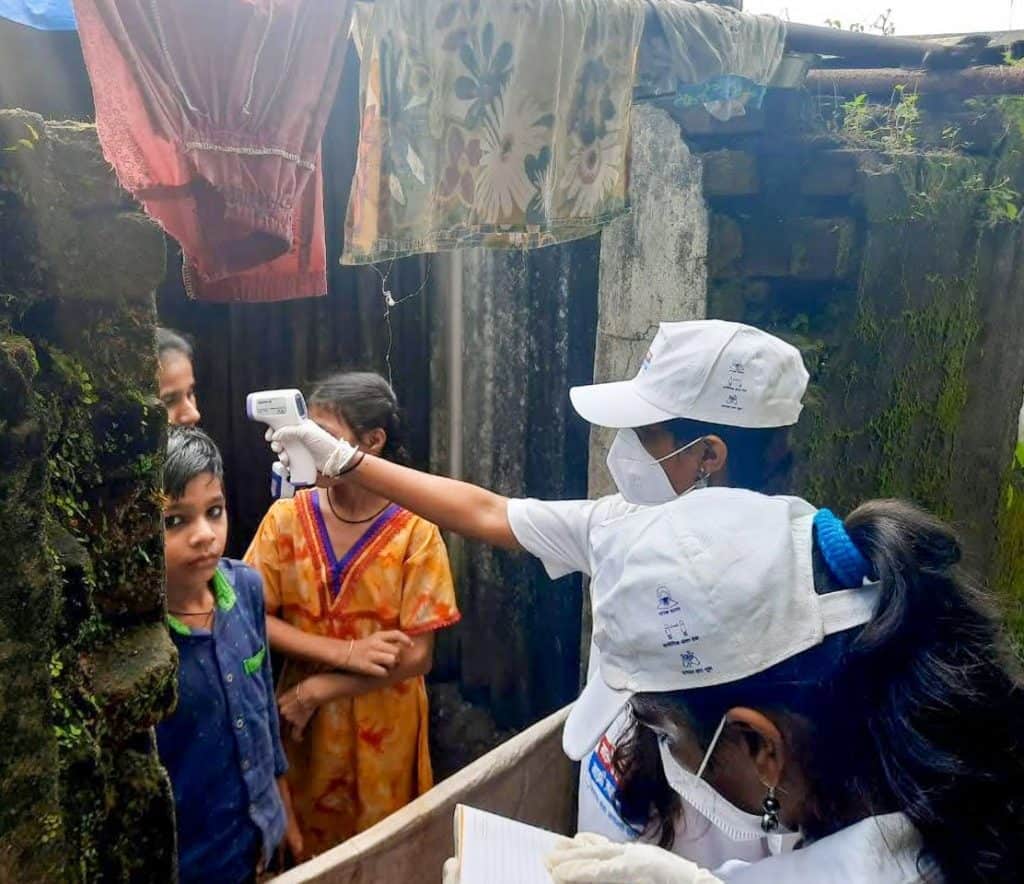
Covid temperature testing
Delivery workers were exposed to the virus without any assistance in place in case they catch the virus

The tweet chat shed light on some unethical practices of some food delivery companies through the lens of experts, researchers and on-ground workers.

If you haven’t already read last week’s story you can find it here.

https://citizenmatters.in/delivery-partners-the-biggest-apps-pay-the-least-26314

Also Read:

Leave a Reply

Your email address will not be published. Required fields are marked *

Similar Story

Adopting roof-top solar in India: A practical guide for homeowners

Many urban Indians want to adopt roof-top solar but are not sure how to do it. Here are some practical tips and details on cost, vendors and installation.

In 2023, John d’Souza, retired architect, fulfilled a long-standing dream by solarising his house in Goa. His nephew had been singing the praises of solar’s ecological and financial benefits.  “We were privileged,” says John. “We didn’t have to borrow; we funded our solar installation with our savings. The brand we chose was not eligible for subsidies but that didn’t bother us. The savings on power bills is nice. We’re on track to recover our investment in five years. But our main motive was environmental. Goa’s environment has already changed so much in my lifetime. We could afford to make this…

Similar Story

From resting place to industrial hub: The changing face of Bidadi

As the sleepy town near Bengaluru transitions from farmland to urban centre, farmers face lost livelihoods and an uncertain future.

In an earlier article, we explored how rural areas surrounding Bengaluru are affected due to the city's expansion. Here, we look at how Bidadi's transformation from a quiet agricultural area to an industrial hub affects the people who call it home. Nestled along the historic Bengaluru-Mysuru corridor in present-day Ramanagara district lies Bidadi, a town whose very name carries echoes of its past. Derived from the Kannada word “Bidara,” meaning a resting place, oral histories recount how the Maharaja of Mysuru once paused here during long journeys between the two cities. In those early years, Bidadi was defined not by…