The 2023 Karnataka Assembly Elections will take place on May 10th. Here is a quick guide to help make the voting process as smooth as possible.
Check voter rolls and find your polling booth information
You can only vote from your designated polling booth in the constituency your ward falls under, and your name must be in the voting list or electoral roll. You can find your name and information about your polling booth in a number of ways.
- You can use the Voter Helpline app created by the Election Commission. You can search for your name in the electoral roll by scanning a barcode on your Electors Photo Identification Card (EPIC), entering your EPIC number or your personal details including name, father’s name, state, etc.
- You can search the National Voters Service Portal and search by your details or EPIC number.
- You can also try to get voting information using the Chief Election Commissioner-Karnataka’s website or the Chunavana app launched specially for the Karnataka Elections 2023.
- You can also check the Chief Electoral Officer’s website here.
- If you applied for a voter ID recently, check the reference number provided to you on National Voters Service Portal or the Voter Helpline app. Your Epic number / Voter ID will appear below the green ‘accepted’ circle. You can use this EPIC number to look for your polling booth or part.
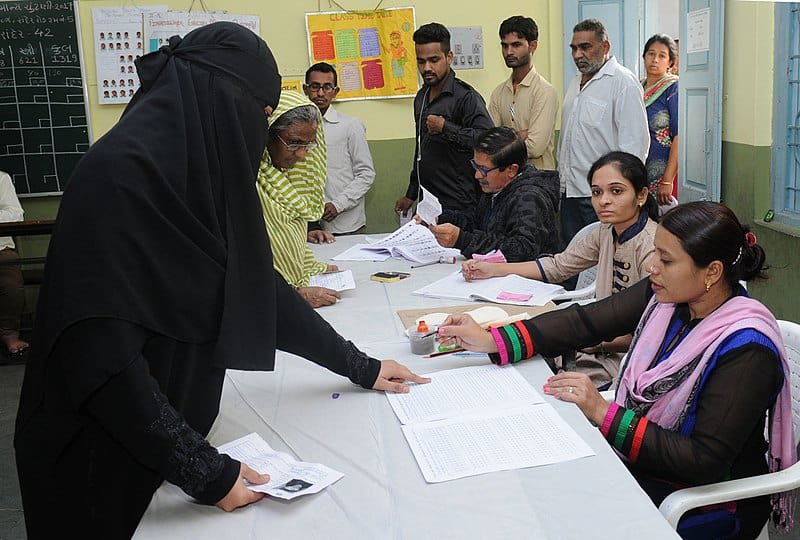
Do I need a Voter ID card to vote?
As long as your name is on the electoral roll, you can vote. You will have to carry a valid ID card when you go to the polling booth. The alternative photo ID cards accepted by the Election Commission are:
- Passport
- Driving License
- Service Identity Cards with photograph issued to employees by Central/State Govt PSUs/Public Limited Companies
- Passbooks with photograph issued by Bank/Post Office
- PAN Card
- Smart Card issued by RGI under NPR
- MNREGA Job Card
- Health Insurance Smart Card issued under the scheme of Ministry of Labour
- Pension document with photograph
- Authenticated Photo Voter Slip issued by the booth level officer
- Official identity cards issued to MPs/MLAs/MLCs
- Aadhaar Card
In the case of EPIC, clerical errors and spelling mistakes should be ignored, provided the identity of the elector can be established by the EPIC. If an elector produces an Electors Photo Identity Card, which has been issued by the Electoral Registration Officer of another Assembly Constituency, such EPICs shall also be accepted for identification provided the name of that elector finds place in the electoral roll pertaining to the polling station where the elector has turned up for voting. If it is not possible to establish the identity of the elector on account of mismatch of photograph, etc., the elector shall have to produce any one of the 12 alternative photo documents.
Read more: Advice for the next CM: For a better Bengaluru, ensure growth in rest of Karnataka
The Election Commission in its order has directed that overseas electors shall have to produce their original passport for identification, and no other identity document, in the polling station.
You can book a wheelchair or a pick-up service if you have special needs or are unable to reach your polling booth easily.
Finding your Assembly Constituency
Bengaluru has 28 assembly constituencies and 243 wards, as per the latest ward delimitation exercise. Learn how to find your assembly constituency here. You can read about your constituency and its major issues here.
Choosing a candidate
We often expect MLAs to fix civic issues, such as bad roads or water supply, which actually fall under the purview of the BBMP. MLAs are supposed to be deciding the policy directions for the state and the city. Learn more about what an MLA is supposed to do from our archives.
You can learn about the performance of the current government. Read about their claims of development versus reality; read our expert-led report cards into the issues.
Do take a look at our profiles of incumbent MLAs. You can find information about the work they have done this term, their questions in the assembly, and the wealth they have accumulated over the past five years. Also do read our interviews with candidates to help you with your choices.
Model code of conduct
The Model Code of Conduct is a set of instructions announced by the Election Commission of India to be followed by both political parties and candidates contesting elections. These include guidelines and instructions on general conduct, campaigning, meetings and processions etc. You can check out the detailed guidelines here or download it in a PDF format here.
What is the process inside the polling station?
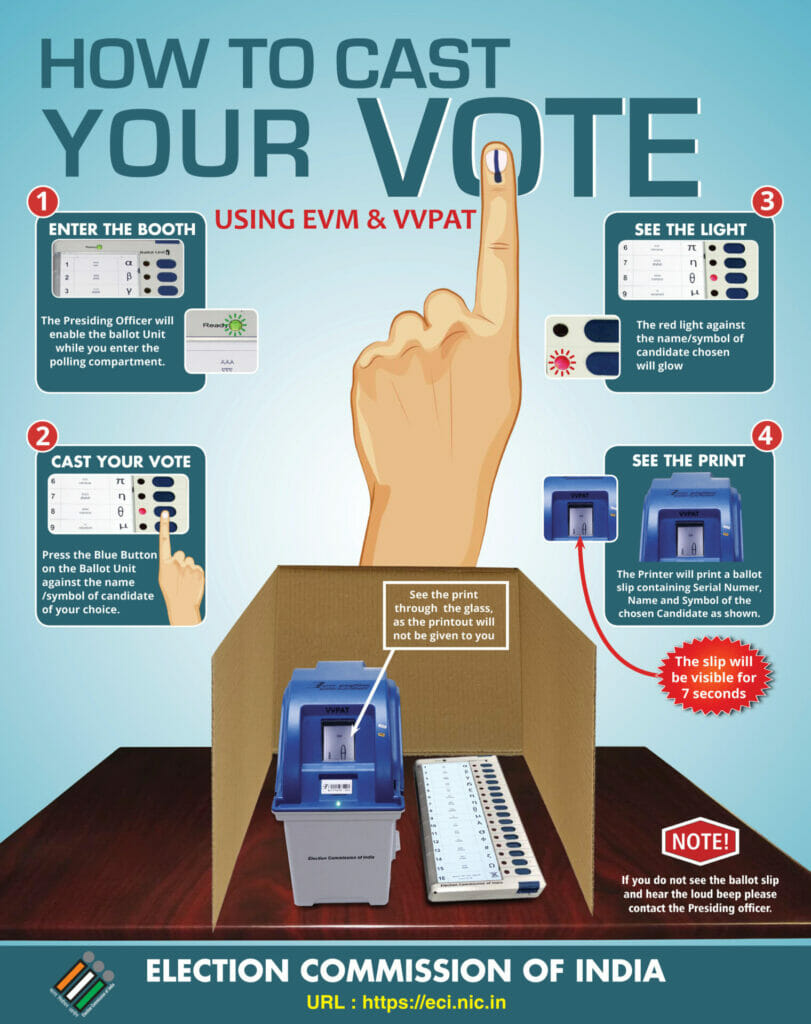
Using an EVM [Electronic Voting Machine]
Learn more about using an EVM here.