In 2017, Tamil Nadu witnessed an alarming oubreak of Dengue, with a total of 6,546 cases recorded in Chennai alone. The high numbers prompted the state health department and the Greater Chennai Corporation to take proactive measures in handling the menace.
According to data provided by the health department of the Greater Chennai Corporation (GCC), the city has been witnessing a declining trend in Dengue fever cases this year: a total of 196 cases were registered in August 2019, as against 213 cases in August 2018 and 1104 cases in the same month in 2017.
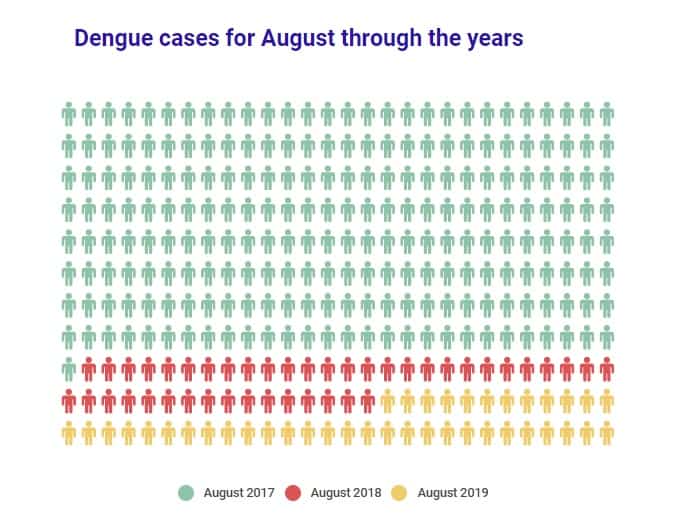
A graph comparing the August months. Data source: GCC.
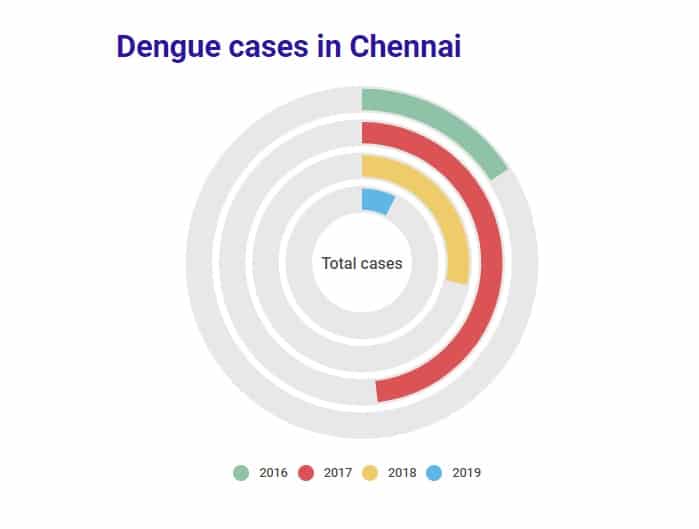
2016: 2168 cases | 2017: 6546 cases | 2018: 3843 cases | 2019: 1018 cases till September, Source: GCC
Validating the data, medical superintendent of Stanley Medical College and Hospital, Dr K Dhanasekaram also said that the hospital has seen a fewer number of emergency cases this year. “Two to three years ago, we had critical cases — patients were brought in, in gasping condition and with dismally low blood platelet count. We are now getting an average of five cases every day, the lowest in three years,” Dr Dhanasekaram said.
The road to improvement
Greater Chennai Corporation has taken systematic steps to keep Dengue fever at bay. “From creating awareness about Aedes Aegypti (the mosquito that spreads Dengue fever) to constant monitoring of the localities, the Corporation has taken all necessary measures to prevent the outbreak. Around 70 crores** is spent annually for Dengue prevention and control,” said Additional City Health Officer Jagadeesan.
Every ward is being inspected by a team comprised of Sanitary Officers, Domestic Breeding Checkers (DBC), field supervisors and contract labourers. DBC workers and ground level employees are in-charge of clearing the potential mosquito breeding spots.
However, coverage is not always complete. “I spread bleaching powder around the houses, mostly in the gardens, and pour Mosquito larvicidal oil in the open spaces. However, there are a few houses where the people don’t want us to, so I skip the exercise,” said Joshua C (name changed), a DBC worker.
The Corporation is also mapping dengue cases across the city to identify the hotspots. GCC’s field officers collect adult Aedes mosquitoes (they rest in dark and cool spaces) and send thee for viral analysis. If they test positive for the Dengue virus, preventive measures are boosted.
On the other hand, Corporation has also been resorting to traditional methods such as fogging to stop the mosquito population. A total of 236 hand operated fogging machines and 39 vehicle mounted fogging machines are used to kill the mosquitoes. However, environmentalists and health officials say that the procedure is futile, as the practice cannot kill the Dengue mosquito that breeds in closed spaces. Moreover, the chemicals used such as pyrethroid or malathion is known to be hazardous to public health.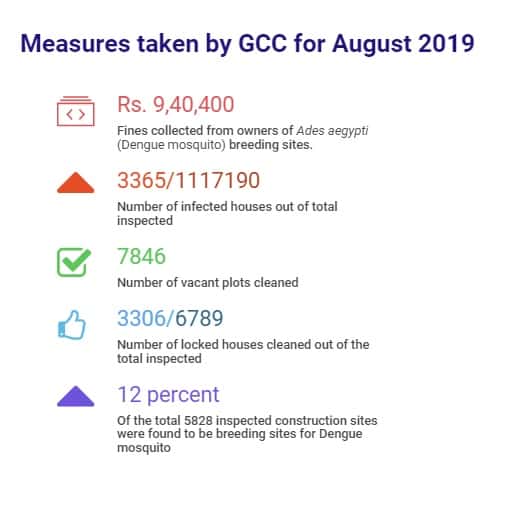
Source: GCC
Citizen awareness needed
Dengue prevention should be a collaborative effort, say health experts. A majority of citizens are at fault for the ill maintenance of their surroundings.
It is also ironical that citizens often do not let the DBC workers inside the houses, only because they are Dalits. “Even the most educated people have stopped us from doing our job. At the same time, they fail to keep it clean themselves,” said another worker, seeking anonymity.
A total of 3365 houses in the city were identified as active Dengue clusters last month. “Buckets, plastic cups and coconut shells are seen in the premises of the residences — both small and big. Rain water collected in these articles provide for a conducive environment for the Aedes Aegypti to thrive,” said Jagadeesan.
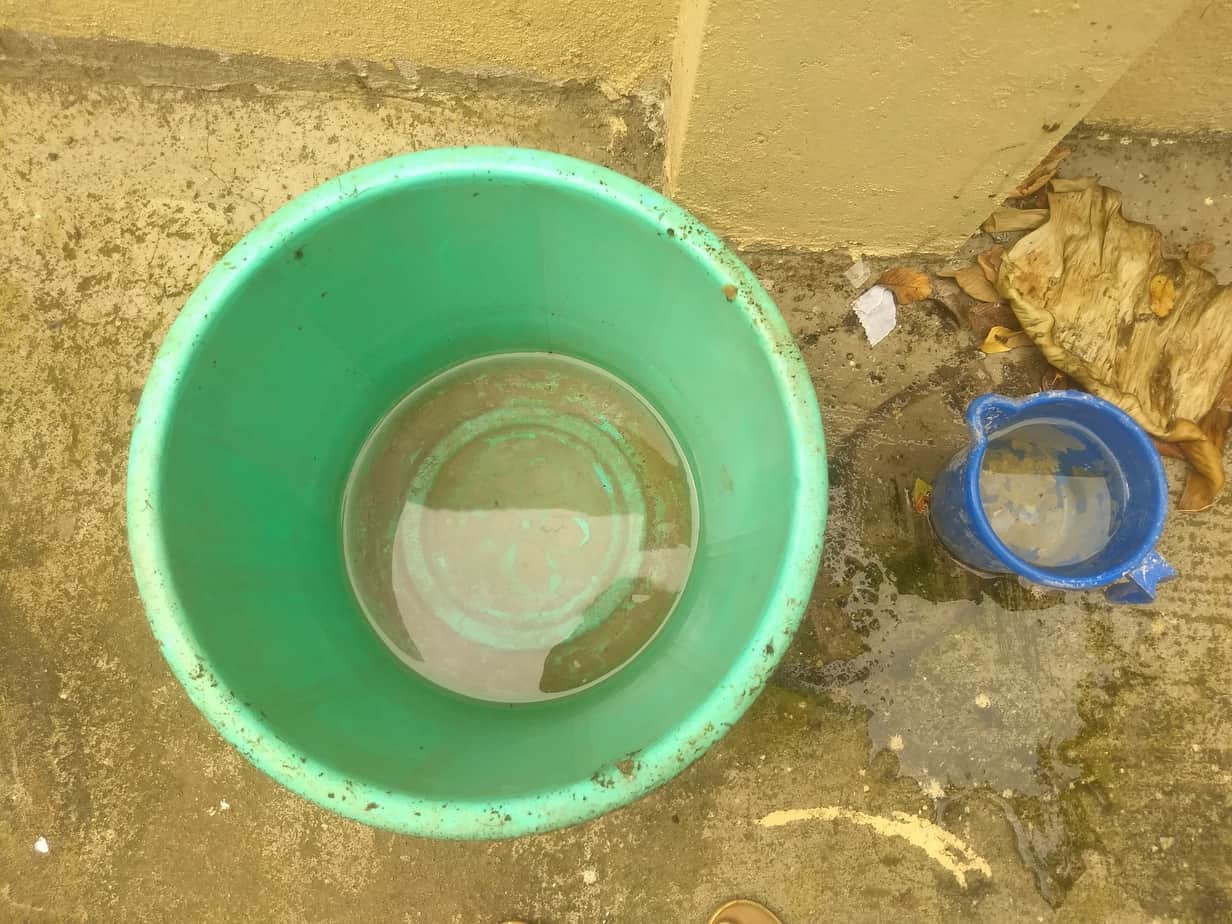
Open containers that collect rain water are the breeding spots of Ades mosquito. Pic: Laasya Shekhar
What should we do?
It is important to keep the following things in mind if we really want to beat the dreaded disease:
- The Aedes mosquito breeds only in fresh water and cannot fly beyond 200 metres. So, if every individual keeps the surroundings clean, the disease can be kept at bay.
- Turning over water storage containers and wiping the rims dry is a great measure. This is a must, especially when you are going out of the town.
- Ask a relative or close friend to check your home regularly for stagnant water if you are going away for a long period of time.
- Dengue symptoms include joint and muscle pain, sudden onset of fever and severe headache. Visit the nearest hospital at the earliest if you witness these symptoms.
- If DBC workers have not disinfected your locality, lodge a complaint by calling the Corporation helpline at 1913 or complain at the respective zonal office.
(Pics and Graph by Laasya Shekhar)
** Errata: The figure cited in the first published version has been edited.