Air quality deteriorates in Indian cities
For the fifth consecutive day on December 20th, Delhi’s air quality index (AQI) remained severe at 429. However, this was an improvement from the ‘severe plus’ AQI of 451 on December 19th, according to the India Meteorological Department (IMD). It had been 445 the previous day. The AQI crossed this level on November 19th, reaching 460, as reported by the Central Pollution Control Board (CPCB).
The IMD states that the severe AQI situation is primarily due to meteorological conditions, such as extremely calm winds that trap particulate matter and prevent pollutants from dispersing. On the 20th, the wind speed was recorded between 8 and 12 kilometres per hour, an improvement from below 8 kilometres per hour the previous day. CPCB data shows there have been three ‘severe plus’ days and eight ‘severe’ days between November 1st and December 19th in the capital.
As winter set in, the air quality in several Indian cities deteriorated. On December 19th, about a dozen cities had AQI levels exceeding 300 (very poor), with 55 cities recording AQIs between 201 and 300 (poor). Other metros also suffered from toxic air: Mumbai’s AQI was 198 (moderate), while Kolkata and Hyderabad recorded 153 (moderate). Only Chennai and Bengaluru recorded AQIs below 100 (satisfactory).
Source: Indian Express, Moneycontrol.com
Activists slam big-ticket projects in Bengaluru
Activists, citizens, and civil society groups in Bengaluru are planning protests, seminars, and discussions to oppose what they call an “ill-planned, ad-hoc” project initiated by Deputy Chief Minister and Bengaluru Development Minister, DK Shivakumar. They argue that these projects could reduce ridership on existing lines like the Metro Rail. Sandeep Aniruddhan, Convenor of the Citizens’ Agenda for Bengaluru called it a “great shame.”
The project includes an ambitious plan for a 250-metre skydeck, which is set to be South Asia’s tallest and an 18.5-kilometre underground tunnel road. Critics have slammed the venture for bypassing public consultations and prioritising distracting projects.
Source: The New Indian Express, News18.com
Read more: Delhi’s air pollution crisis: What the odd-even rule can, or cannot, address
NGT issues directive to Kerala on waste dumping
Following reports of illegal dumping of biomedical waste from Kerala in border areas of Tamil Nadu, the southern bench of the National Green Tribunal (NGT) has issued a strong directive. The NGT has ordered the Kerala government to remove all the hazardous materials and other solid waste within three days. The illegally dumped waste is mostly from hospitals and municipal organisations in the state and is being disposed in multiple spots across Tamil Nadu. So, they pose grave environmental hazards in these border regions.
The southern bench of the NGT has told Kerala to remove the waste or enter into an agreement with the neighbouring state’s common biomedical waste treatment facility in order to enable safe disposal.
Source: Indian Express
GCC growth boost in non-metro regions
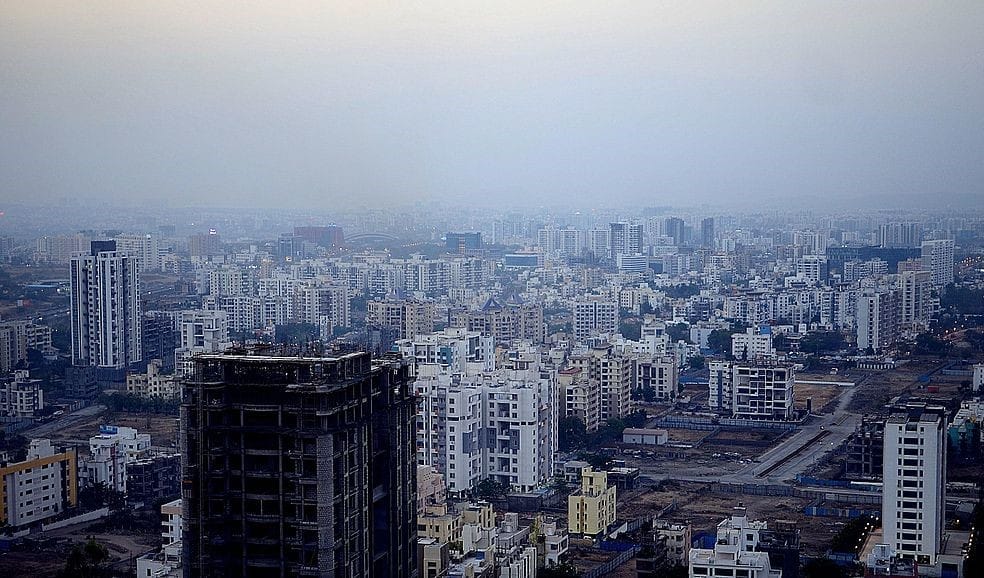
Tier-II and Tier-III cities are setting up global capability centres (GCCs), with added benefits for a favourable ambience in non-metro regions. The Ministry of Electronics and Information Technology is pushing for clearer regulations, additional tax breaks and incentives beyond State government provisions.
Large GCCs will be set up in cities with land for office zones, while smaller GCCs in towns with limited land will focus on specialised sectors, such as healthcare and finance. Pune’s Micro, Small and Medium Enterprises (MSME) sector has responded positively to good growth, with credit to the sector showing improved annual growth.
The weighted price of new launch projects in the top 30 Tier-II cities rose up to 65% in 2023-2024, with price rises in 25 cities, while five showed a decline, according to a report by data analytics firm PropEquity. Jaipur reported the highest growth in prices at 65% and Guntur at 51%. Sonepat at 26% recorded the steepest fall in prices.
Sources from PropEquity said that Tier-II cities have seen renewed interest from developers, corporates, financial institutions and the investor community.
Source: Business Standard, Indian Express, Deccan Herald
Hotel prices see an upward swing
Room rates in cities have shot up to an all-time high and are expected to peak due to the record rise in domestic tourism, weddings in the last two months, and weekend vacations. Hence, the hospitality industry is showing the highest rise in the average daily rate (ADR), similar to December last year.
Hotelivate, a hospitality consulting firm, explained that hotel room rates have shot up due to demand-supply dynamics.
Source: Business Standard
[Compiled by Revathi Siva Kumar]