On the night following the March 13th fire that gutted more than 1,000 houses in the Appapada informal settlement in Malad East, a mini tempo arrived with a few items of clothing for the families. Fights broke out whenever a person tried to take as many clothes as possible, only to have them snatched away by another person in need. Weeks later, the situation has not changed much. The residents are trying to rebuild their homes with the little aid that is coming to their rescue.
Sheela Ruke, a contractual sanitation worker with the Brihanmumbai Municipal Corporation (BMC), has been living in the Ambedkar Nagar settlement for the past 30 years. She earns Rs 5,000 per month by collecting and segregating waste in nearby Kandivali. She has three children, and together the family managed to save Rs 3 lakh.
“All that money is now ash,” she says as she shows the plastic bag in which she has now collected burnt and blackened Rs 200 notes.
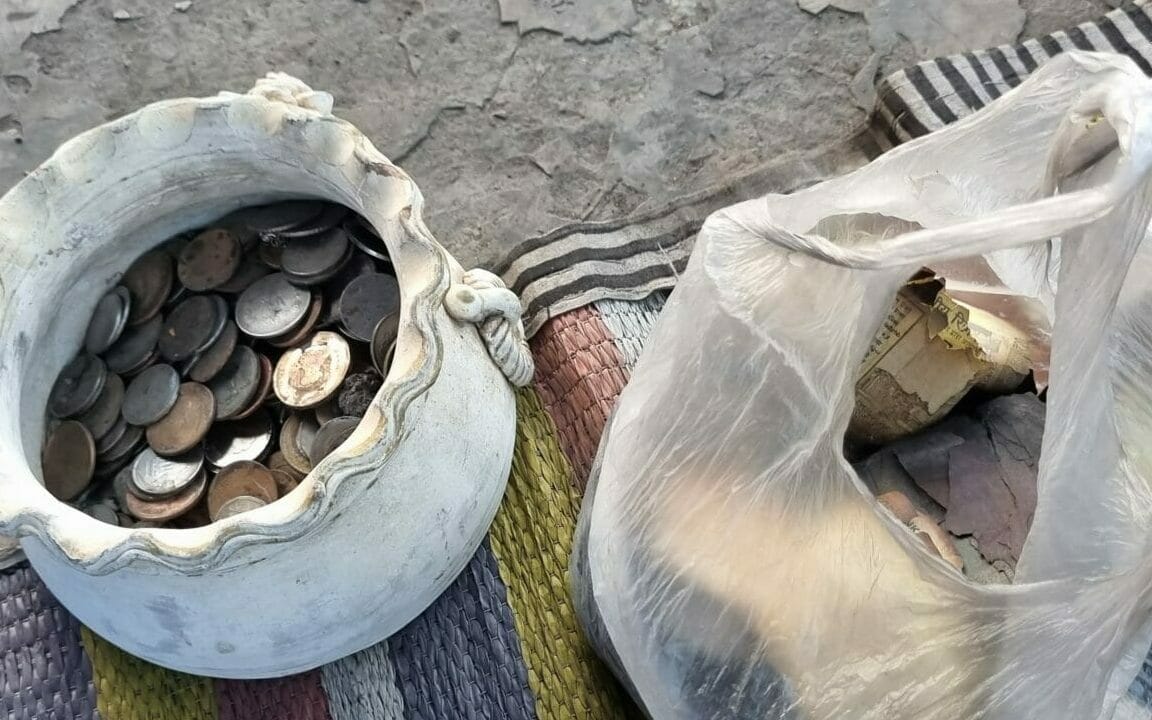
From the first day of the fire to now, very little has changed for those like Sheela. “I lost my husband a few months ago, I have lost everything we built together in this fire. We are left on our own, nobody is coming here for us.”
The civic body has been distributing food in the area, some residents say they received mattresses from the BMC. “But that is not enough,” Sheela’s daughter interjects.
Read more: Three years after the landslide in Malad, residents get rehabilitation
Mahesh Narvekar, chief of the Disaster Management Unit, says it is the civic body’s moral responsibility to respond to any disaster. “We have done our part, the fire was controlled and relief is work happening there.”
During the Assembly session on March 25th, Maharashtra’s Chief Minister Eknath Shinde declared that an ex-gratia payment of Rs 50,000 for the families who lost their homes in the fire.
But the residents express their disappointment with the chief minister. “He visited this area in navaratra and ganpati. Where is he now? He did not visit once after the fire,” says Prakash.
The settlement goes upward on a slope, which is where Prakash lives. A few days after the fire, Prakash gathered a few residents and started shouting at the on duty police. “Whatever help is coming stops at the bottom and doesn’t reach people living on the slope. Lights are put up in the bottom and we are still sleeping in the dark, what about our safety?” The next day, lights were put up near houses on the slope.
Why did no one leave?
Ranjana Karkera lives up ahead on the slope from Prakash’s house. When the fire broke out, she and her husband were at work near Malad station. Ranjana is a domestic worker and he works as a fabricator. “My youngest daughter called me and said there’s a fire. We left everything and ran for home, it was just her and her brother at home.” Their children escaped with no injuries.
Mumbai experienced unseasonal rains for a few days in March. In Appapada, this meant that all the rainwater fell on the few items of clothing the residents received. Ranjana and Ravi, along with their children, took shelter under one sheet of tarpaulin which was supplied by an NGO.
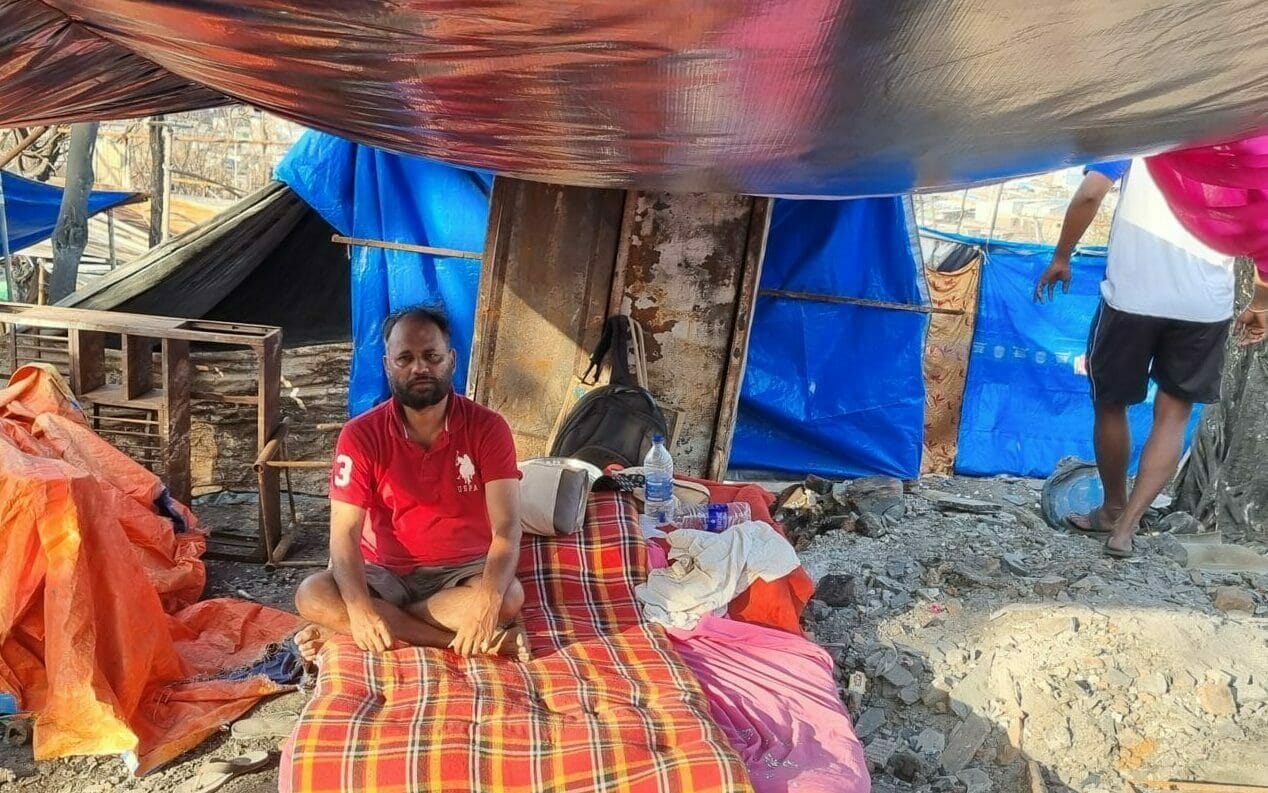
“The panchanama was not done in time and in accordance with the rules, as a result of which people couldn’t leave their makeshift houses unattended,” says Deepak Sonawne, from NGO Bhakar Foundation who has been in the area since the first day of the disaster. As a result, the residents have no choice but to take shelter in their own houses, along with the last broken burnt belongings.
Officials from Kurar police station were present in the area for about a week after the fire. Senior Police Inspector of the station Satish Gadhave says the panchanama was carried out in a day. “It then took some time to have the details of it typed and cleared.”
The police were present at the spot for about a week to look after the law and order situation.
Read more: Explainer: Dharavi redevelopment — What lies ahead
On whose land are the houses?
While announcing the compensation for the residents of CM Shinde said, “I have also ordered the district collector to take note of details like how long the residents have been living in the area and proof of residence as well as reassess the ownership of that land.”
For Sheela and her neighbours, one thing is certain the land falls under the forest department, more specifically the Sanjay Gandhi National Park— they paid Rs 7,000 in the 90s to the forest officials in exchange for a house. “It was a lot of money then, it is still a lot for us. We have been here for the last 30 to 35 years listening to the same promises of a new home every year.”
The National Park, spread over 103 sq km, falls in between the western suburbs of Malad, Kandivali and Borivali and Thane-Mulund in the East. It houses a number of tribal families within, who have been its moolnivasi even before it was officially recognised as a forest. However, with no protective wall or a buffer zone around it, the national park witnessed a rise in informal settlements on its borders in the 90s.
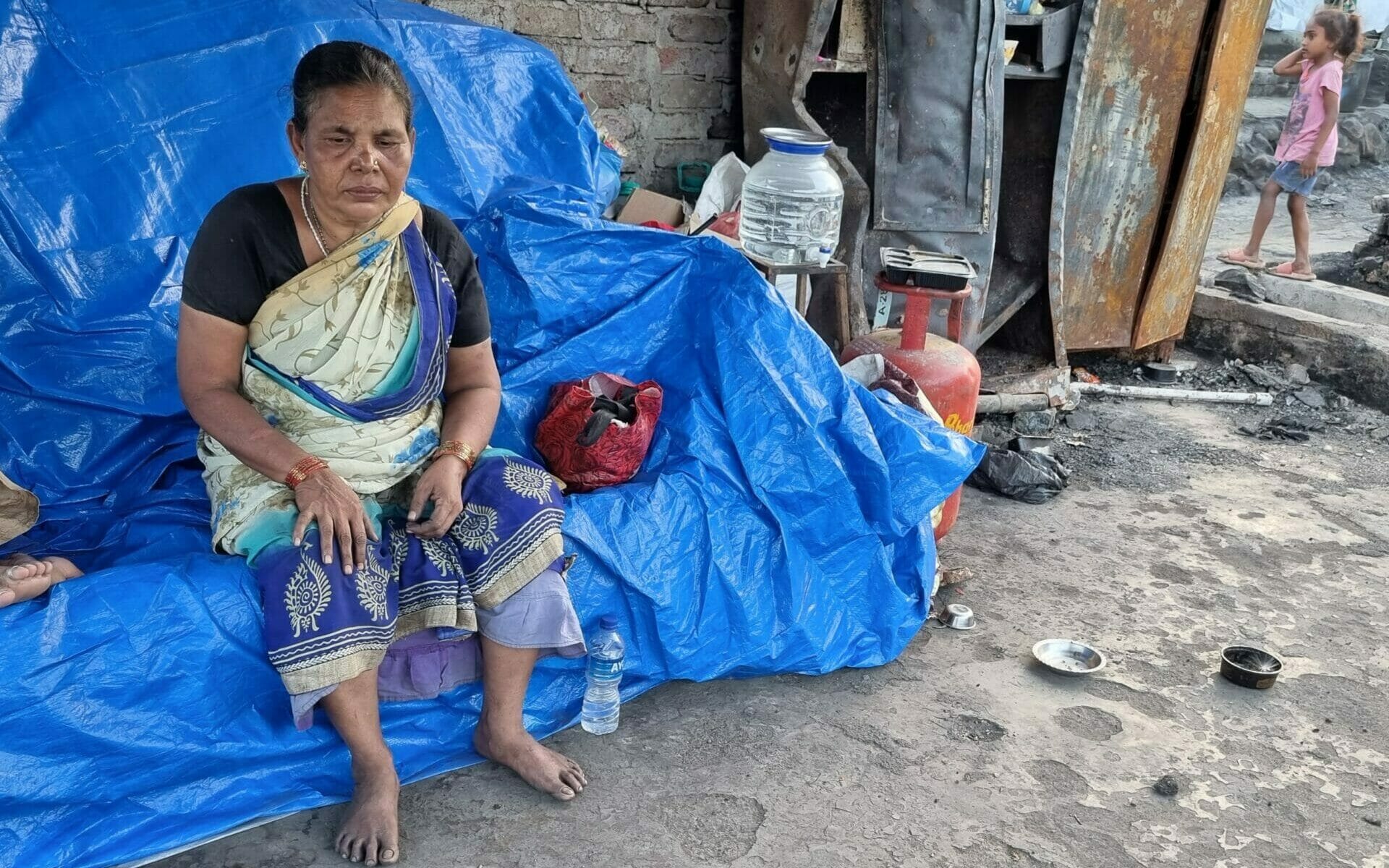
“There are people who were rehabilitated in Chandivali,” Sheela says. Notably, before the slums arrived, the boundaries of the park had already been encroached upon by commercial establishments.
As Sheela continues to narrate her ordeal, her neighbour Radha Divre enters the conversation. “She has seen my childhood,” says Radha, who was 12 years old when her family settled in the area. She is approximately 50 years old now.
Her uncle had told her family that there is vacant land in Appapada. “None of us knew this was forest land back then but I remember instances of wild animals entering the settlement,” Radha says.
Sheela recalls how real estate agents allotted small pieces of land to them for petty prices. “They provided us with a paavti, the prices were so low that it was almost like it was for free. Anybody could live here and a lot of people were in need.”
NGO Nivara Hakk provided help to the slum dwellers when attempts to clear up the encroachments were made in the late 90s. They fought several court battles seeking rehabilitation of slum dwellers instead of coercive actions.
“The land mafia in cahoots with corrupt forest officials ‘sold’ land to unsuspecting migrants. By 1995, there were close to 50,000 huts dotting the slopes and valleys of this (SGNP) forest tract,” reads one of its reports.
Despite multiple attempts to reach out to forest officials, they remained unavailable for comment. “These settlements fall under what is called a buffer area of forest land and the rehabilitation of the residents there has been neglected by the state government for years together,” says PK Das, an architect and member of Nivara Hakk.
Hope against hope
The residents contribute to the economy of the city and we have left them exposed to disaster after disaster, Das adds. There have been attempts over the years to rehabilitate people living on fringes of the national park, about 11,000 families were allotted SRA houses in Chandivali in 2007 but the construction was sub-par, and buildings were leaky, which prompted many residents to move back to slums.
Local MLA Sunil Prabhu helped set up medical camp in the area during the crucial hours in the aftermath of the fire. “I had to coordinate with NGOs. BMC kept insisting that the land is not under them. The government should find a permanent solution now.”
Rs 50,000 from the government will not help them rebuild their lives but at least something is better than nothing, he says. Sheela certainly doesn’t think it is enough, neither has anything changed on the ground ever since the announcement.
“It is the failure of the government that people still have to live in such risky conditions. And by that I mean any and every government,” Sunil says.
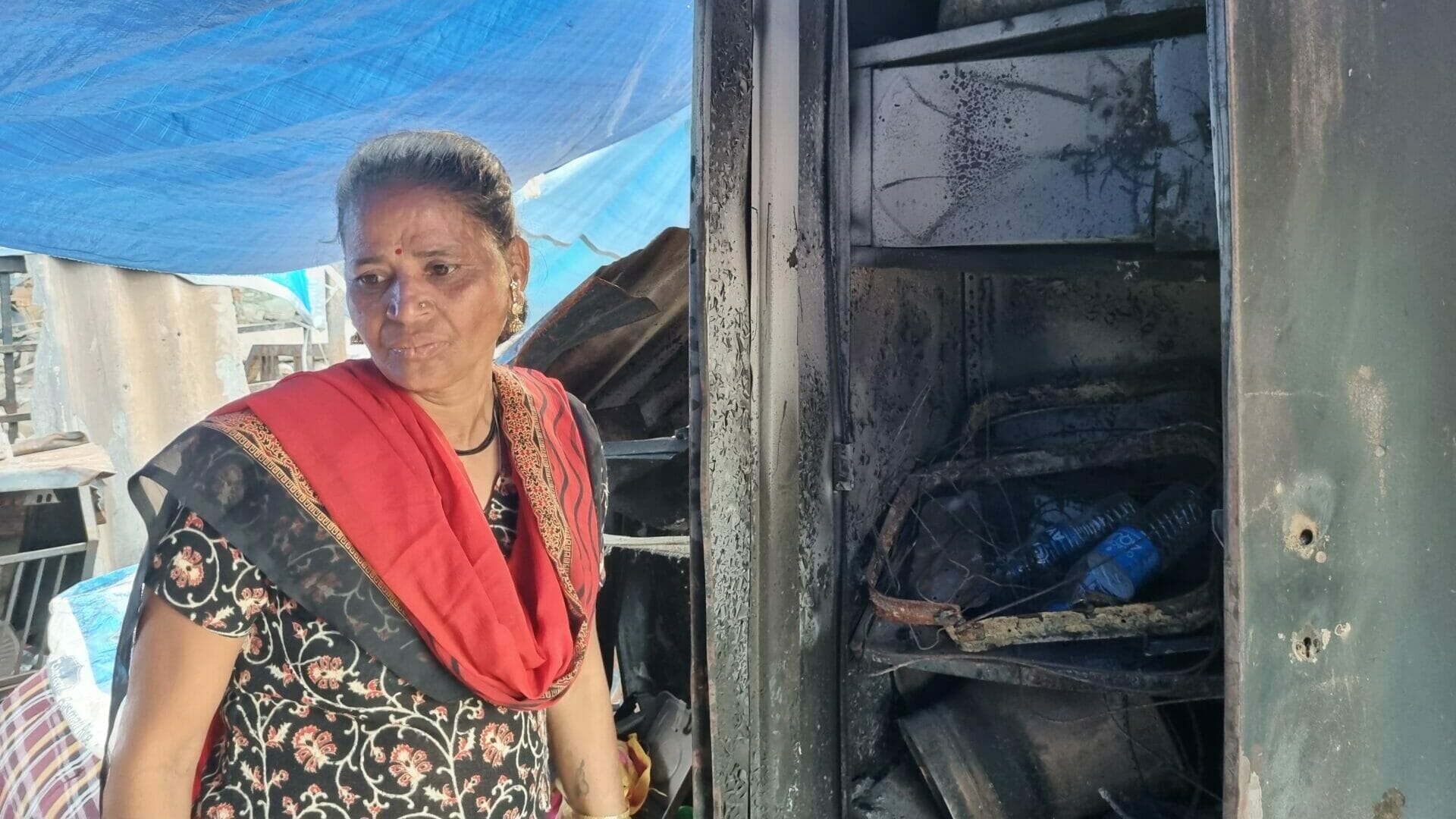
Meanwhile, residents are unwilling to leave their homes out of their sight. “My mother purchased this house and paid for the rehabilitation. She passed away not too long ago. If we move out of this area and leave our broken house unattended, someone will take over and I’ll lose it,” Radha says.