A collective of active citizens, non-governmental organisations, sustainable transport experts, and other stakeholders has called for strengthening the public transport network in Tamil Nadu’s cities, making it accessible to all and creating low-emission zones across urban centres.
The Sustainable Mobility Network (SMN), a coalition of over 30 civil society organisations across India, has released the ‘Tamil Nadu Urban Mobility Charter 2031’, a comprehensive roadmap urging political parties and governments to put sustainable mobility at the heart of the state’s development agenda.
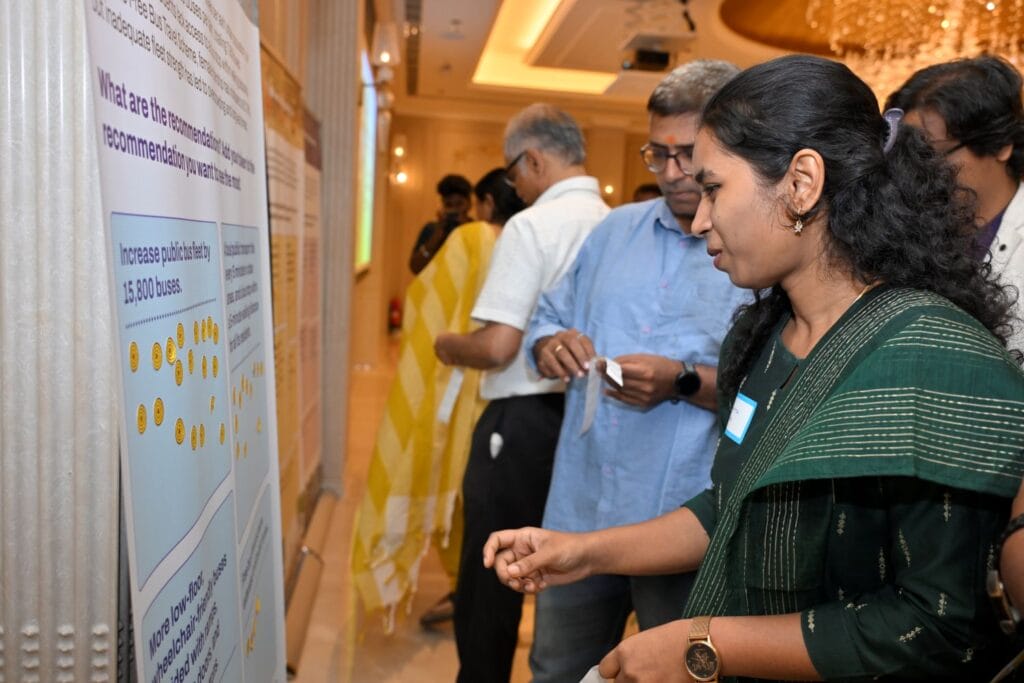
The Charter was shaped through a multi-stakeholder roundtable convened by ITDP India, Citizen consumer and civic Action Group (CAG), Asar, and Poovulagin Nanbargal. The meeting brought together resident welfare associations, mobility experts, former bureaucrats, commuters, and disability rights advocates, who issued a unified call: mobility is not just about infrastructure—it is a public mandate tied to equity, climate action, economic productivity, and social justice.
Why mobility matters
Tamil Nadu, India’s second-most urbanised state, now has nearly half its population living in towns and cities. But its urban centres face mounting challenges—traffic congestion, unsafe streets, rising private vehicle ownership, and declining public transport usage.
Recent initiatives such as free bus travel for women under the Vidiyal Payanam scheme, the state’s Electric Vehicle Policy, and pedestrian-friendly projects in Chennai, Madurai, and Coimbatore have signalled progress. Yet gaps remain stark: Tamil Nadu’s cities operate with just 18 buses per lakh population, far below the national benchmark of 60. In Chennai, 40% of residents lack access to a bus stop within walking distance, while pedestrians account for 30–50% of road fatalities. Despite walking, cycling, and public transport making up 67% of trips statewide, these modes receive the least investment.
Read more: Beyond flyovers: Rethinking Chennai’s road to sustainable mobility
The four pillars of the Charter
The Charter outlines four key pillars designed to shift focus from vehicles to people:
1. Expanding public transport — Vidiyal Payanam 3.0
- 60 buses per lakh population in every city
- Bus stops within a five-minute walk for all residents
- Extension of free travel benefits across all buses
- More low-floor, wheelchair-accessible buses
- Seamless integration between buses, metro, suburban rail, and shared mobility.
2. Clean urban mobility
- 100% of new buses and commercial vehicles in Chennai to be electric, and 50% in the next five largest cities
- One EV charging point for every 20 EVs
- Low Emission Zones, green taxes, and incentives for scrapping polluting vehicles.
3. Safe streets for pedestrians — Nadaipaathai Namakke
- Safe Routes to School programmes covering at least half of government schools
- Speed-calmed zones around schools, hospitals, and markets
- Continuous, well-lit, accessible footpaths and crossings
- Parking management plans to reclaim walking space.
4. Integrated, people-centric governance
- Unified Transport Authorities and dedicated Urban Transport Funds
- At least 60% of transport budgets for public transport, walking, cycling, and clean mobility
- Mandatory alignment with mobility, road safety, and climate action plans
- Public consultations and community audits through city forums.
Stakeholders have specifically emphasised the need for larger bus fleets, better connectivity and the protection of vulnerable road users like children and persons with disabilities.
[This article is based on a press release from the Sustainable Mobility Network and has been published with a few edits.]
TN Government has formed an agency by name CUMTA to find easy solutions to urban transport issues. Is SMN working in tandem with CUMTA? If SNM is working independently, then it will be difficult for them to come out with viable solutions.