Lasting heat: How is the Urban Heat Island effect impacting Mumbaikars?

Mumbai's microclimate zones create urban heat islands, making some areas hotter. This video explores how extreme heat affects locals’ daily lives.

“The weather used to be good, but the climate has changed over time,” says Munir, who works at a salon in Colaba. A March 2025 report brought out by Respirer Living Sciences confirms Munir’s experience and observations. Colaba has become an urban heat island (UHI).

Mumbai faced a particularly harsh summer this year. While the monsoon arrived early and brought respite from the intense heat, the UHI effect in certain pockets remains an ongoing challenge. It has led to the creation of microclimate zones in the island city. As a result, some parts of Mumbai see a considerably higher temperature than the surrounding areas.

The Mumbai Climate Action Plan has also analysed data to identify urban heat islands. While the UHI effect in itself is significant, when taken in conjunction with inadequate heat-related policies, the problem is magnified.


Read more: Keeping it cool: How Mumbai’s building rules must address heat stress


Factors such as age, gender, occupation, and socio-economic conditions heavily influence vulnerability to heat. Moreover, heat can exacerbate the hazards posed by underlying health issues such as cardiovascular disease, diabetes and mental health disorders. The World Health Organization, recognising the impact of heat on health, has brought out a framework to build climate-resilient health systems. Besides health, extreme heat also impacts livelihoods, especially for people working outdoors or with no access to air-conditioning.

To address these urgent issues, we need robust policies to be effectively implemented. “There is no policy that connects the dots between health impacts and heat stress,” says Sarita Fernandes, convener of the Heatwave Action Coalition (India). 
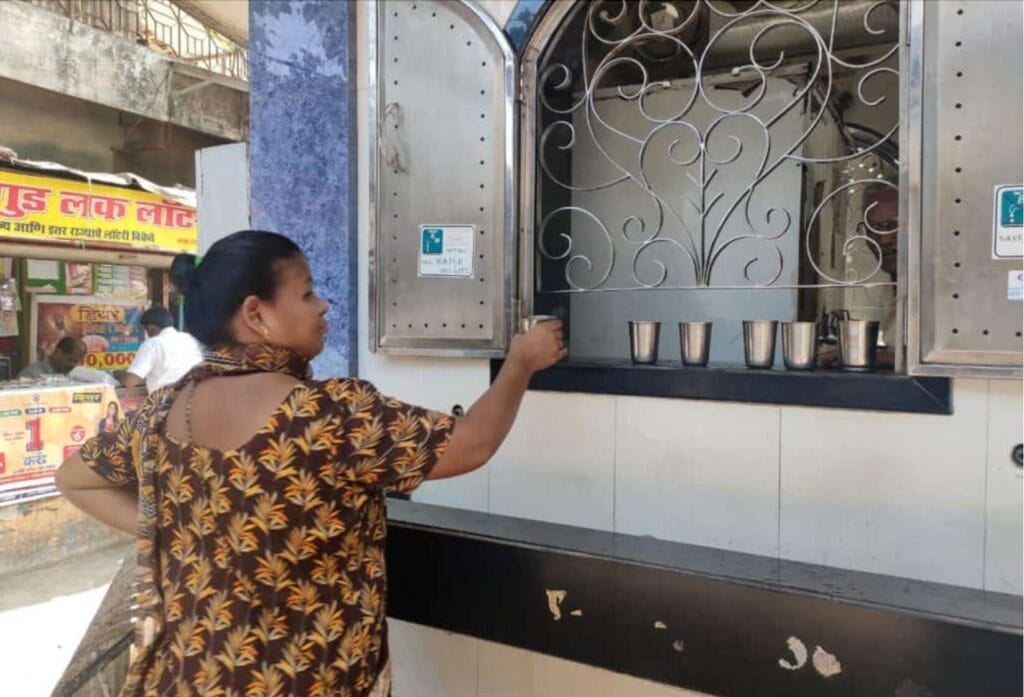
A public drinking fountain
Climate resilience programmes must take into account vulnerable groups like women, the elderly, children and outdoor workers. Pic: Radha Puranik

Citizen Matters explored the fallout of the UHI effect in a video story, with a focus on Colaba. This video looks at the experiences of people living and working in Colaba as well as the gaps in policies which address urban heat.


Also read:


Leave a Reply

Your email address will not be published. Required fields are marked *

Similar Story

Leave Bengaluru’s parks alone: Citizen groups oppose government decision to amend Parks Act

Flagging the city's shrinking green spaces, civil society groups protested the amendment that would allow using 5% of park land for infrastructure.

Over 200 citizens, resident groups, environmental organisations and civil society groups have urged the Karnataka government to roll back its decision to amend the Karnataka Government Parks (Preservation) Act, 1975, which would allow portions of parks and gardens to be used for concrete-heavy infrastructure projects. Gathering at Lalbagh Botanical Garden in Bengaluru, the groups showcased a banner saying: NOT 5%. NOT 1 INCH. LEAVE OUR PARKS ALONE. "Bengaluru is becoming hotter and more climate vulnerable, yet the Karnataka government is making it easier to take away one of the city’s most important forms of natural infrastructure. Parks help cool neighbourhoods,…

Similar Story

Facing intense heat, children in Chennai’s Ramapuram are becoming the city’s climate stewards

Armed with instruments, Chennai students map local heat hotspots and hope to influence the city's climate action through their work.

On hot summer afternoons in the western part of Chennai, while many adults retreat indoors, a group of children are out on the streets with thermo-hygrometers, fluke instruments, notebooks and pens. They record heat and humidity at different times of the day, surveying residents about their experiences and identifying how heat is distributed across their locality. Trained through a joint initiative by the Chennai Climate Action Group (CCAG)'s Youth Climate Resilience Movement and the Pudiyador Learning Centre, children in Ramapuram are monitoring hyperlocal temperatures, mapping urban heat hotspots, and documenting how extreme weather impacts their community.  The exercise began after…