Waste-to-energy (WTE) plants are notorious for releasing harmful pollutants, and environmental activists have long criticised them as an unsuitable solution for legacy waste. Yet governments often view them as a quick fix for waste management and energy generation, despite their risks. It is no different with the WTE plant coming up at Deonar, the country’s largest dumping ground in the eastern suburbs of Mumbai.
The clamour against the project is growing louder as residents fear the toxic emissions from the WTE plant and the impact on their health. Here are five things you need to know about the project and why residents are opposing it.
About the WTE plant in Deonar
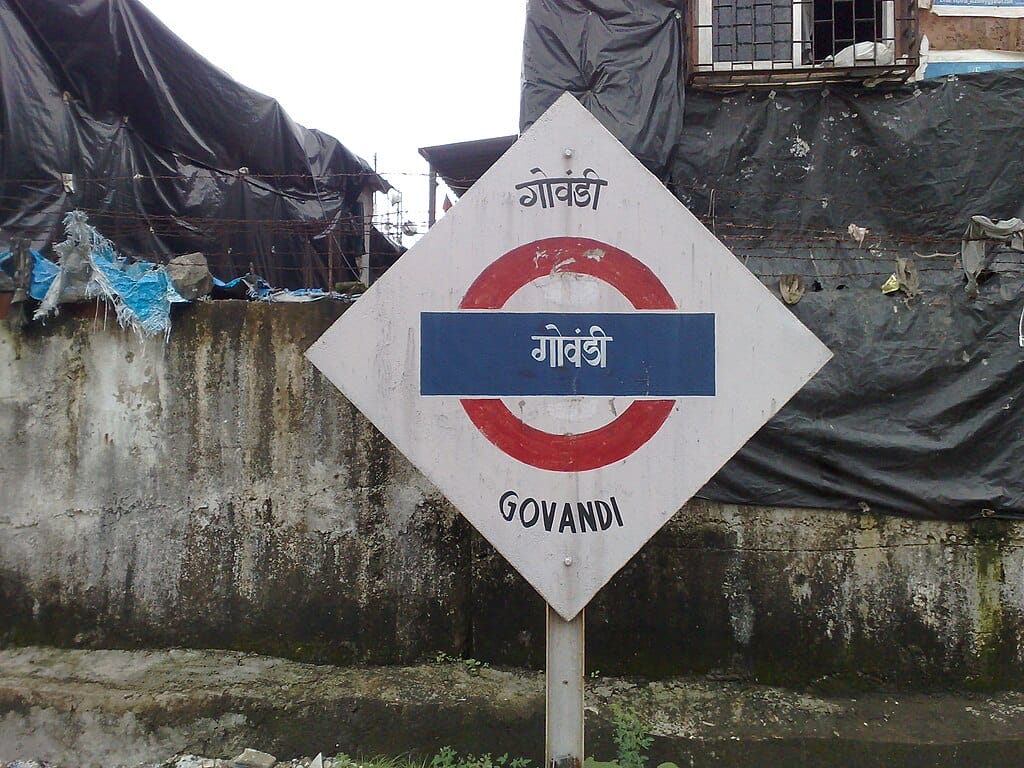
- The 1,800-tonnes-per-day (TPD) plant is coming up at Deonar, a site in Govandi. It is spread over 8.2 hectares of land and will share its boundary with Mankhurd Shivaji Nagar, a densely populated area with lower-income groups.
- It is being built by Chennai MSW Pvt. Ltd. at a cost of ₹2,648 crore and is expected to be ready by October 2025.
- The plant will process 600 metric tonnes of waste daily, generating around 17 million units of electricity each year.
Local protests against the project
- Residents, activists, and lawyers are protesting against this Brihanmumbai Municipal Corporation (BMC) project, citing environmental and health concerns.
- The area houses around 200 informal settlements with over a million people living there. The residents are already affected by the pollution from the dumping ground.
- Many have approached the National Green Tribunal (NGT), requesting that the project be stalled.
Environmental and transparency concerns
- Activists argue that the project is being pushed without proper environmental studies or public consultation.
- The land was originally meant for public welfare, but it is being turned into an industrial site.
- The area has methane deposits and a history of fires, raising concerns about safety hazards.
- A request has been filed under the Right to Information (RTI) Act for details about approvals and environmental assessments.
Legal objections to waste incineration
- Advocate Abid Abbas Sayyed has challenged the Deonar project before various authorities, including the BMC Commissioner and pollution control boards.
- He warns that burning mixed waste can release harmful toxins like dioxins, carbon monoxide, and sulphur oxides.
- The law requires waste to be properly sorted before processing, but the plant may fail to do this.
- In its defence, the MPCB claims it has conducted year-long studies before approval and will mitigate pollution with measures such as a 50-metre-high chimney and a scrubbing system to remove toxins.
Read More: Is the waste-to-energy plant in Deonar a good idea?
Unsuitability of mixed waste for energy production
- The Deonar landfill has been collecting mixed waste for 50 years, including plastic, biomedical waste, and construction debris.
- A Centre for Science and Environment’s 2018 report says that Indian municipal waste has high moisture and low calorific value. A WTE plant relying on incineration of mixed municipal waste is scientifically unsound and violates the principles under Article 21 and court judgements.
- Air pollution from burning waste in Deonar could worsen health issues like asthma, tuberculosis and chronic obstructive pulmonary disease (COPD) in the already vulnerable population.
(Compiled by Revathi Siva Kumar)