Find Nature in a public park…

One doesn't really need to visit a wildlife sanctuary to soak in the sights of Nature's beauty. A trip to a neighbourhood park serves just as well.

One doesn’t have to visit distant forests or wildlife sanctuaries in order to find the beauties of Nature… a visit to the local park will do just as well. Here’s what I did on a recent morning visit to Lalbagh.

First of all, I soaked in the morning sun, and the freshness of the air.
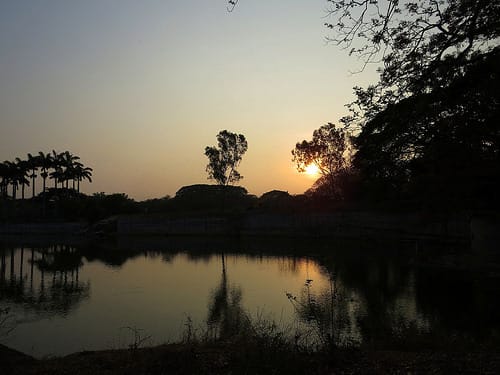
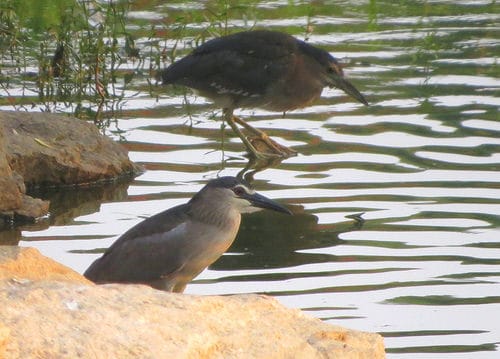
I then walked along the lake, and I found these Black-crowned Night Herons, looking, hopefully, for a fish breakfast.
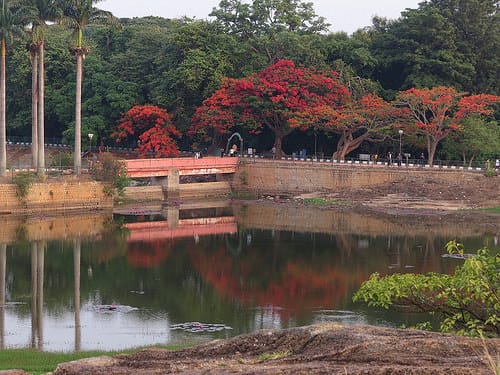
There were so many flowers still blooming, even though Bengaluru has been at its hottest. Here are the Gulmohar blooms, setting the park afire.
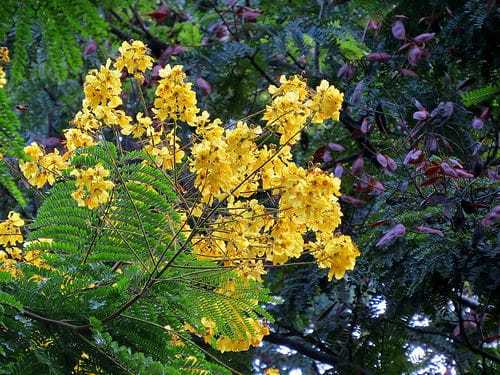
Here are Copper Shield Bearers with their lovely yellow blooms.
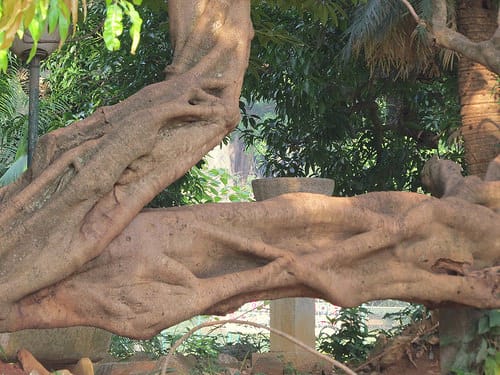
This is the huge Bauhinia vine near the Glass House.
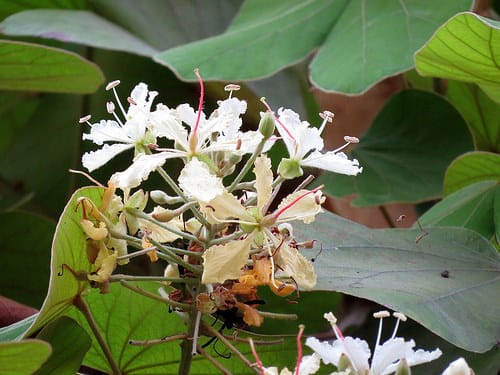
Bauhinia vine at the Glass House. Pic: Deepa Mohan

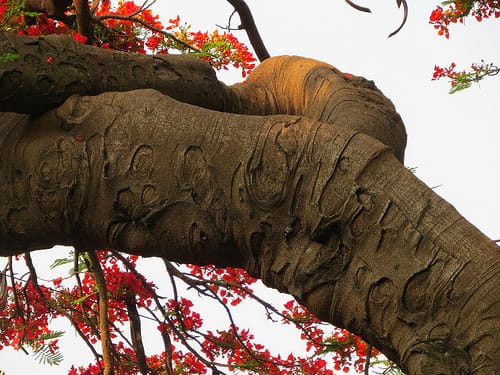
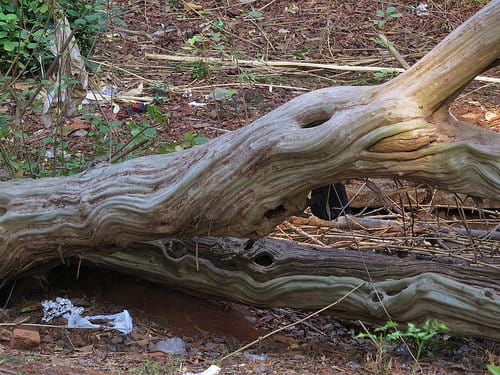
Tree trunks themselves are works of art!
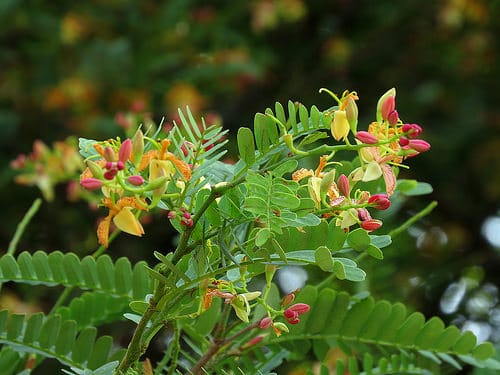
Even common trees like the Tamarind had beautiful flowers!
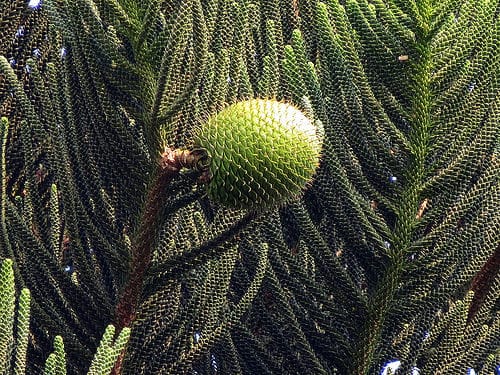
Unusually, I found a cone on the huge Araucaria tree, which is about 100 years old!
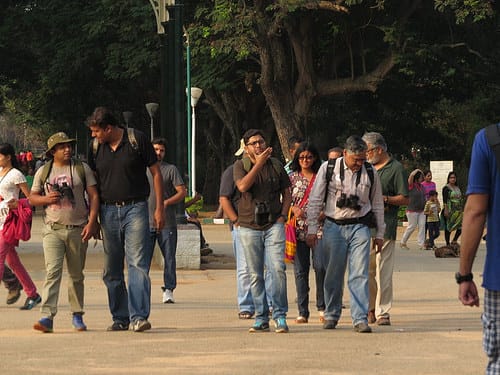
The birdwatchers were out with the joggers, the walkers and the yoga enthusiasts.
And the birds, of course, were everywhere!

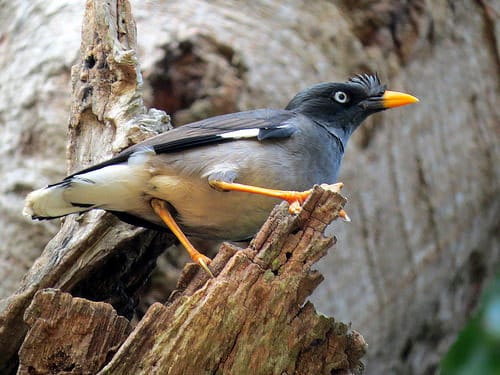
Jungle Myna
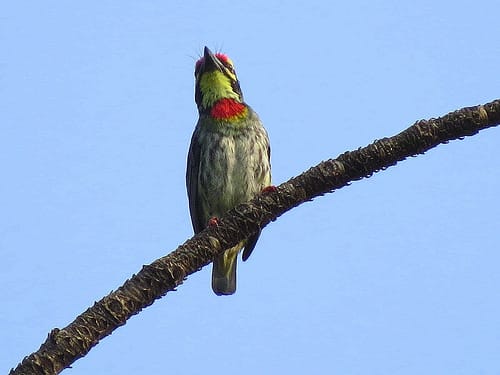
Coppersmith Barbet
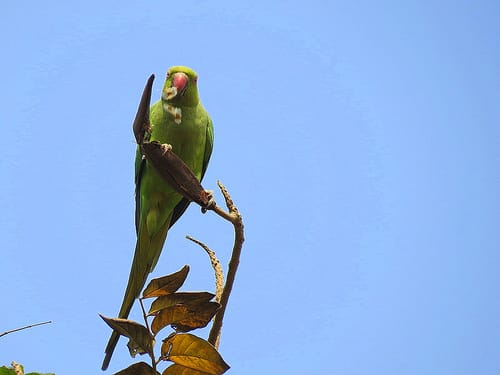
A Rose-ringed Parakeet dispersing Spathodea (African Tulip) seeds while feeding on them
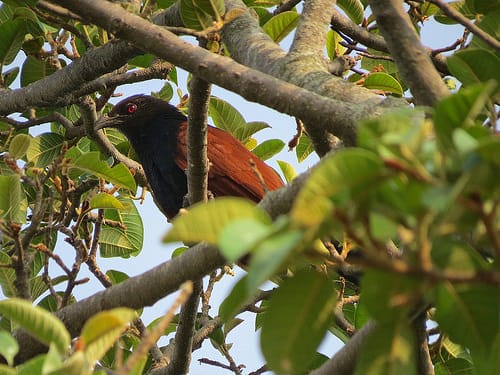
Southern Coucal
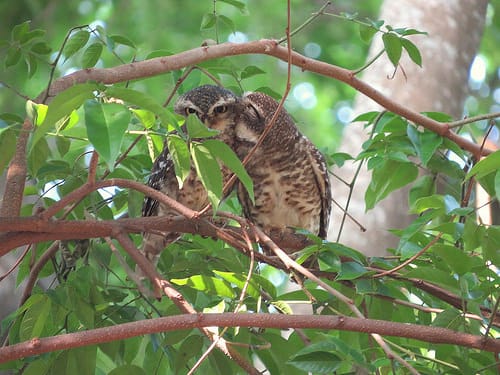
Spotted Owlets preening each other
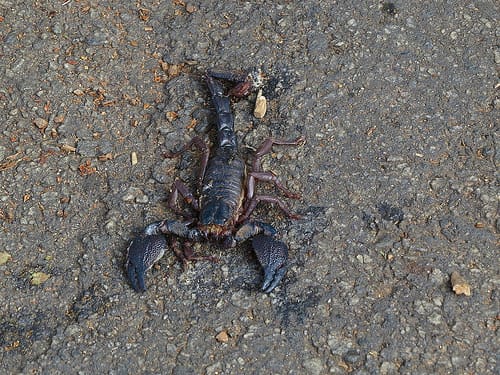
Some bird of prey had dropped this large scorpion on the path!
I enjoyed the morning sunshine through the green leaves.

So, if you’re feeling tired, or in need of some soul-pick-up, just walk around in the nearest park, looking and listening, and you’ll come away with your mind and heart refreshed!

Leave a Reply

Your email address will not be published. Required fields are marked *

Similar Story

Notes from the field: Why Begur Lake is losing its waterbirds

71% of waterbirds at Begur Lake are declining. A visit to one of Bengaluru’s rapidly deteriorating lakes shows what's causing the collapse.

During the Open City biodiversity datajam held in December 2025, our group examined the ecological trends around Bengaluru’s lakes. Our analysis suggests a majority of waterbirds are declining across the city's lakes. Earlier, we addressed crucial questions on how migrant and resident waterbirds are surviving across 14 of Bengaluru’s lakes, how the shape of the lakes influence microhabitats, and how a scoring system can be used to record the decline in lake quality and bird populations. The last of our four-part series turns its attention to an individual site. As part of this study of waterbirds in 14 city lakes,…

Similar Story

Bengaluru lakes are changing, and birds are paying the price

From disappearing reedbeds to altered shores, here is why some of the city's lakes are thriving while others face ecological collapse.

While bird detection trends over the years clearly point to the decline of Bengaluru’s shoreline and vegetated-edge habitats, numbers alone tell only part of the story. In Part 3 of this four-part series on the state of the city's waterbirds, we have used a scoring system to understand how stressed the lakes and the microhabitats within the lake are, based on the bird diversity they support. We explore how lake shape, permanent inundation and shifts in citizen-led management might explain why some lakes may thrive as wetlands while others collapse.  For instance, at Kasavanahalli, the Pied Kingfisher and the Coot…