Find Nature in a public park…

One doesn't really need to visit a wildlife sanctuary to soak in the sights of Nature's beauty. A trip to a neighbourhood park serves just as well.

One doesn’t have to visit distant forests or wildlife sanctuaries in order to find the beauties of Nature… a visit to the local park will do just as well. Here’s what I did on a recent morning visit to Lalbagh.

First of all, I soaked in the morning sun, and the freshness of the air.
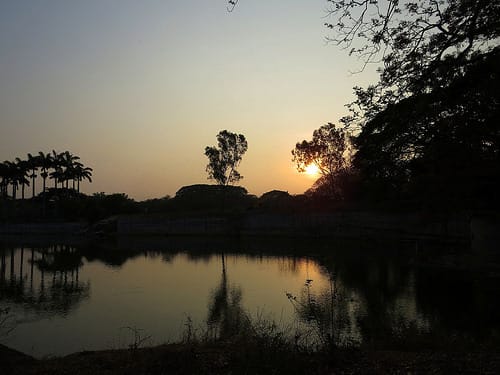
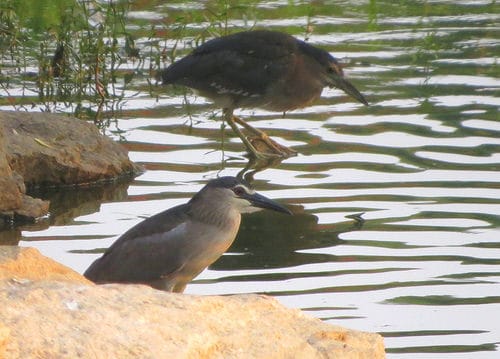
I then walked along the lake, and I found these Black-crowned Night Herons, looking, hopefully, for a fish breakfast.
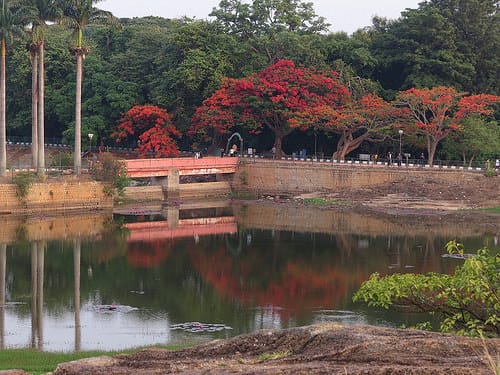
There were so many flowers still blooming, even though Bengaluru has been at its hottest. Here are the Gulmohar blooms, setting the park afire.
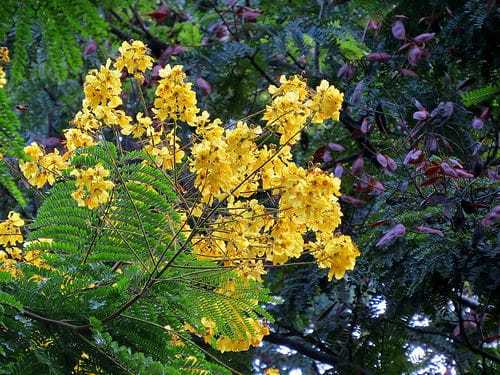
Here are Copper Shield Bearers with their lovely yellow blooms.
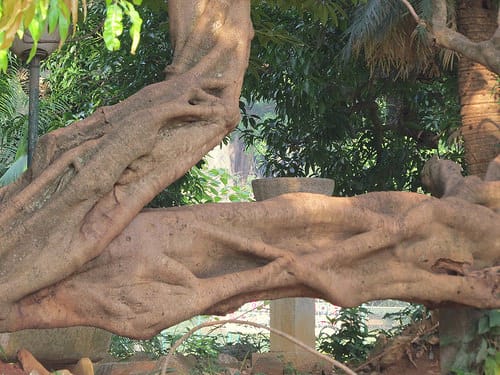
This is the huge Bauhinia vine near the Glass House.
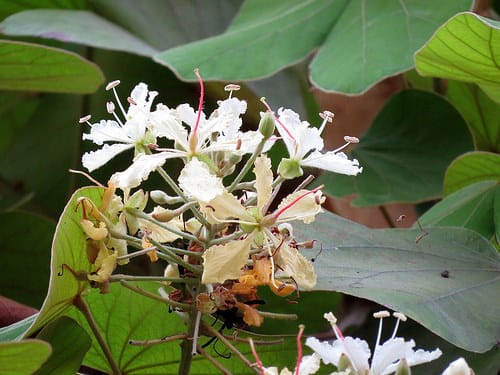
Bauhinia vine at the Glass House. Pic: Deepa Mohan

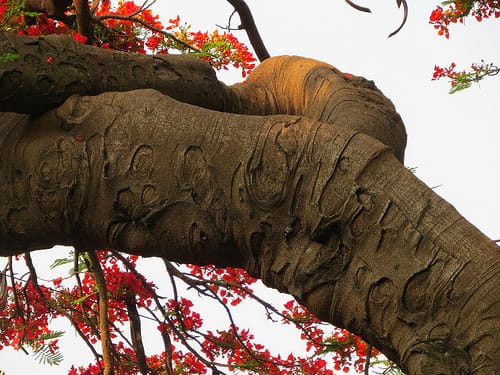
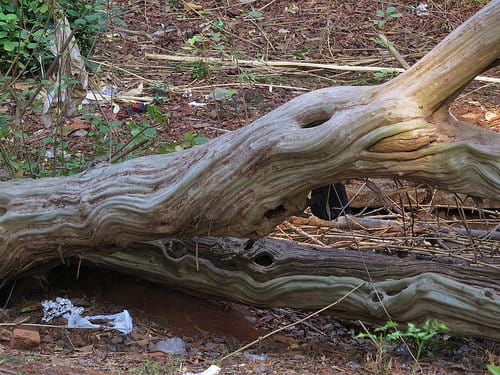
Tree trunks themselves are works of art!
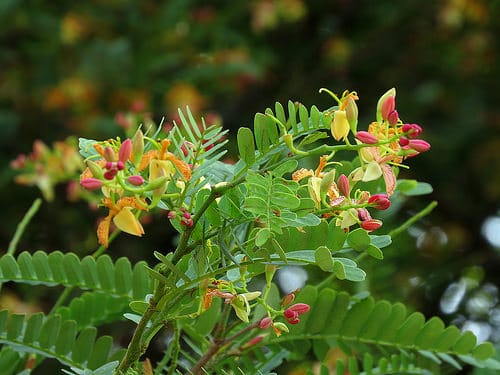
Even common trees like the Tamarind had beautiful flowers!
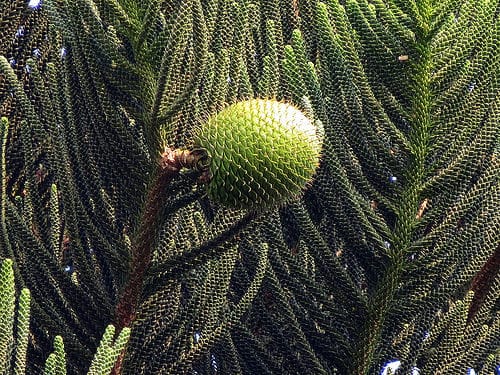
Unusually, I found a cone on the huge Araucaria tree, which is about 100 years old!
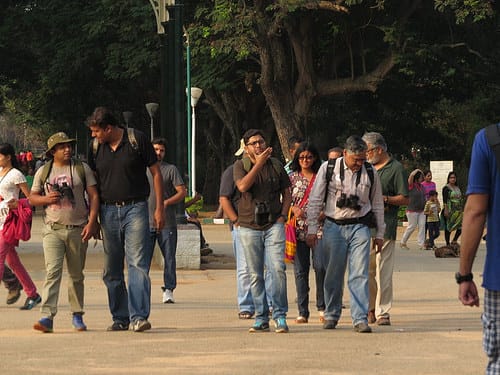
The birdwatchers were out with the joggers, the walkers and the yoga enthusiasts.
And the birds, of course, were everywhere!

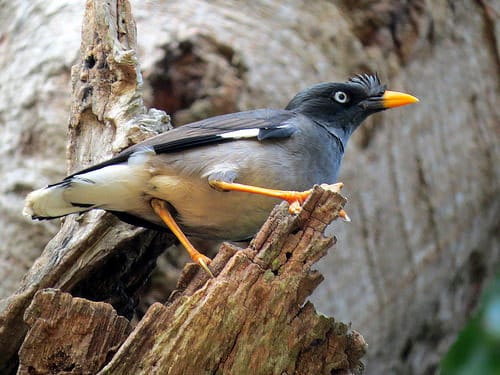
Jungle Myna
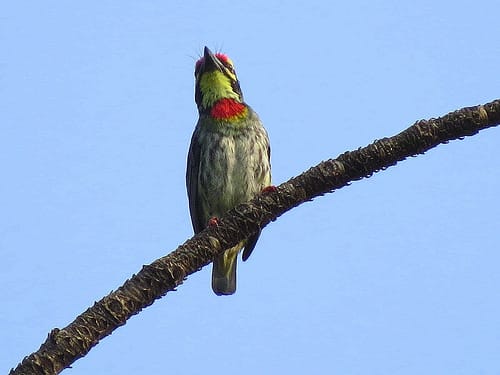
Coppersmith Barbet
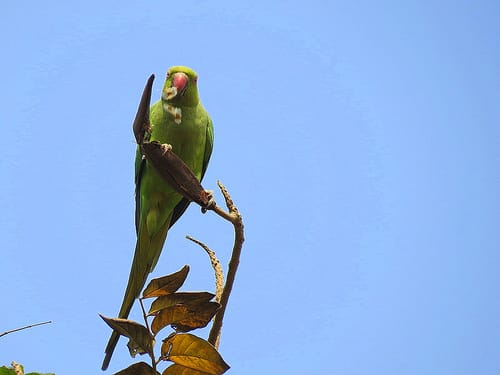
A Rose-ringed Parakeet dispersing Spathodea (African Tulip) seeds while feeding on them
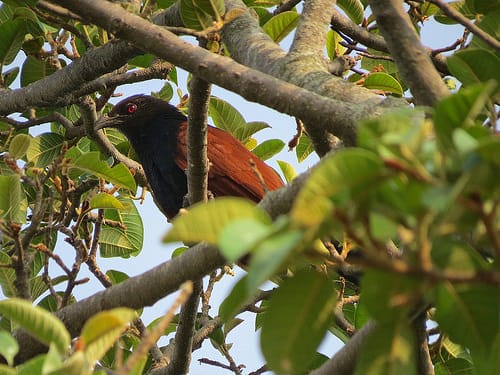
Southern Coucal
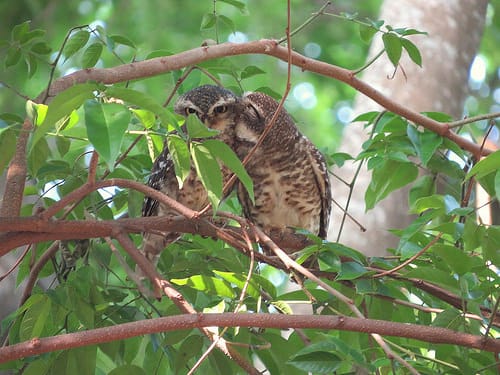
Spotted Owlets preening each other
Some bird of prey had dropped this large scorpion on the path!

I enjoyed the morning sunshine through the green leaves.
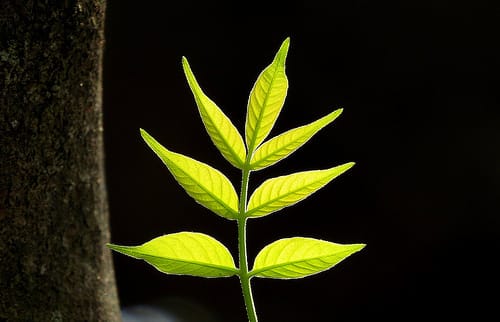
So, if you’re feeling tired, or in need of some soul-pick-up, just walk around in the nearest park, looking and listening, and you’ll come away with your mind and heart refreshed!

Leave a Reply

Your email address will not be published. Required fields are marked *

Similar Story

The trees we forget: What a city loses when the canopy disappears

Bengaluru's trees are more than shade; they are memory, identity, and resistance. Their loss leaves the city harsher and emptier.

Summer in India has been merciless this year, with many states recording temperatures above 42 degrees Celsius and rising reports of fatalities. Despite these harsh conditions, urban support continues for development projects that clear trees, wetlands, mangroves, and forests near cities. A recent Article 14 report provides data on thousands of trees that will soon be sacrificed nationally for infrastructure projects. Those opposing such unscientific large-scale tree felling are often labelled 'tree-huggers', 'anti-development' and 'anti-nationals'. While capitalism accelerates environmental degradation and the world faces a growing climate crisis, societal divisions deepen.  Yet, we give trees too little credit: Beings necessary…

Similar Story

Bengaluru’s flowering Tabebuia Rosea trees: Think green, not just pink

Cities must not confuse beauty with ecology; Bengaluru’s pink weeks are lovely, but unchecked ornamental planting could make the city prettier but less alive.

Late each winter, Bengaluru briefly transforms into an Indian Kyoto, as roads blush pink, office parks turn photogenic, and social media buzzes with claims of a local “cherry blossom” season. But the star of this spectacle is not cherry at all. It is Tabebuia rosea, the pink trumpet tree, a neotropical ornamental whose native range runs from Mexico to Ecuador. What seems like a harmless aesthetic win is, ecologically, far more complex. The history Bengaluru’s pink canopy is not new. Much of it can be traced back to the 1980s under forester S G Neginhal, who drove a major greening…