Nature’s umbrellas

There are some organisms that thrive in the moist, humid environment that the monsoons bring. And though they have a short life, they are beautiful and intriguing, when they appear.

Right now, the rains are a distant memory, but it wasn’t long ago that we felt our city was just soaking in water… and though we didn’t have the major deluge that Chennai had, we too had our share of dampness and moisture.

There are some organisms that thrive in this moist, humid environment, and though they have a short life, they still look beautiful, and intriguiging, when they appear. Mushrooms are a form of fungi… and in fact, the fruiting body of these organisms.

Mushrooms come in varieties called bolete, puffball, stinkhorn, morel, and gilled mushrooms themselves are often called agarics. However, we can give them our own fancy names, too! Here are some, that I clicked during the rains recently.

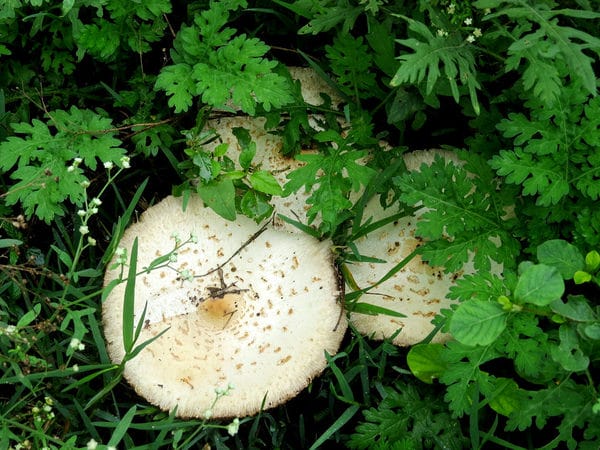
Here are some large mushrooms that remind me of that famous Kannada dish, Thatte idli!

The picture of these two longish mushrooms was beautiful, too…
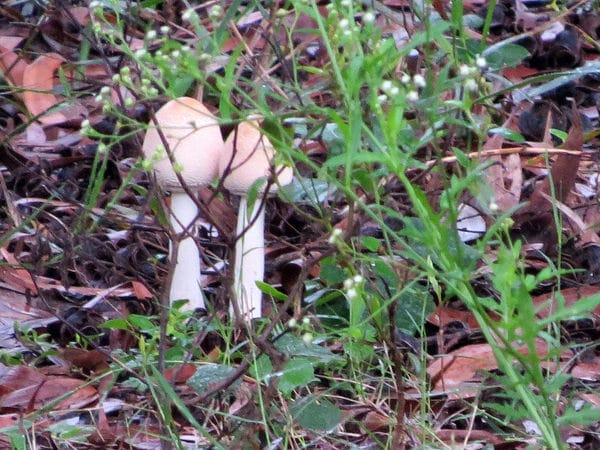
Some mushrooms, like this one, are called ‘toadstools’; earlier, they used to refer to poisonous ones. It’s easy to imagine amphibians sitting on these and croaking out their rain songs!
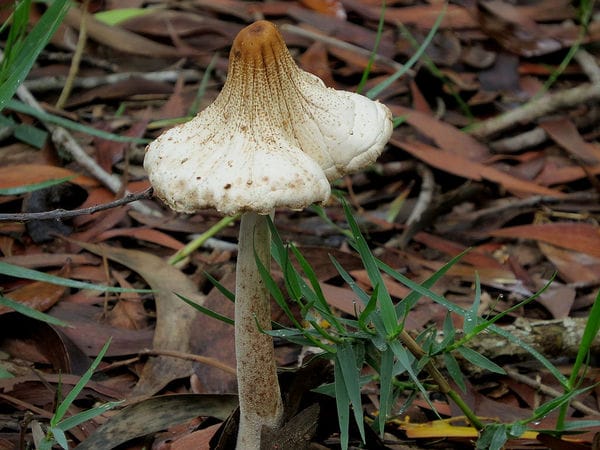
Others remind me of small umbrellas….
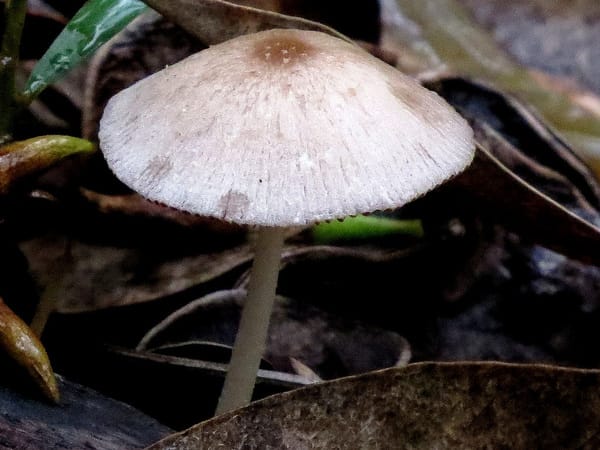
Right in the middle of the wet greenery, they… well… mushroom (yes, their often sudden appearance has given rise to the verb) suddenly, overnight!
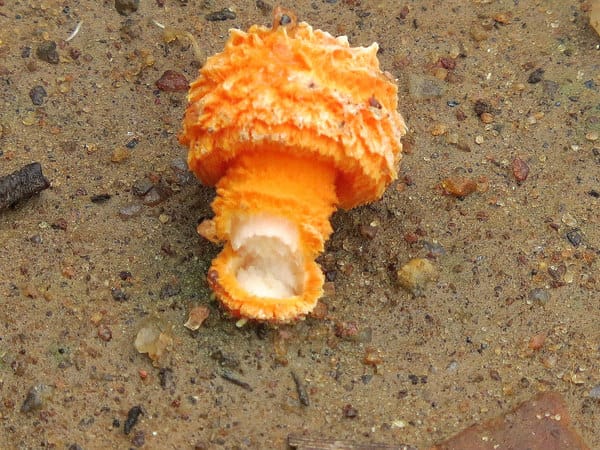
Mushrooms come in many colours, and I particularly liked this orange one.
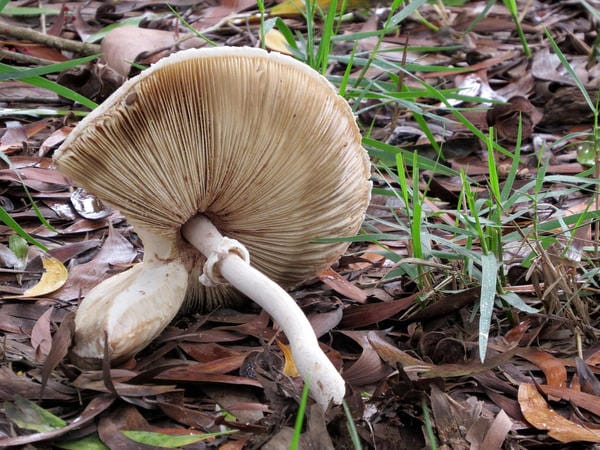
Mushrooms reproduce through spores, which form on the underside of the ‘umbrellas’.
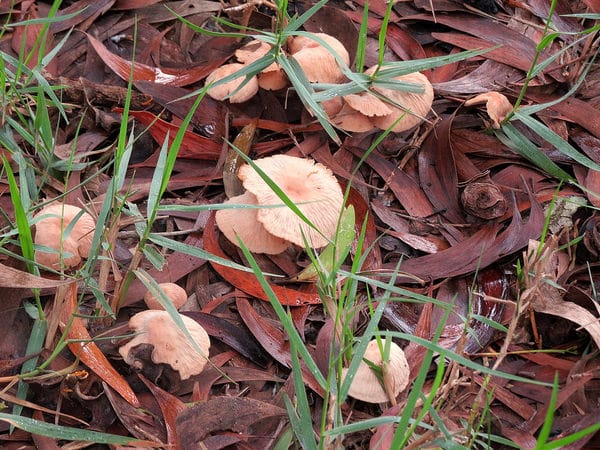
Many mushrooms are supposed to be edible, and very nutritious, too, but I wouldn’t advocate plucking any for the kitchen without knowing more about them! Some can violently disagree with our digestive systems too.
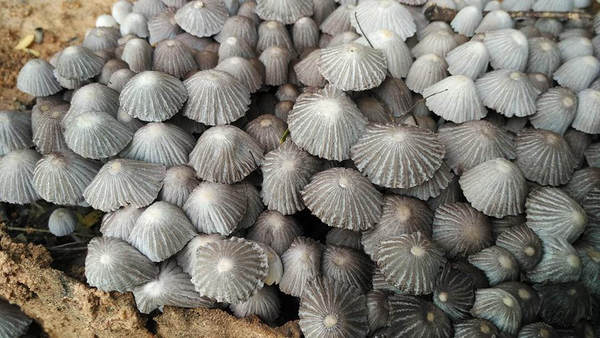
Here’s a beautiful image taken by my friend Vandana Murthy, on November 23rd 2015.
So… looking down as one walks on the grass, or looking up on the trunks of trees, is as much fun in the rains, as it can be at other times! Do look at these “fairies’ umbrellas” when next the weather is damp and gloomy, and they will cheer you up!

Leave a Reply

Your email address will not be published. Required fields are marked *

Similar Story

Open letter to Chief Justice of India: Withdraw unjust remarks made against environmental groups

In the letter, conservationists, lawyers and civil society groups highlighted the constitutional right of citizens to demand the enforcement of environmental laws.

A collective of citizens, environmentalists, legal experts and civil society organisations from across India has demanded that the Supreme Court withdraw oral remarks made by the Chief Justice of India (CJI) during the Pipavav Port hearing on May 11, 2026. The group aims to ensure these comments are not misinterpreted as questioning the legitimacy of genuine environmental public-interest litigation, or the constitutional right of citizens and affected communities to demand the enforcement of environmental laws. In an open letter to the CJI, the coalition outlined urgent environmental concerns and the right of citizens to question irregularities in projects negatively impacting…

Similar Story

The trees we forget: What a city loses when the canopy disappears

Bengaluru's trees are more than shade; they are memory, identity, and resistance. Their loss leaves the city harsher and emptier.

Summer in India has been merciless this year, with many states recording temperatures above 42 degrees Celsius and rising reports of fatalities. Despite these harsh conditions, urban support continues for development projects that clear trees, wetlands, mangroves, and forests near cities. A recent Article 14 report provides data on thousands of trees that will soon be sacrificed nationally for infrastructure projects. Those opposing such unscientific large-scale tree felling are often labelled 'tree-huggers', 'anti-development' and 'anti-nationals'. While capitalism accelerates environmental degradation and the world faces a growing climate crisis, societal divisions deepen.  Yet, we give trees too little credit: Beings necessary…